Daily Life · Liberia
Liberia: Rice, Family and the Waterside Market
Extended households that share childcare and income, a farming and market economy still recovering from war and Ebola, and a working-age population where only a minority hold a formal, salaried job
By Worldlore Editorial · 30 September 2026
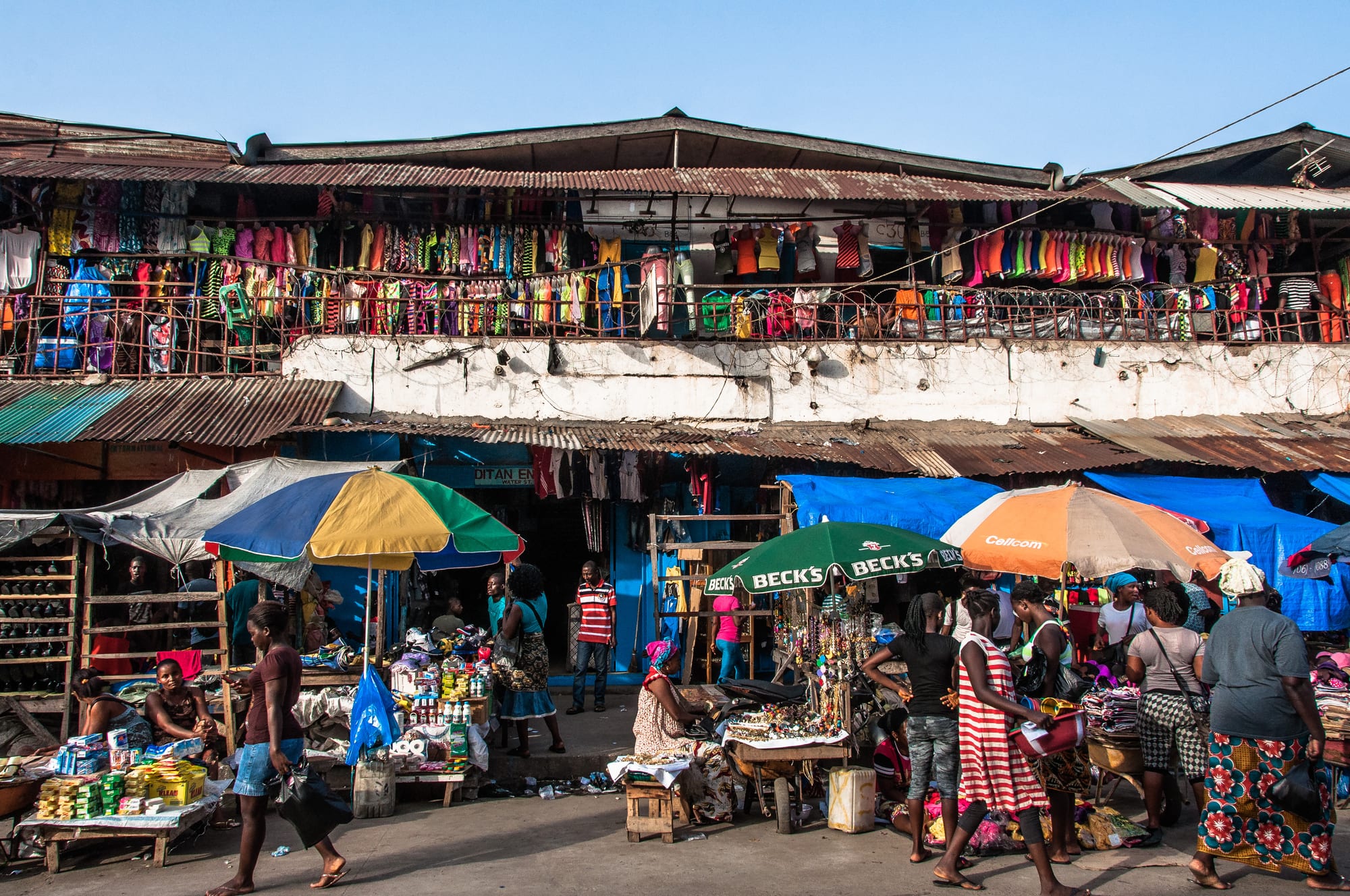
Rice sits at the centre of the Liberian table, eaten at nearly every meal and grown by many rural households, though much of it is imported, and in the countryside the working year still bends around it: land cleared and burned ahead of the rains, seedlings planted and weeded through the wet season, the harvest gathered before the dry months set in. Away from the farm, Monrovia's sprawling Waterside Market and its counterparts in smaller towns are where cash actually changes hands each day. Underneath both is a country still visibly rebuilding: Liberia is recovering from two civil wars and the West African Ebola epidemic, and daily life for most households reflects a genuinely difficult economy more than it reflects any single tradition.
Family and home life
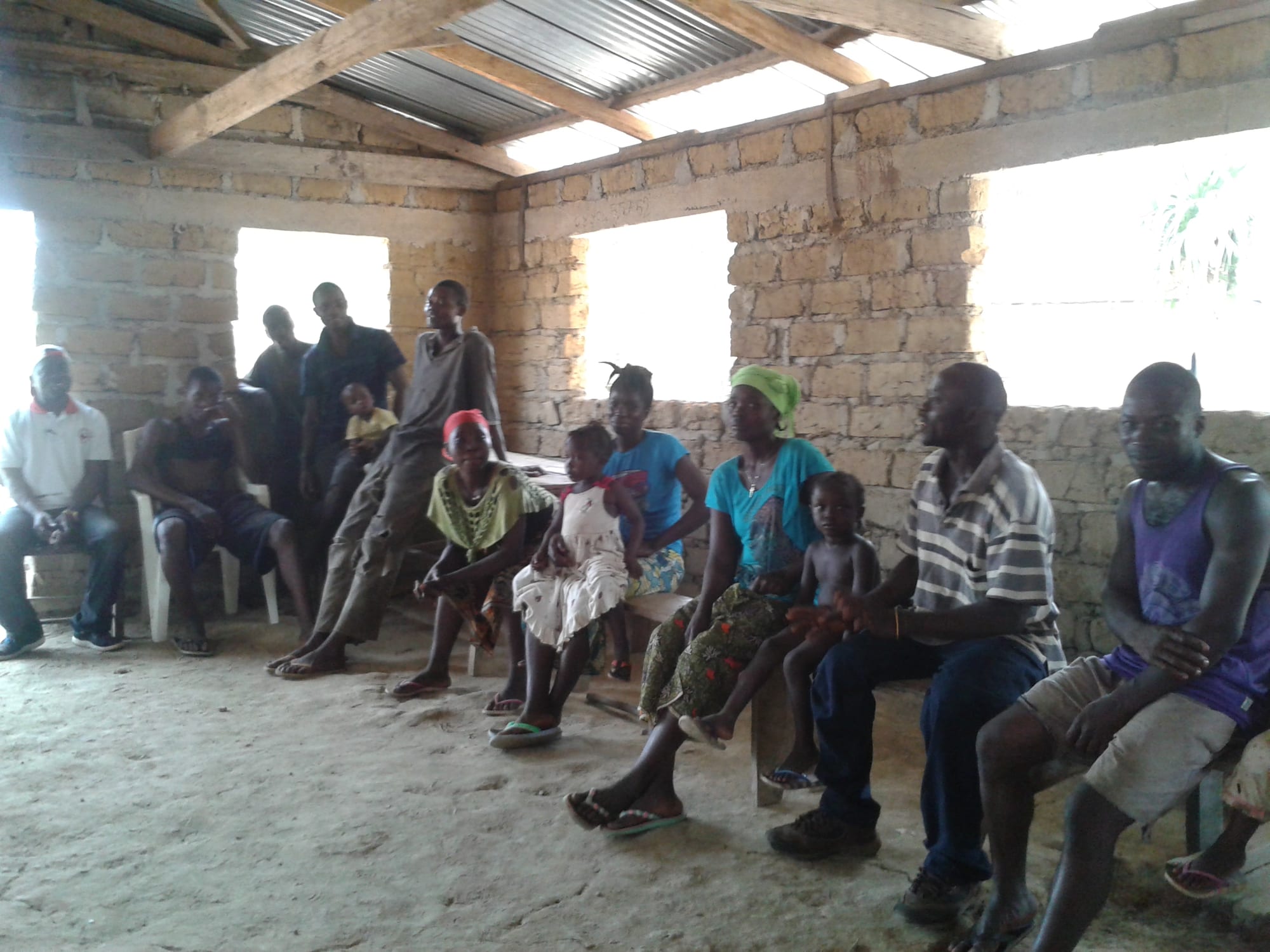
Liberian family life centres on the extended household rather than the nuclear one. It is common for a household to include not just parents and children but grandparents, cousins, aunts and uncles, with the wider family sharing income, childcare and decisions as a matter of course rather than exception; an aunt or uncle standing in for an absent parent, and cousins being raised and treated much like siblings, is normal rather than notable. This extended structure functions, in practice, as the country's main social safety net, in a country with very little formal welfare provision. Housing ranges from raised wooden or corrugated-iron homes in rural towns and villages to concrete housing and, in parts of Monrovia, half-finished or informal construction reflecting the country's housing shortage.
Work, school and the rhythm of the day
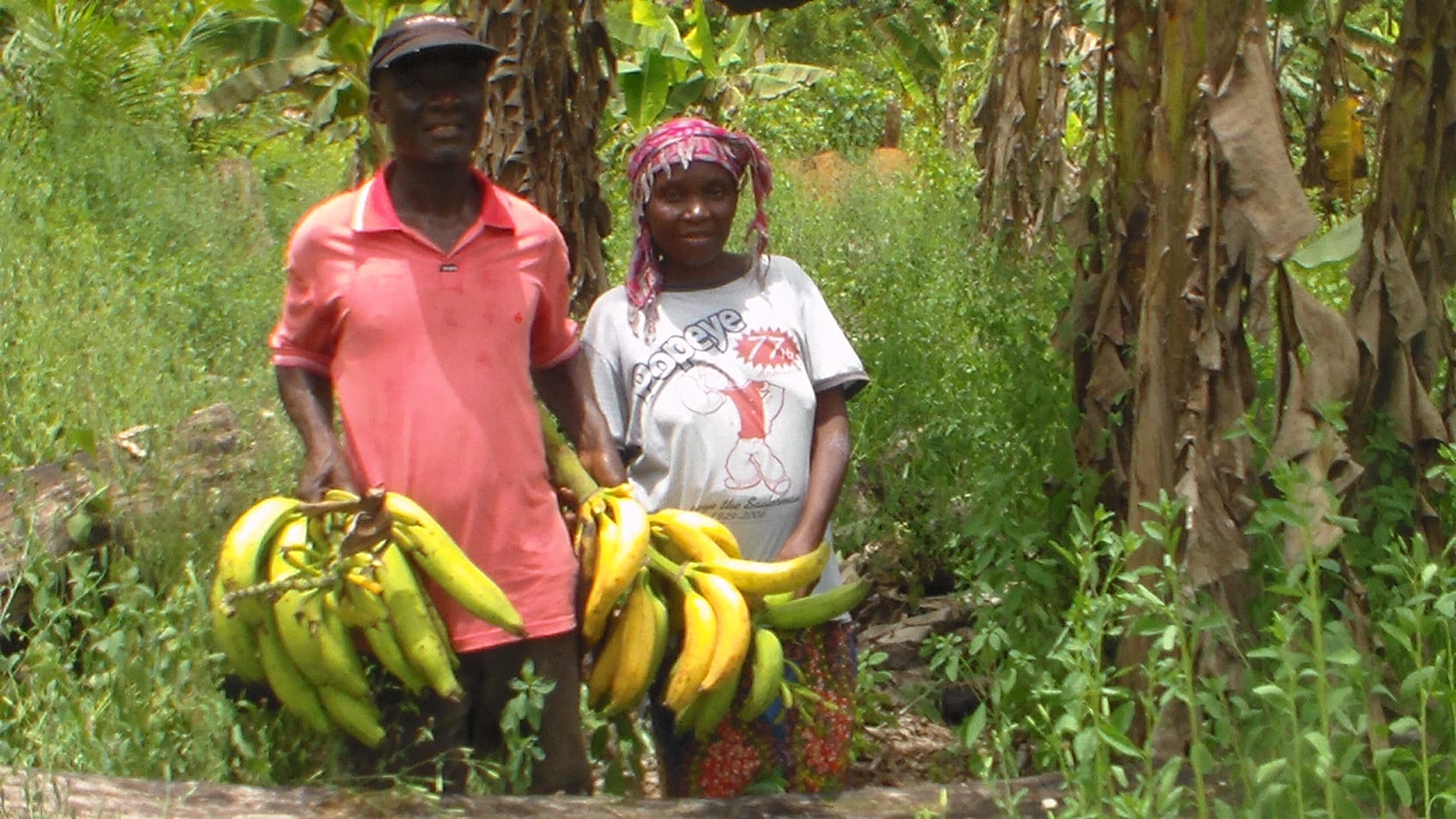
Formal, salaried employment reaches only a minority of working-age Liberians; a large share of the population instead farms for household consumption, trades informally, or works irregular daily labour that does not show up cleanly in official jobs figures, even when headline unemployment statistics look low. In the countryside, farm work still follows the rain-fed rice cycle described above, with the whole household often sharing the clearing, planting, weeding and harvesting. Primary schooling is free at government schools, but uniforms, books and the fees charged by many private and mission schools are a genuine burden for many households alongside rent, transport and medical costs, and covering them is a recurring, practical pressure on family budgets nationwide.
Community life and public spaces
Markets are the genuine centre of daily public life: Monrovia's Waterside Market is the best known, a dense, sprawling area of stalls and handcarts selling food, clothing and household goods, with smaller versions of the same pattern repeated in every town. Shared taxis and minibuses, along with motorbike taxis in many towns, carry most everyday transport, since Liberia has no passenger rail network and many roads outside Monrovia are unpaved and difficult, especially in the long rainy season. Churches are a major gathering point outside the market, given how widely Christianity is practised, and in Monrovia itself, the ruined shell of the old Ducor Hotel on its hill and Providence Island, where the first settlers landed, remain everyday landmarks for residents rather than just sights for visitors.
Free time and weekends
Football is followed with real intensity nationwide, a passion sharpened by the national pride surrounding George Weah, still the only African to have been named FIFA World Player of the Year and later the country's president; matches are watched in groups wherever a working television and a generator can be found. Church attendance takes up a large part of Sunday for many Liberian households, and weekend time otherwise centres on visiting extended family, who, given how households are structured, are rarely far away. In Monrovia, the beach draws people for a walk or a swim, though strong currents and, in places, pollution make many city beaches better for walking than swimming.
A visitor's ordinary day
Liberia runs on cash, generally a mix of US dollars for larger payments and Liberian dollars for small ones, since cards and ATMs are unreliable outside a handful of Monrovia locations. Electricity supply is patchy even in the capital, and many businesses and better-off households rely on generators. Shared taxis and minibuses are the practical way to get around, negotiated rather than metered, and travel outside Monrovia should be planned with real care given the state of the roads, especially once the rains set in from around May. Malaria risk is high nationwide, and taking it seriously, rather than as a formality, is a genuinely practical piece of trip planning here.
What to take away
Daily life in Liberia is shaped less by any single custom than by two plain facts that touch nearly every household: rice, eaten almost every day whether grown at home or bought at the market, and an economy still working, visibly, to recover from war and disease within living memory.