Food · Liberia
Liberia: Food and the National Dish
A rich palm-nut soup ladled over rice, in a West African nation whose food carries a distinctive layer of history unlike any of its neighbours'
By Worldlore Editorial · 16 September 2026
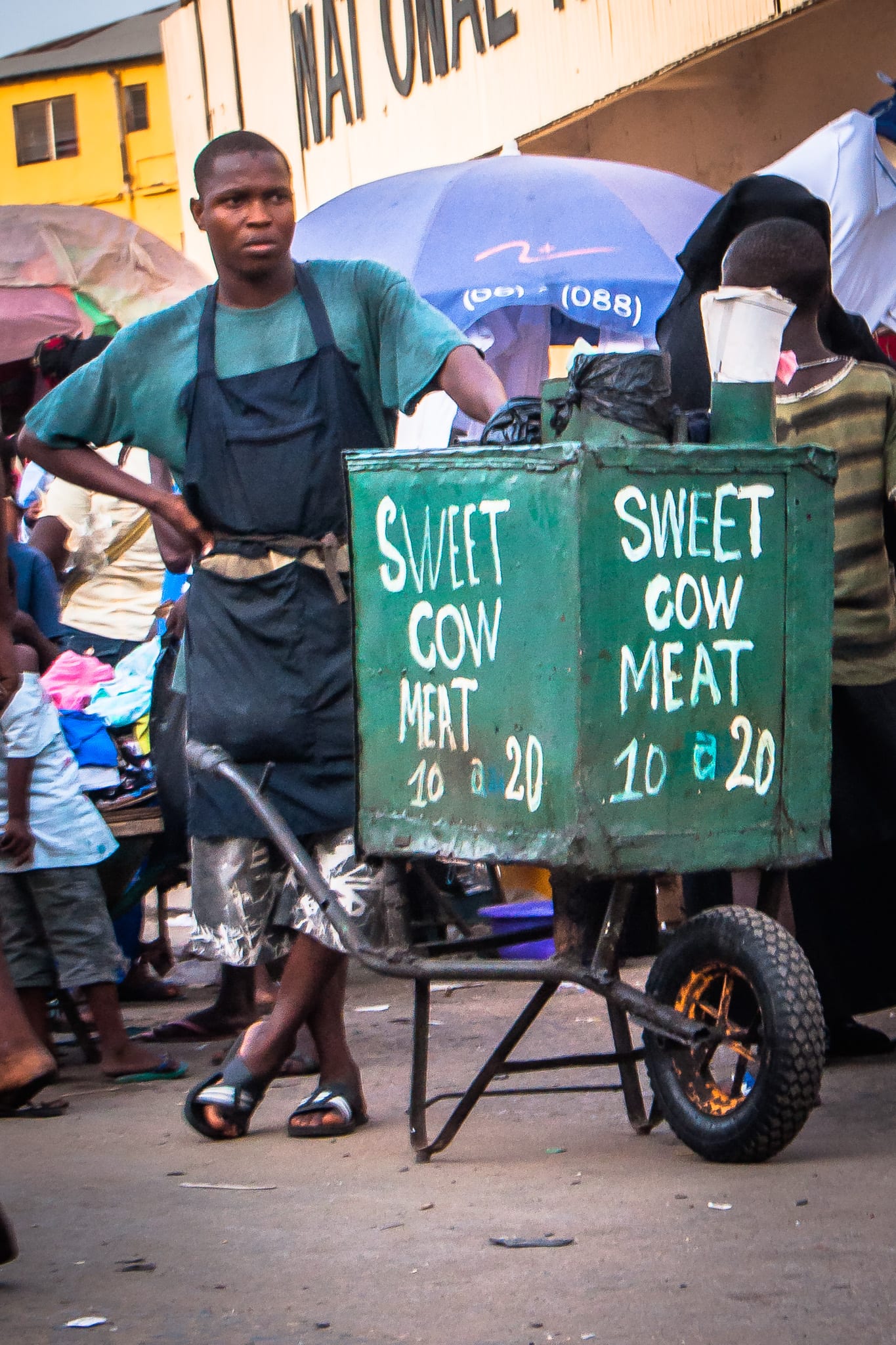
A West African cuisine with a distinct settler history
Liberia's food sits within the wider West African palm-oil-and-rice tradition shared with its neighbours, but carries an additional layer found nowhere else in the region: dishes and habits brought by Americo-Liberian settlers, freed and formerly enslaved African Americans who began arriving in the early 19th century, sit alongside older Indigenous Liberian cooking.
The signature dish: palm butter soup
Palm butter soup, a rich, orange-red soup made from the pulp of palm nuts simmered with meat or fish and served over rice, is Liberia's most widely recognised dish. The soup's base, closely related to palm-nut sauces found across Central and West Africa under other names, is treated in Liberia as a genuine point of national culinary identity rather than simply a shared regional recipe.
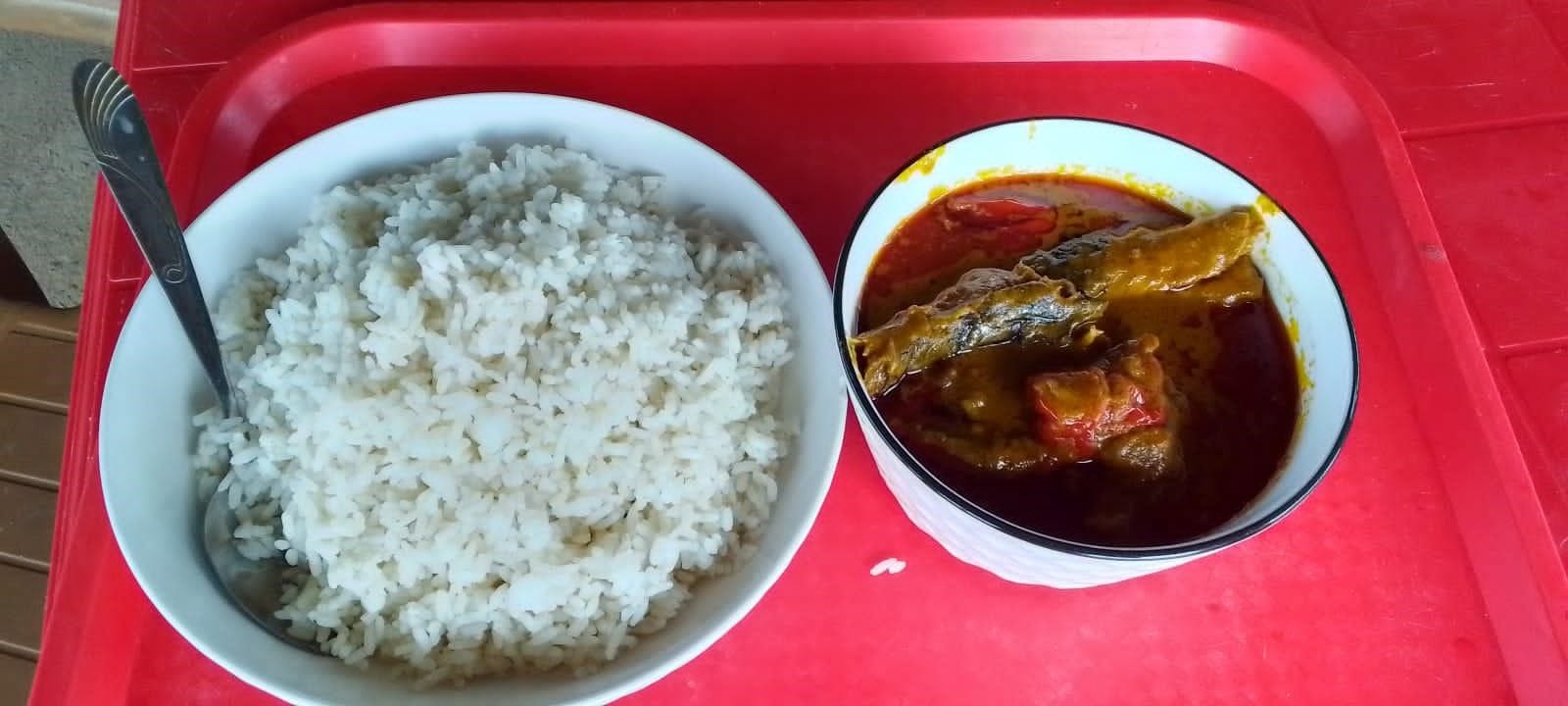
Rice, cassava leaf and the everyday pantry
Rice remains Liberia's most essential staple, eaten at nearly every meal, while cassava leaf, pounded and simmered into a stew with palm oil, fish or meat, is another everyday Liberian dish closely related to palm butter soup in spirit. Hot pepper features heavily throughout Liberian cooking, and torborgee, a fermented sesame seed soup, is a distinctly Liberian specialty not commonly found elsewhere in West Africa.
History behind the plate
Liberia's founding in the early 19th century by the American Colonization Society, which resettled freed and formerly enslaved African Americans on the Liberian coast, created a genuinely unusual food history: Americo-Liberian settler families brought Southern American cooking habits that blended, over generations, with the Indigenous Liberian cooking of groups such as the Kpelle, Bassa and Kru. That layered history is part of what makes Liberian food distinct from its immediate neighbours despite sharing a similar core pantry.
Dishes to know
Five more to recognise across Liberia:
- Cassava leaf — pounded cassava leaves simmered into a stew with palm
oil, fish or meat.
- Torborgee — a fermented sesame seed soup, a specialty distinctly
associated with Liberia.
- Dumboy — pounded cassava formed into a smooth dough, similar to
fufu, eaten with soup.
- Jollof rice — a tomato-based rice dish shared across West Africa,
cooked with meat or fish.
- Fufu — pounded cassava or plantain dough, eaten with soup across much
of Liberia and the wider region.
Drinks
Palm wine, tapped from palm trees, is a traditional Liberian drink with deep regional roots, alongside Club Beer, a locally brewed lager. Ginger beer, made from fresh ginger root, is a popular non-alcoholic option, and coffee, grown in parts of Liberia, remains a smaller but genuine part of the country's agricultural history.
Eating as a traveller
Vegetarians will find rice and cassava leaf without meat manageable in some households, though fish and meat are common in most traditional soups. Tap water is not reliably safe outside major hotels; stick to bottled or boiled water. Trying palm butter soup or cassava leaf at a local restaurant in Monrovia is a genuine, accessible way to experience Liberian home cooking.
What to take from the table
Palm butter soup, rich and shared with pride, is the dish that best represents Liberian food — carrying, in its own quiet way, the layered history of a country founded unlike any other in Africa.