Attractions & Natural Wonders · Liberia
Liberia: Eight Attractions and Natural Wonders
Africa's oldest republic, founded by freed African-Americans — a surf coast still finding its tourists, a rainforest holding pygmy hippos, and a war-scarred hotel with the best view in the capital
By Worldlore Editorial · 10 September 2026
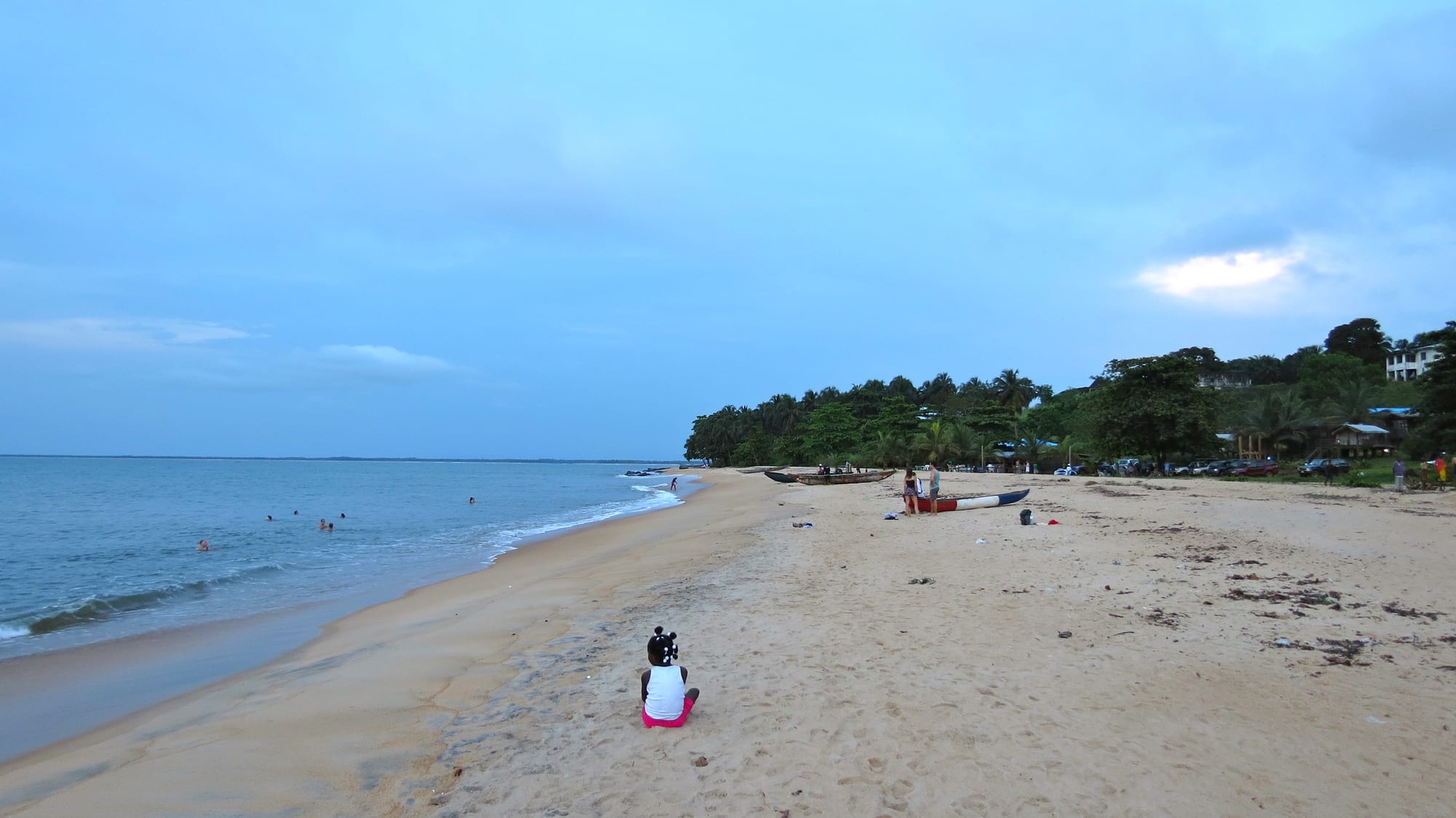
Africa's oldest republic
Liberia, on the West African coast, was founded in 1822 as a settlement for freed African-Americans and formerly enslaved people, and declared itself independent in 1847 — the first republic in Africa. That history shaped its capital's name (after US President James Monroe) and its early elite, the Americo-Liberians, whose dominance over the indigenous majority contributed to two devastating civil wars between 1989 and 2003. Liberia has been rebuilding since, more recently also recovering from the 2014–16 West African Ebola outbreak, and has about 5.4 million people and one of Africa's largest expanses of intact rainforest.
The eight below run from the capital along the coast and into the forested interior. Tourism infrastructure is limited outside Monrovia. The dry season (November to April) is the practical time to travel; the rains, among the heaviest in West Africa, run May to October.
1. Monrovia
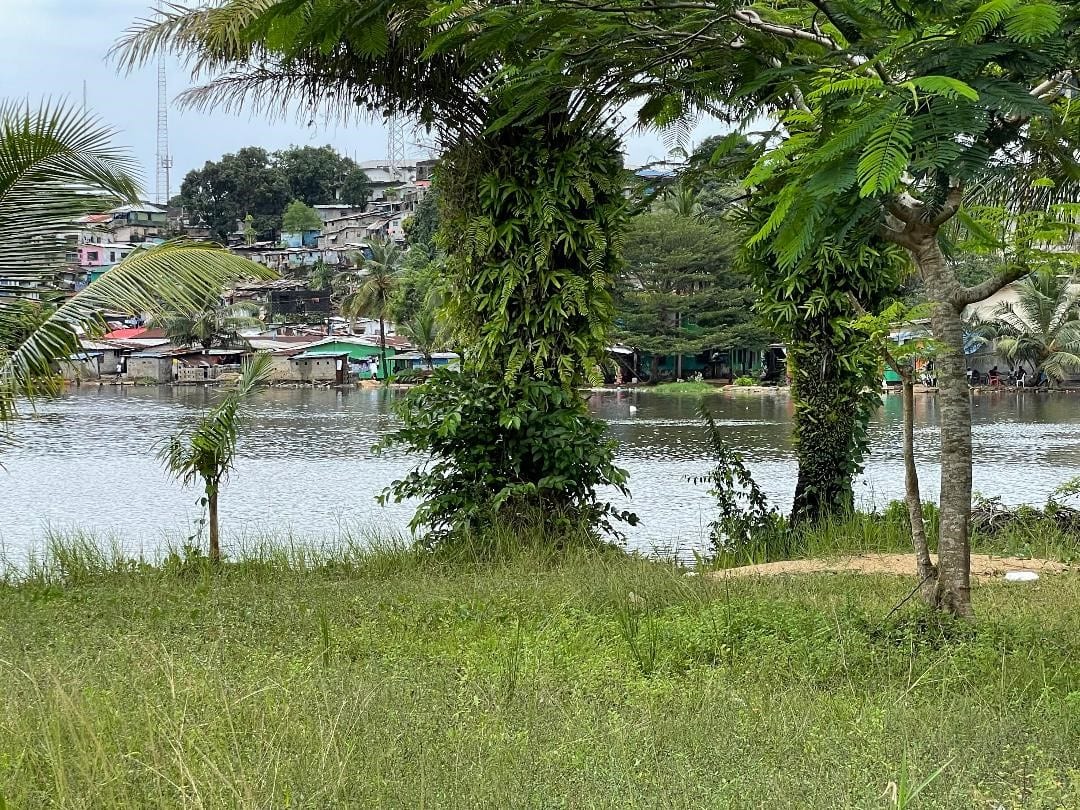
Monrovia, the capital, is a humid, energetic port city rebuilding from war — faded colonial-style government buildings, a bustling Waterside market, the National Museum, and a lively music and street-food scene. Its beaches (Thinker's Village, CeCe Beach) draw locals at weekends, and the National Culture Center puts on traditional dance and mask performances.
Infrastructure is improving but still basic; hire a knowledgeable local driver or guide.
2. Providence Island
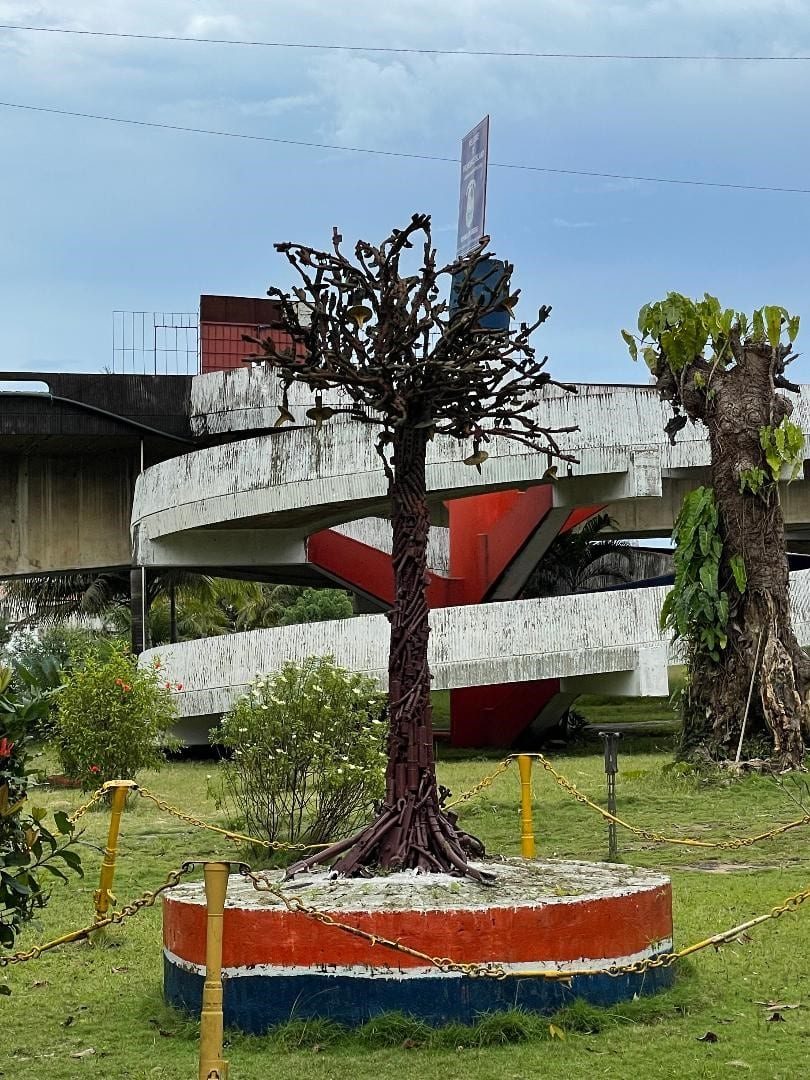
Providence Island, a small wooded island in the lagoon at the heart of Monrovia, is where the first ships of freed African-Americans and formerly enslaved people landed in 1822 to found the colony that became Liberia. It is now a modest memorial park with monuments to that founding moment — a quiet, symbolically important stop for understanding the country's origin story.
It sits right in the city centre, an easy walk from downtown.
3. The Ducor Hotel
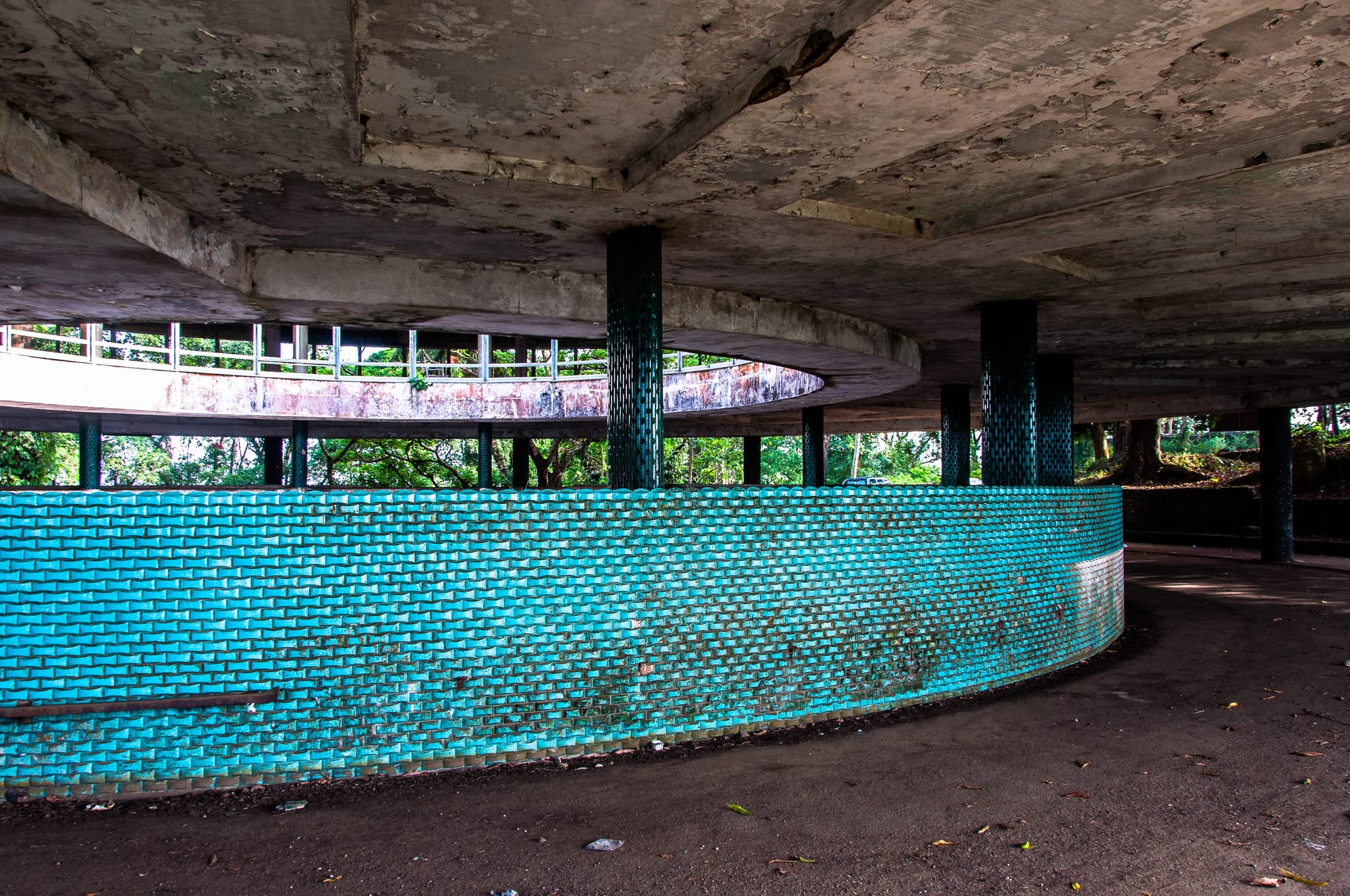
The Ducor, opened in 1960 as a five-star Intercontinental hotel hosting African heads of state, was gutted and looted during the civil wars and has stood as a haunting ruin ever since — its swimming pool empty, its rooms stripped to concrete, squatted for years and since cleared. It remains, for now, the best free viewpoint over Monrovia and the coast, and a stark symbol of the country's recent history.
Go with a local guide; the building itself is unsafe to enter beyond the grounds.
4. Robertsport
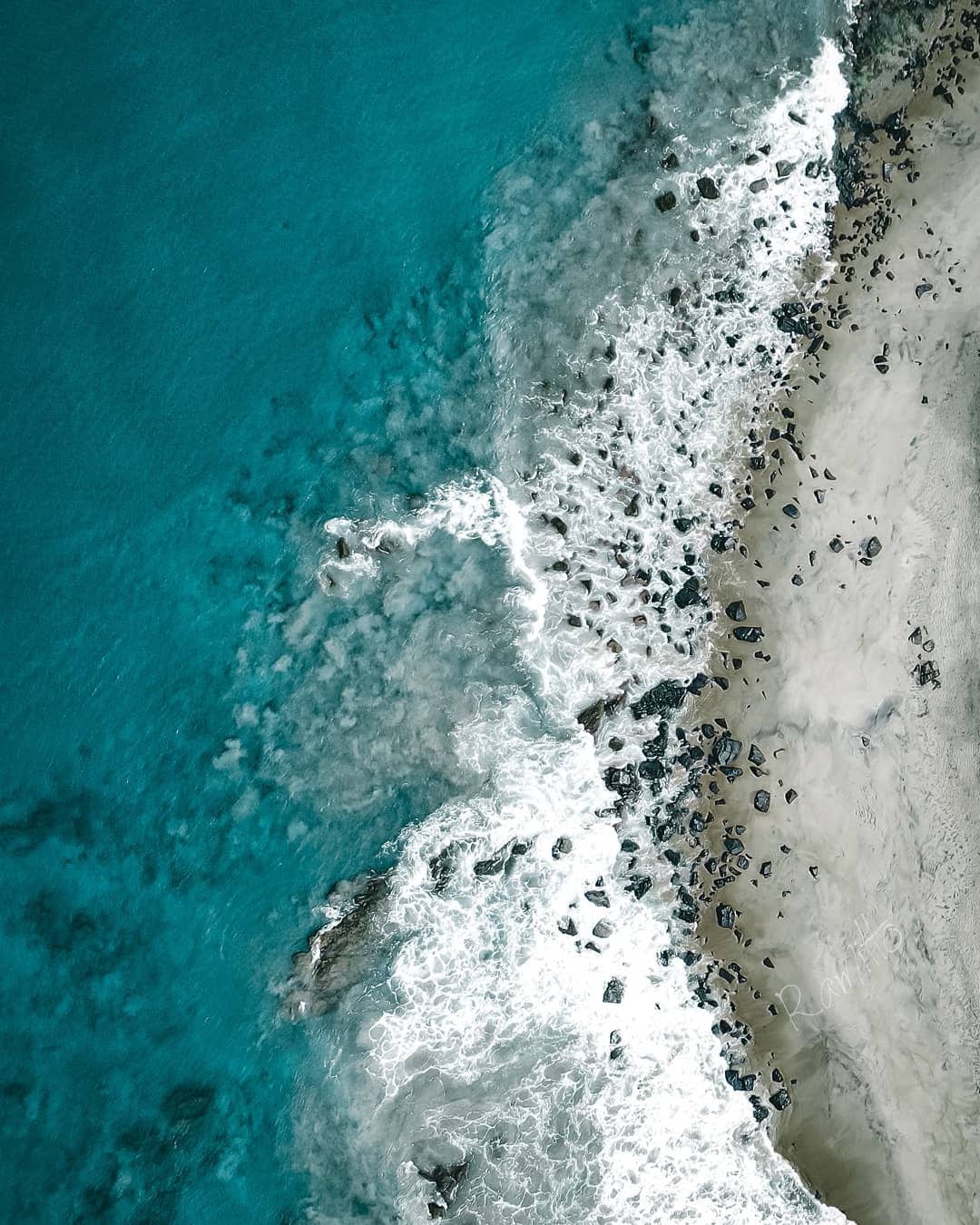
Robertsport, a couple of hours up the coast from Monrovia, has some of West Africa's best point breaks and has slowly developed a small surf-tourism scene around simple guesthouses and camps, alongside long empty beaches, palm groves, and fishing villages. The Cape Mount lighthouse and lagoon add to the setting.
The road there has improved but can still be rough in the rains.
5. Lake Piso
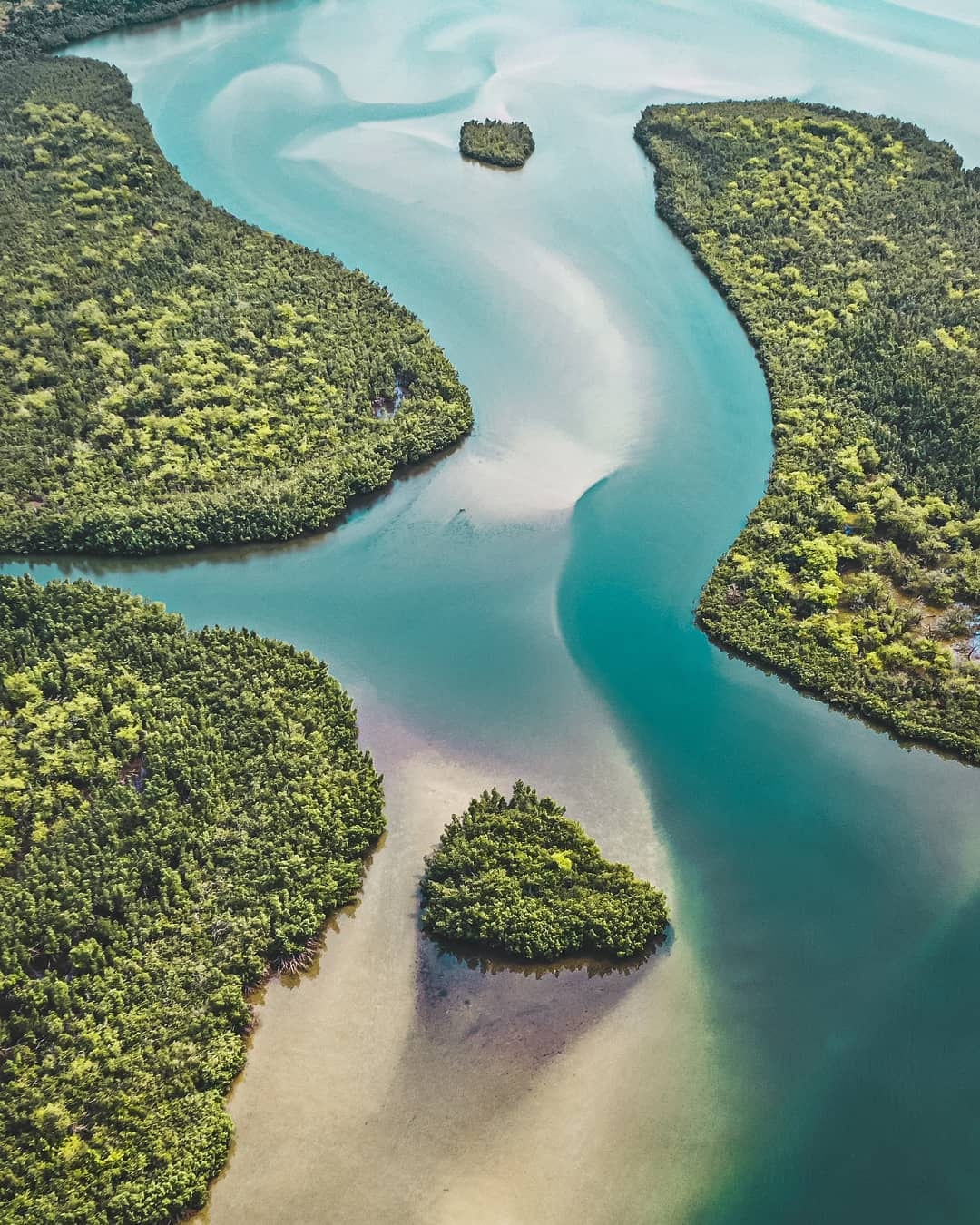
Lake Piso, actually a large tidal lagoon rather than a true lake, is one of West Africa's important wetlands for waterbirds and a nursery for fish and manatees, ringed by fishing villages and mangroves. Boat trips explore the channels and islands; it sits right beside Robertsport, making the two an easy combination.
It is part of a proposed protected-area network still being developed.
6. Kpatawee Falls
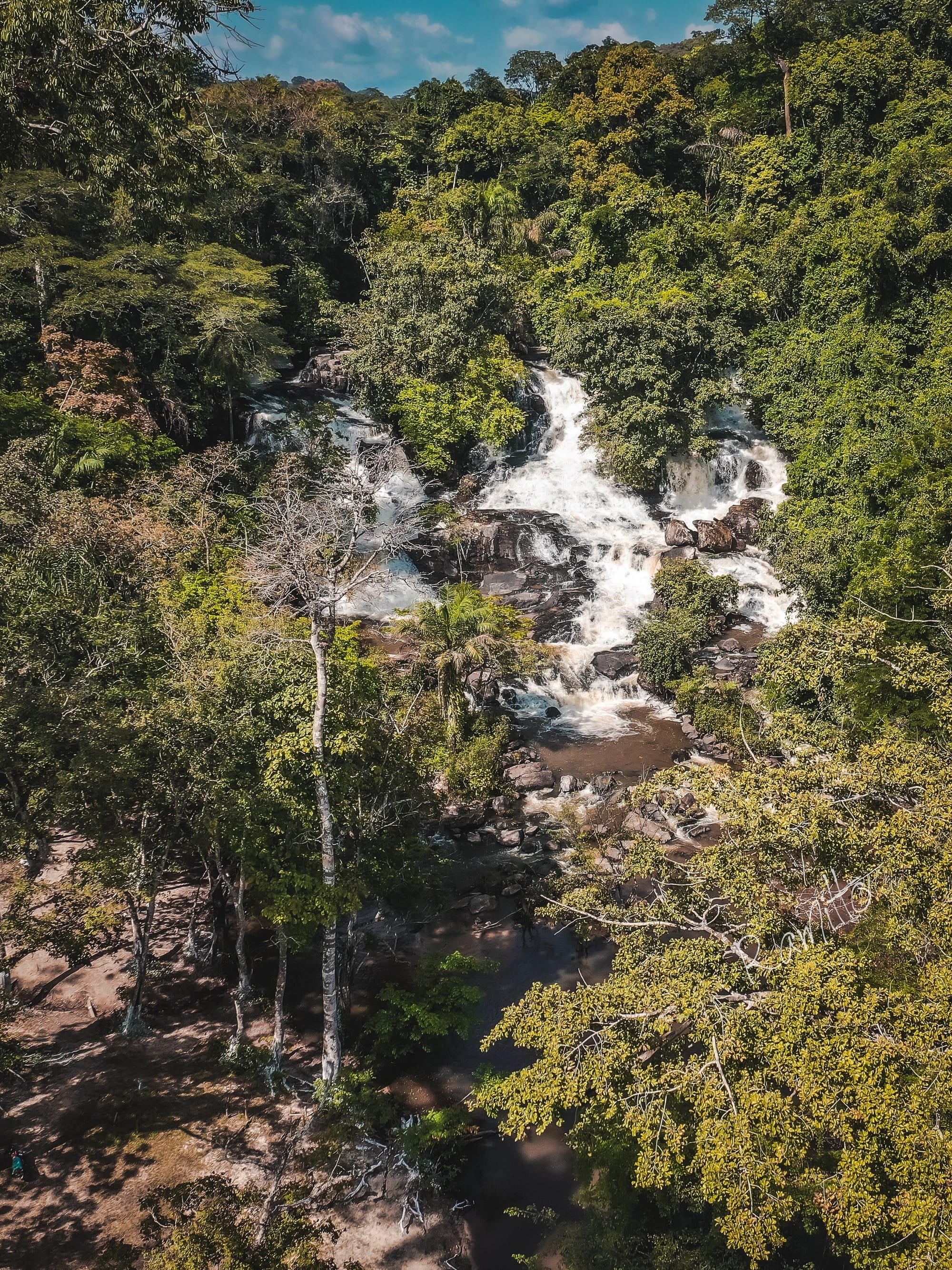
Kpatawee Falls, a few hours inland in Bong County, is a broad, swimmable waterfall set in forest and farmland — a popular weekend outing from the capital and from Gbarnga, the regional town. Simple facilities and picnic spots have grown up around it in recent years.
It is one of the more accessible natural sights outside Monrovia.
7. Sapo National Park
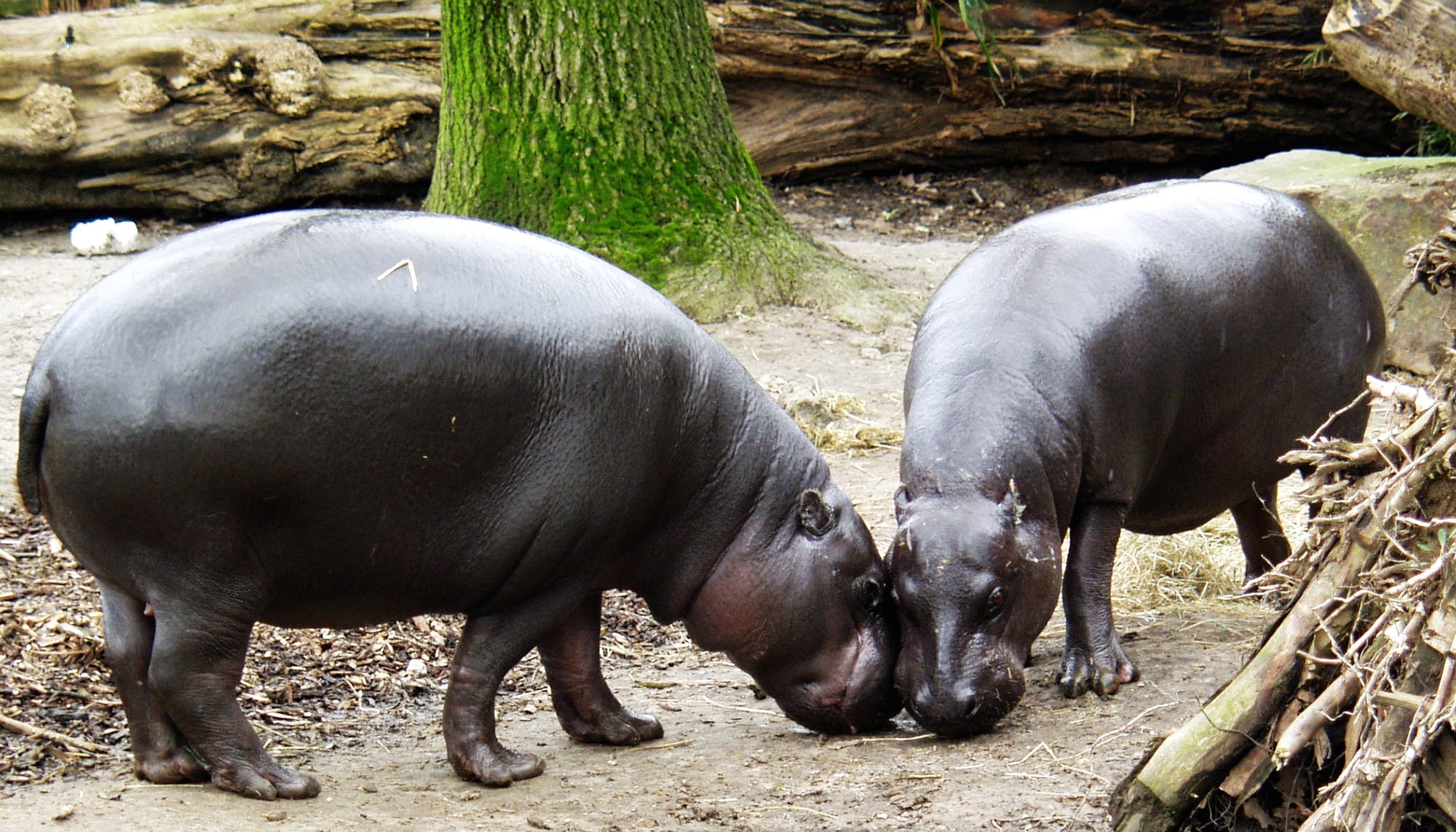
Sapo, in the southeast, is Liberia's largest protected area and the second- largest block of Upper Guinean rainforest left in West Africa — home to forest elephants, chimpanzees, and one of the last strongholds of the endangered pygmy hippopotamus, rarely seen but present in real numbers. It is genuinely remote, with minimal infrastructure, reached via the town of Greenville.
Visits require real logistics — a guide, permits, and camping gear — and reward only the most committed wildlife travellers.
8. The Firestone rubber plantations
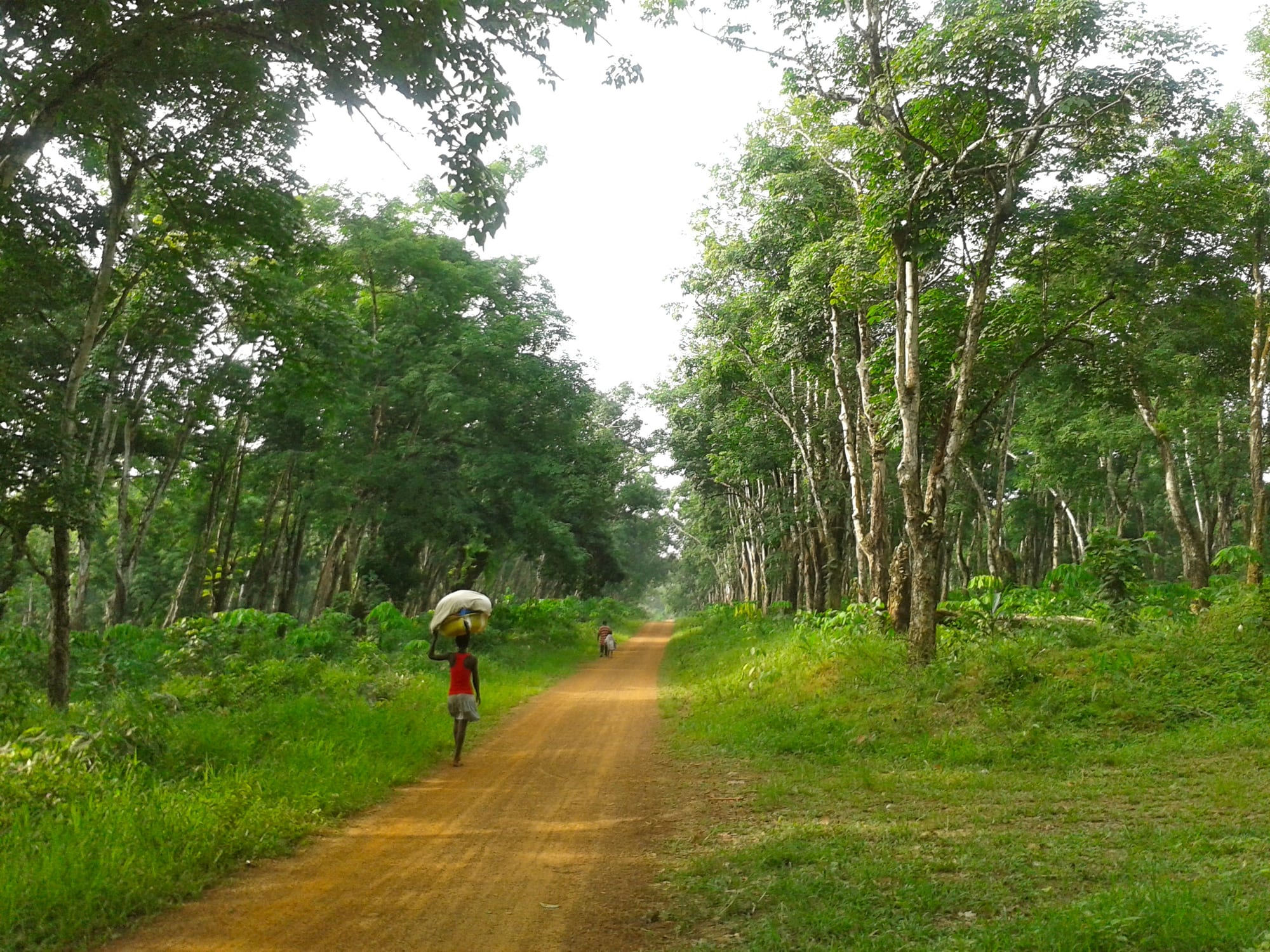
Outside Monrovia, the Firestone plantation at Harbel is one of the largest contiguous rubber estates in the world, established in 1926 and still central to the economy and to the country's complicated relationship with foreign concessions. Rows of tapped rubber trees stretch for kilometres along the road to the airport, a distinctive sight for anyone landing in the country and a window into Liberia's plantation economy.
It is largely a working estate rather than a tourist site, best seen from the main road.
Liberia is a country for travellers who want somewhere genuinely off the beaten path. A trip usually centres on Monrovia and a few days at Robertsport, with Sapo National Park reserved for those with time, a guide, and a taste for logistics.