Culture & Customs · Liberia
Liberia: A Handshake for Everyone
A mostly Christian nation with American-born holidays and much older African traditions, where no one is passed without a greeting, a handshake ends with a snap of the fingers, and families gather each March to tend the graves of their dead
By Worldlore Editorial · 30 September 2026
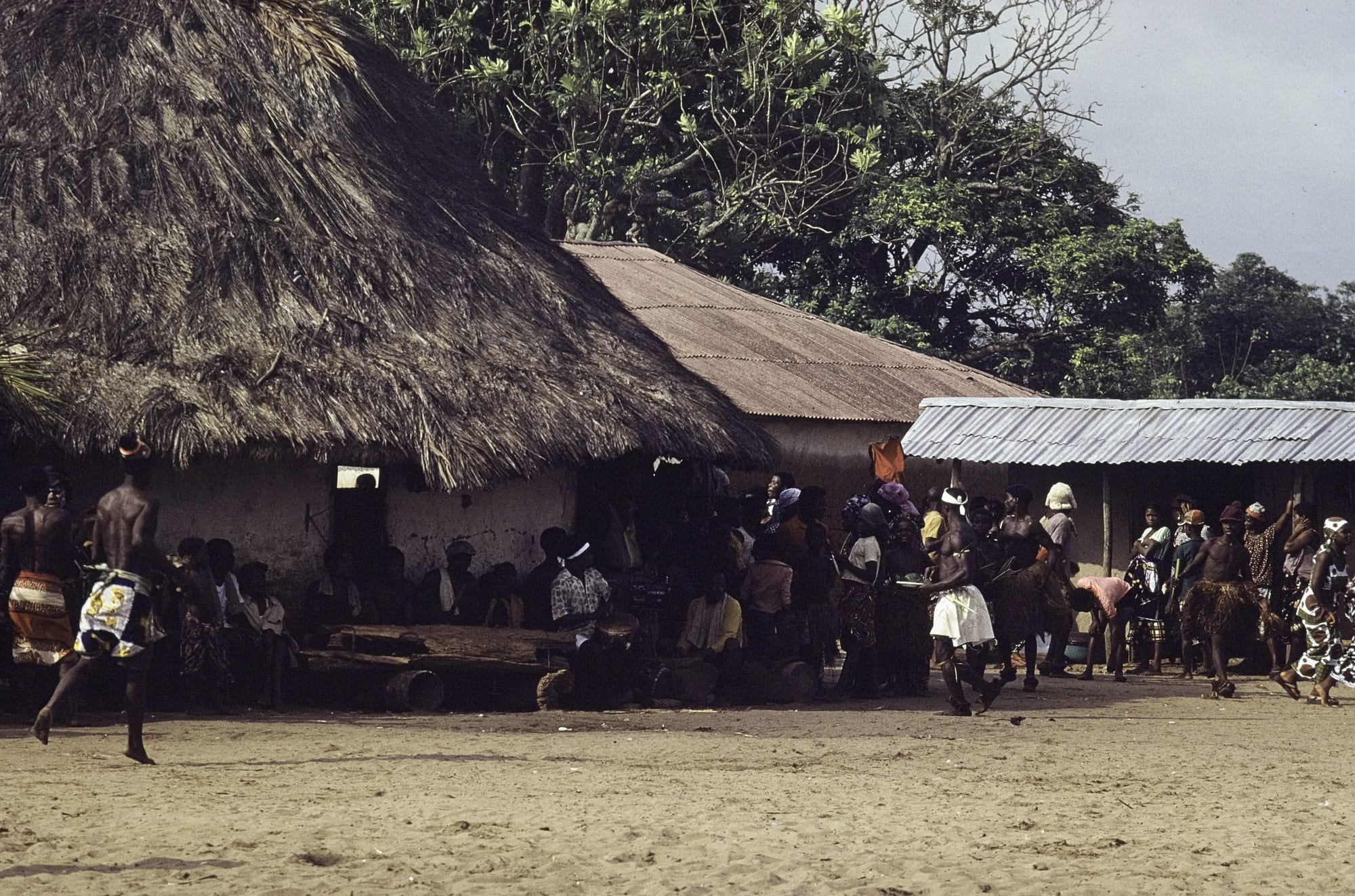
It is sunrise on the second Wednesday of March, and families are already arriving at the cemeteries. They carry buckets of water, tins of paint, flowers, cutlasses and candles. Weeds are cleared and tombstones scrubbed; fading names are painted in again and fresh flowers laid by the headstones. As the morning goes on, the work gives way to something closer to a reunion. Relatives who rarely see one another eat and drink beside the graves and trade stories about the people buried there, and old family quarrels are sometimes settled on the spot. Across the country, flags fly at half-staff by presidential order. Decoration Day, as the holiday is called, brings together much of what shapes Liberian life: the weight of family, a deep respect for those who came before, and a national calendar that joins the customs of Liberia's many peoples to traditions carried across the Atlantic by its founders.
Faith, identity and values
Liberia is a predominantly Christian country. The 2022 national census, cited by the US State Department, recorded about 85 percent of the population as Christian and 12 percent as Muslim, with a small number reporting no religion; Muslim organisations say the true Muslim share is higher. Many believers in both faiths also weave elements of Indigenous traditional belief and custom into their religious practice. Christian and Muslim organisations come together in the Inter-Religious Council of Liberia, and whether Muslim holy days should become statutory public holidays remains a subject of public debate.
Older institutions carry great weight. The Poro, for men, and the Sande, for women, are initiation societies found across Liberia's north, west and centre, and in neighbouring countries. They prepare boys and girls for adulthood, teaching the skills and knowledge expected of married adults, and much of what they teach is reserved for initiates. Masked performers appear at initiations and on other important occasions. Their place in modern Liberia is not without controversy: some religious groups have raised concerns about members being initiated against their will.
Everyday values put people first. Relationships are built less through any particular activity than through time spent together, and age is respected as a source of wisdom and experience: older people are accorded respect almost automatically, and younger Liberians will often insist on doing things for them. Rice is so central to life that someone who has gone a day without it may feel they have not eaten at all, and it carries social meaning too: rice is used in offerings to ancestors and the recently dead, and may be presented to a social superior when asking a favour or beginning a relationship of patronage. Appearance also matters. Being neat, clean and suitably dressed is seen as a sign of respect and of pride, whatever a person's means.
Greetings and meeting people
Greeting is the foundation of good manners. Ignoring people, or failing at least to greet them with a handshake, is considered rude, and a handshake is offered to friends, neighbours and new acquaintances alike. Friends, neighbours and street sellers will often invite a passer-by to sit with them for a while, and a few minutes spent in conversation goes a long way towards earning trust. Life moves at a slower, more social pace than many visitors are used to.
The Liberian handshake has a flourish of its own. As the hands draw apart, the two people press their fingers against each other's so that they slip free with an audible snap, much like the sound of a clap. The gesture was put on hold during the Ebola epidemic, when Liberians greeted one another instead with a light bump of the elbows and a smile, nicknamed the "Ebola handshake". After Liberia was declared free of Ebola in May 2015, the snap handshake gradually returned.
English is spoken throughout Liberia, but most Liberians communicate in Liberian English, alongside many local languages. It has its own warmth and rhythm. "Hello-o. How are you-o?" is a friendly greeting, and an "o" or "ya" added to the end of a phrase signals goodwill and a cheerful mood, while "menh" conveys frustration, sadness or strong feeling. "Small-small" means little by little, a phrase that captures a certain patience in daily life.
Friendships in Liberia are often kept between people of the same sex, and close friendships between men and women are uncommon. Men often gather with friends at street kiosks, football matches or small video clubs, while women more often meet at home or in the market. Visitors who seek close friendships across the sexes may find their intentions misread. Public displays of affection are rare: couples seldom hold hands in public and do not kiss openly, and even a simple hug between foreign visitors can draw curious looks.
Hospitality and being a guest
Liberians are known for their generous hospitality to foreigners, and it tends to be informal. Religious gatherings, football, markets and evenings at a bar or club are all part of social life, and an invitation from a neighbour or a street seller to sit down is a genuine welcome. Accepting it, and staying long enough to talk, is the surest way to show respect.
Conversation with a guest turns readily to family. Having children is a great source of pride, and married visitors without children can expect frank and direct questions on the subject; photographs of children and relatives back home are usually received with real delight.
Dress is taken seriously on social occasions as well as at work. Clean, tidy clothes are expected, and modest dress is the norm: for women, skirts and dresses that cover the knee even when sitting, and shorts are generally worn only for sport. Going barefoot or wearing flip-flops away from home can be seen as disrespectful, and worn or ripped clothing is frowned upon. When in doubt, it is better to be overdressed than underdressed. Liberians notice how visitors present themselves, and taking care over appearance is itself a courtesy to the host. Smoking is banned by law in indoor public places and workplaces and on public transport.
Festivals and life's big moments
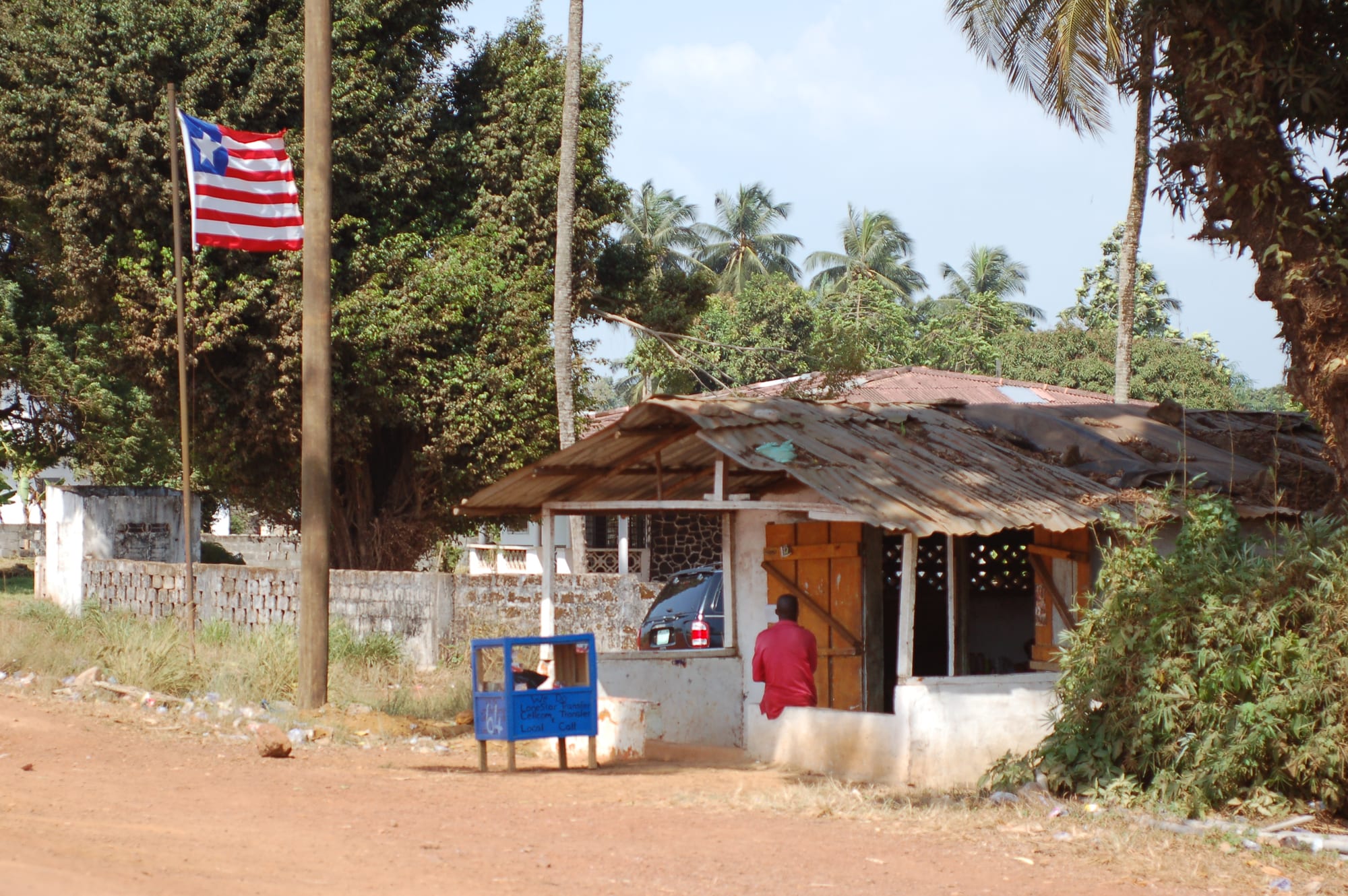
Several national days reflect the American roots of the Liberian state. Independence Day falls on 26 July. National Flag Day, fixed on 24 August by an act of 1915, honours the single-starred national flag, and National Thanksgiving Day, on the first Thursday of November, has been a public holiday since an act of 1883. Decoration Day, established by an act of the legislature in 1916 on the second Wednesday of March, honours the nation's past heroes as well as each family's own dead, and each year the president issues a proclamation calling on the nation to observe it.
Marriage is a respected institution, and it is often described as a process rather than a single event. Liberian law recognises two kinds of marriage, customary and statutory. Among many of Liberia's peoples, bridewealth is paid by the groom's family over a long period, and the union is strengthened by the birth of children. Initiation into the Poro or Sande society prepares young people for this stage, teaching the skills expected of married adults. In a customary wedding, it is traditionally senior relatives of the groom, often an uncle, who come to ask for the bride's hand, and relatives of the bride who give it. The dowry usually includes money and kola nuts. Kola may be tied up in leaves for the bride to untie, then broken and shared between the two families as a sign of peace. Singing, dancing and gifts of money from well-wishers fill the occasion.
Funerals are among the most important events in Liberian life, in every religious community. They are as elaborate as a family can afford, and the whole sequence, from the first ceremonies to the burial, may continue for days or even weeks. Days of mourning, when women gather in the house to weep together, are followed by a wake and then the funeral itself. Close relatives wash and dress the body by hand, a duty that carries deep importance, and friends and family travel long distances to pay their respects, so the more widely a person was known, the longer the celebration lasts. Processions to the grave may be led by a band of trumpeters and drummers, and photographs of the dead are commonly taken and shared with relatives near and far. Behind all this lies a sense that the way the dead are sent off can affect the lives of those left behind. When a death comes unexpectedly or at harvest time, the body may be buried quietly and the full funeral, with its rituals, feasting and dancing, held later, sometimes years afterwards. Among the Grebo, dances have been held in the dry season to honour those who died in the past year. The same devotion shows each March on Decoration Day, when the care of the family grave becomes a public occasion.
Arts, crafts and music
Carved masks are among Liberia's best-known art forms. The Poro society of several peoples, including the Vai and Gola, uses a helmet mask called gbetu, with a long ringed neck and a small head at the top. The Sande society's helmet masks, often known as sowei, are carved with elaborate hairstyles and refined features that express ideals of female beauty. Women rarely wear masks elsewhere in West Africa, but Sande masks are made for and worn by women, and its masquerades embody the spirits that guide girls through each stage of initiation. Among the Dan, carved face masks are also associated with the Poro.
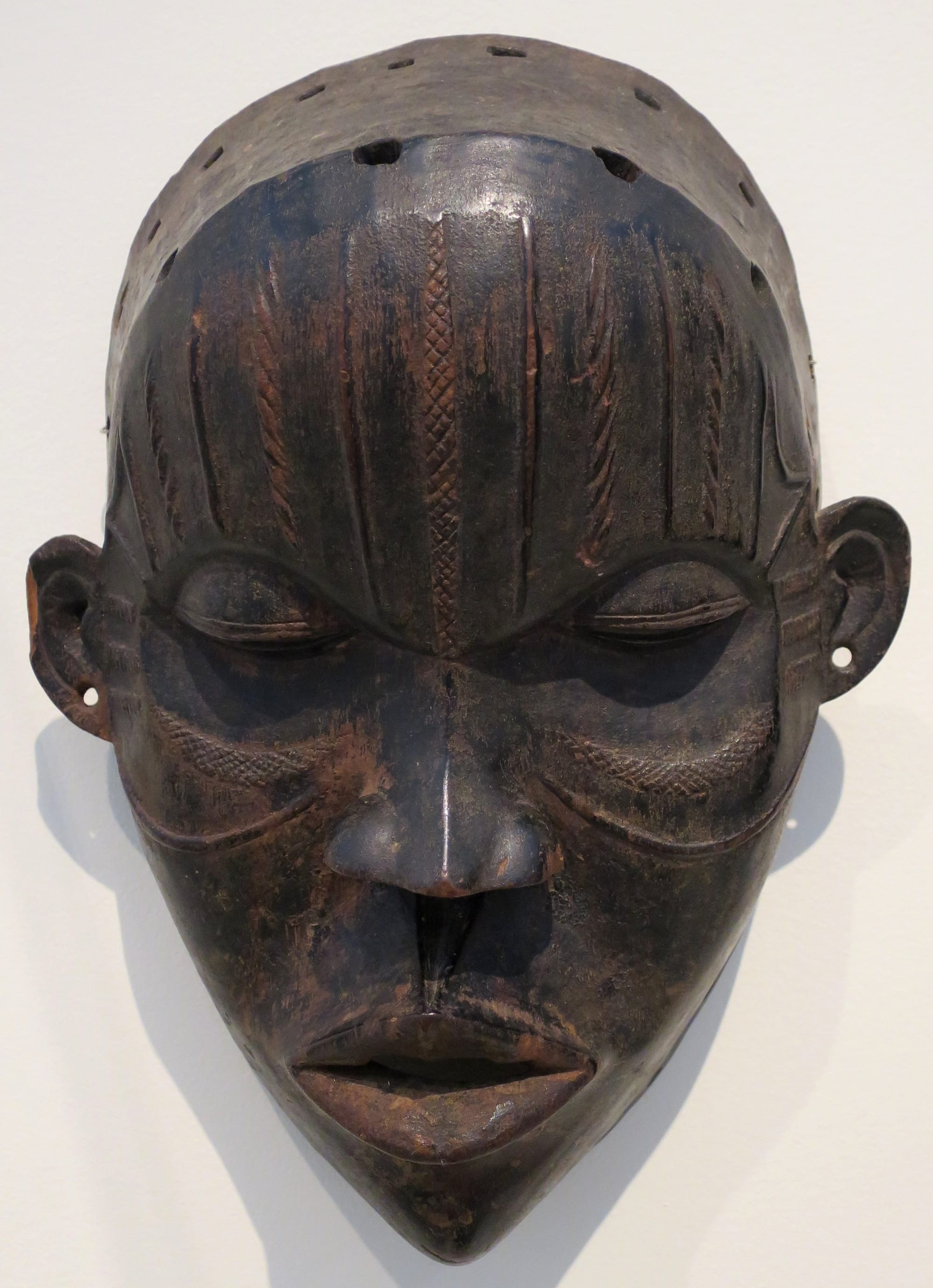
Beyond masks, Liberia's Indigenous arts include murals painted on the outside walls of buildings, pottery and weaving, and music and dance combine in community performances, from the masquerades of the initiation societies to the dances and brass bands that accompany the dead to their graves.
Dos and don'ts for visitors
- Do greet people with a handshake, and expect it to end with a snap of the fingers; walking past without a greeting is considered rude.
- Do accept an invitation to sit and talk for a few minutes; time spent together builds trust.
- Do show particular respect to elders.
- Do dress neatly and modestly, with skirts and dresses covering the knee, shorts kept for sport and flip-flops kept for home.
- Do expect direct questions about marriage and children, and take them as friendly interest.
- Don't pry into the affairs of the Poro and Sande societies; much of their knowledge is reserved for initiates.
- Don't assume friendliness across the sexes will be read as it would be at home, and keep displays of affection private.
- Don't smoke in indoor public places, workplaces or on public transport; the law prohibits it.
What to take away
In Liberia, courtesy is measured in time and attention — a handshake for everyone, a moment to sit and talk, and a lasting loyalty to family, both the living and the dead.