Culture & Customs · Latvia
Latvia: Singing Through the Shortest Night
A mostly Christian country whose oldest customs still follow the sun, a firm handshake in place of small talk, and a people who keep their folk songs in a cabinet and their graves as carefully as their gardens
By Worldlore Editorial · 30 September 2026
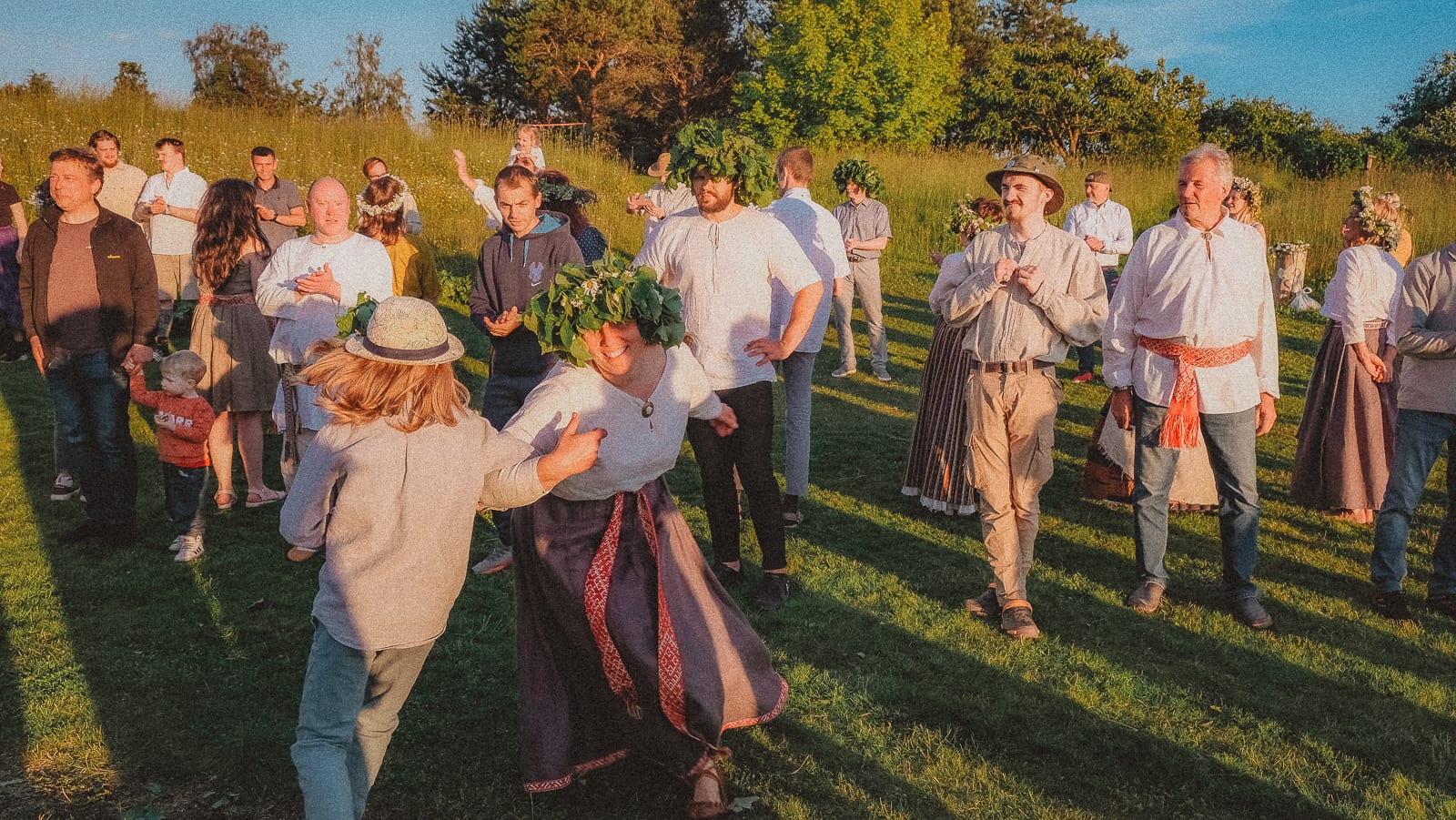
It is the evening of 23 June, and in farmyards, meadows and gardens across Latvia a bonfire is being built. The men wear heavy wreaths of oak leaves; the women wear crowns of wildflowers picked from the fields that afternoon. Houses and gates have been dressed with birch branches. As the light fades, someone starts a song, carried by the old refrain "līgo, līgo", and others take it up and pass it on. The fire has to be kept burning until sunrise, and by tradition people stay awake through the short night, singing until the sun comes up. The scene holds much of Latvian culture: an attachment to land and season older than the churches, a vast store of folk song, and a people reserved in public but wholehearted when the occasion is right.
Faith, identity and values
Latvia is a Christian country on paper and a quietly observant one in practice. According to Ministry of Justice figures cited by the US State Department, Lutherans form the largest group, at around 37 percent of the population, followed by Roman Catholics at 19 percent and Latvian Orthodox Christians at 13 percent, the last mostly native Russian speakers; almost three in ten people have no religious affiliation. Smaller communities include Old Believers, Baptists, Pentecostals and a small Jewish community. Older beliefs run beneath the Christian calendar. The festivals of the solstices and equinoxes, the symbols woven into costume and knitted into mittens, and the figures of folk song — Dievs, the sky god; Māra, the highest-ranking goddess, called the mother of cows; Laima, the goddess of fate — have never quite disappeared. In the 1920s a movement called Dievturība set out to reconstruct this folk religion from the dainas, the traditional songs. It was suppressed under Soviet occupation and renewed as a registered religious organisation in 1990, though its formal membership remains small, numbering several hundred people. Far more Latvians keep the old customs simply as tradition, without thinking of them as faith at all.
The Suiti, a small Catholic community in the largely Lutheran west, show how closely faith and identity can be bound. Their church was the pillar of their identity, and around it grew a culture of colourful costumes and a distinctive style of drone singing by women. UNESCO has placed the Suiti cultural space on its list of heritage in urgent need of safeguarding, because the tradition is fragile and needs support to survive.
Beneath all this sit a handful of values that shape behaviour. Latvians prize sincerity over polish: the Latvian Institute notes that small talk, wide smiles from shop staff and flattery from business partners are not to be expected, and what seems cool at first is better understood as straightforwardness. Closeness to nature is deeply valued. People tend to dress presentably even for a quick errand, speak quietly in public and dislike loud or disruptive behaviour. Silence in conversation is not awkward; a pause usually means someone is thinking.
Greetings and meeting people
The handshake is the standard greeting, and it is quick and firm, with direct eye contact. It is offered on arrival and again on leaving, and in a group each person is greeted in turn. Men in particular shake hands on most occasions, whether meeting a friend or a colleague. Latvians generally prefer a handshake to an emotional hug, and with acquaintances restraint is the norm.
In formal settings people are addressed by their surname with kungs for a man or kundze for a woman, and professional titles carry weight. First names follow once they are offered, not before. A few words go a long way: "paldies", thank you, is used generously; "visu labu", all the best, is a polite goodbye to a stranger; and among friends the casual greeting is "čau", borrowed from Italian.
Punctuality matters. Arriving late for a meeting or an invitation can come across as disrespectful, and people generally keep to the time they have agreed. Latvians value meaningful conversation over small talk. Political subjects, especially those touching on language and the relationship between Latvian and Russian speakers, are best left alone unless a Latvian raises them first.
Name days are another part of social life. Latvia keeps an official calendar in which almost every date carries several first names, and an expert commission of the State Language Centre decides which names are added to it. Name days are widely celebrated in Latvia, marked not only at home but also at work, with congratulations from friends and colleagues.
Hospitality and being a guest
An invitation to a Latvian home is a sign of real friendship. Guests usually bring a small gift — flowers or chocolates are the most common — and something modest and thoughtful is preferred to anything showy. Flowers should be given in odd numbers, because even numbers are for mourning and are laid on graves and at funerals. Gifts are usually opened when they are received. Shoes are generally taken off at the door, especially in winter, when snow and mud would otherwise be carried inside.
At the table, guests wait for the host to sit them and to begin the meal. It is polite to eat what is served and to finish the plate, since leaving food can seem wasteful. Before eating, people wish each other "labu apetīti", enjoy your meal — a phrase used even to strangers who happen to be eating nearby. Meals are taken sitting down at a table; eating while walking or working is unusual. At a longer gathering, singing after the meal is a natural part of the evening, and a visitor may be encouraged to join in.
An invitation to a pirts, the Latvian sauna, is a gesture of trust. A traditional pirts is taken with branch whisks, sometimes under the guidance of a pirtnieks, a sauna master who leads the ritual.
Festivals and life's big moments
Midsummer, known as Līgo and Jāņi and held on 23 and 24 June, is the most important celebration of the year. Beyond the wreaths, the singing and the all-night bonfire, there are old customs still followed with enthusiasm: jumping over the fire, gathering herbs in the morning dew, and eating caraway-seeded cheese with beer. At the winter solstice, some families still drag a log around the house or between neighbours' homes and then burn it, symbolically destroying the troubles of the old year, and the solstice log-pulling is said to mimic the path of the sun.
The seasons between are marked too. In November comes Mārtiņi, a feast at the end of the harvest, and through the winter masked mummers known as ķekatas visit neighbours, bursting in with songs and dances, demanding food and drink and bringing blessings and driving away evil spirits. At Easter, Latvians dye eggs with natural colourings, hold egg battles, and swing high on swings hung for the festival, a custom surrounded by old beliefs and accompanied by singing.
National days carry deep feeling. On 4 May, the day independence was restored, many families mark White Tablecloth Day by gathering round a table with relatives and friends. On 11 November, Lāčplēsis Day, people place candles along the walls of Riga Castle and in other public places to remember those who fought for independence, and on 18 November, the day the republic was proclaimed in 1918, Latvians at home and abroad sing the national anthem together at the same hour.
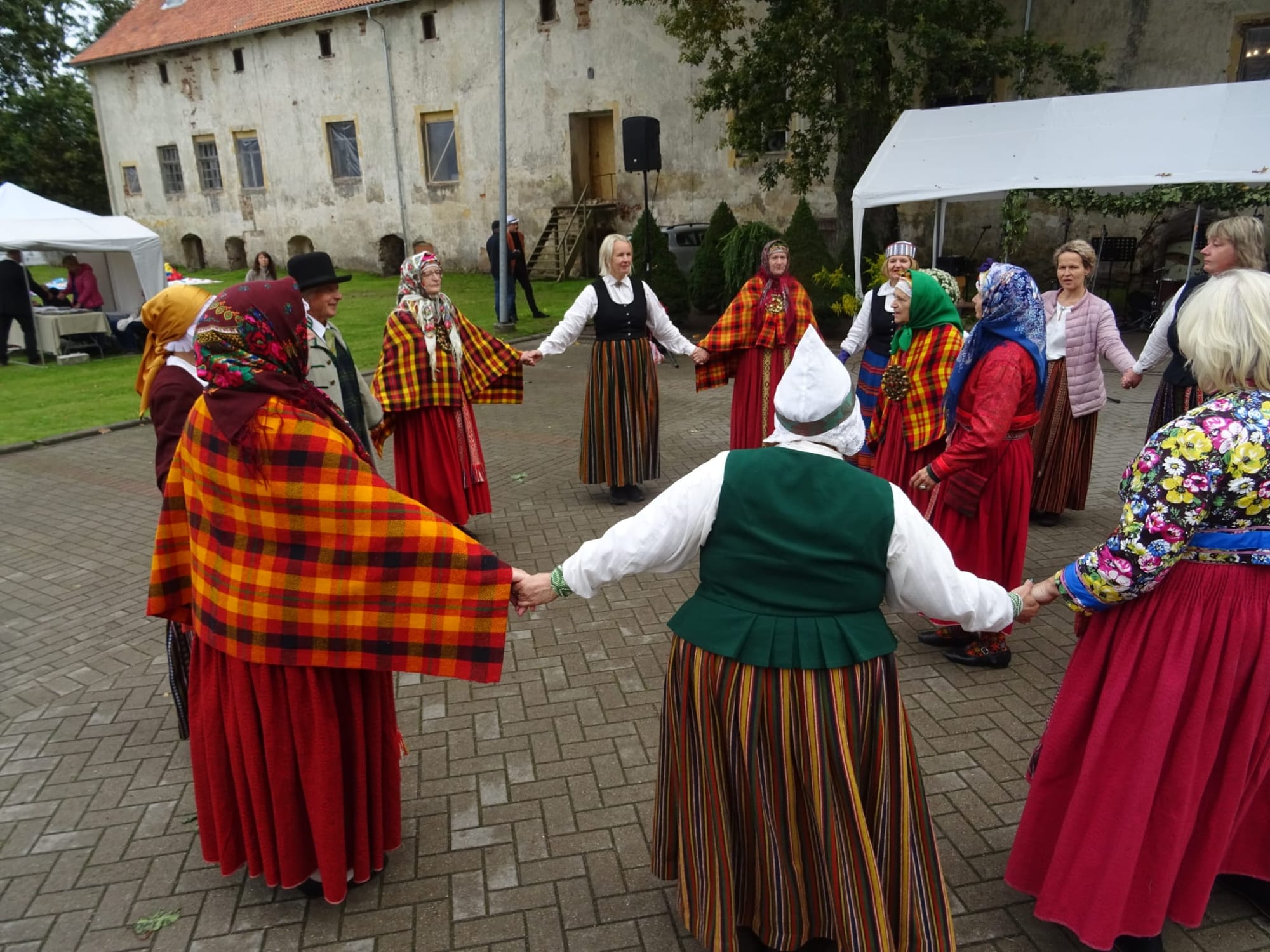
Life's turning points follow their own customs. At a traditional wedding, the midnight ritual of mičošana marks the bride's passage from daughter to wife, often led by a folk group performing the traditional songs. It echoes the old rule of dress by which unmarried women wore a wreath or crown and married women a bonnet, hat or shawl. Throughout the celebration, guests shout "rūgts!" — bitter — until the couple kiss. In the past, unmarried girls filled their dowry chests with hand-knitted mittens, socks and other textiles, whose colours and ornaments varied from region to region.
Latvians care for their dead with remarkable devotion. Graves are tended through the year, planted with flowers and raked so carefully that no footprints are left behind. Each summer, whole extended families travel back to their home districts for the cemetery festival, kapu svētki, which combines a religious service with a reunion of relatives and neighbours. In autumn comes svecīšu vakars, candle night, when candles are lit on graves across the country. At the end of a visit, some families symbolically rake away their own footprints.
Arts, crafts and music
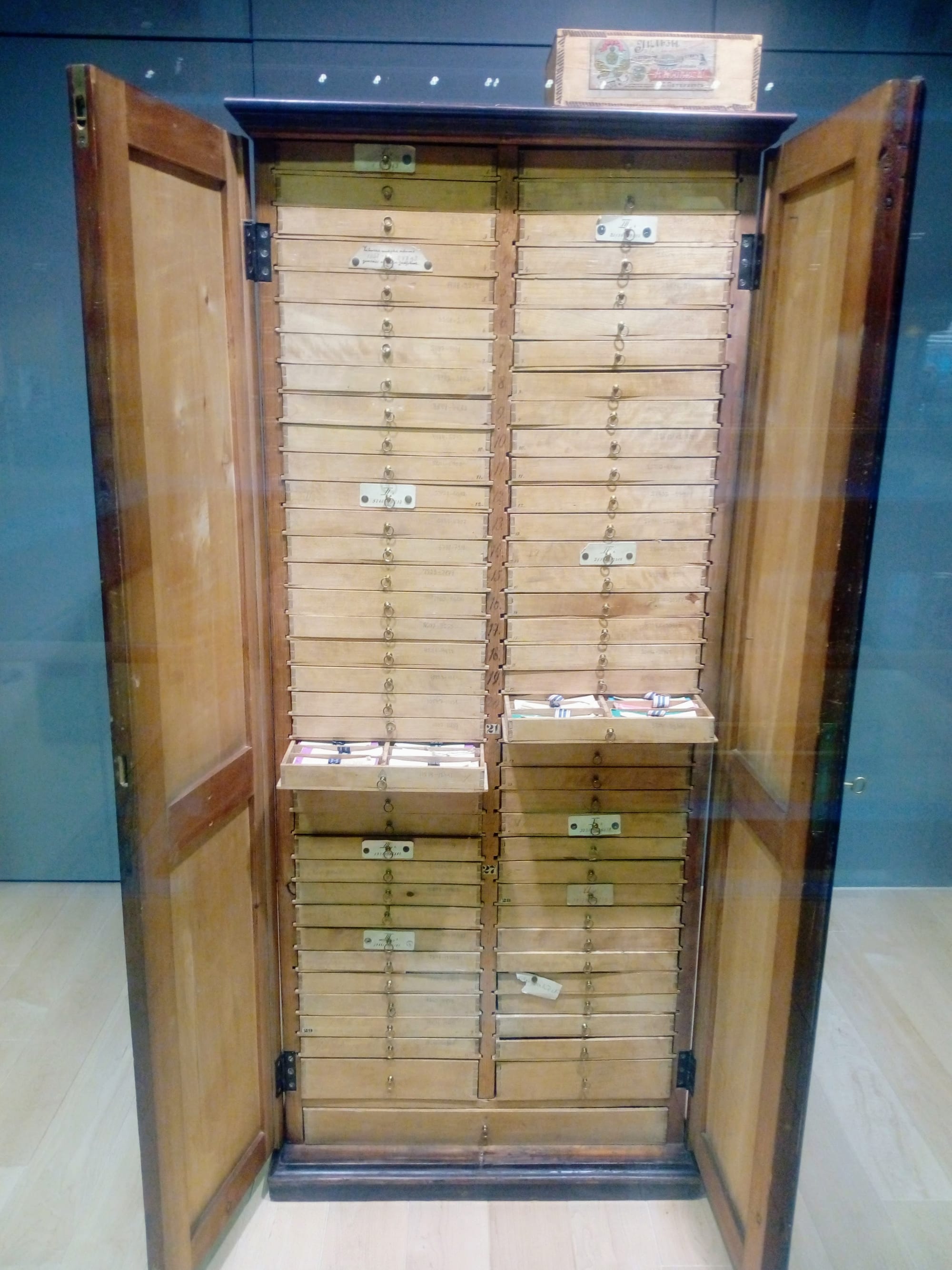
Song sits at the centre of Latvian culture. The dainas are short, unrhymed song-poems, often only two to four lines long, covering peasant work, the sun and the old gods, and every stage of life from birth to death. In the late nineteenth century, Krišjānis Barons gathered and ordered them as part of the national awakening, and he is still honoured as the "father of the dainas".
That love of song finds its fullest expression in the Song and Dance Celebration, a tradition dating back to 1873 and now held every five years, inscribed, together with its Estonian and Lithuanian counterparts, on UNESCO's list of intangible cultural heritage. Its choirs and dance groups are amateurs, many of whom rehearse throughout the year in community centres. Choral singing and folk dancing are genuinely popular pastimes: around 43,000 performers, some 2 per cent of the population, took part in the 2018 celebration. The kokle, a plucked string instrument with roots going back centuries, is still played today and features in the festival programme.
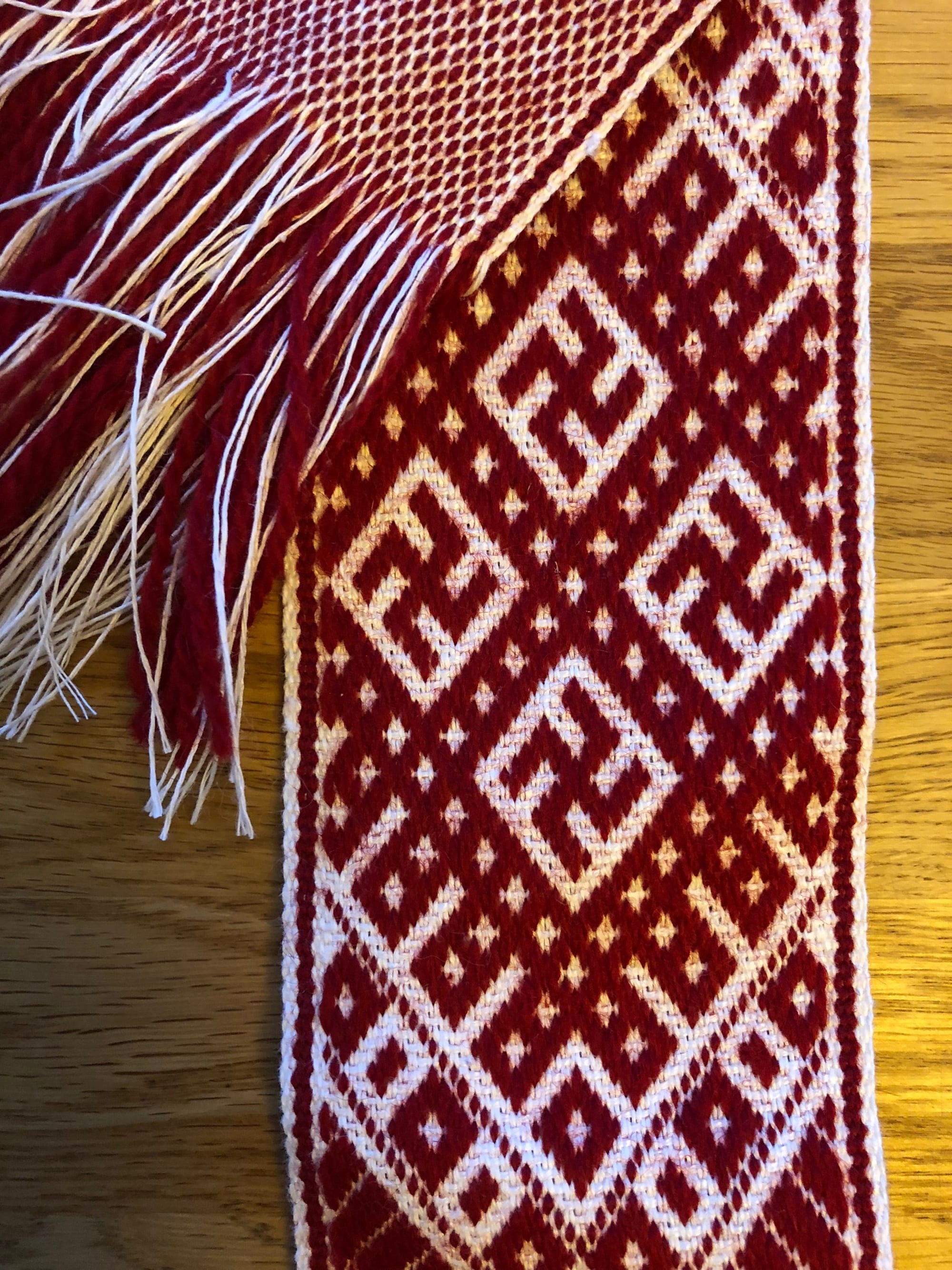
Crafts carry the same symbolic language as the songs. The Lielvārde belt, a red and white woven sash up to three metres long, is one of the national symbols; a skilled weaver needs around two and a half weeks of full days to make one. Knitted mittens bear patterns linked with old deities such as Jumis and Saule, the sun, and folk costumes vary from region to region, fastened with the metal brooch called a sakta and decorated with protective signs. Costumes are worn with pride at the song festival, at the solstices and on national holidays.
Dos and don'ts for visitors
- Do shake hands firmly, with eye contact, on arriving and leaving, and use surnames with kungs or kundze until first names are offered.
- Do arrive on time; lateness is easily read as disrespect.
- Do bring a small gift such as flowers or chocolates when invited home, and always give an odd number of flowers, since even numbers are for mourning.
- Do take off shoes at the door, especially in winter, and wait for the host before starting to eat.
- Do say "labu apetīti" before a meal and try to finish what is served.
- Don't mistake reserve for coldness, and don't force small talk or effusive praise.
- Don't raise politics, particularly questions of language, unless a Latvian brings them up first.
- Do treat carefully tended graves with respect, and leave flowers and candles on them untouched.
What to take away
Latvians may seem quiet at first meeting, but beneath the reserve lies a culture of song, ritual and loyalty to land and family that opens up readily to visitors who show patience, punctuality and respect.