History · Latvia
Latvia: Riga and the Baltic Crossroads
A Baltic people conquered by German crusaders and ruled for seven centuries by Swedes, Poles and Russians — two decades of independence between the wars, a Soviet half-century, and a return to Europe
By Worldlore Editorial · 19 September 2026
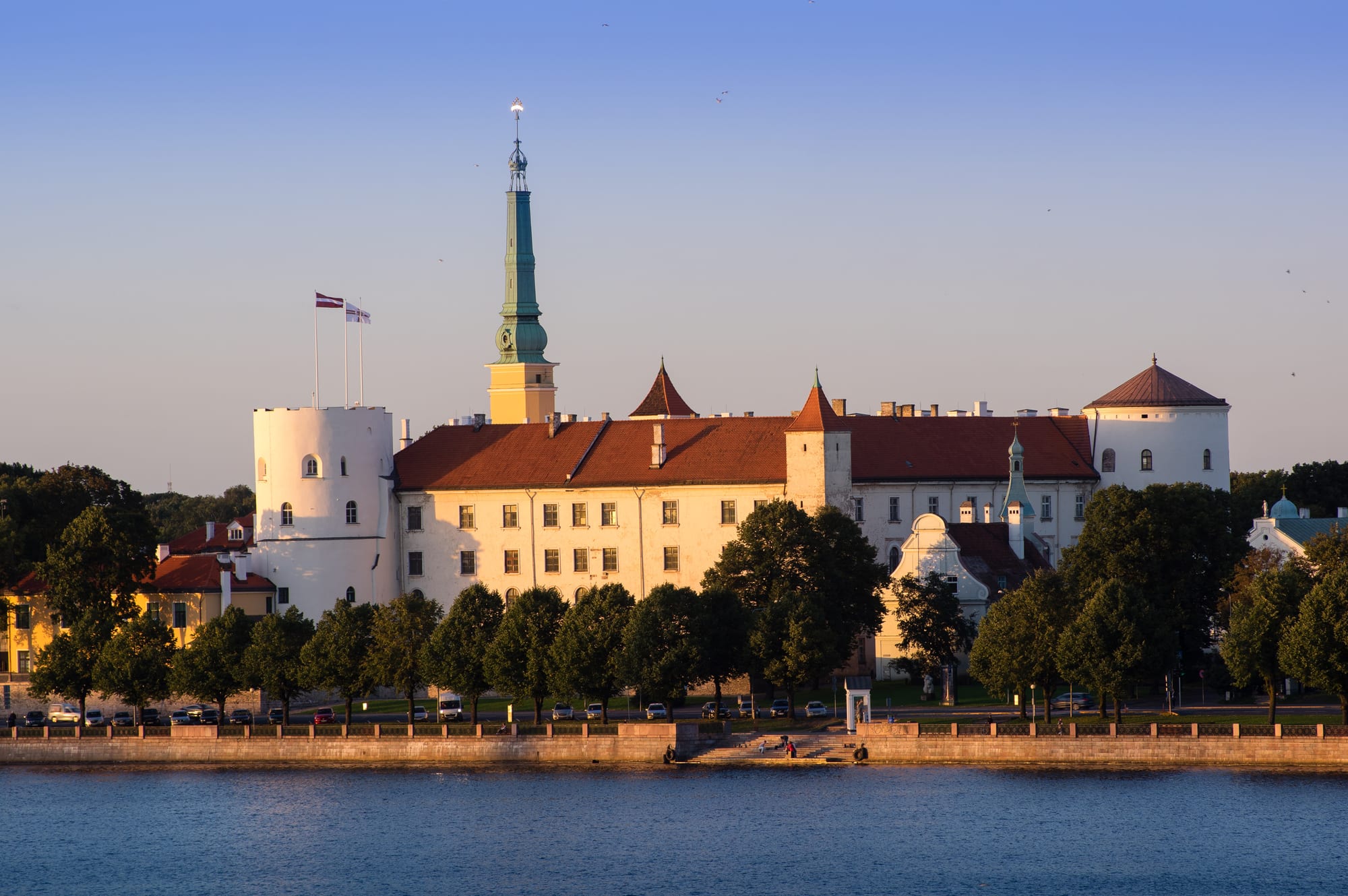
A small nation on an exposed shore
Latvia is the middle Baltic state, on the eastern shore of the Baltic Sea, with about 1.8 million people and a capital, Riga, that is the largest city in the region. The Latvians speak a Baltic language whose only living relative is Lithuanian, and for most of recorded history their land has been ruled by outsiders — German knights, Polish and Swedish kings, Russian tsars, Soviet commissars. Latvia has been independent for only about fifty years of the last eight centuries: the interwar decades, and the period since 1991.
A short history
- to c. 1200
Baltic tribes
Latgalians, Curonians and others; the Livonians on the coast.
- 1201
Riga founded
German crusaders and a bishop conquer and Christianise the land.
- 13th–16th centuries
Livonia
A German-speaking nobility rules Latvian peasants.
- 1621–1710
Swedish Vidzeme
Riga is the largest city in the Swedish Empire.
- 1710–1795
Russian Empire
All Latvian lands come under Russia by the end of the century.
- 1870s
The awakening
A Latvian literary language, press, and Song Festival.
- 1918–1920
Independence
Latvia declares statehood and wins its war of independence.
- 1940
Soviet annexation
Occupied under the Nazi–Soviet pact; deportations follow.
- 1941–1944
Nazi occupation
Latvia's Jewish community is almost entirely murdered.
- 1991
Restoration
Latvia becomes independent again as the USSR collapses.
Crusade and Livonia
The Latvian lands were home to Baltic tribes and, on the coast, the Finnic Livonians — pagan, stateless, trading amber. From around 1200, German crusaders and the bishop of Riga conquered and Christianised the region, calling it Livonia. Riga, founded in 1201, joined the Hanseatic League and grew rich, while for seven centuries a German-speaking nobility and merchant class — the Baltic Germans — ruled over a Latvian peasantry.
The Livonian War of the 16th century broke the old order, and the Latvian lands were divided: Vidzeme in the north went to Poland and then Sweden, the Duchy of Courland in the west became a Polish vassal, and Latgale in the south-east stayed Polish and Catholic.
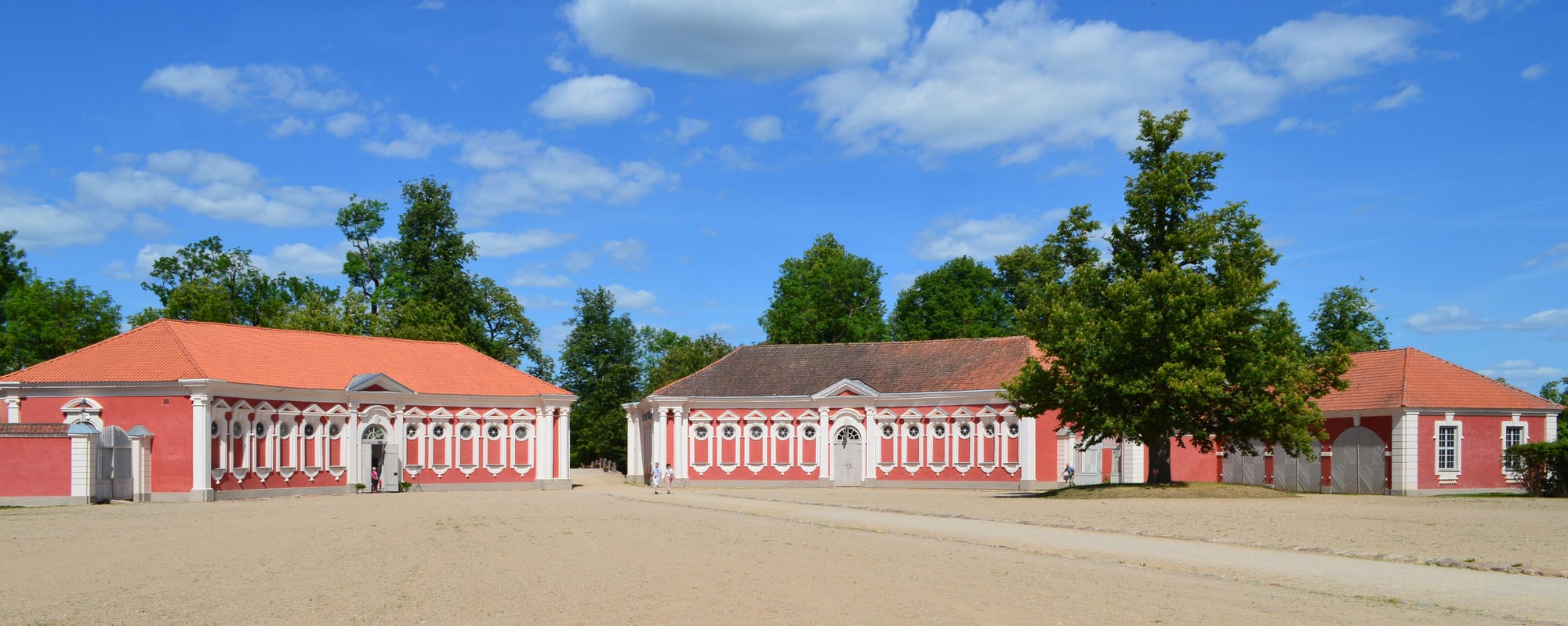
Awakening and independence
Serfdom was abolished early in the 19th century, but without land. From the 1850s a Latvian national movement grew — a standard written language, the first Latvian-language newspapers, and, from 1873, the great Song Festival, alongside the collection of the dainas, the traditional four-line folk songs. Riga's rapid industrialisation created a Latvian working class, and the 1905 Revolution was especially fierce in Latvia.
The First World War devastated the country. Latvia declared independence on 18 November 1918 and then had to win it, in a three-cornered war against Soviet Russia and against German and Baltic German forces.
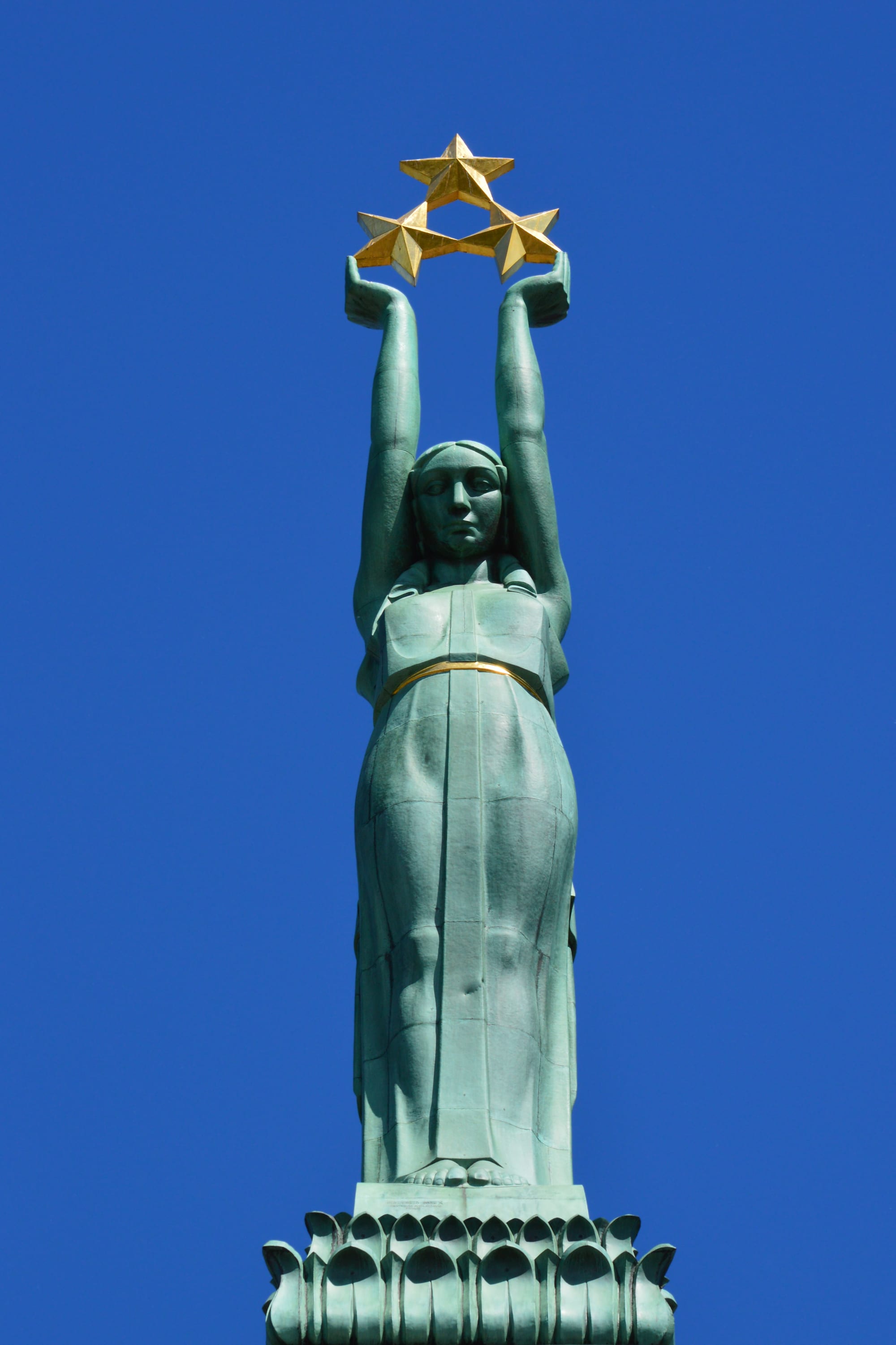
The interwar republic carried out a sweeping land reform, breaking up the German estates, and then, like its neighbours, took an authoritarian turn under Kārlis Ulmanis's 1934 self-coup.
Occupation
The Molotov–Ribbentrop Pact assigned Latvia to the Soviet Union, which occupied and annexed it in June 1940 and deported some 15,000 Latvians a year later. Nazi Germany then occupied Latvia from 1941 to 1944, and the Holocaust nearly wiped out the country's Jewish community — around 70,000 Latvian Jews were murdered, including some 25,000 shot in two days at Rumbula near Riga, with the participation of Latvian auxiliary units.
The Soviet decades
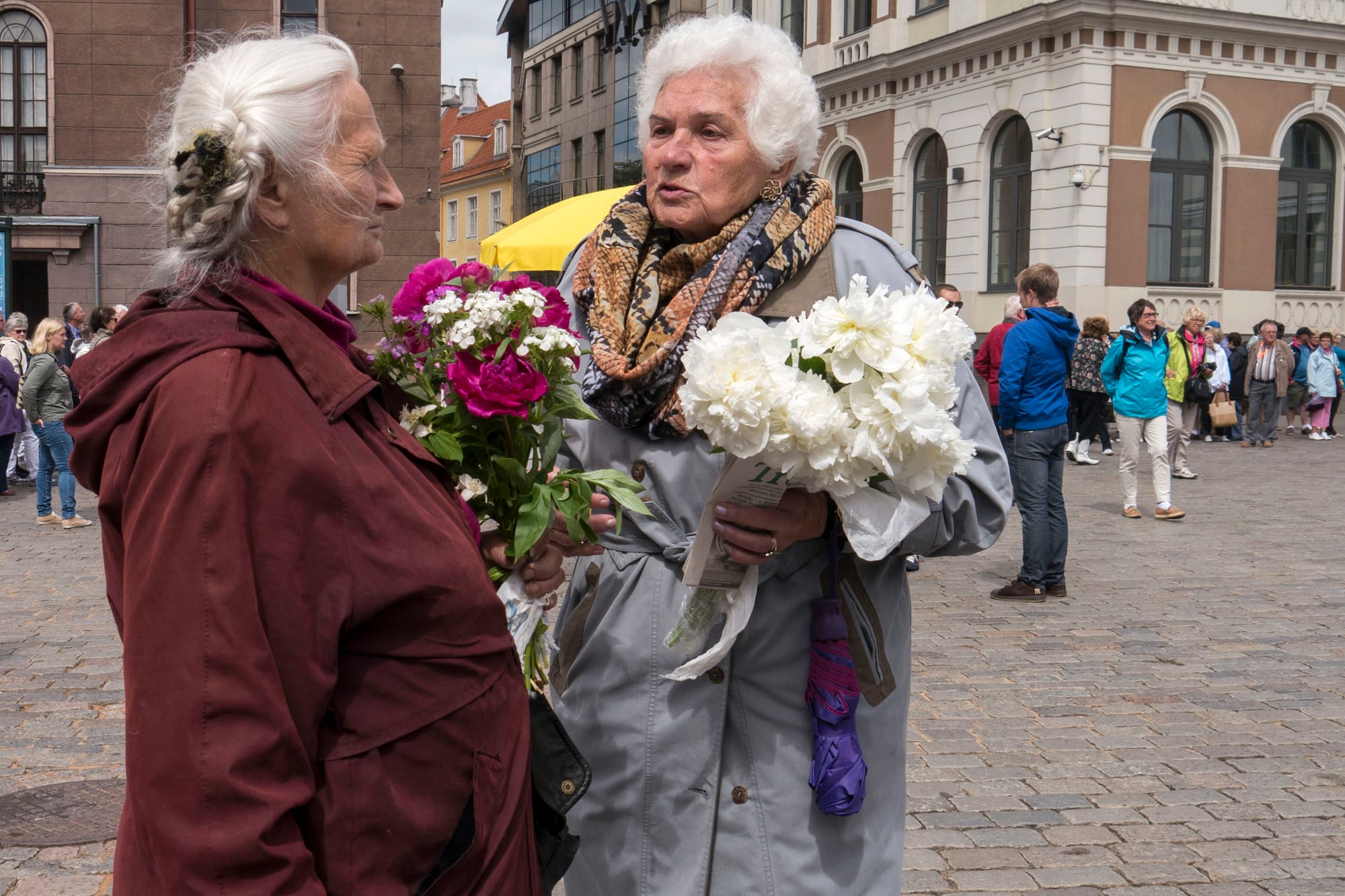
The Red Army returned in 1944–45. Post-war Soviet industrialisation brought heavy Russian-speaking immigration, cutting the ethnic Latvian share of the population from over three-quarters in 1935 to about half by 1989 — and making Riga a majority Russian-speaking city.
Restoration
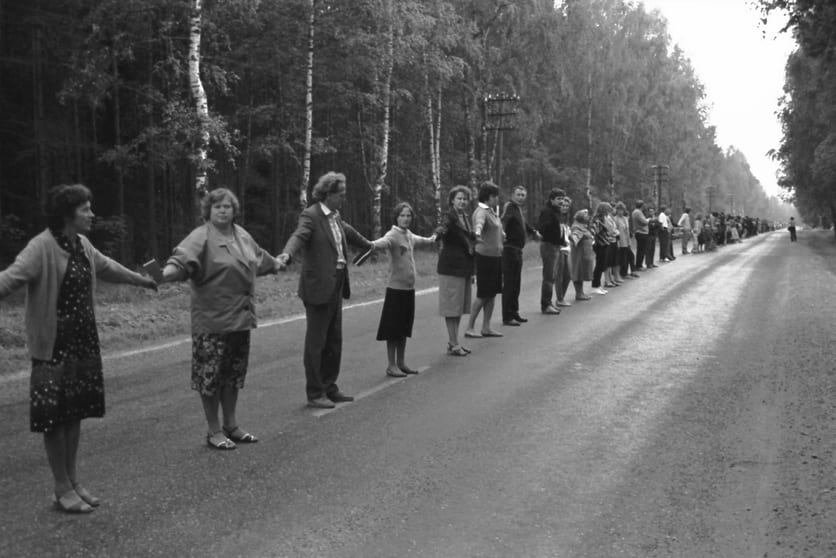
The "Awakening" of 1988–91 — the Popular Front, mass singing, the Baltic Way — led Latvia to declare the restoration of its independence, achieved on 21 August 1991 during the failed Moscow coup. The last Russian troops left in 1994.
Independent Latvia joined NATO and the EU in 2004 and the euro in 2014. Its citizenship rules left several hundred thousand mostly Russian-speaking residents as "non-citizens", a number since much reduced. The 2008–09 financial crisis hit Latvia harder than any other country in the world, followed by a sharp recovery, while emigration shrank the population by a third from its 1990 peak. Since Russia's 2022 invasion of Ukraine, Latvia has rearmed, reintroduced conscription, removed Soviet monuments, and taken a hard line on Russian-language media and schooling.
What Latvia carries
Latvia's history is that of a small people who kept their language and their songs through seven centuries under German, Swedish, Polish and Russian rule, and twice turned the collapse of an empire into a state of their own. The Soviet-era demographic shift, and the presence of a large Russian-speaking minority, remain the central domestic issue — and, since 2022, the central security one.