Food · Latvia
Latvia: Food and the National Dish
Grey peas and bacon, a genuinely protected regional crop, on a Baltic table built around rye bread more than any other single food
By Worldlore Editorial · 16 September 2026
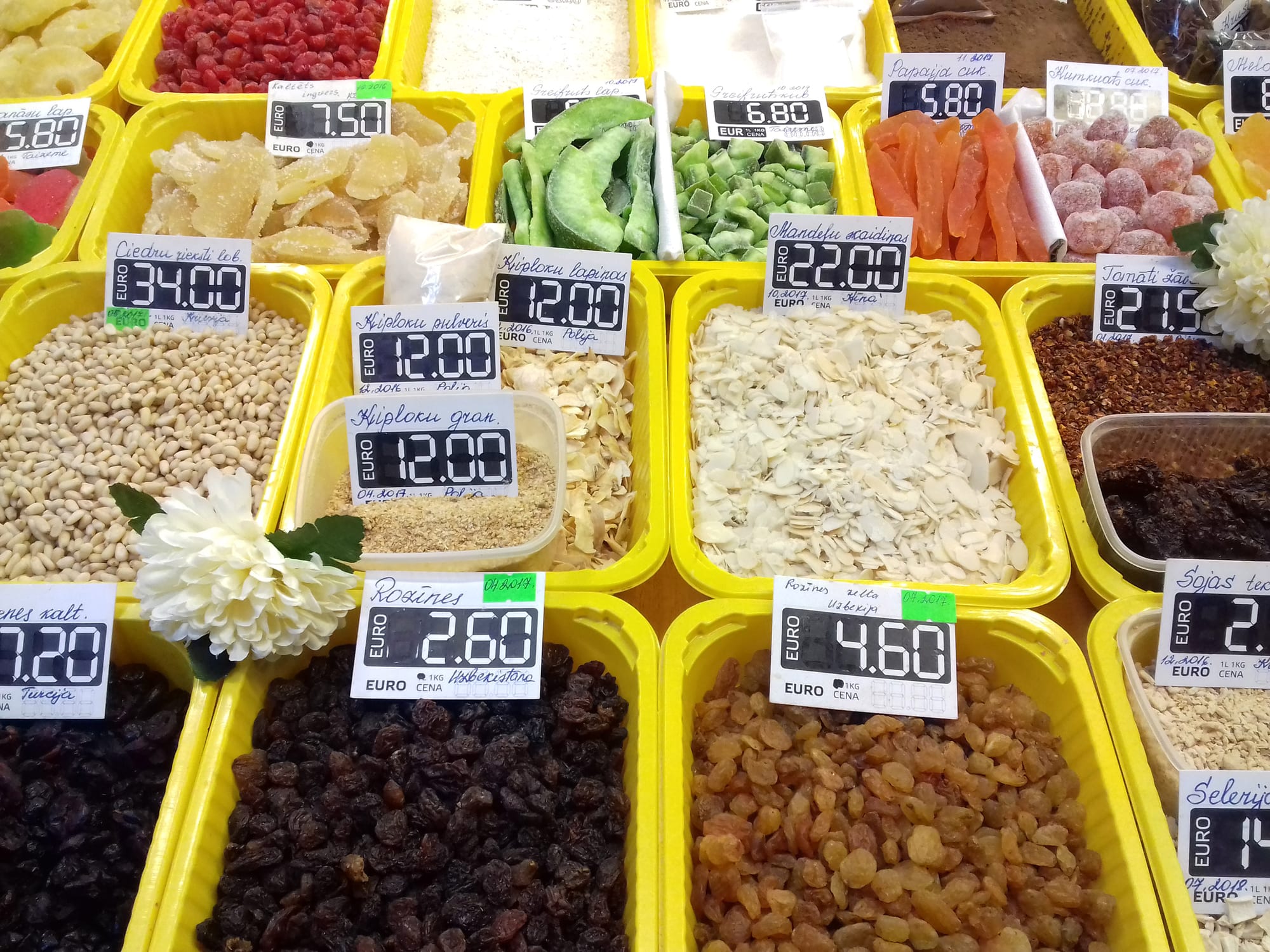
Simple Baltic farming food, eaten with real pride
Latvian food grew out of a farming and dairy economy suited to a cool Baltic climate, plain and unfussy by design: rye, potatoes, pork, dairy and foraged mushrooms and berries dominate a table built for getting through long winters rather than impressing guests. That same plainness is treated with genuine national pride rather than apology.
The national dish: grey peas with bacon
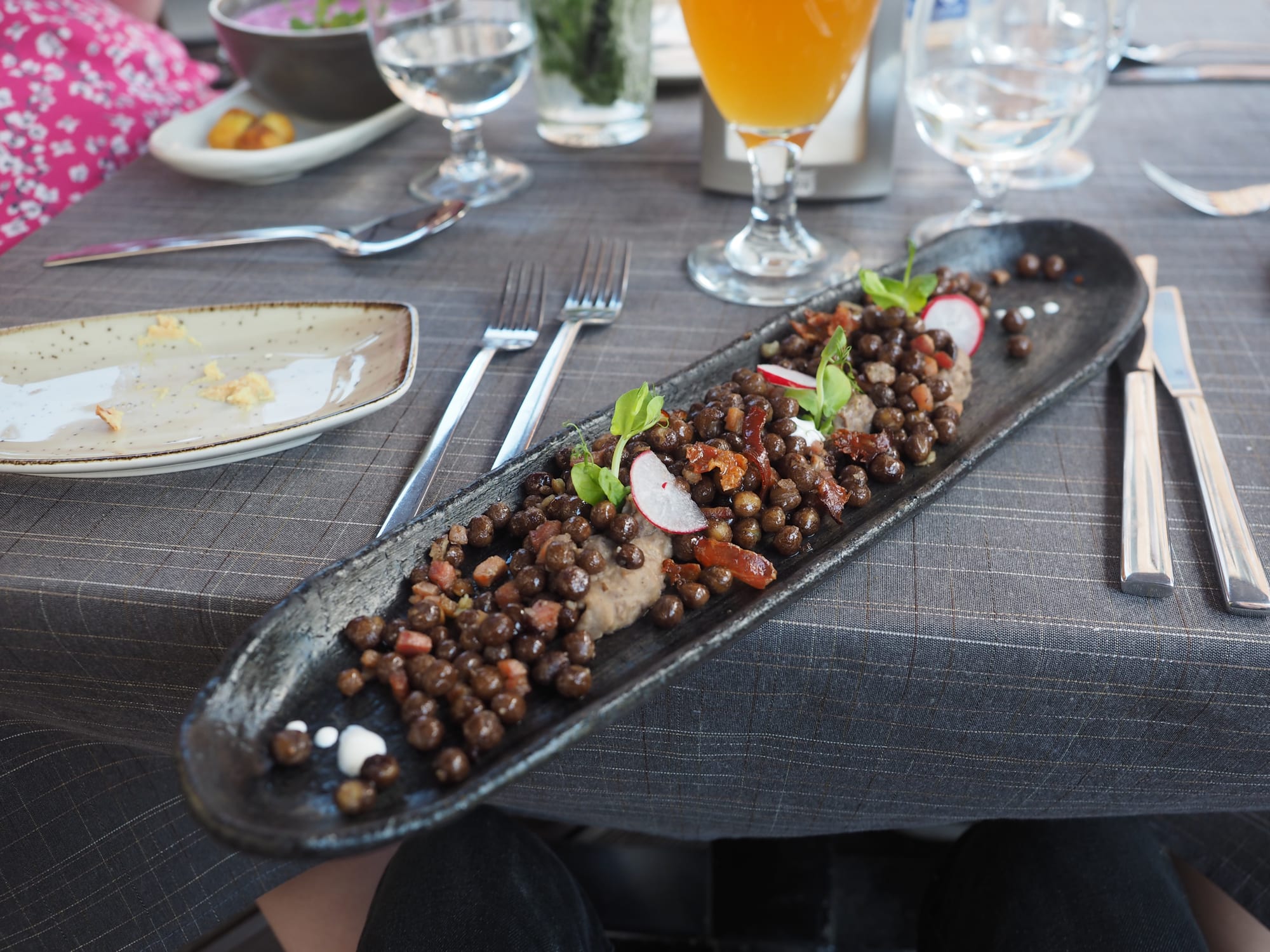
Grey peas with bacon (pelēkie zirņi ar speķi), grey field peas cooked until tender and served with fried bacon and onion, is Latvia's most widely recognised traditional dish, especially associated with the Christmas and winter table. The peas themselves, grown in Latvia and formally recognised with EU Protected Designation of Origin status in 2015, are treated as a genuinely distinct national crop rather than an interchangeable pulse.
Rye bread, dairy and the everyday pantry
Rupjmaize, a dense, dark rye bread, sits at the centre of the Latvian table more consistently than any other single food, eaten plain, topped, or worked into desserts. Dairy, particularly soured milk products and farmhouse cheese, along with potatoes, pork and foraged mushrooms and berries from Latvia's extensive forests, round out the everyday pantry.
History behind the plate
Latvia's food traditions reflect centuries as a predominantly rural, farming society, shaped further by periods of German, Swedish and Russian influence that each left smaller marks without displacing the older Baltic farmhouse foundation. Foraging for mushrooms and berries remains a genuinely widespread seasonal activity across Latvia today, not a rural relic, reflecting how directly the forest still supplies the table.
Dishes to know
Five more to recognise across Latvia:
- Rupjmaize kārtojums — a layered rye bread trifle with whipped cream
and fruit or berries, a distinctly Latvian dessert.
- Speķa pīrāgi — small savoury pastries filled with bacon and onion,
a beloved everyday snack.
- Skābputra — a fermented oat or barley porridge, a traditional
farmhouse dish.
- Kartupeļu pankūkas — potato pancakes, a simple, filling staple.
- Rasols — a Latvian potato salad with vegetables, egg and mayonnaise,
a common side at gatherings.
Drinks
Kvass, a mildly fermented rye bread drink, is a traditional Latvian and wider Baltic refreshment. Black Balsam, a bitter herbal liqueur produced in Riga since the 18th century, is Latvia's best-known traditional spirit, and Latvian beer has a long brewing tradition of its own.
Eating as a traveller
Vegetarians will find rye bread, potato dishes and dairy manageable, though pork and bacon appear in many traditional recipes including the national dish itself. Tap water is safe throughout the country. Visiting Riga Central Market, housed in converted early-20th-century Zeppelin hangars, is a genuinely good way to see the range of Latvian produce, bread and dairy in one place.
What to take from the table
Grey peas with bacon, plain and proudly protected by name, is the dish that best represents Latvian food — and a slice of rupjmaize alongside it is the truer everyday taste of what actually anchors the Latvian table.