Attractions & Natural Wonders · Latvia
Latvia: Eight Attractions and Natural Wonders
The largest collection of Art Nouveau architecture in the world, a river valley of sandstone cliffs and castles, a beach resort that entertained the Soviet elite, and a bog you cross on a raised walkway
By Worldlore Editorial · 9 September 2026
The middle Baltic state
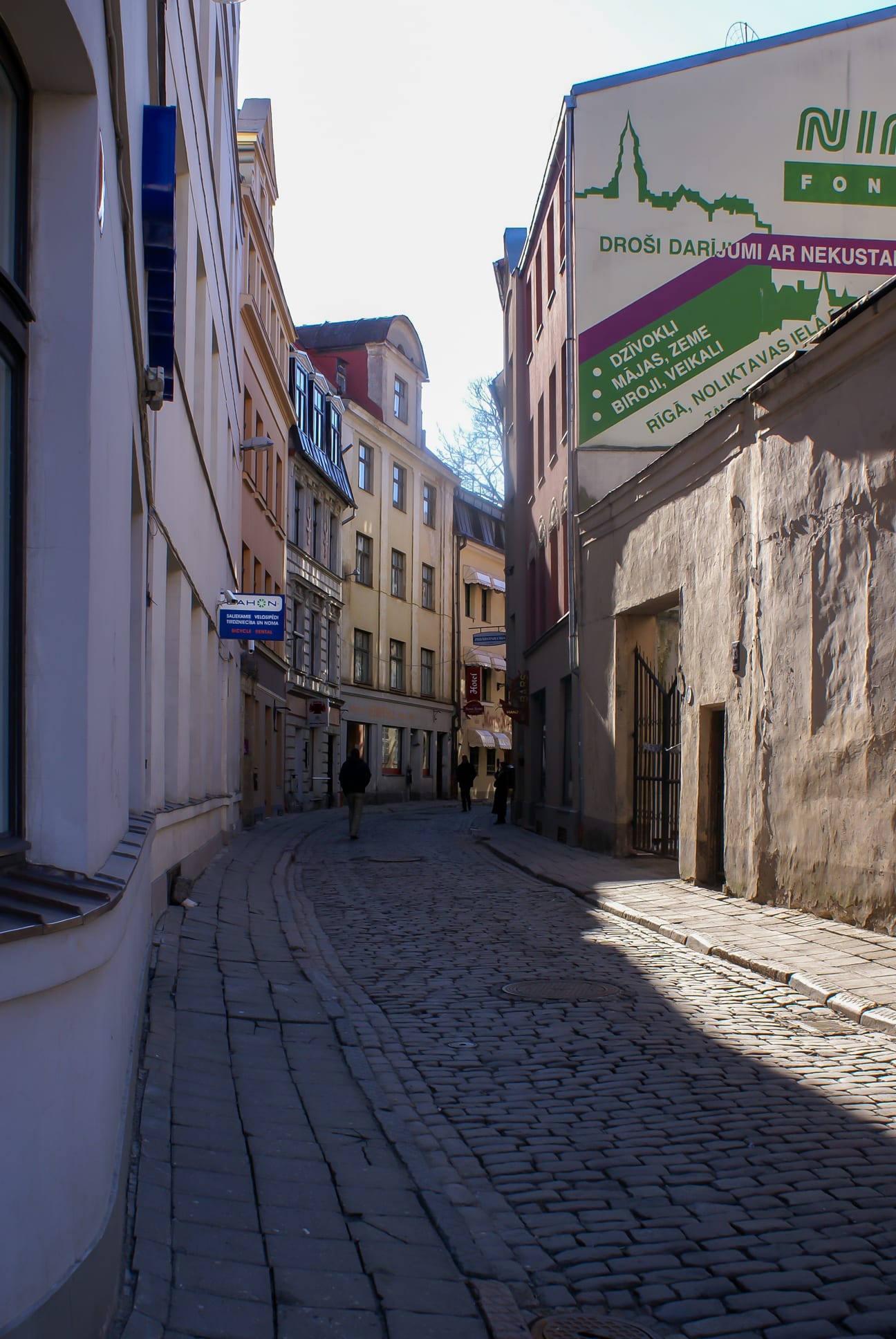
Latvia sits between Estonia and Lithuania on the Baltic Sea, with about 1.8 million people and a capital, Riga, that has long been the biggest and most cosmopolitan city in the region — a Hanseatic trading port that later became a showcase of Art Nouveau architecture. Away from the capital, Latvia is heavily forested, dotted with lakes, and cut by the Gauja river valley, with a long, mostly wild Baltic coastline.
The eight below centre on Riga and the nearby Gauja Valley, with the coast and a bog trail further out. Late spring to early autumn is best; the Gauja valley is especially good for the autumn leaves, and winter brings snow and Christmas markets to Riga.
1. Riga's old town
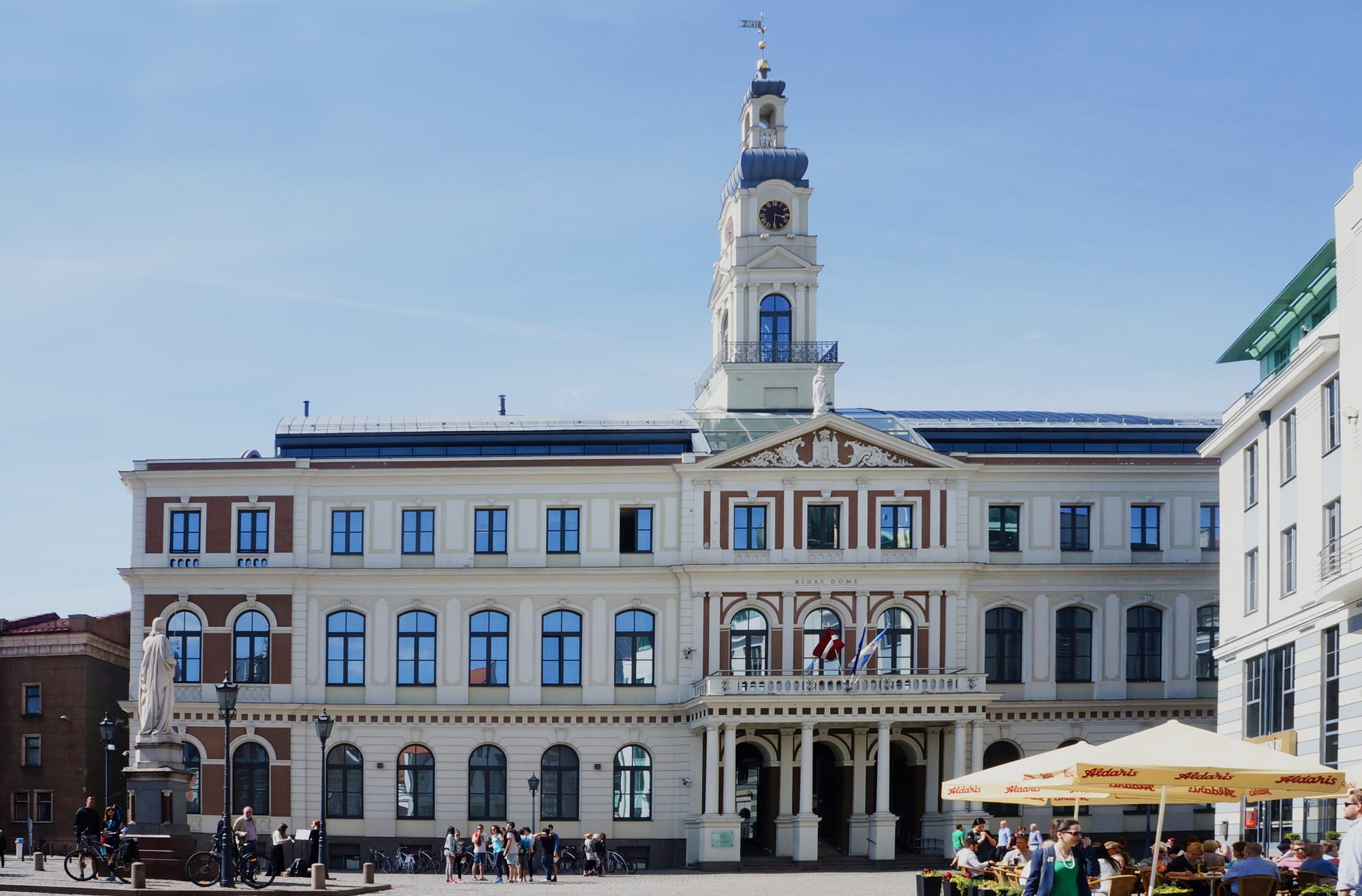
Riga's old town (Vecrīga), a UNESCO World Heritage Site, packs a millennium of Baltic history into a small peninsula: the Gothic Dome Cathedral, St Peter's Church (climb the tower for the view), the ornate House of the Blackheads, the Three Brothers row of medieval houses, and a lively Central Market set in former Zeppelin hangars. Cobbled lanes lead to riverside parks along the old city canal.
Two days covers the centre comfortably, with easy walks to the sights below.
2. Riga's Art Nouveau district
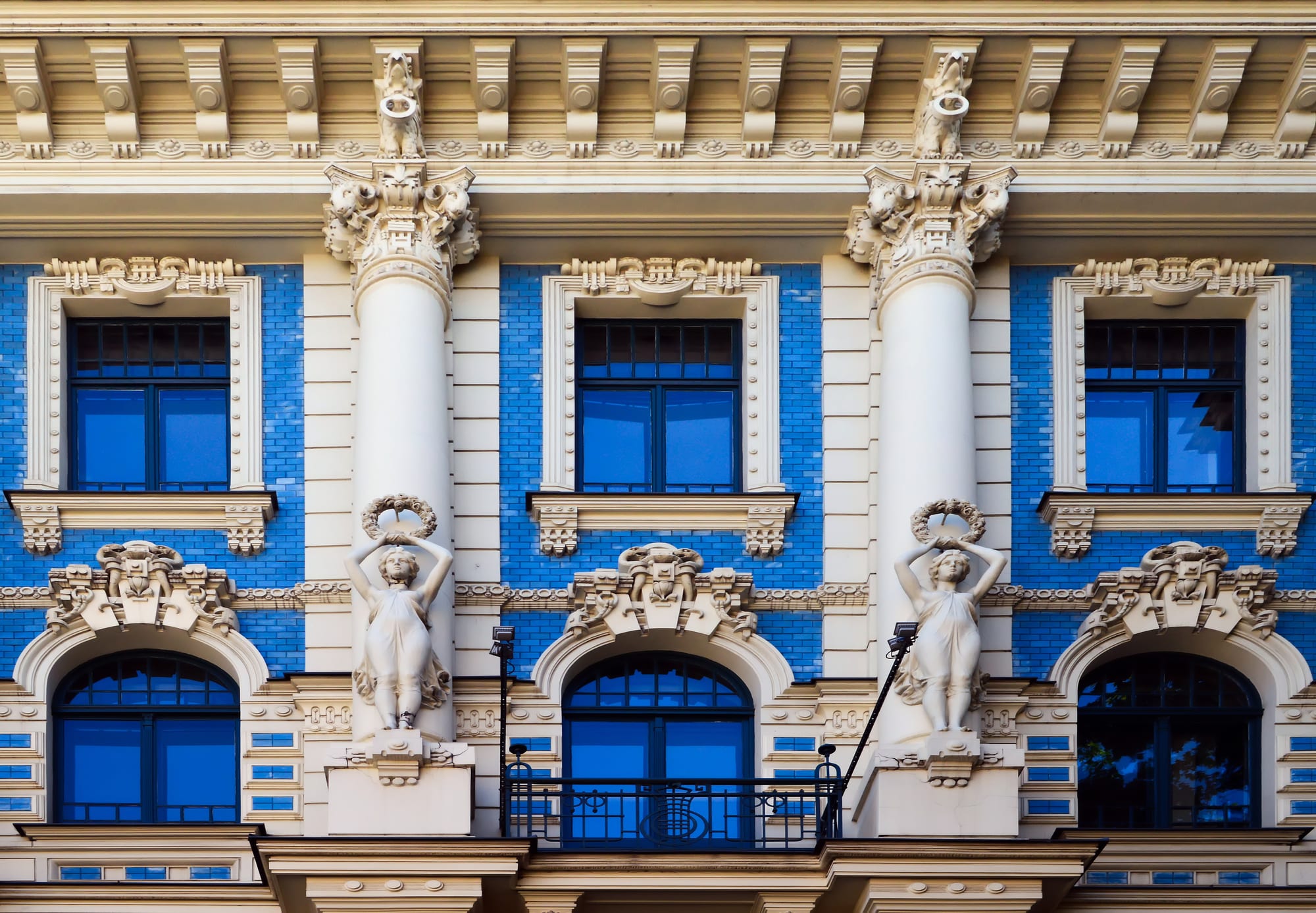
Beyond the old town, Riga has the largest and most varied collection of Art Nouveau (Jugendstil) buildings in the world — some 800 structures put up in a building boom around 1900, many by the architect Mikhail Eisenstein (father of the filmmaker Sergei). Alberta and Elizabetes streets in the "Quiet Centre" are the concentration to walk, with faces, peacocks, and sunbursts worked into stone and stucco.
The Riga Art Nouveau Centre museum, in a period apartment, gives the domestic context.
3. Gauja National Park and Sigulda
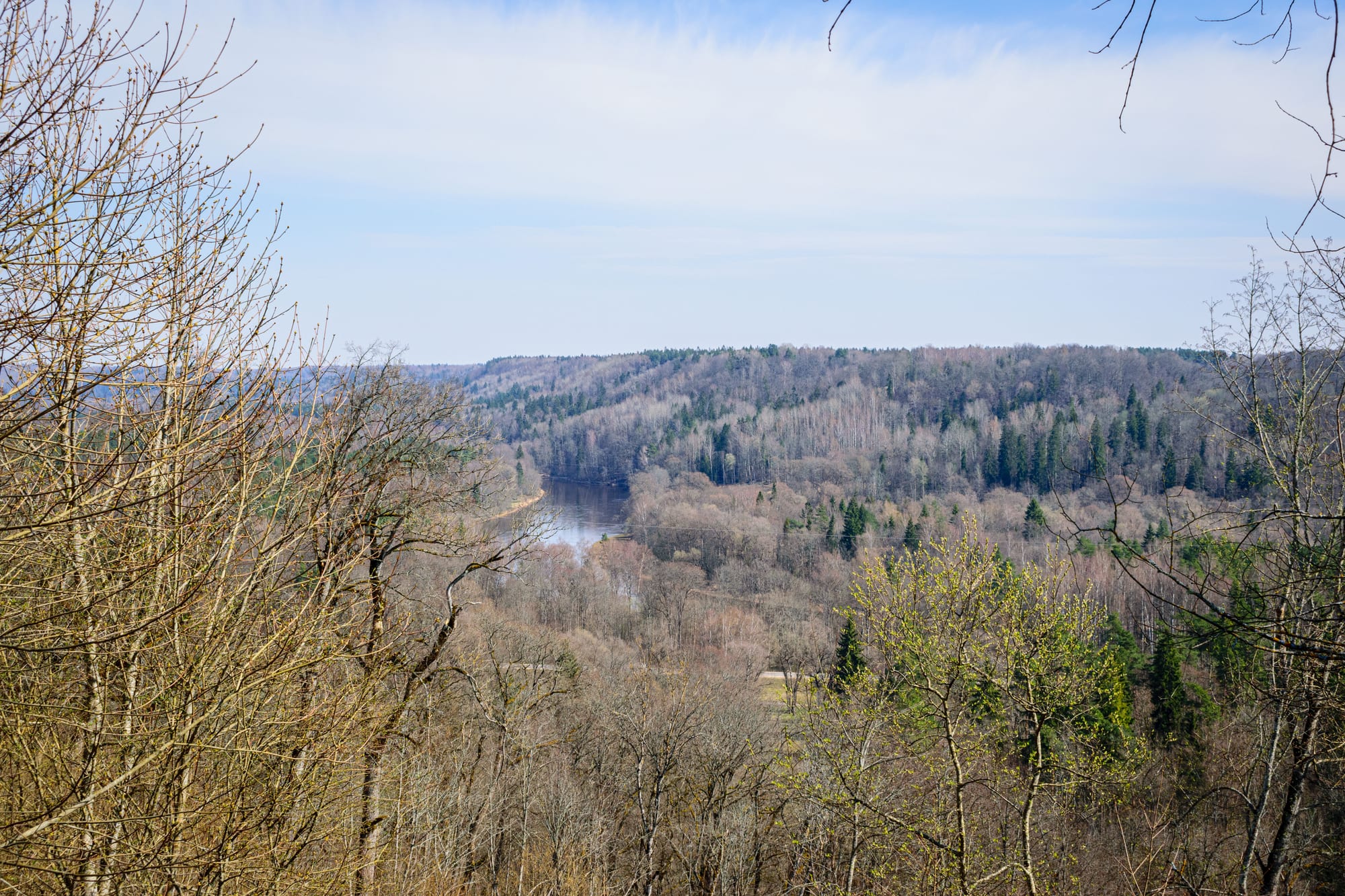
Gauja National Park, an hour from Riga, protects Latvia's largest river valley — forested hills, sandstone cliffs and caves, and a scatter of castles. Sigulda, the main base, has a cable car across the gorge, a bobsleigh track (built for the Soviet team, still open to visitors), and a bungee jump from the cable car itself. The Gūtmaņa cave, the largest in the Baltics, holds centuries of carved names and dates.
It is an easy day trip or overnight from Riga, and a hub for hiking and canoeing.
4. Turaida Castle
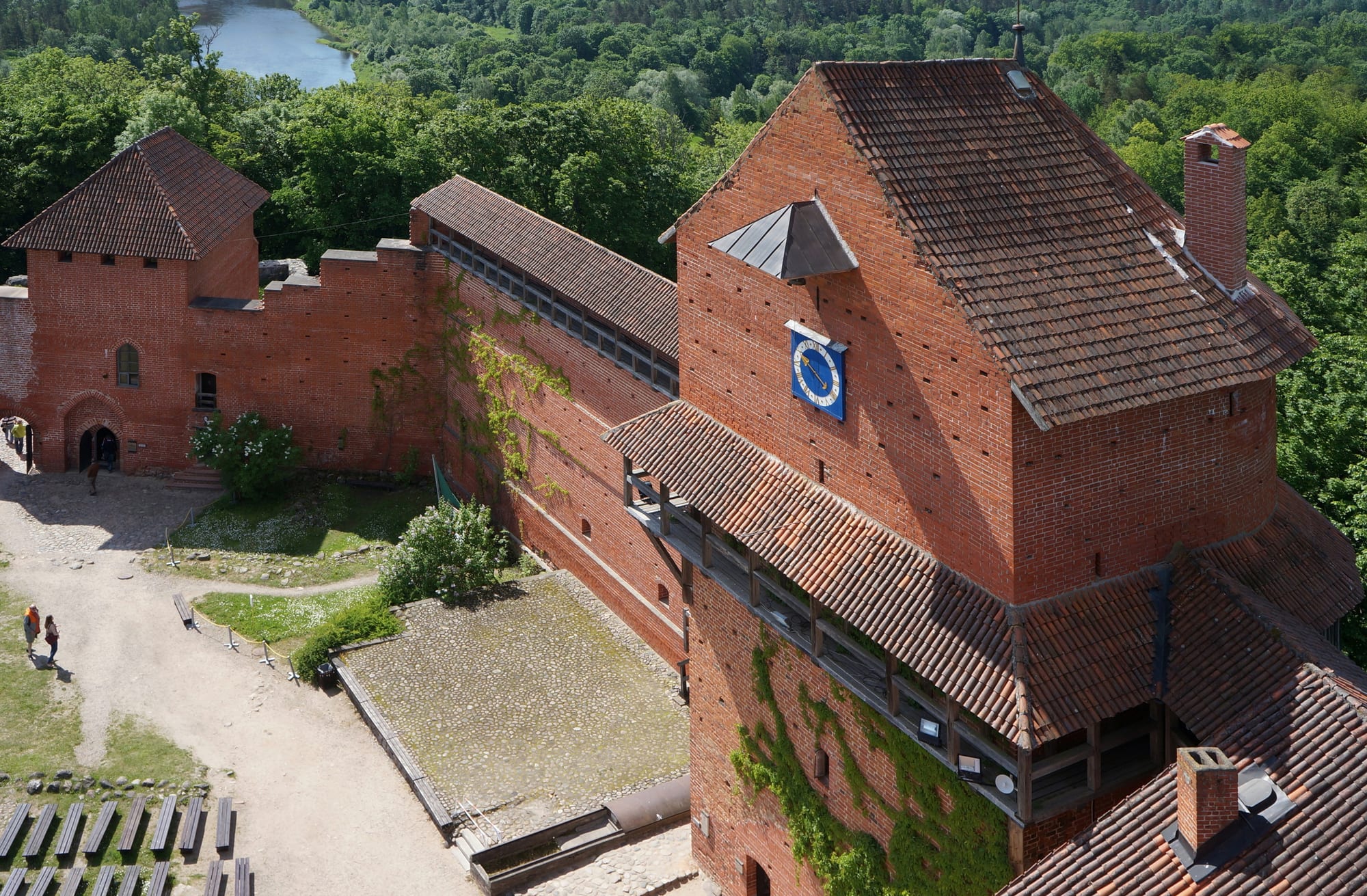
Across the valley from Sigulda, Turaida Castle is a striking red-brick medieval fortress, carefully restored after standing in ruin for centuries, with a museum reserve of sculpture gardens and folk-song hills around it. It is linked to the legend of the "Rose of Turaida", a young woman murdered here in the 17th century whose grave in the churchyard is still visited.
The castle tower gives the best view back over the Gauja valley.
5. Cēsis
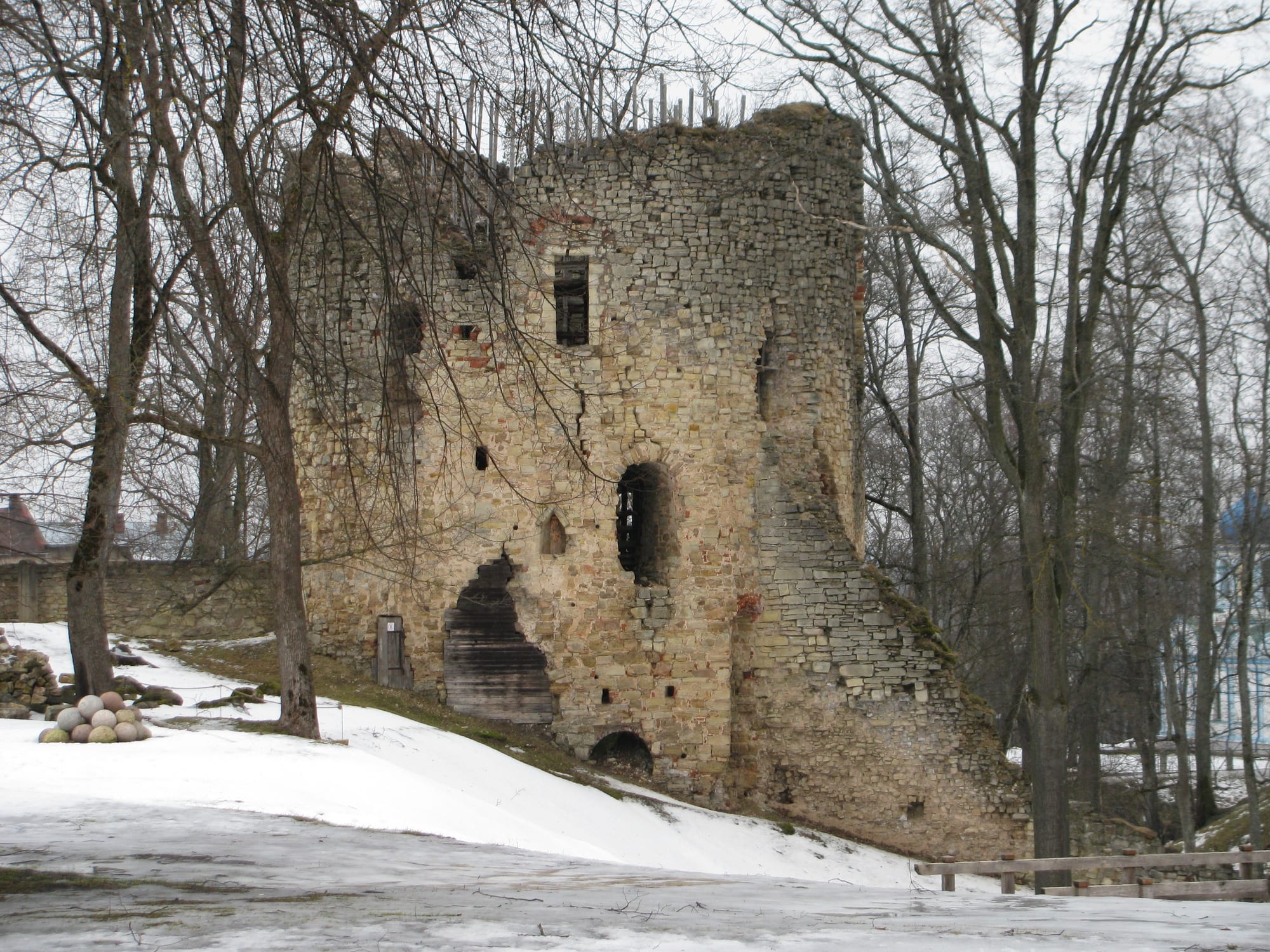
Cēsis, further up the Gauja valley, is one of Latvia's oldest and prettiest towns — a well-preserved medieval centre around the ruined castle of the Livonian Order, where visitors can explore the dark tower stairs by candle lantern. The newer castle next door houses a museum, and the surrounding parks and lake make for an easy stroll.
It is a good add-on to Sigulda and Turaida on a day through the Gauja valley.
6. Rundāle Palace
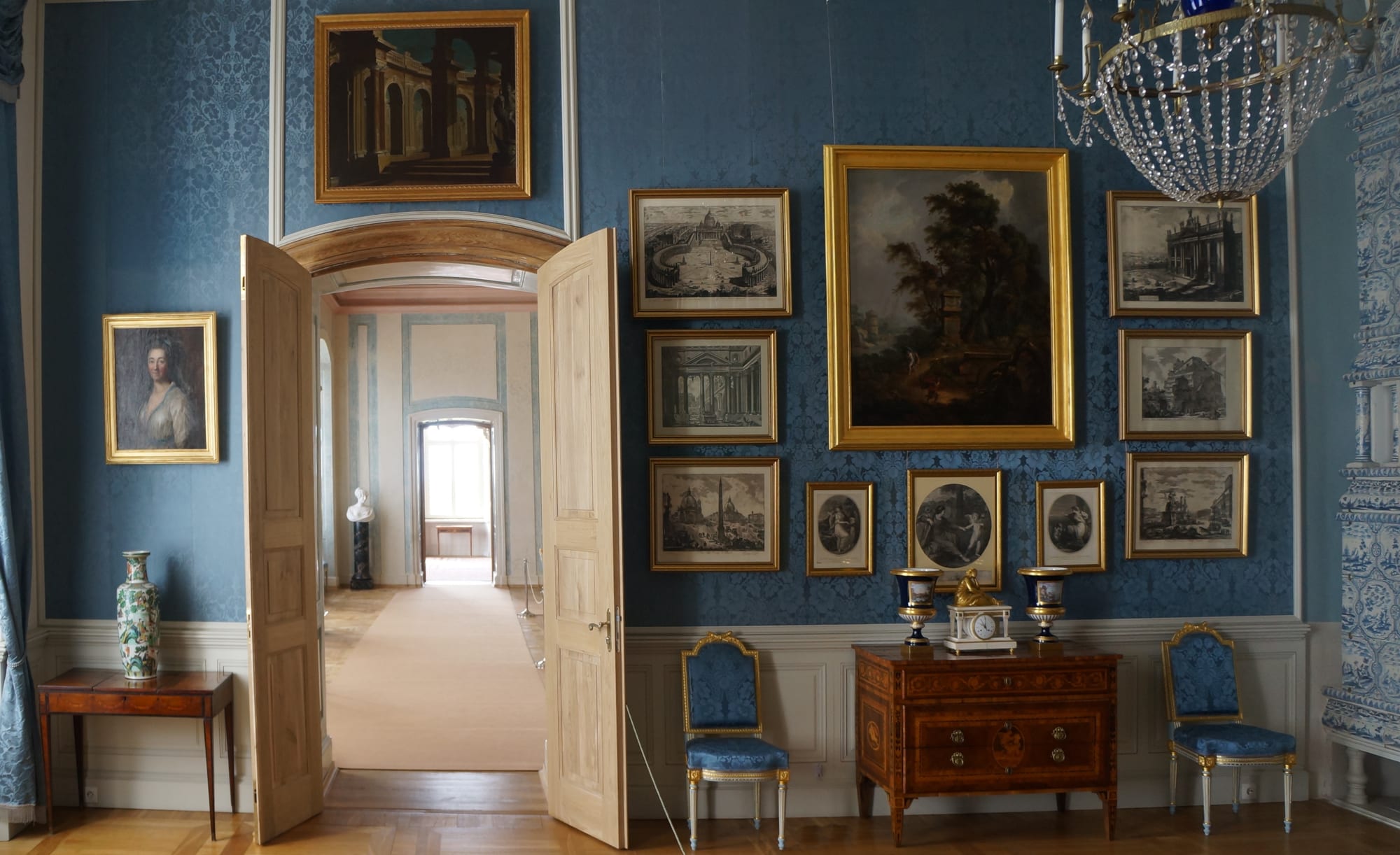
Rundāle Palace, in the southern Zemgale region, is Latvia's grandest building — a baroque and rococo summer residence built for the Dukes of Courland by Bartolomeo Rastrelli, the architect behind the Winter Palace in St Petersburg. Restored over decades after Soviet-era neglect, its state rooms (Gold Hall, White Hall) and formal French garden are the closest thing in the Baltics to a Versailles in miniature.
It is about 80 kilometres south of Riga, near the town of Bauska and its own castle ruin.
7. Jūrmala
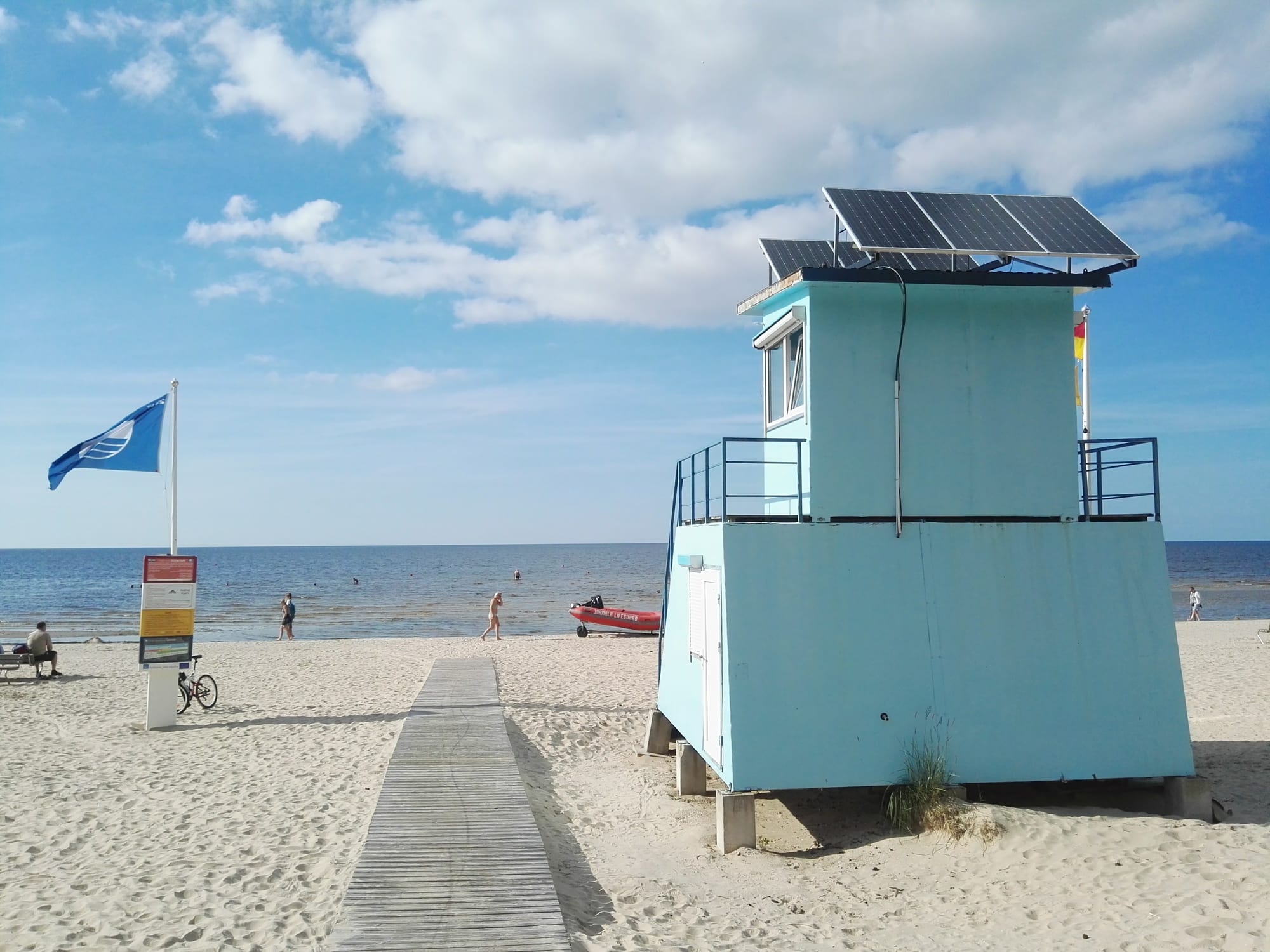
Jūrmala, a strip of small towns along 32 kilometres of white-sand beach just west of Riga, was the seaside retreat of the Soviet elite and remains Latvia's main resort — wooden villas in a distinctive local Art Nouveau style, spa hotels, pine forest, and a pedestrian promenade. It is easily reached by suburban train and makes a relaxed contrast to the capital.
Summer is busy; the pine-forest walks are pleasant in any season.
8. The Ķemeri bog
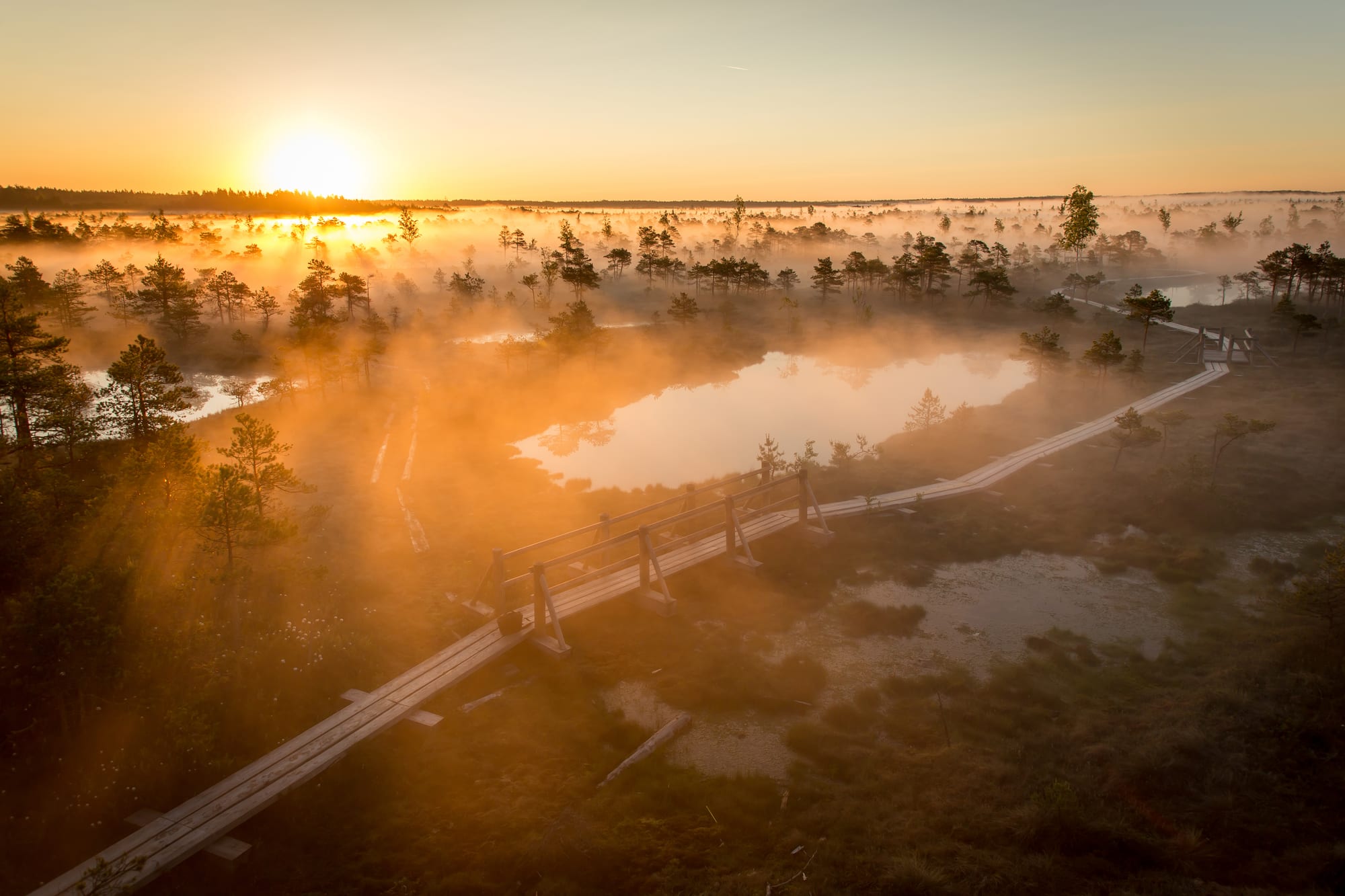
Ķemeri National Park, next to Jūrmala, protects the Great Ķemeri Bog — a raised peat bog dotted with hundreds of small pools, crossed by a raised wooden boardwalk about 3.5 kilometres long, with a viewing tower for sunrise or sunset over the flat, mossy expanse. The park also has sulphur springs that once fed a Soviet-era spa town.
It is an easy add-on to a Jūrmala day, especially early or late for the light.
Latvia suits a short trip: two or three days in Riga, with a day trip to the Gauja valley (Sigulda, Turaida, Cēsis) and a day to Jūrmala or Rundāle — about a week covers all eight comfortably.