History · Kyrgyzstan
Kyrgyzstan: The Mountain Republic
A nomad people of the Tian Shan with an epic half a million lines long — Russian conquest and the 1916 exodus, a Soviet republic, and three revolutions since independence
By Worldlore Editorial · 19 September 2026
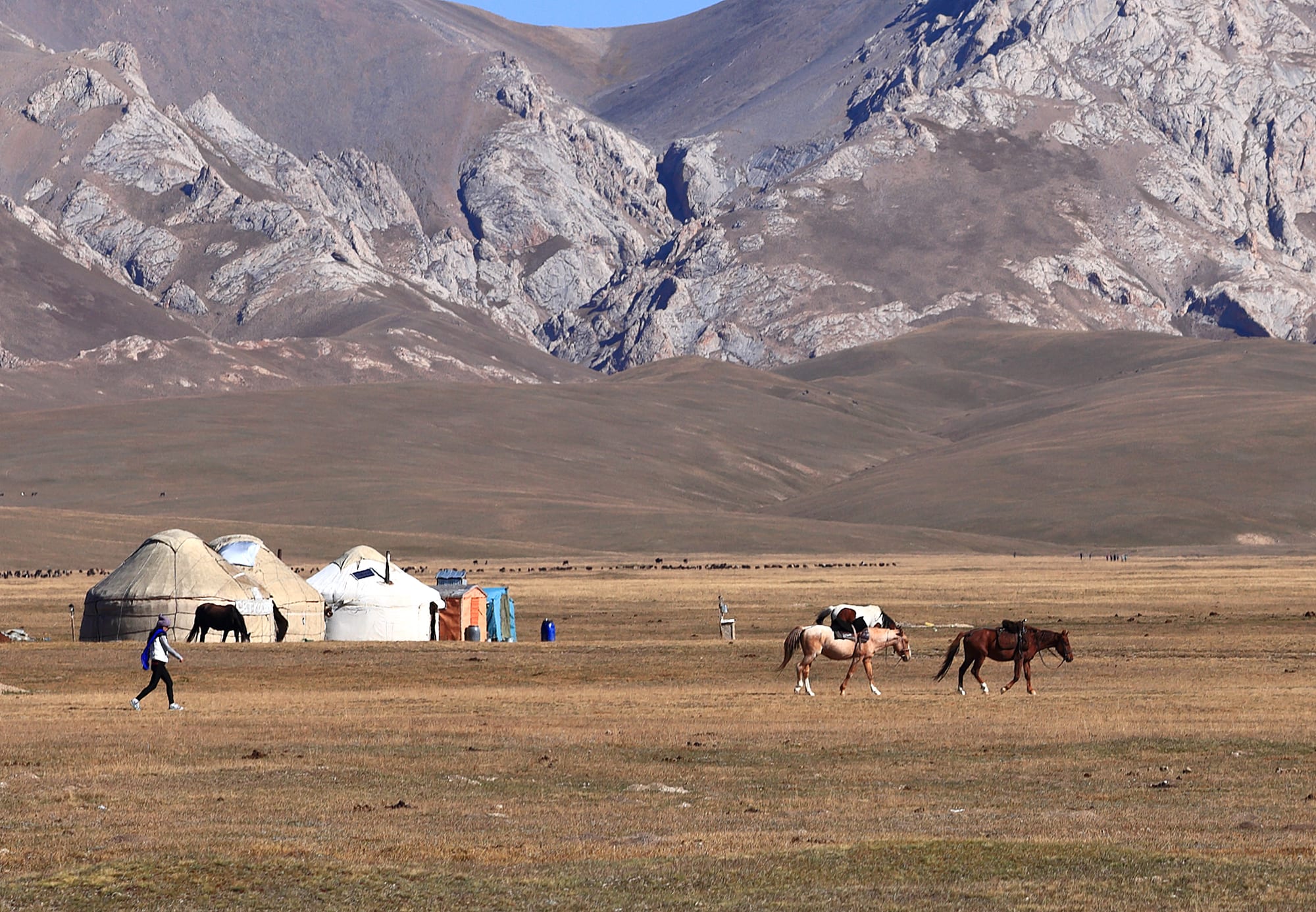
A small, high, volatile country
Kyrgyzstan is a landlocked knot of mountains in Central Asia — the Tian Shan and the Pamir-Alai — with about 7 million people, a capital, Bishkek, on the northern plain, and a large Uzbek minority in the southern Fergana valleys. It is poor, dependent on gold and on money sent home by roughly a million Kyrgyz working in Russia. And it is the most politically turbulent state in the region: since independence it has overthrown three presidents in the streets.
A short history
- from the 6th century BCE
The Yenisei Kyrgyz
An ancient Turkic people in southern Siberia.
- 840 CE
Steppe power
The Kyrgyz destroy the Uyghur Khaganate.
- 15th–17th centuries
Into the Tian Shan
Kyrgyz groups settle the mountains as nomads.
- 18th–19th centuries
Kokand
The Khanate of Kokand subjugates much of the region.
- 1850s–1876
Russian conquest
Kyrgyz lands are absorbed into Russian Turkestan.
- 1916
The Urkun
A revolt is crushed; tens of thousands die fleeing to China.
- 1936
The Kirghiz SSR
A full Soviet republic.
- 1991
Independence
Kyrgyzstan leaves the USSR.
- 2005 / 2010 / 2020
Three revolutions
Presidents are toppled by protest.
Nomads and an epic
The Kyrgyz are an ancient Turkic people, first recorded far to the north in the upper Yenisei region; after the Mongol upheavals, Kyrgyz groups migrated south into the Tian Shan, where they were established as nomadic herders by the 17th century, organised into tribes and wings. Their cultural anchor is the Manas epic — one of the longest oral poems in the world, at half a million lines, recited by specialist bards and telling of the hero Manas uniting the Kyrgyz.
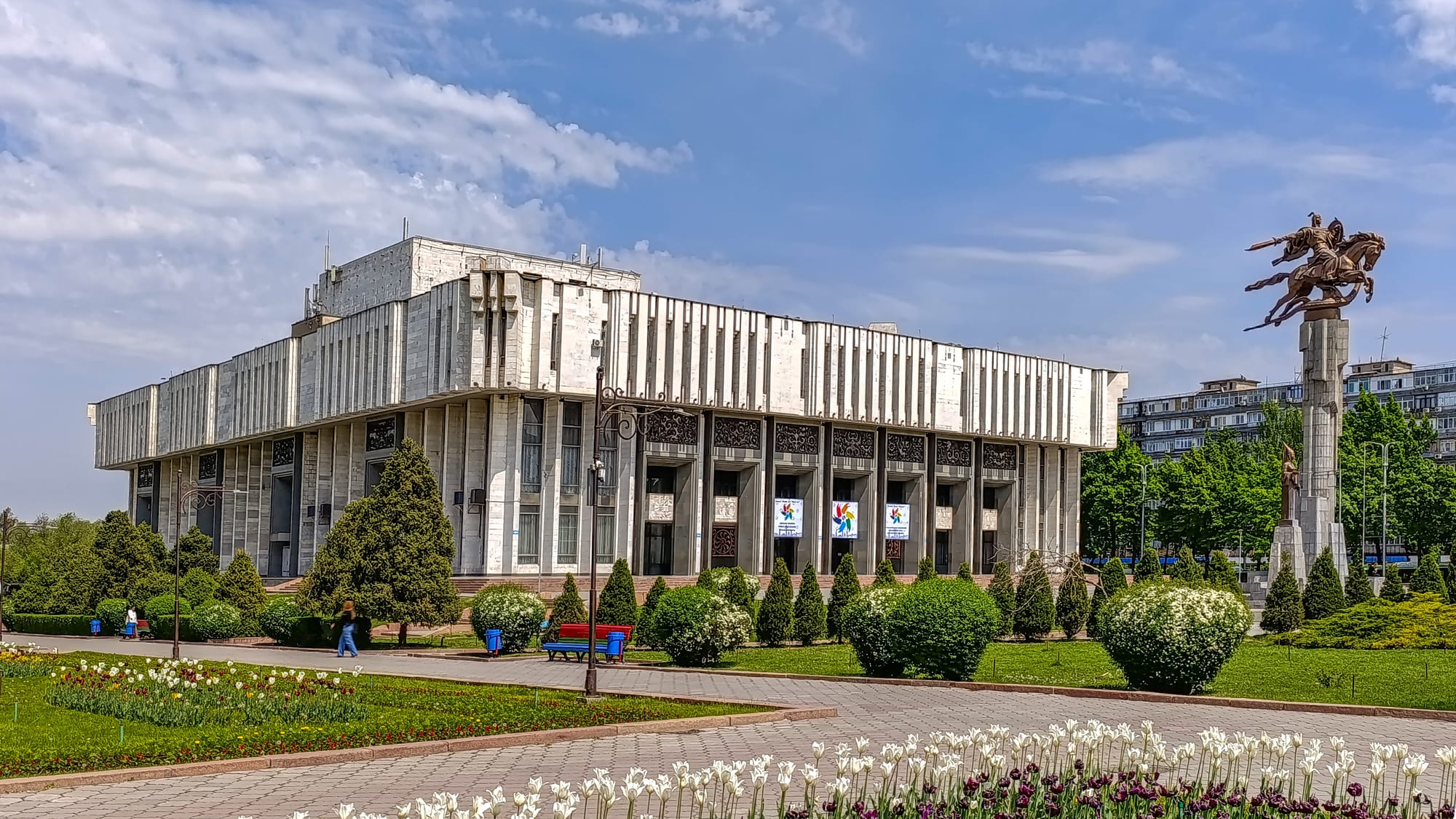
The southern valleys were part of the settled Silk Road world.
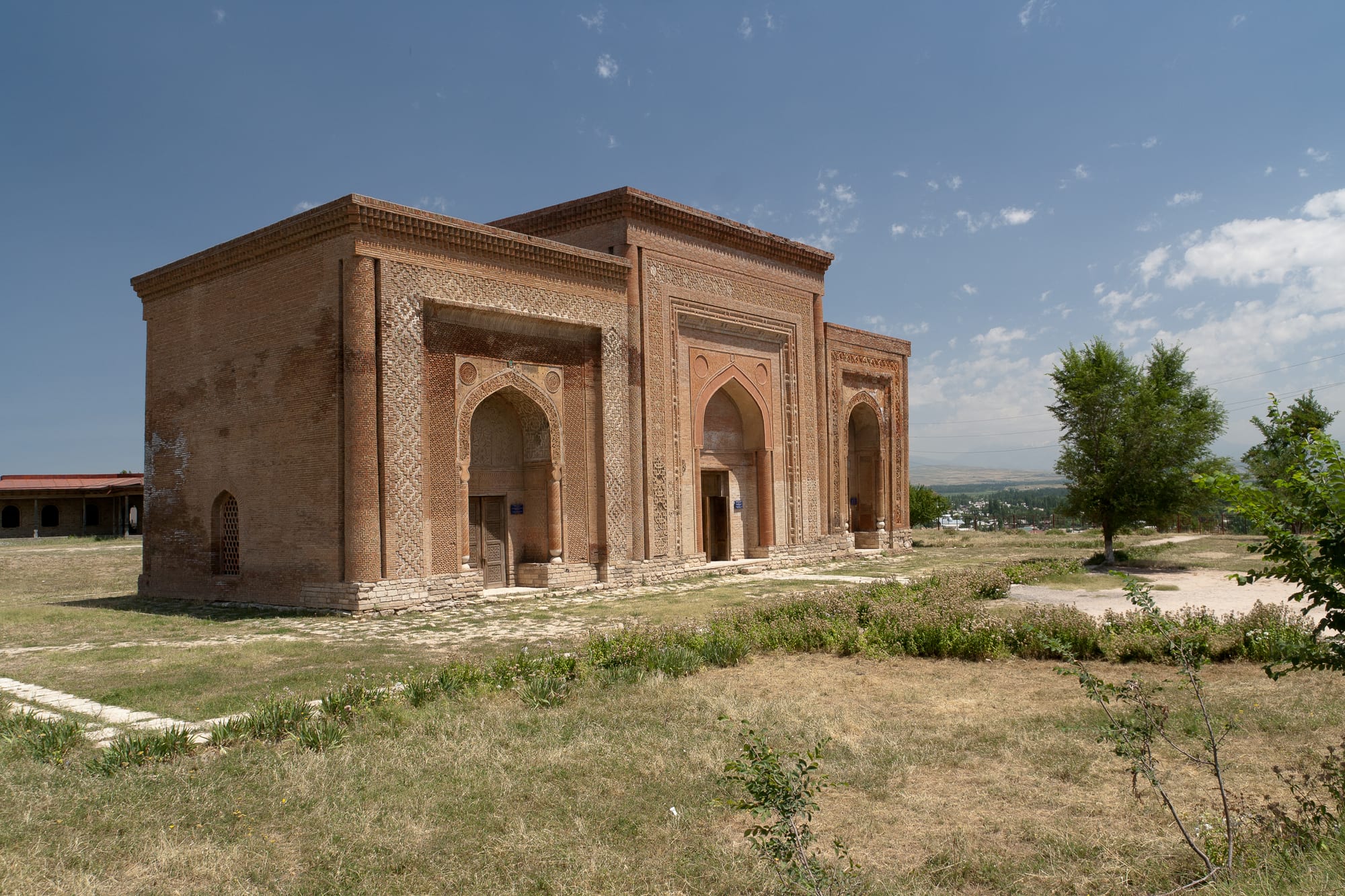
Russia, and the exodus
By the 19th century the Kyrgyz were divided among the Khanate of Kokand, which subjugated the south, and independent northern tribes, some of whom sought Russian protection. Russia annexed the whole region between the 1850s and 1876 and settled Slavic peasants on the best grazing land, especially in the Chuy Valley around Bishkek.
In 1916 a Central Asia-wide revolt against wartime labour conscription was especially brutal in Kyrgyzstan. Russian troops and settler militias killed tens of thousands of Kyrgyz and drove perhaps 100,000 or more — possibly a third of the northern Kyrgyz population — to flee over the mountain passes to China in winter, where many died. The Urkun, the "exodus", is a defining national trauma.
The Soviet republic
Kyrgyzstan became a full Soviet republic in 1936. Collectivisation settled the nomads and killed much of their livestock; the 1924–36 delimitation of Central Asia drew Kyrgyzstan's tangled borders and split the Fergana Valley among three republics in a way that still causes conflict. Soviet rule also brought literacy, a written Kyrgyz language, and the elevation of the Manas epic — and, in 1937–38, the purge of the Kyrgyz intelligentsia. In June 1990, deadly Kyrgyz–Uzbek violence broke out in Osh, a warning of what independence would inherit.
Three revolutions
Kyrgyzstan declared independence on 31 August 1991 under Askar Akayev, a physicist hailed at first as a liberal reformer — before his rule turned corrupt.
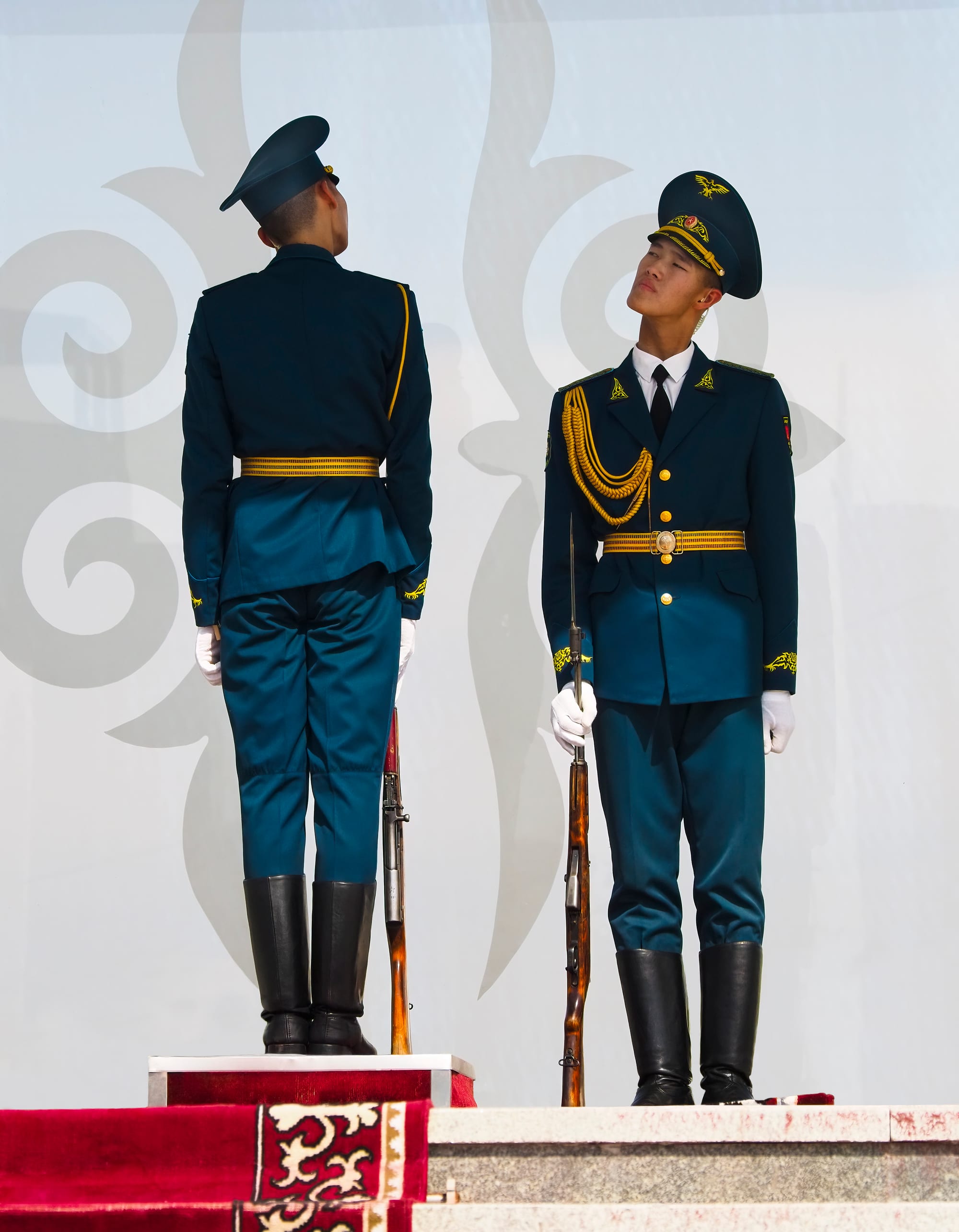
Days after the 2010 revolution, catastrophic ethnic violence between Kyrgyz and Uzbeks in Osh and Jalal-Abad killed around 400–500 people, mostly Uzbeks, and displaced hundreds of thousands. Kyrgyzstan then adopted a parliamentary constitution designed to prevent one-man rule — and for a decade it was the only Central Asian country with competitive parliamentary politics.
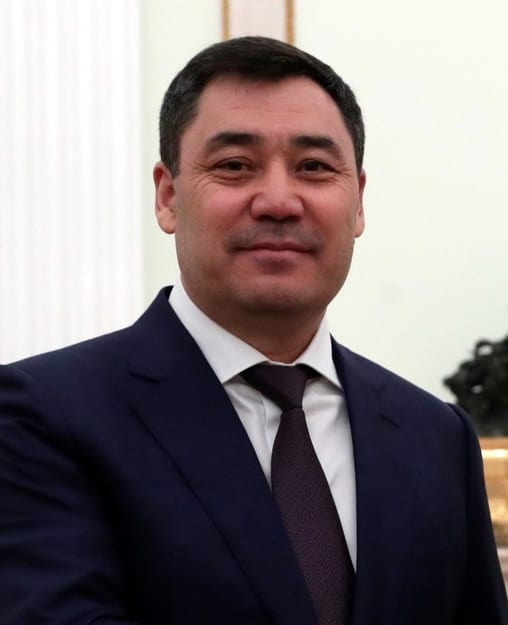
The third revolution, in October 2020, brought the nationalist populist Sadyr Japarov to power. He rolled back the parliamentary system, and pressure on media and civil society has grown since. Border clashes with Tajikistan over the Fergana enclaves turned deadly in 2021 and 2022.
What Kyrgyzstan carries
Kyrgyzstan's history has two long threads: a mountain nomad culture that produced the Manas epic and survived Russian conquest and the 1916 exodus, and a border geography — the divided Fergana Valley — that keeps generating conflict. Since independence it has been the region's exception, repeatedly using street protest to remove leaders. The 2020 revolution and the constitution that followed suggest that opening may now be closing.