Food · Kyrgyzstan
Kyrgyzstan: Food and the National Dish
Boiled meat and hand-cut noodles shared across a mountain nation still genuinely built around horses, yurts and high-pasture herding
By Worldlore Editorial · 16 September 2026
A living nomadic culture, not a museum piece
Kyrgyzstan's food traditions grew out of the same Central Asian nomadic herding culture shared with Kazakhstan and other steppe and mountain peoples, but here that culture remains genuinely alive: many Kyrgyz families still move livestock to high mountain pastures each summer, and horses remain central to both daily life and national identity, visible today in events like the World Nomad Games.
The national dish: beshbarmak
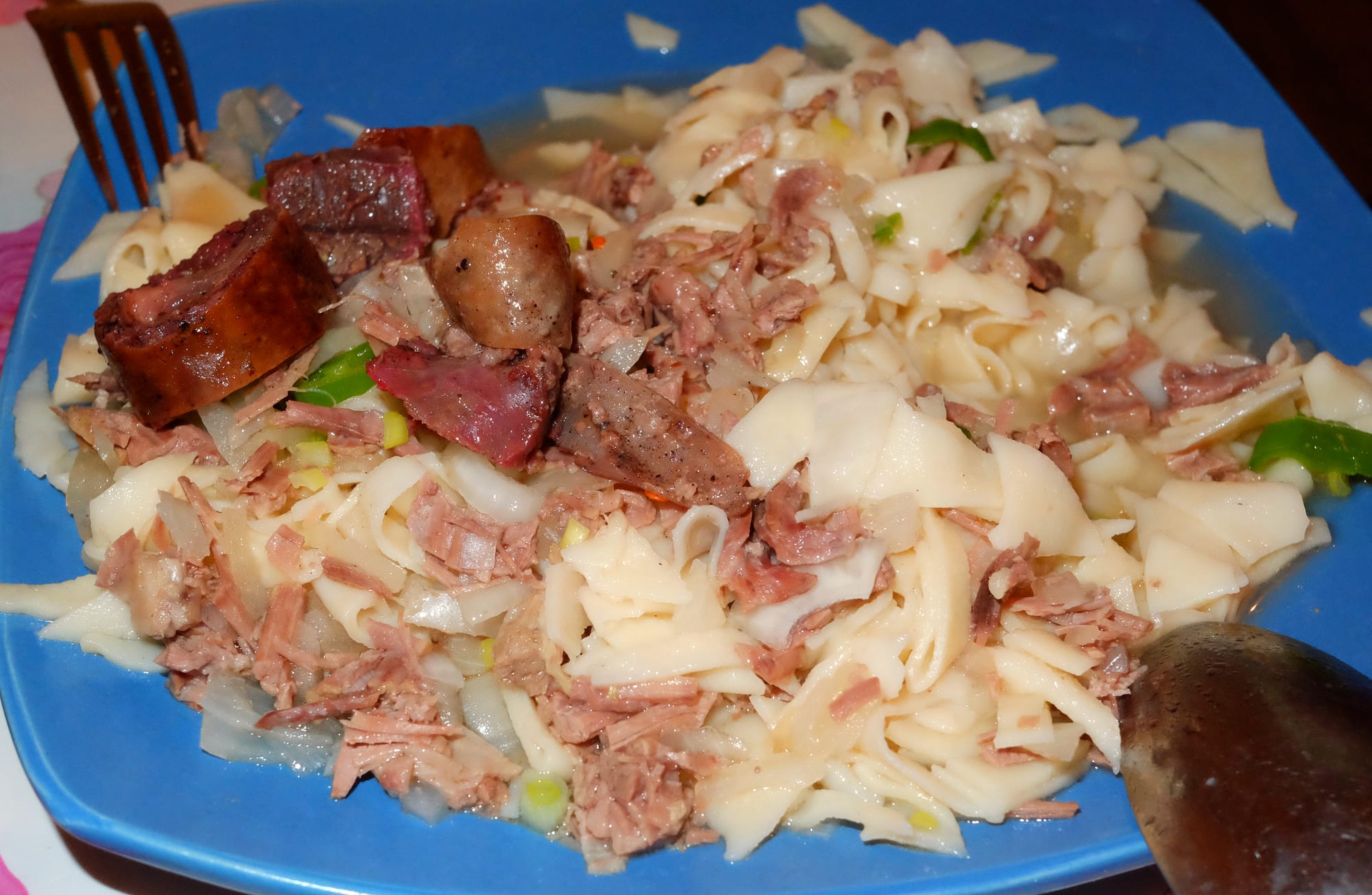
Beshbarmak, boiled meat, traditionally horse or lamb, served over hand-cut, wide flat noodles and topped with onions, is Kyrgyzstan's national dish, shared closely with Kazakhstan under the same name and basic form. Its name, meaning "five fingers," refers to the traditional way of eating it by hand, and in Kyrgyzstan the dish is served at weddings, funerals and major gatherings, from one large communal platter rather than individual plates.
Horse meat, kymyz and the pastoral pantry
Horse meat holds a genuinely central place in Kyrgyz cooking, more so than in many other Central Asian food traditions, alongside lamb, dairy and bread. Kymyz, fermented mare's milk, carries deep cultural roots in Kyrgyzstan specifically, tied closely to the country's summer pasture migrations, where herding families still produce it fresh from horses grazing at altitude.
History behind the dish
Kyrgyz nomadic culture developed across the high mountain pastures of the Tian Shan range, a genuinely different environment from the flatter steppe herding traditions of neighbouring Kazakhstan, even though both countries share beshbarmak and much of the same basic pastoral food culture. Soviet-era rule in the 20th century brought its own influence, but Kyrgyzstan's horse-centred food traditions never fully gave way to it, remaining visibly alive in rural life today.
Dishes to know
Five more to recognise across Kyrgyzstan:
- Kymyz — fermented mare's milk, produced fresh during summer pasture
migrations and tied closely to Kyrgyz nomadic identity.
- Lagman — hand-pulled noodles in a spiced meat and vegetable broth,
reflecting Central Asian and Uyghur culinary influence.
- Plov — a rice pilaf with meat, carrots and onion, especially
associated with the southern city of Osh.
- Kuurdak — fried meat and offal with onions, a hearty, practical
pastoral dish.
- Boorsok — small pieces of fried dough, served alongside tea and at
celebrations.
Drinks
Kymyz, tangy and mildly fermented, remains Kyrgyzstan's most distinctive traditional drink, especially prized fresh during the summer herding season. Tea, poured and re-poured throughout a gathering, is a genuine daily social custom, and shoro, a fermented grain drink sold from roadside barrels in Bishkek, is a distinctly Kyrgyz everyday refreshment.
Eating as a traveller
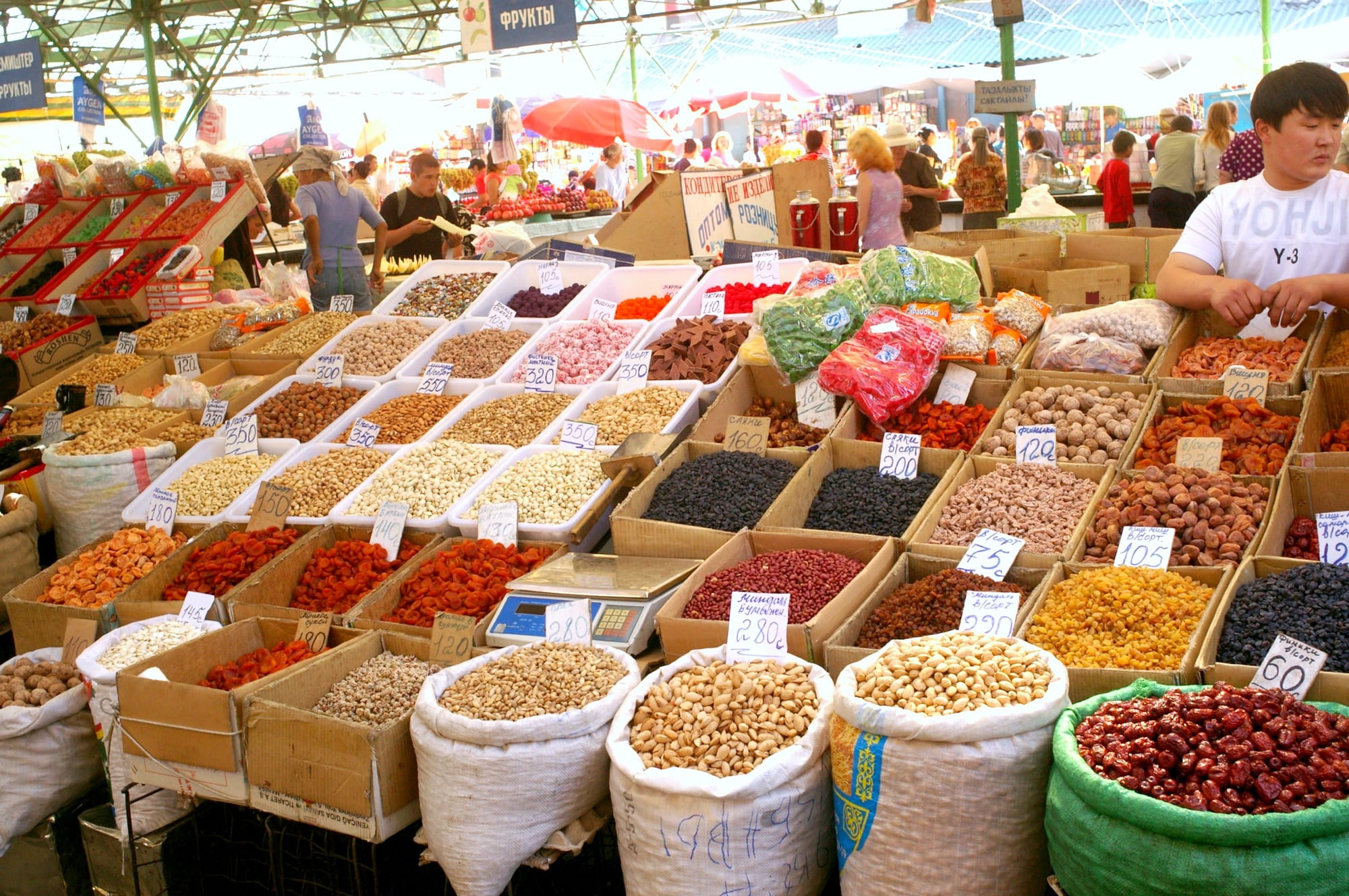
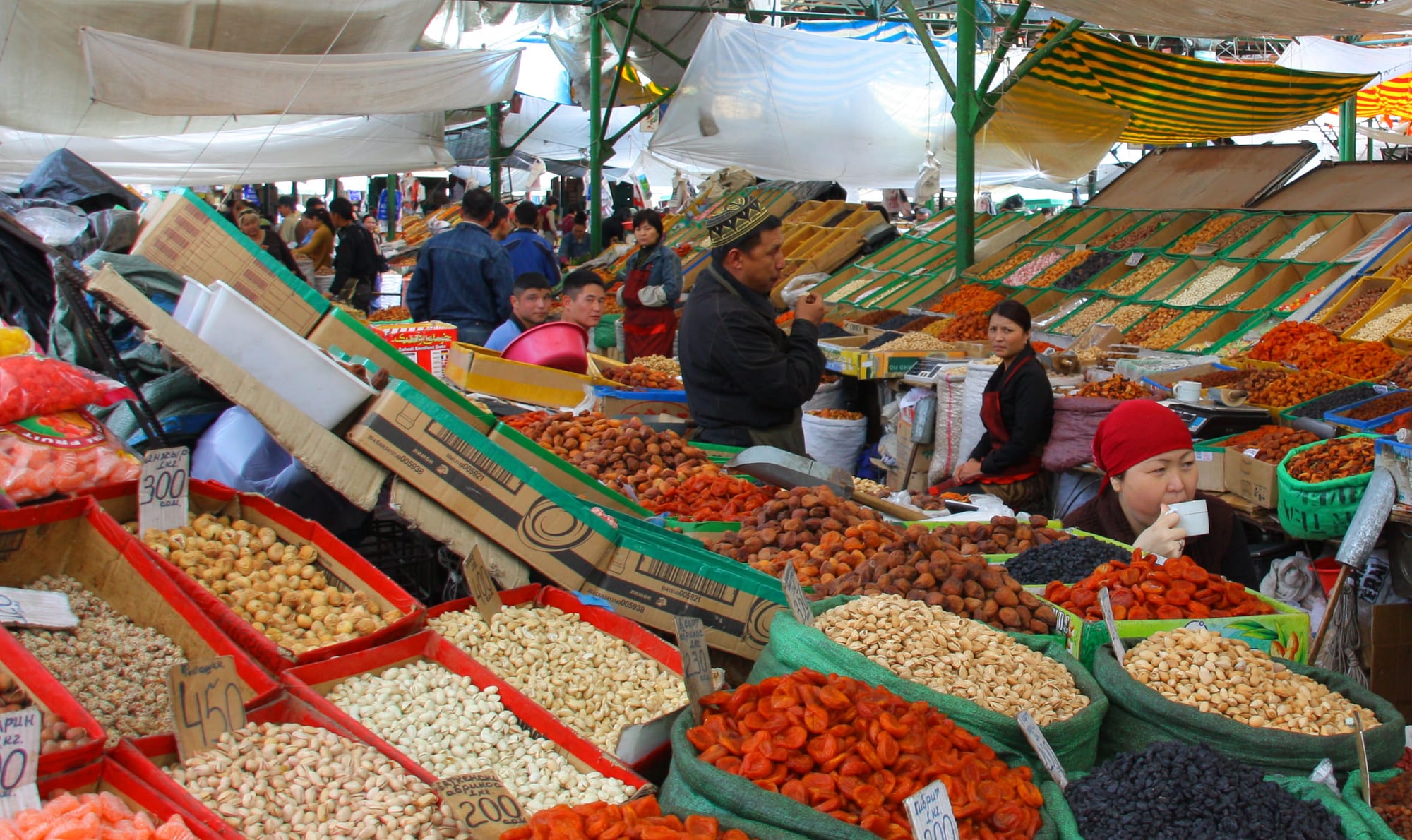
Vegetarians will find options genuinely limited given how central meat and dairy are to traditional Kyrgyz cooking, though bread, noodles and dairy-based dishes are available. Tap water is not reliably safe outside major hotels; stick to bottled or boiled water. Visiting Bishkek's Osh Bazaar, or attending the World Nomad Games if the timing lines up, are both genuine ways to see Kyrgyzstan's living nomadic food culture up close.
What to take from the table
Beshbarmak, shared with Kazakhstan but rooted here in the high pastures of the Tian Shan, is the dish that best represents Kyrgyz food — and a cup of fresh kymyz during the summer herding season is the truest taste of a nomadic culture that never stopped being lived.