Attractions & Natural Wonders · Kyrgyzstan
Kyrgyzstan: Ten Attractions and Natural Wonders
Summer yurt camps on a high alpine lake, the world's second-largest mountain lake, a Silk Road caravanserai in a lonely valley, and some of Central Asia's best trekking
By Worldlore Editorial · 19 September 2026
A mountain republic
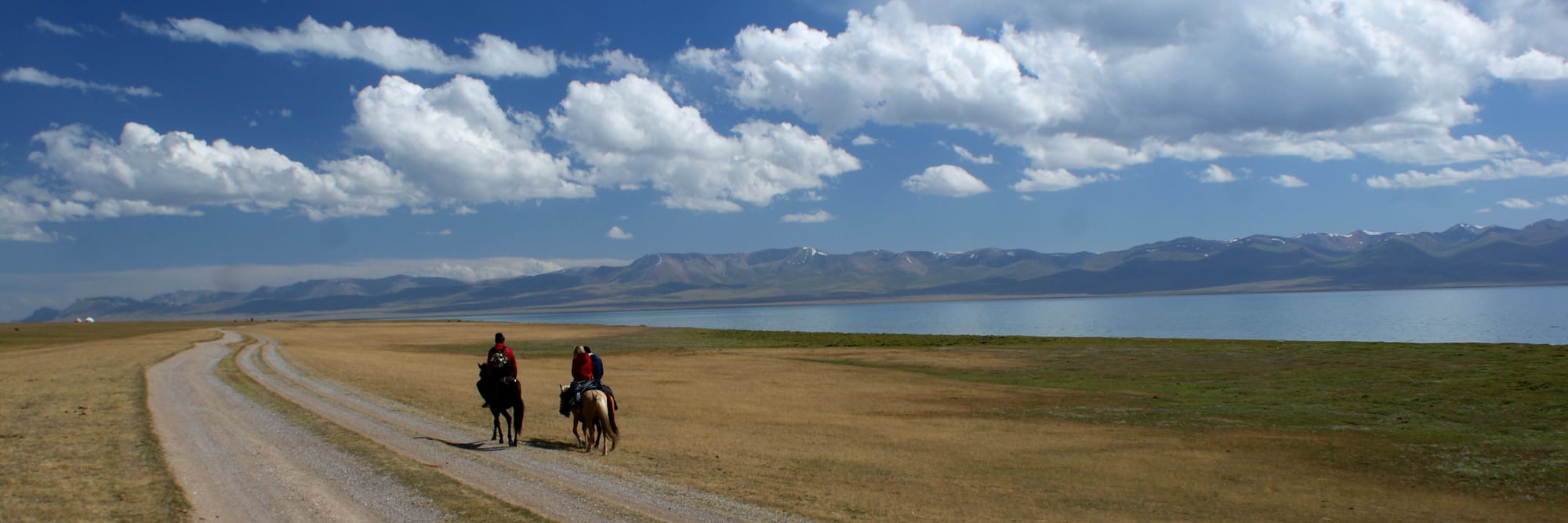
Kyrgyzstan is a small, landlocked country in Central Asia where the Tian Shan mountains cover more than 90 percent of the land and average elevation is around 2,750 metres. It has about 7 million people, a nomadic heritage still very much alive in the summer migration to high pastures, and the region's most relaxed visa policy and cheapest travel. Along with neighbouring Kazakhstan it is the easiest of the "stans" for independent travel, and its community-based tourism network of homestays and yurt camps is a model for the region.
The ten below run from the central highlands out to Lake Issyk-Köl and the south. Summer (June to September) is the only realistic season for the mountains and yurt camps; Bishkek and Osh are visitable most of the year.
1. Song-Köl
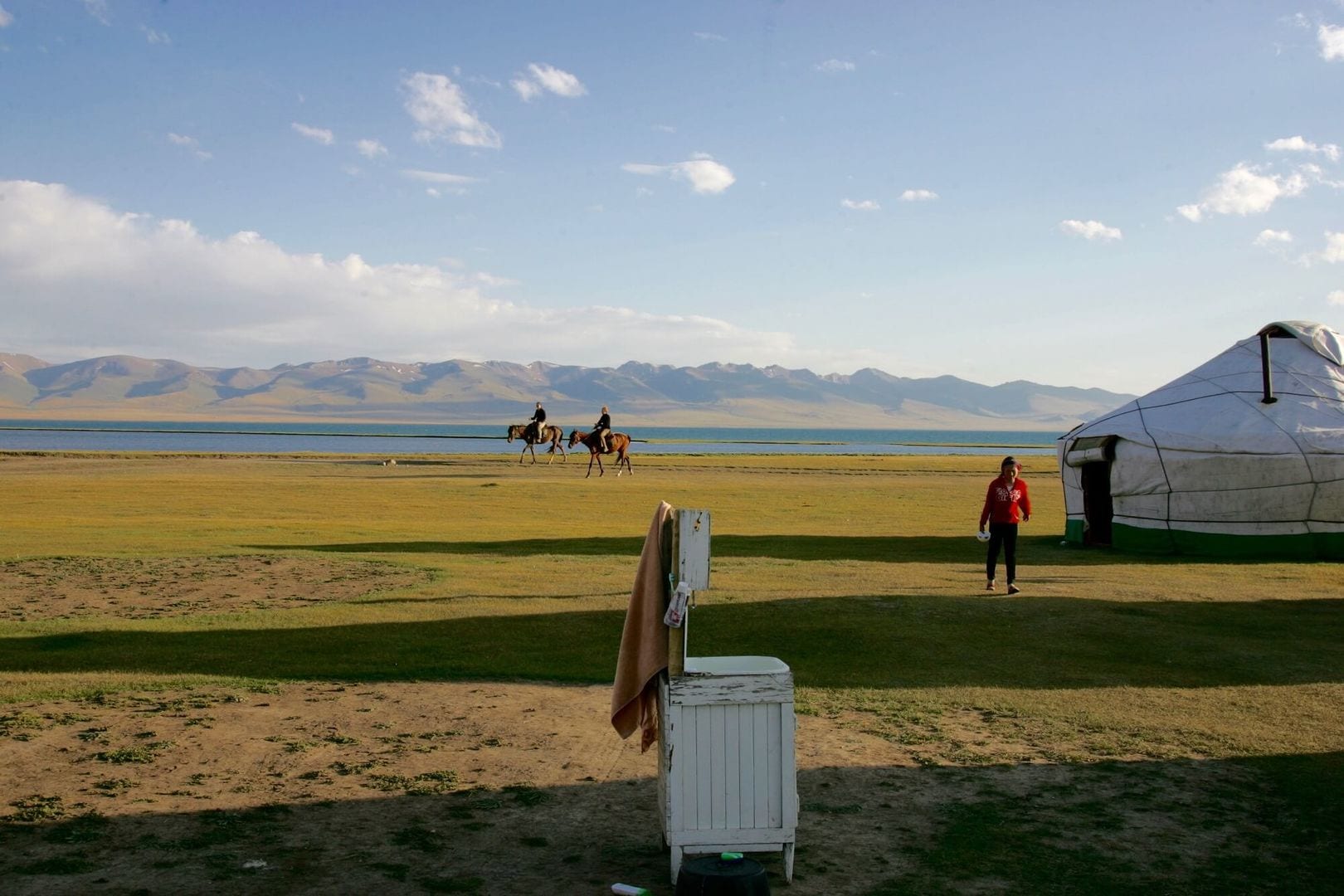
Song-Köl, a large lake ringed by rolling summer pasture (jailoo) at 3,000 metres, is the classic Kyrgyz experience: staying in a yurt with a herding family, eating fresh dairy and beshbarmak, riding out among the horse and sheep herds, and watching the stars in air with no light pollution. It is snowbound and empty from about October to May.
Access is over rough passes by 4x4 or on a multi-day horse or hiking trek from Kochkor or Jumgal.
2. Lake Issyk-Köl
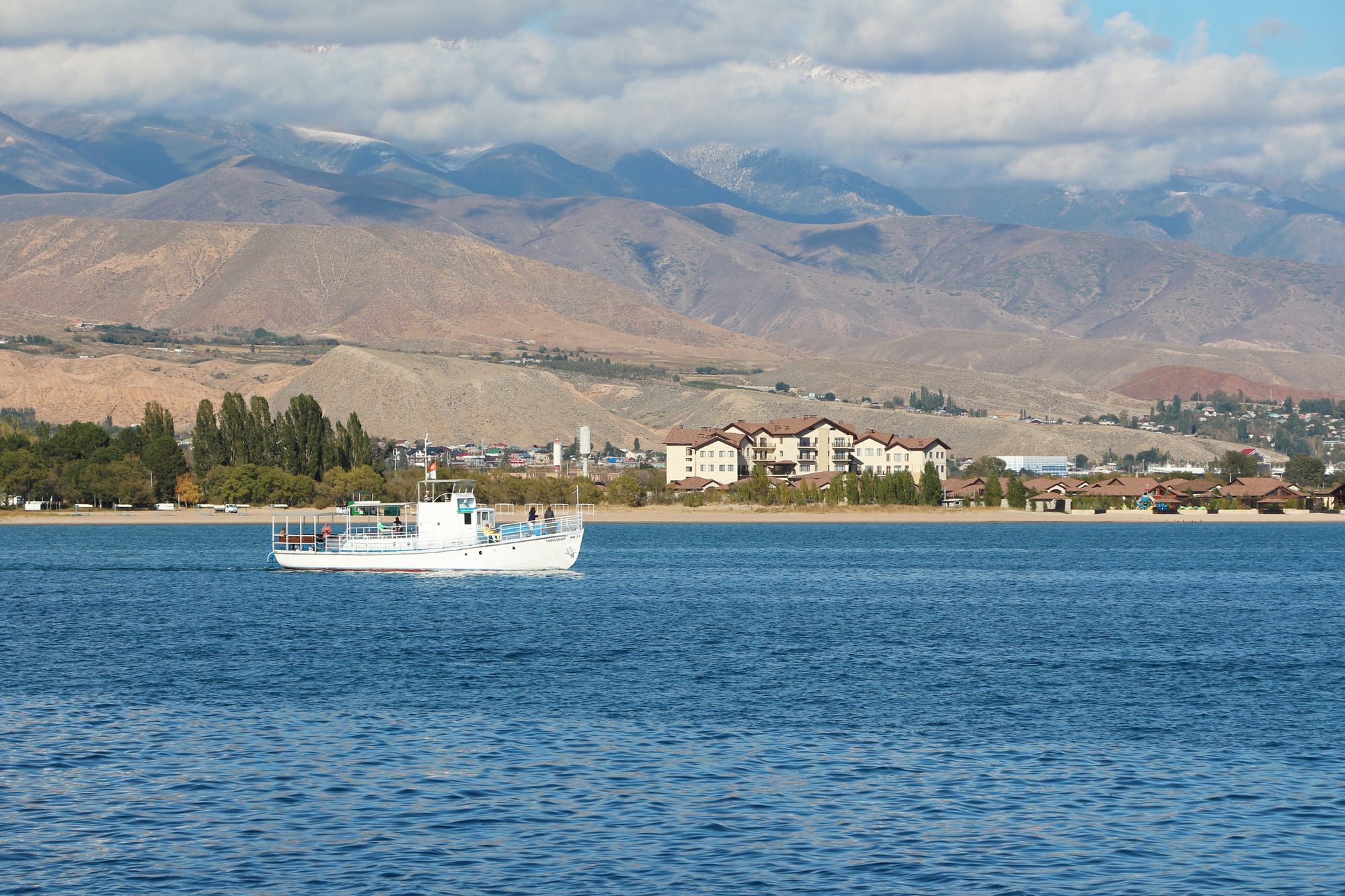
Issyk-Köl ("warm lake") is a huge, slightly saline lake that never freezes despite sitting at 1,600 metres, walled by snow peaks on both sides. The north shore is the Soviet-era beach-resort strip (Cholpon-Ata, with its field of Bronze Age petroglyphs); the south shore is quieter, with better scenery and access to the mountains. It has its own endemic fish and is a major bird stopover.
The full loop by road is a good two- or three-day trip from Bishkek.
3. Karakol
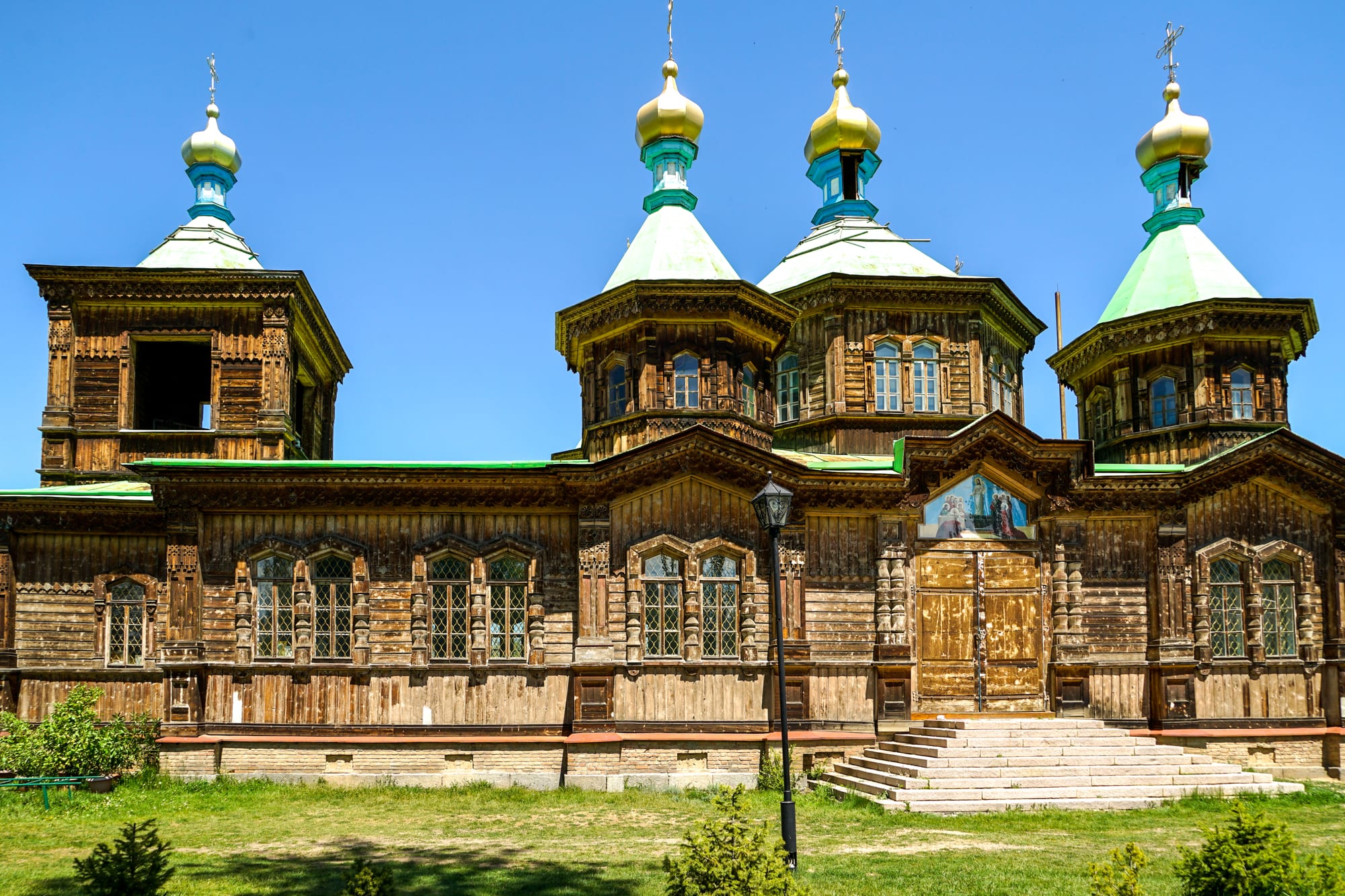
Karakol, at the far east of Issyk-Köl, is the main trekking base — a low-rise town of Russian gingerbread houses, a wooden Orthodox cathedral, a Chinese-style Dungan mosque built without nails, a lively Sunday animal market, and a small ski resort. From here trails lead into the Terskey Ala-Too to the alpine Ala-Köl lake and the Altyn-Arashan hot-spring valley.
It is the end of the road east and the gateway to the best hiking in the country.
4. Jeti-Ögüz
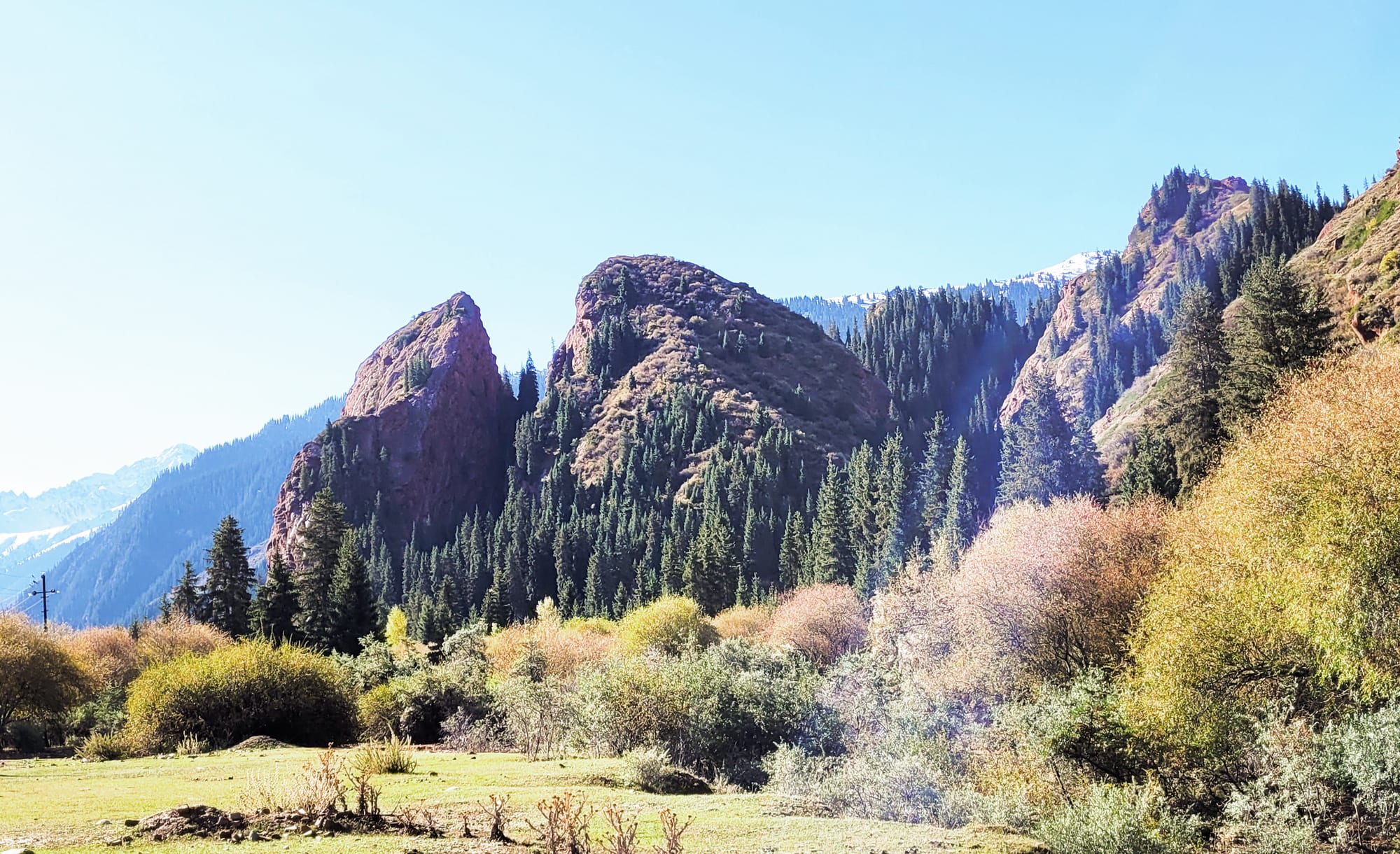
Jeti-Ögüz ("Seven Bulls"), a short drive from Karakol, is a valley of dramatic red sandstone formations — a long ridge said to look like seven bulls, and a cleft-topped cliff called the "Broken Heart" — above a spa and pine forest. Trails continue up the valley to waterfalls, summer jailoo, and, over a pass, toward Ala-Köl.
It is an easy half-day from Karakol, often combined with the beach at Bokonbayevo.
5. Skazka Canyon and the south shore
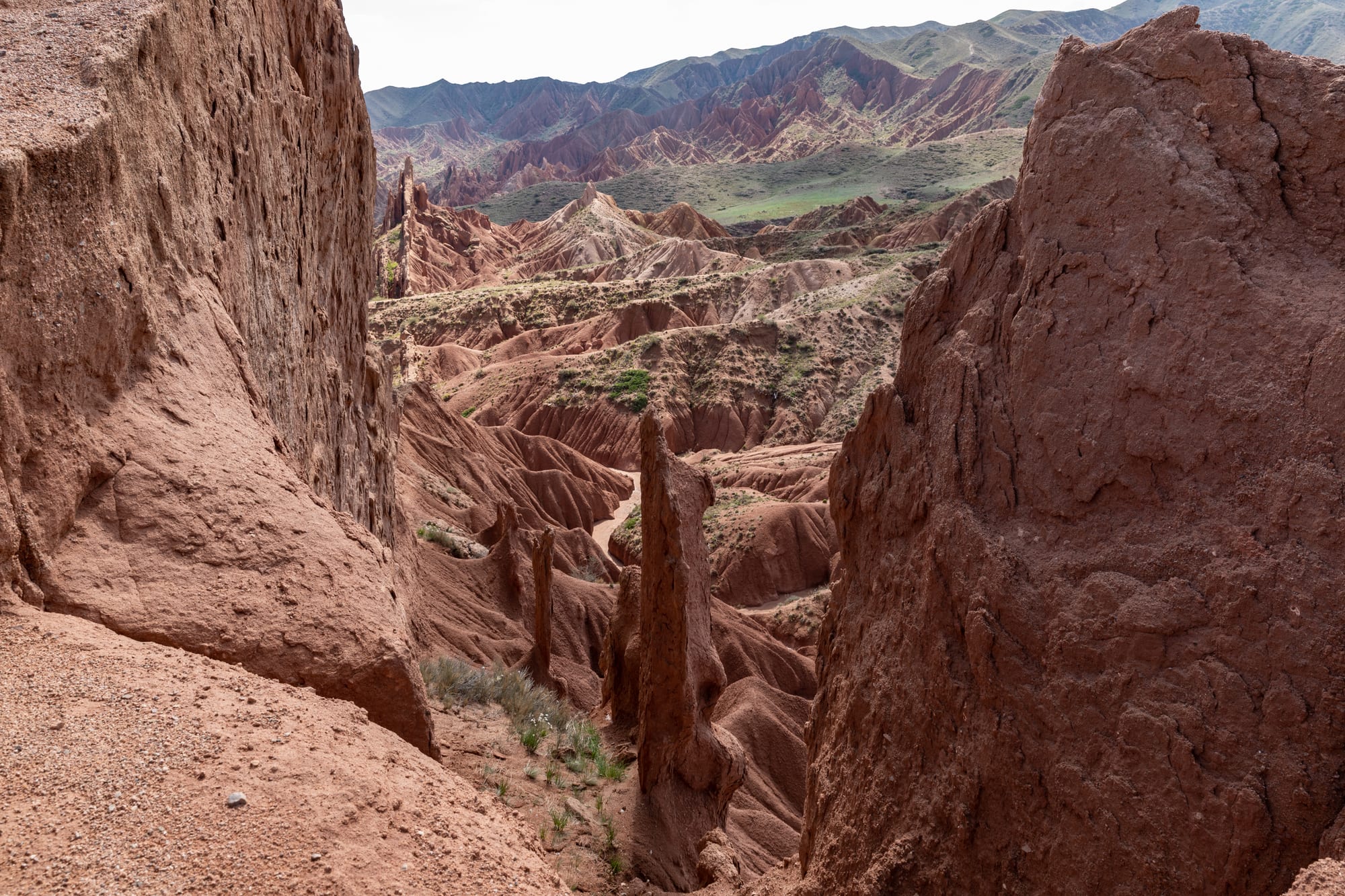
The south shore of Issyk-Köl has a run of eroded badlands where wind and rare rain have carved the red clay into ridges, "castles", and shapes people liken to dragons and animals — the best known is Skazka ("Fairytale") Canyon, a small, walkable maze near Tosor. Nearby are the Barskoon waterfalls and gorge and the Fairy Tale beach.
These make good stops on a drive around the lake.
6. Ala-Archa National Park
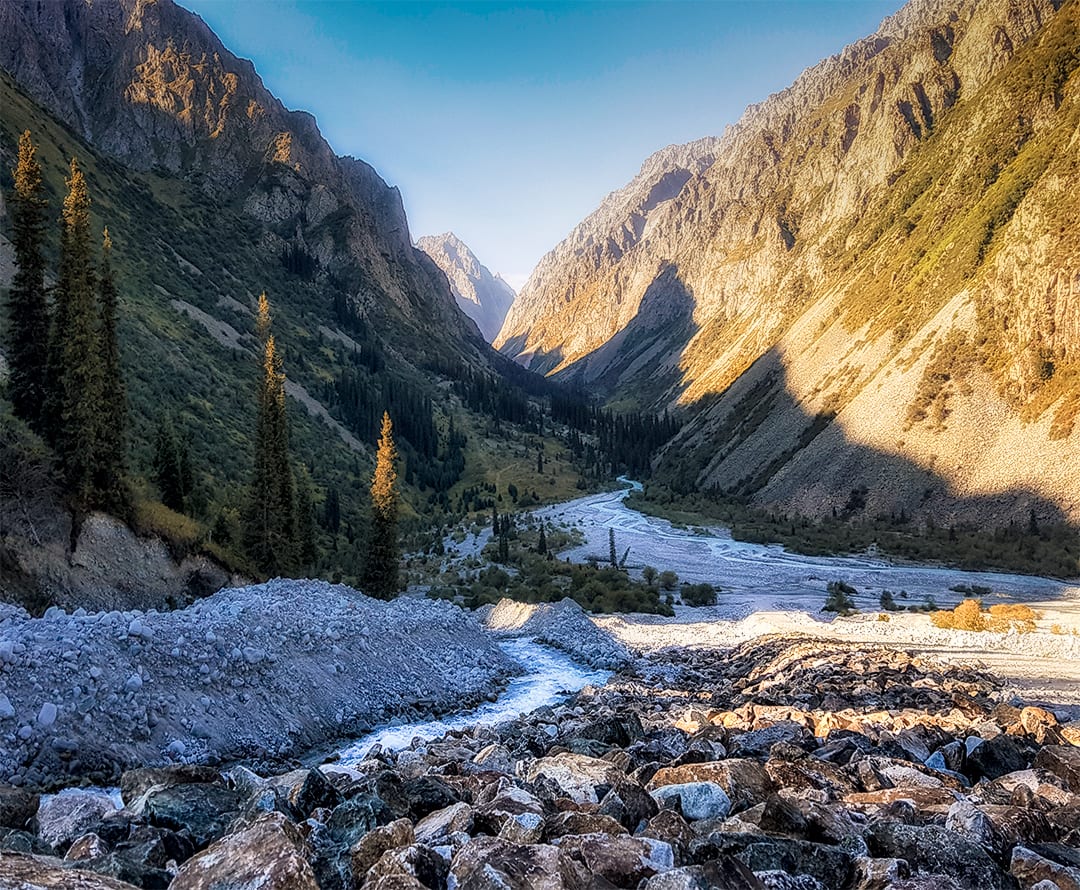
Ala-Archa, only about 40 kilometres south of the capital, packs proper alpine scenery into a day trip — a forested glacial gorge with day hikes to the Ak-Say waterfall and glacier and to a mountaineers' hut, under peaks over 4,800 metres. It is where people from Bishkek go to walk, picnic, and ski-tour.
The road ends at an alpine camp; trails start from there.
7. Bishkek
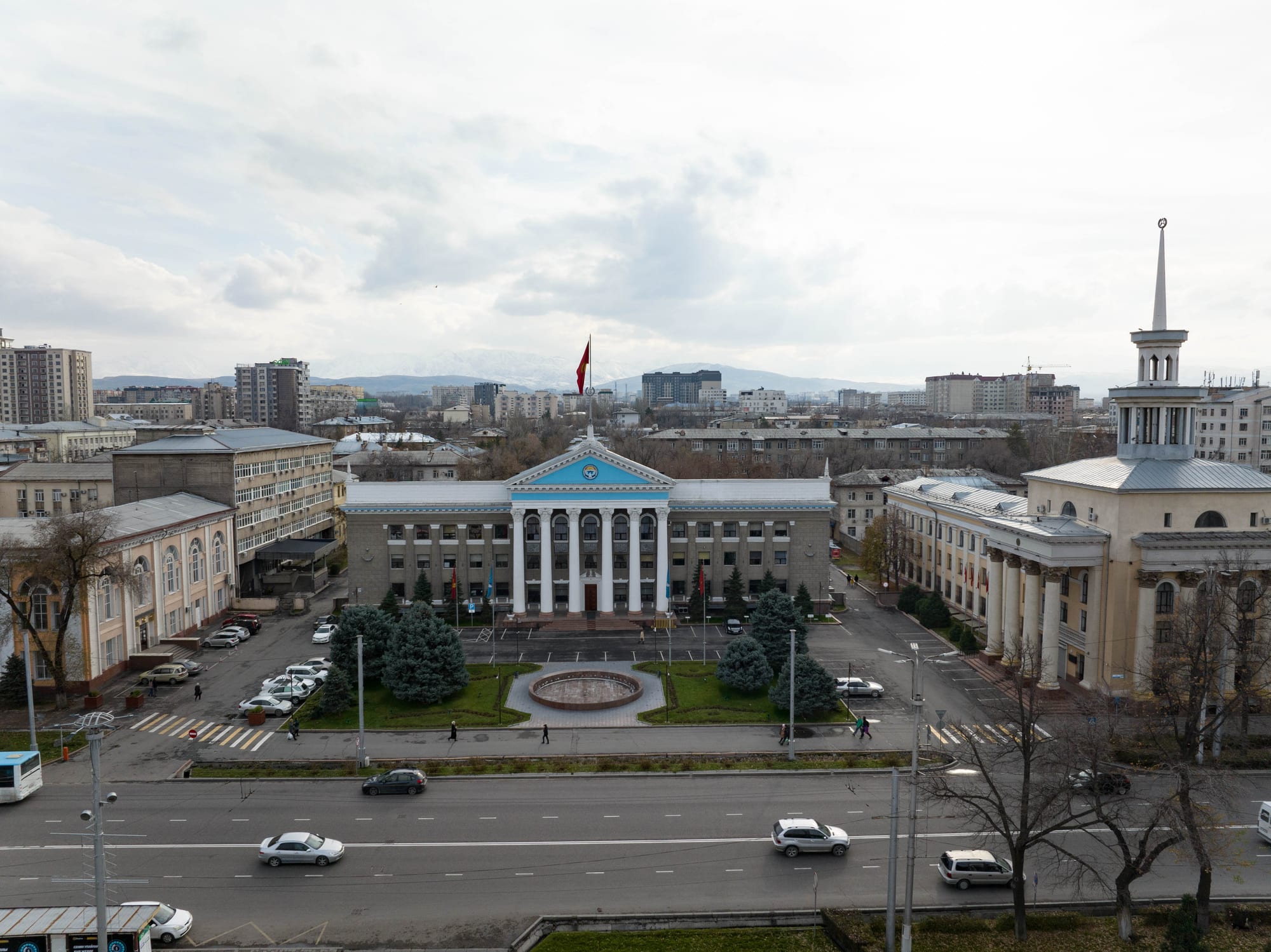
Bishkek, the capital, is a green, low-key, grid-planned city of Soviet squares, tree-lined avenues, and the snow wall of the Kyrgyz Ala-Too always on the southern horizon. The set-pieces are Ala-Too Square with its guard-changing and huge Manas statue, the State History Museum, the Osh Bazaar, and leafy Oak Park with its open-air sculpture. It is mostly a base rather than a destination.
Most trips start and end here; the mountains are visible from the streets.
8. The Burana Tower and the Chüy valley
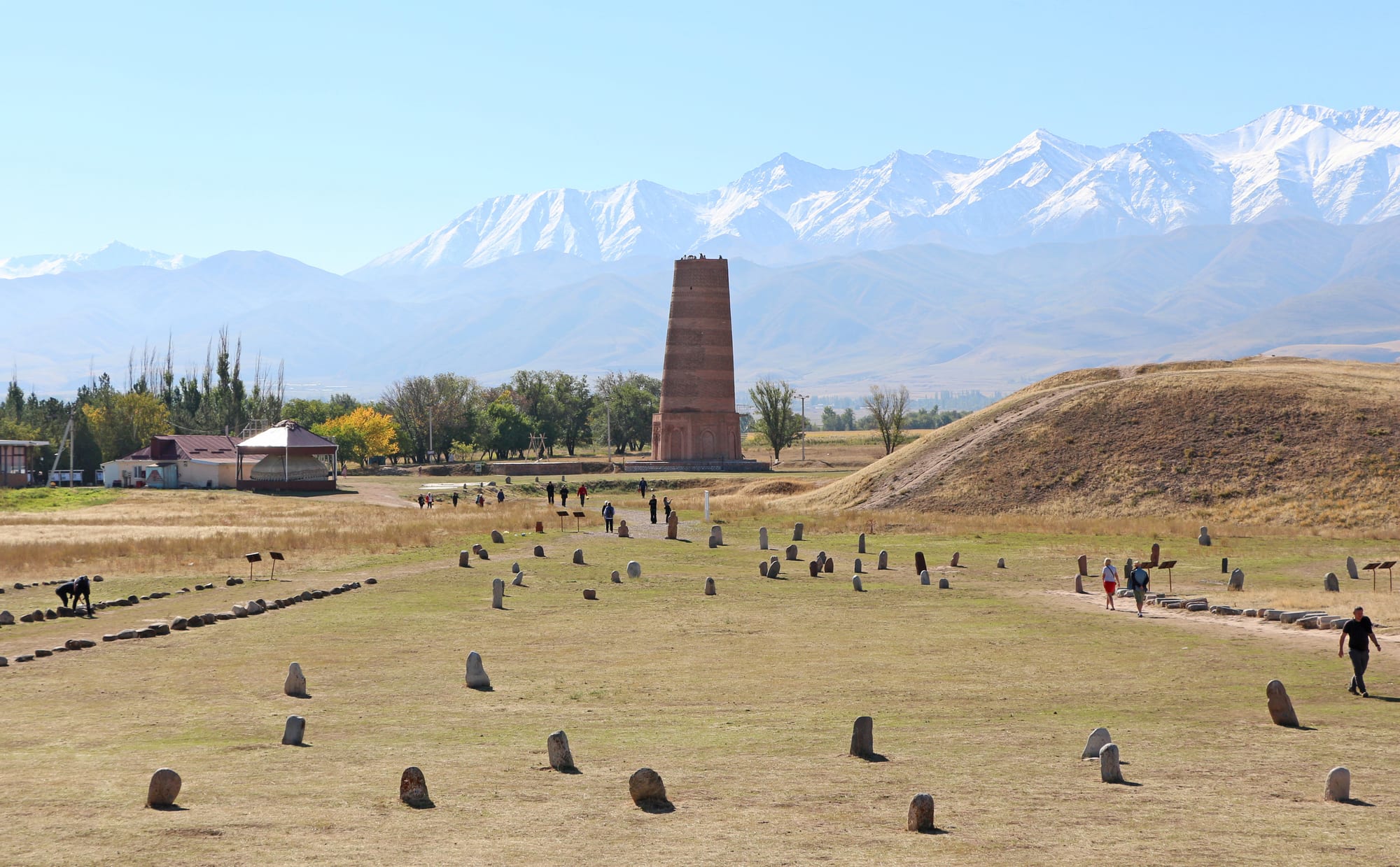
The Burana Tower, about an hour east of Bishkek, is an 11th-century minaret — the truncated survivor of the Karakhanid capital of Balasagun, one of the great cities of the Silk Road. Around it are a field of balbals (carved stone grave markers), a small museum, and views to the mountains; you can climb the tower's dark internal stair. It is part of the UNESCO Silk Roads corridor listing.
It combines with a visit to the Chüy valley and the road toward Issyk-Köl.
9. Tash Rabat and the Torugart road
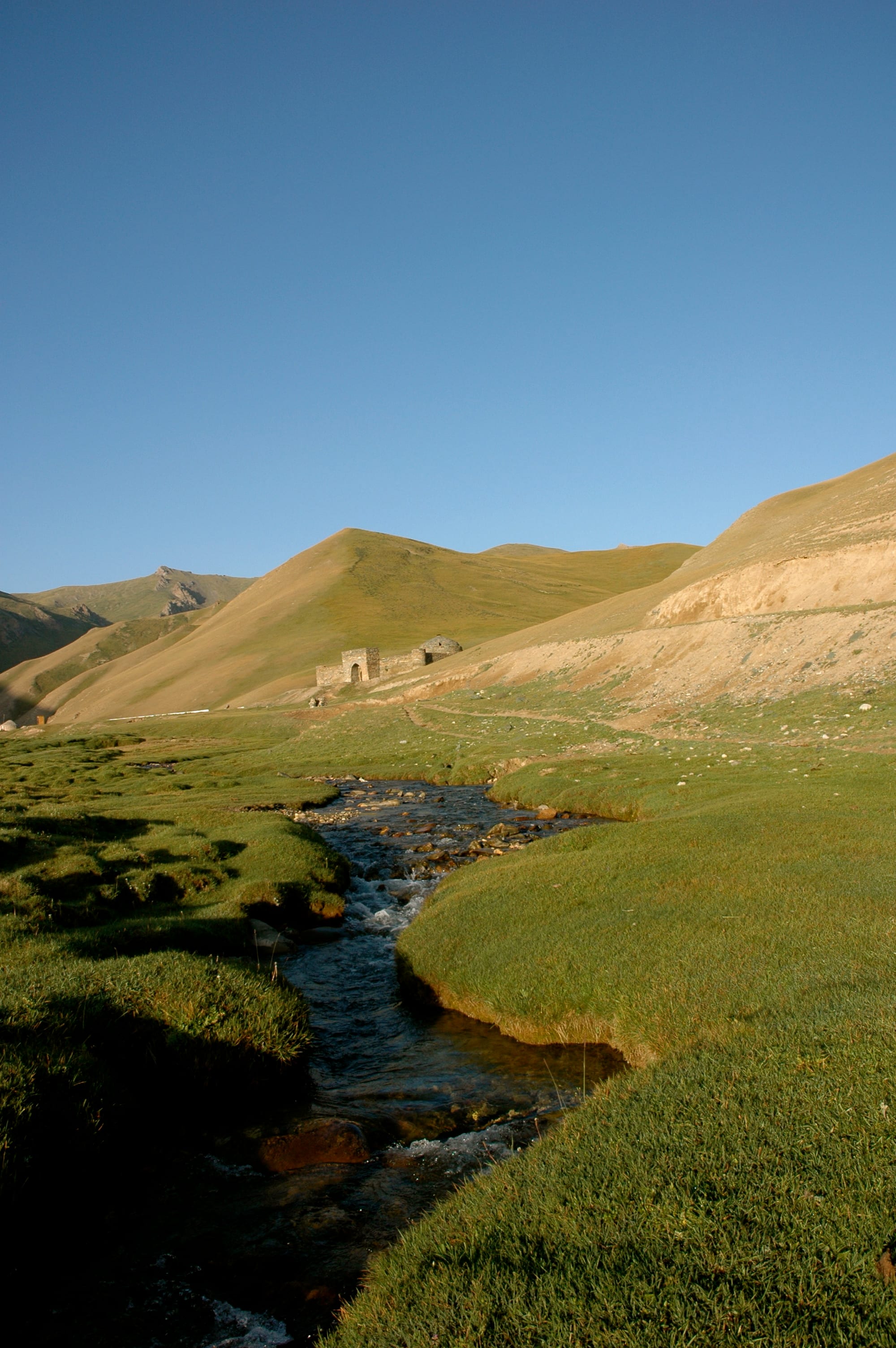
Tash Rabat, in a lonely side valley in the south near the Chinese border, is a well-preserved stone caravanserai — a fortified inn of some 30 domed rooms around a courtyard, probably 15th-century, on a spur of the Silk Road. Yurt camps nearby offer horse riding to a high lake and pass. The route continues to the Torugart Pass into China (a difficult crossing) and the alpine Chatyr-Köl lake.
It is a long drive from Naryn, the last real town, on the way south.
10. Osh
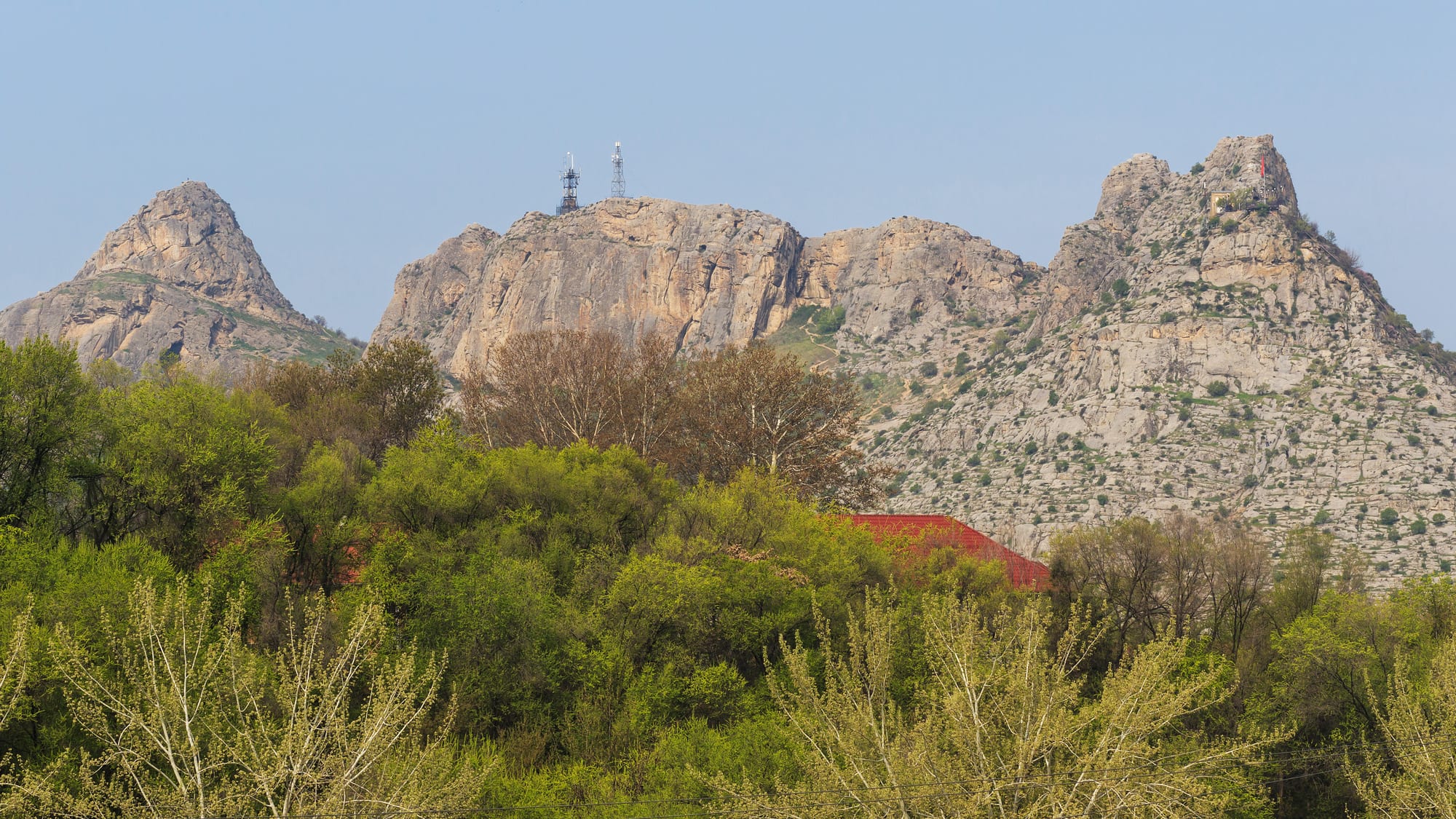
Osh, the country's second city, sits in the Kyrgyz part of the fertile, densely populated, mostly Uzbek-influenced Fergana Valley. Its heart is Sulaiman-Too, a craggy limestone ridge that has been a pilgrimage site for millennia — Kyrgyzstan's first UNESCO World Heritage Site — with shrines, caves, a museum built into the rock, and a rebuilt mosque said to date to Babur. Below it sprawls one of the oldest and largest bazaars in Central Asia.
Osh has its own airport and is the start of the road south to Tajikistan and the Pamir Highway.
Kyrgyzstan is a summer country: a typical two-week trip loops from Bishkek through Ala-Archa, Song-Köl, and around Issyk-Köl with treks from Karakol, and perhaps south to Naryn and Tash Rabat. Osh and the south are a separate leg.