Attractions & Natural Wonders · Kiribati
Kiribati: Six Attractions and Natural Wonders
Thirty-three low coral islands scattered across an ocean territory bigger than India — a fierce WWII battlefield, a fly-fishing atoll on the date line, and one of the world's largest marine reserves
By Worldlore Editorial · 19 September 2026
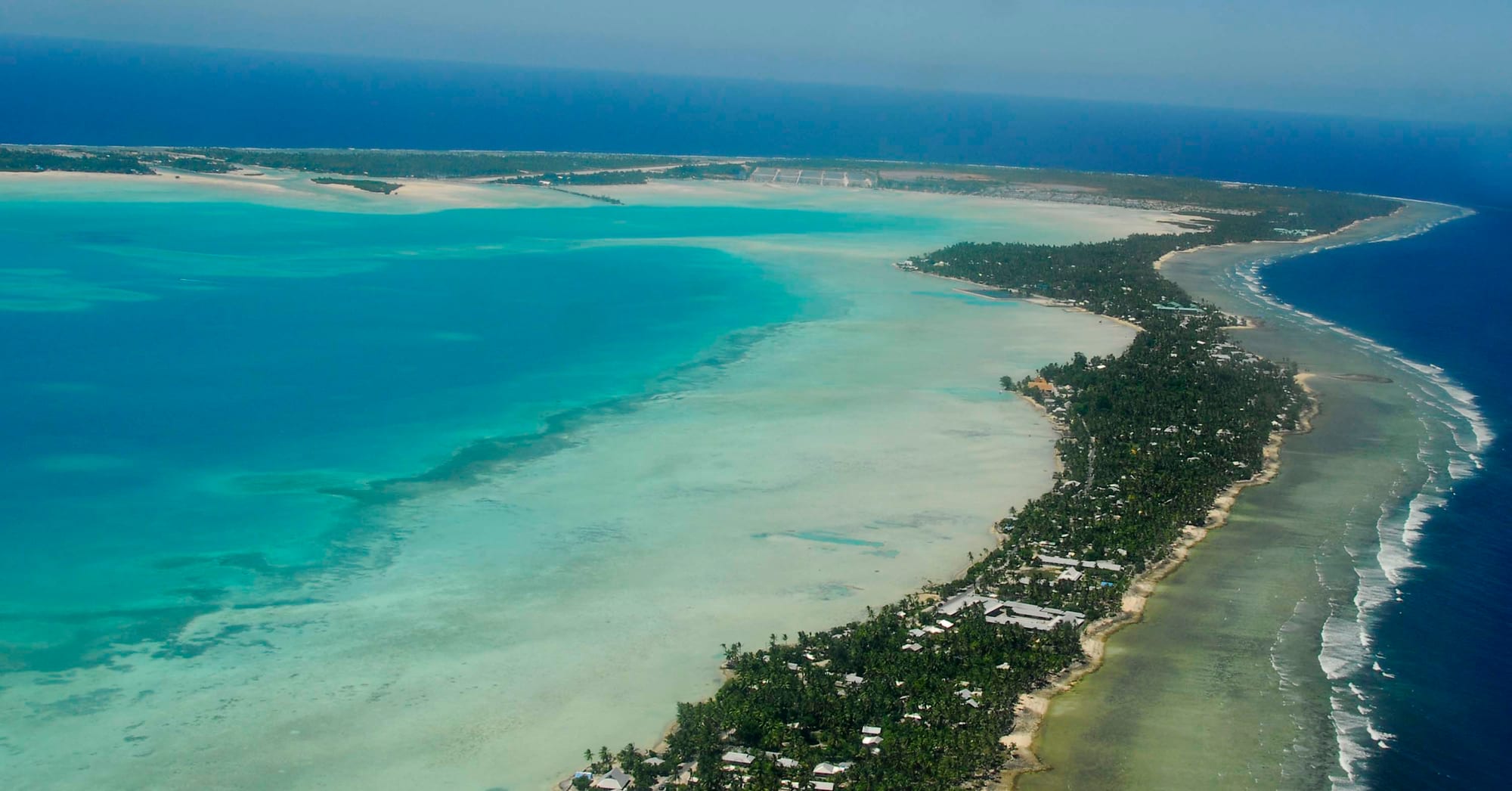
A nation of atolls on the equator
Kiribati (pronounced "Kiribas") is made up of 33 coral atolls and reef islands strung across the central Pacific in three groups — the Gilbert, Phoenix, and Line islands — spread over 3.5 million square kilometres of ocean but with a total land area smaller than New York City. It straddles both the equator and the International Date Line, so it is the first country to see each new day. Its 110,000 people are Micronesian, and almost none of the land rises more than a few metres above the sea, which makes Kiribati one of the countries most exposed to rising sea levels.
The six below are almost all on Tarawa, with two remote outliers. It is hot and humid year-round; the Gilbert group is drier from about April to October, and travel between island groups is difficult and infrequent.
1. South Tarawa
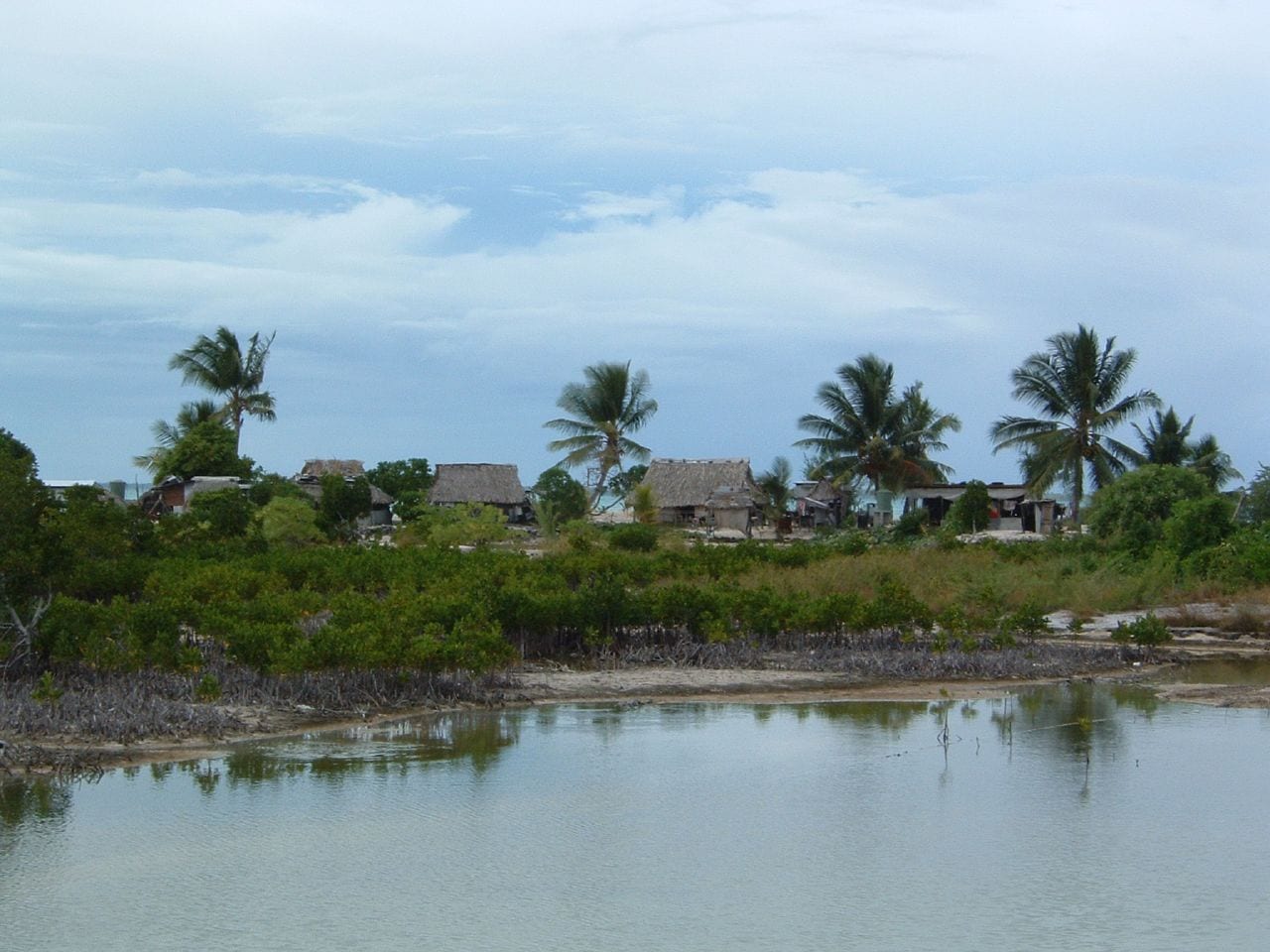
South Tarawa, the capital area, is a ribbon of islets — Betio, Bairiki, Bikenibeu and others — joined by causeways into a single strip rarely more than a few hundred metres wide, holding government offices, the market, churches, and around 60,000 people. It is crowded, lively, and under pressure from overpopulation and the sea. This is the entry point for almost every visitor (flights come via Fiji or Nauru) and the base for everything else.
There is little conventional sightseeing; the interest is in daily I-Kiribati life.
2. Betio and the Battle of Tarawa
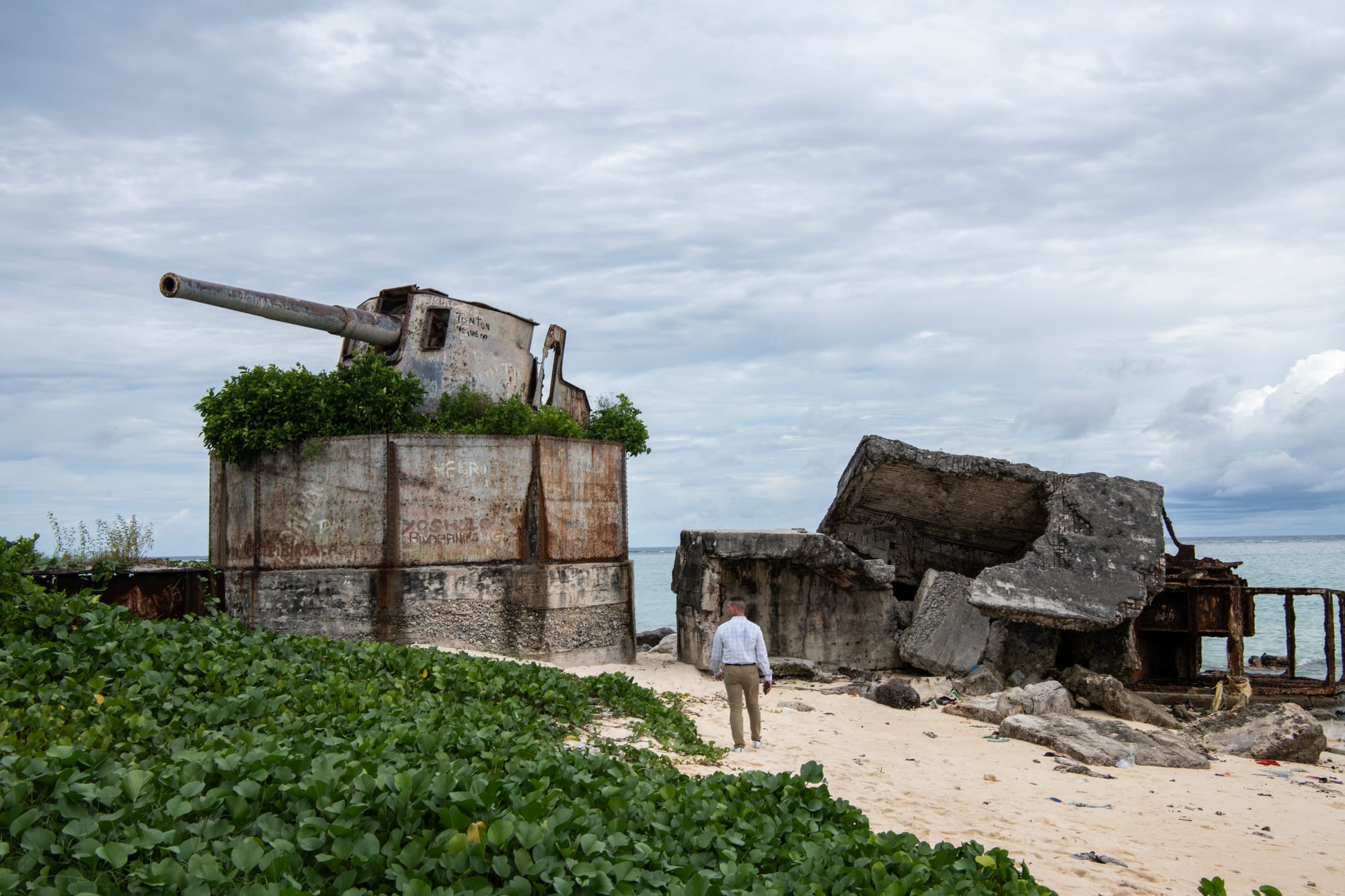
Betio, the western islet of South Tarawa, was a heavily fortified Japanese base in the Second World War, and the American assault on it in November 1943 was one of the bloodiest of the Pacific campaign — around 6,000 dead in 76 hours on a strip of sand two miles long. Rusting coastal guns, bunkers, a command post, and the hulks of landing craft on the reef remain, along with US and Japanese memorials.
Local guides in Betio can walk you around the sites.
3. The maneaba and I-Kiribati culture
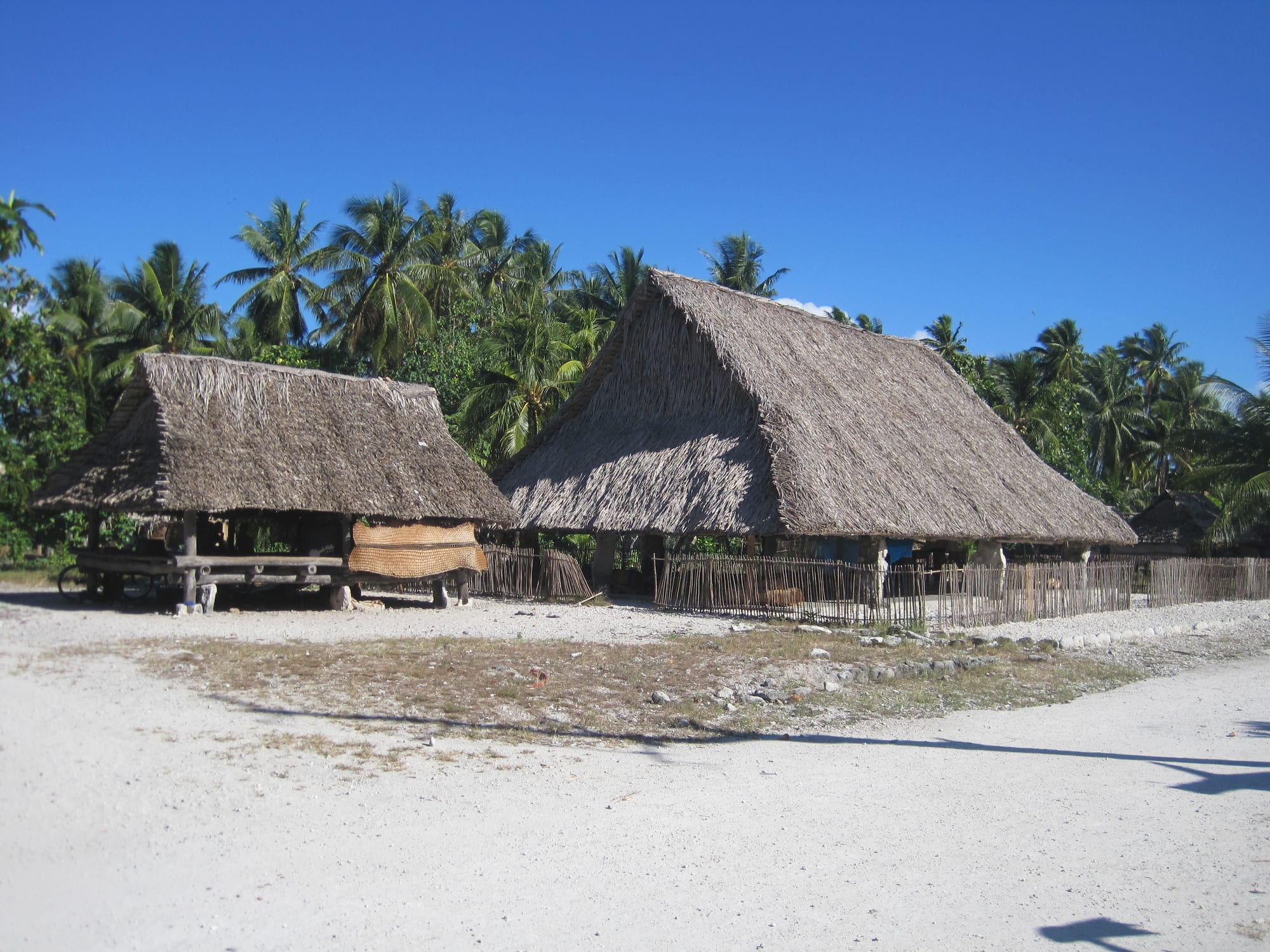
The maneaba — a large open meeting house with a vast overhanging thatched roof — is the physical and social centre of every I-Kiribati community, where decisions are debated, feasts held, and dancing performed. Kiribati dance (te mwaie), with its sudden bird-like movements of the arms and head, is distinctive in the Pacific, and visitors invited to a maneaba event witness something few outsiders see.
Sunday church singing across South Tarawa is another highlight of the local soundscape.
4. North Tarawa and the outer islands
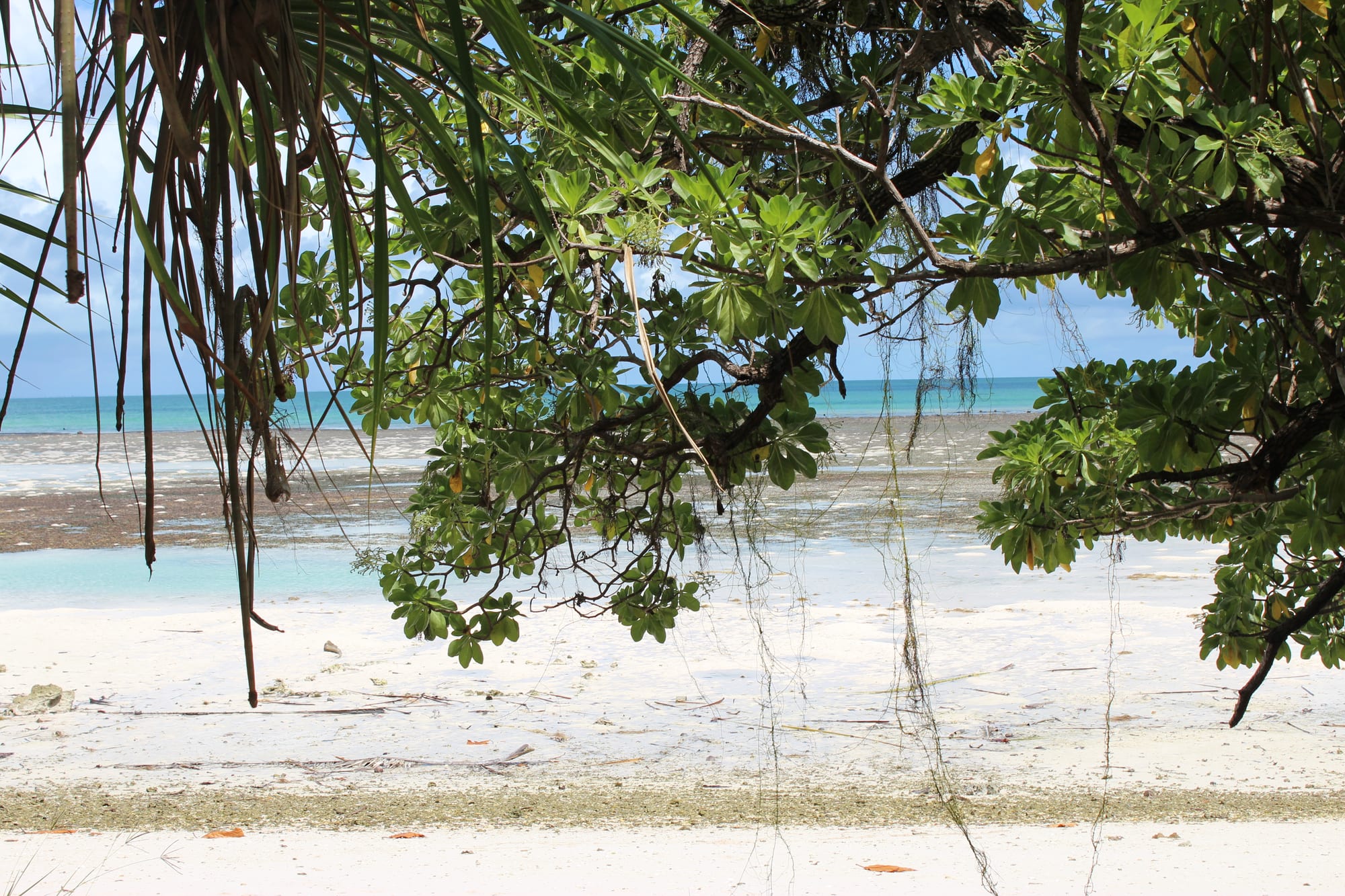
Away from the crowded capital, life slows. North Tarawa, reached by boat or a tidal causeway, has thatched villages, empty beaches, and one or two simple eco-lodges. Nearby atolls in the Gilbert group — Abaiang, Marakei, Maiana, Abemama (where Robert Louis Stevenson stayed) — see very few visitors and offer lagoon fishing, canoe sailing, and homestays.
Domestic flights and cargo boats serve the outer Gilberts on irregular schedules; patience and flexible plans are essential.
5. Kiritimati (Christmas Island)
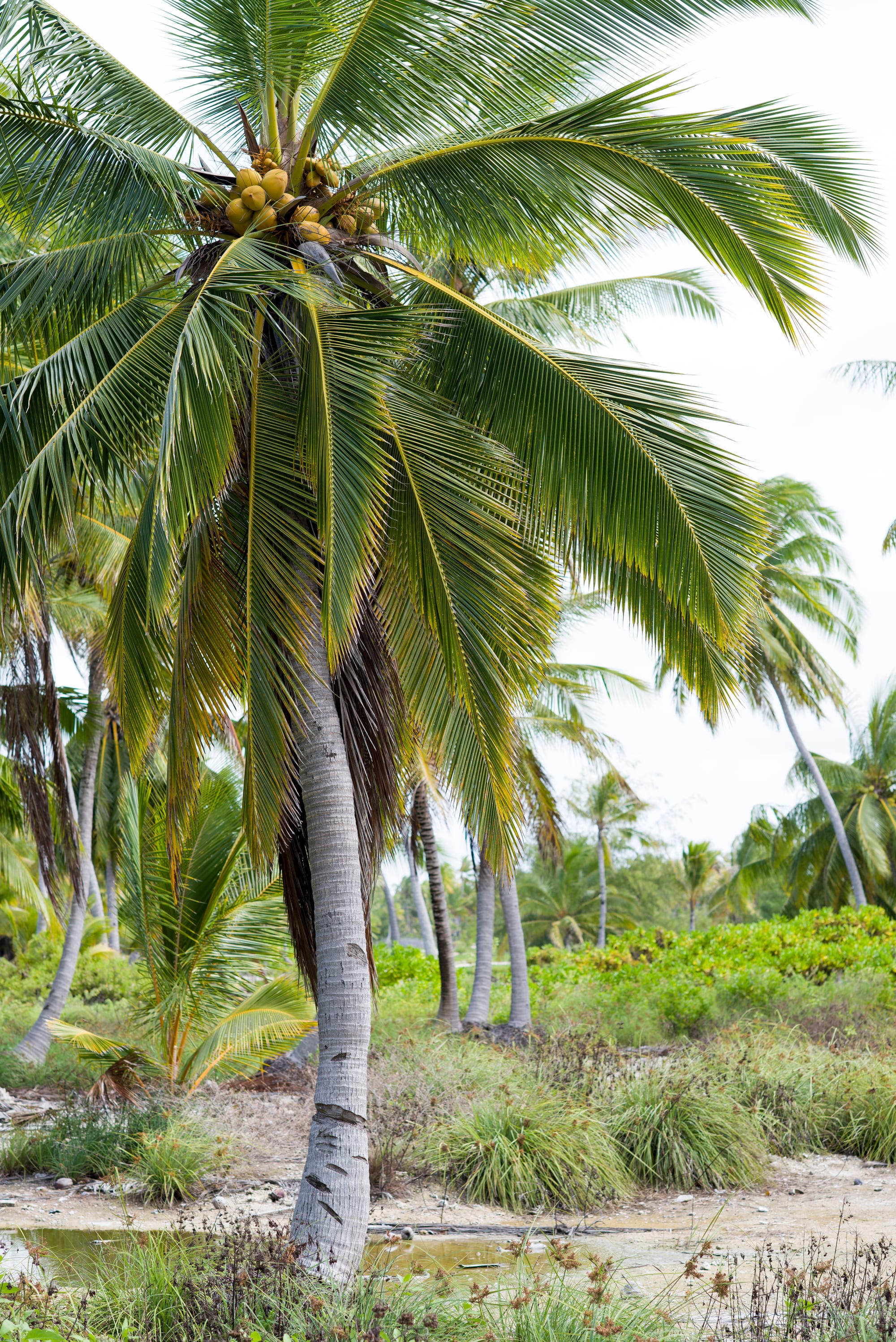
Kiritimati, in the Line Islands about 3,300 kilometres east of Tarawa, is the largest coral atoll on earth and, thanks to a time-zone quirk, the first inhabited place to enter each new day. Its huge shallow lagoon and reef flats are a world-renowned bonefishing destination, and its skies and sea life draw birdwatchers; it was also a British and American nuclear test site in the 1950s and 60s. It has its own airport with flights from Fiji and Honolulu.
It functions almost as a separate destination from the rest of Kiribati.
6. The Phoenix Islands Protected Area
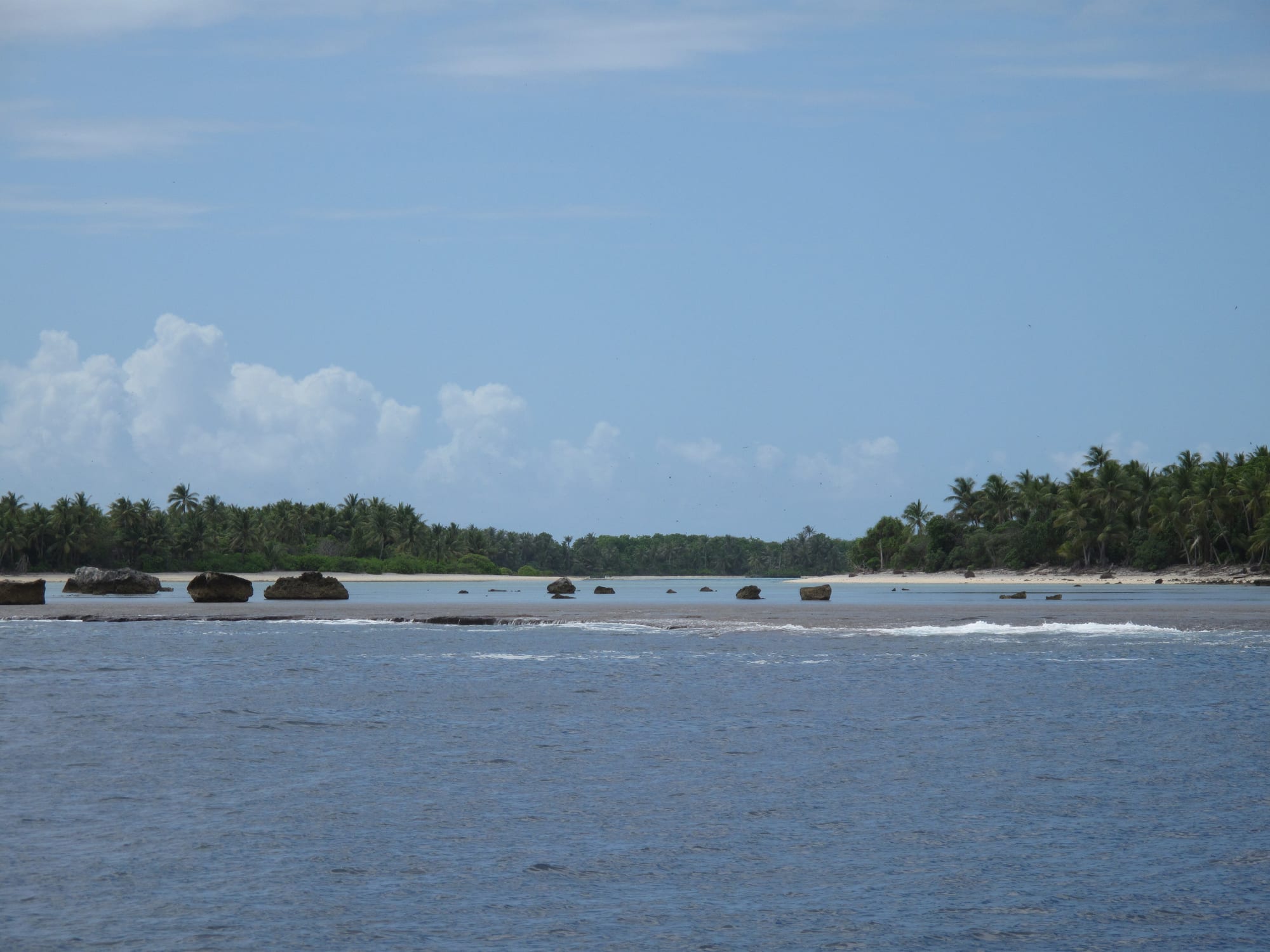
Between the Gilbert and Line groups lie the eight Phoenix Islands, almost all uninhabited, surrounded by one of the largest marine protected areas in the world — roughly the size of California — and a UNESCO World Heritage Site for its near-pristine coral reefs, seabird colonies, and deep-sea seamounts. One of the islands, Nikumaroro, is a leading candidate for where Amelia Earhart's flight came down in 1937.
There is no tourism infrastructure; the islands are visited only by the rare research or expedition vessel.
A note on the sea
Kiribati has become a symbol of the countries on the front line of climate change. Rising seas, king tides, and saltwater intrusion into freshwater lenses and crops are already problems on the low atolls, and the government has bought land in Fiji as a precaution. Visitors will see seawalls, damaged coconut groves, and communities discussing what the coming decades hold. It is part of what a trip here means.
Kiribati is one of the least-visited countries on earth. A visit is usually a few days on Tarawa (with the war sites and a night or two on North Tarawa), or a dedicated fishing or birding week on Kiritimati — the two are not easily combined.