History · Kenya
Kenya: Highlands, Coast, and Rift
A Swahili trading coast and a fertile highland taken for white settlement — the Mau Mau rebellion, independence under Kenyatta, decades of one-party rule, and East Africa's commercial hub
By Worldlore Editorial · 10 September 2026
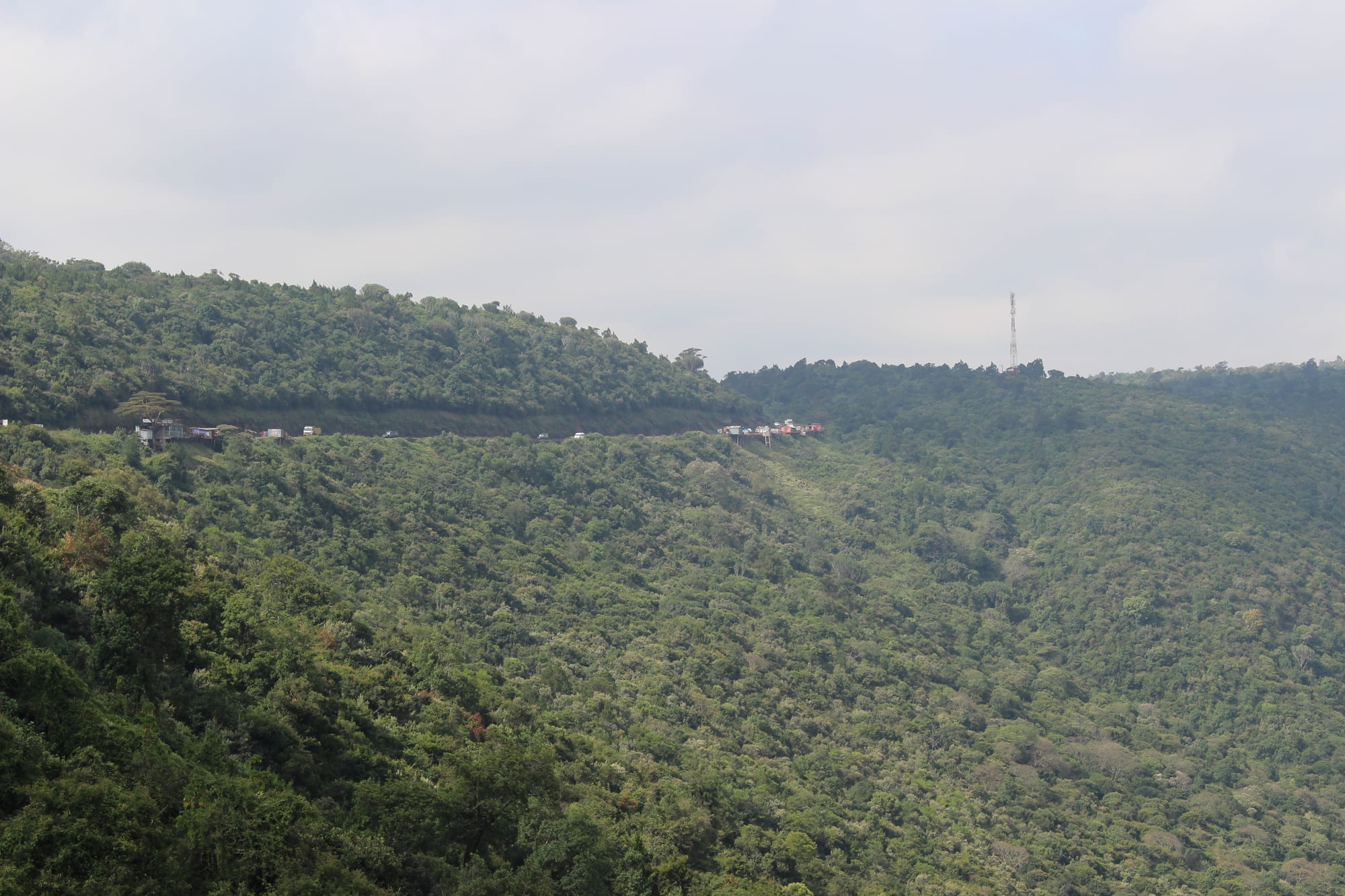
A country of very different lands
Kenya sits on the Equator on the Indian Ocean coast of East Africa, and it packs in sharply different worlds: a hot, historically Muslim coast facing the Indian Ocean; a cool, fertile central highland around Mount Kenya; the arid pastoral north; and the Great Rift Valley running through the middle. Its more than forty ethnic groups, and the land question at the heart of its colonial and post-colonial history, both follow those divisions.
A short history
- from c. 800 CE
The Swahili coast
Muslim city-states trade across the Indian Ocean.
- 1498–1698
Portuguese Mombasa
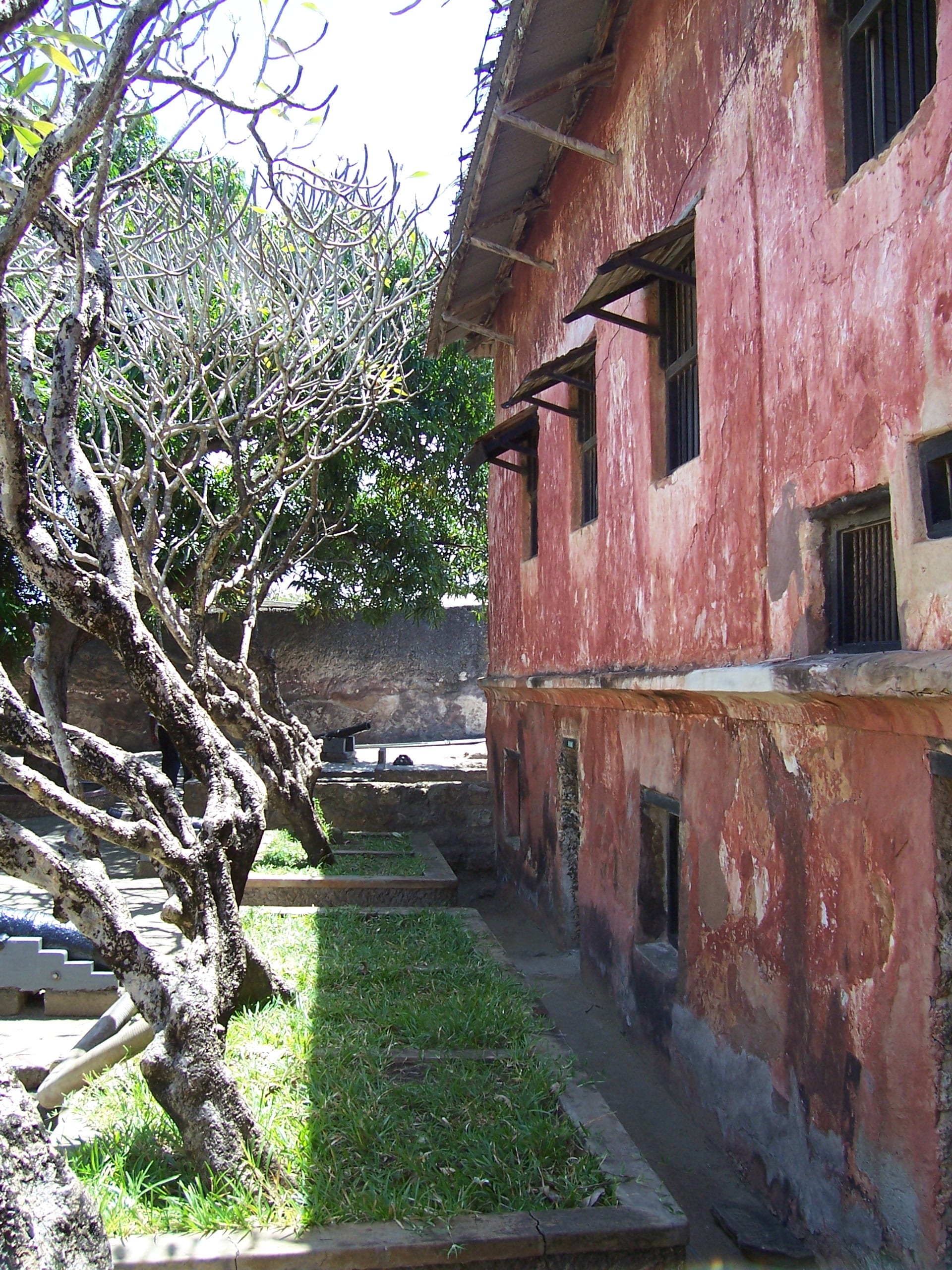
Fort Jesus built; the Omanis later drive the Portuguese out.
- 1895
The Protectorate
Britain takes the "East Africa Protectorate".
- 1896–1901
The Uganda Railway
Built with indentured Indian labour; settlers follow.
- 1920
Crown Colony
The fertile "White Highlands" reserved for settlers.
- 1952–1960
Mau Mau
An armed revolt and a brutal British counterinsurgency.
- 1963
Independence
Jomo Kenyatta becomes leader.
- 1978–2002
The Moi era
24 years of one-party rule and corruption.
- 2007–2008
Post-election violence
Around 1,100 killed; a new constitution follows in 2010.
Coast and interior
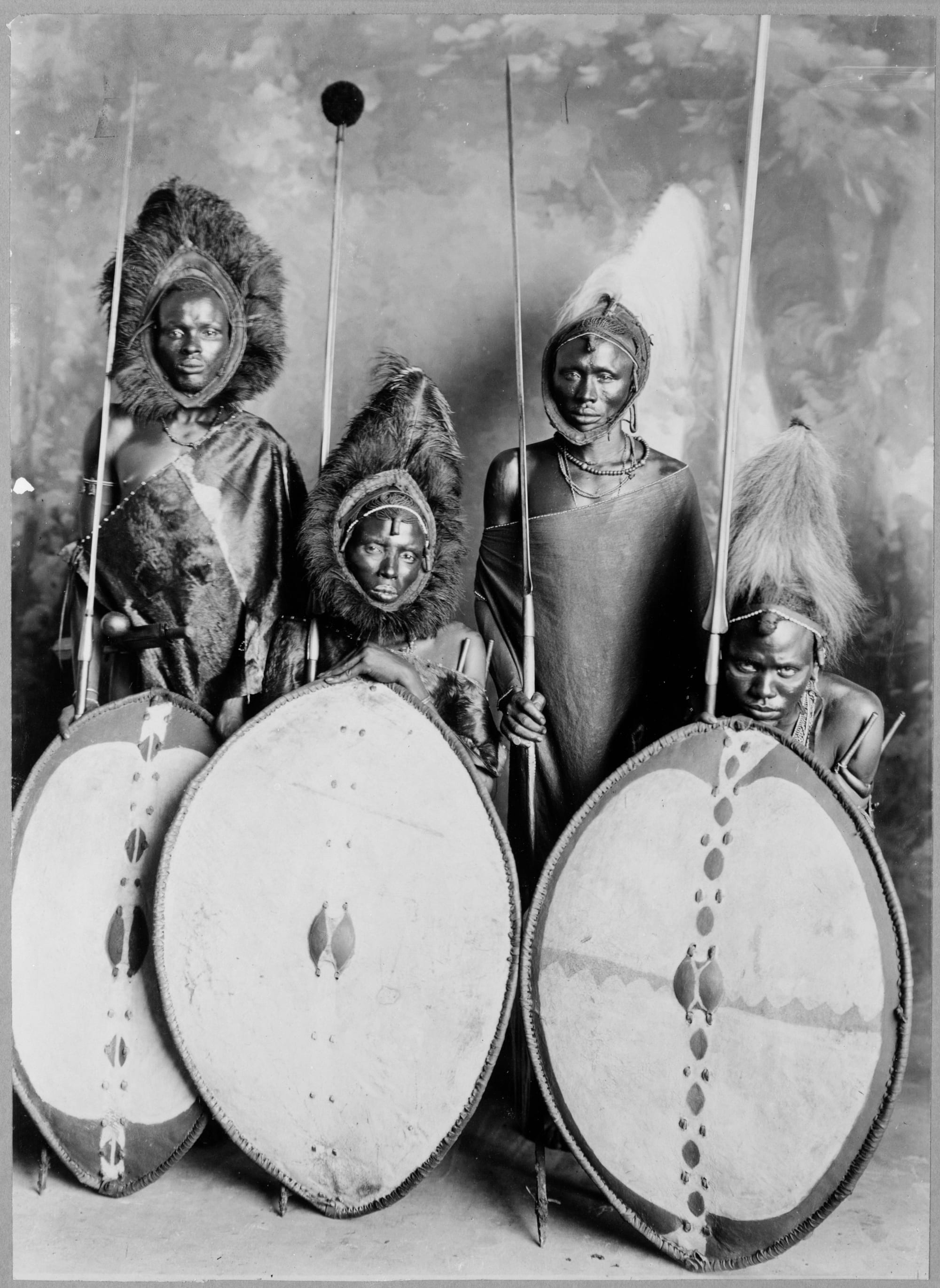
Kenya's coast was, from around 800 CE, part of the Swahili world — a chain of Muslim, Swahili-speaking merchant city-states, among them Mombasa, Malindi and Lamu, trading ivory, gold and enslaved people across the Indian Ocean. In the interior, Bantu-speaking farmers such as the Kikuyu settled the highlands, while Nilotic pastoralists like the Maasai and the Kalenjin held the Rift and the plains.
Before the British
The settler colony
The 1886 and 1890 Anglo-German agreements gave Kenya to Britain, which declared a protectorate in 1895 and built the Uganda Railway from Mombasa to Lake Victoria using some 32,000 indentured Indian labourers — many of whom stayed, founding Kenya's Asian community. To make the costly railway pay, Britain promoted white settlement of the fertile highlands. Settlers took large tracts of African land, and Africans were confined to reserves, taxed, made to carry passes, and pushed into cheap labour. Kenya became a Crown Colony in 1920, with a rigid racial order.
Mau Mau
Land hunger and grievance among the Kikuyu erupted in the Mau Mau rebellion of 1952–60. Britain declared a state of emergency and fought a savage counterinsurgency: around 1.5 million Kikuyu were detained in camps or forced into guarded villages, torture was systematic, and tens of thousands of Kikuyu were killed, against a few dozen European settlers.
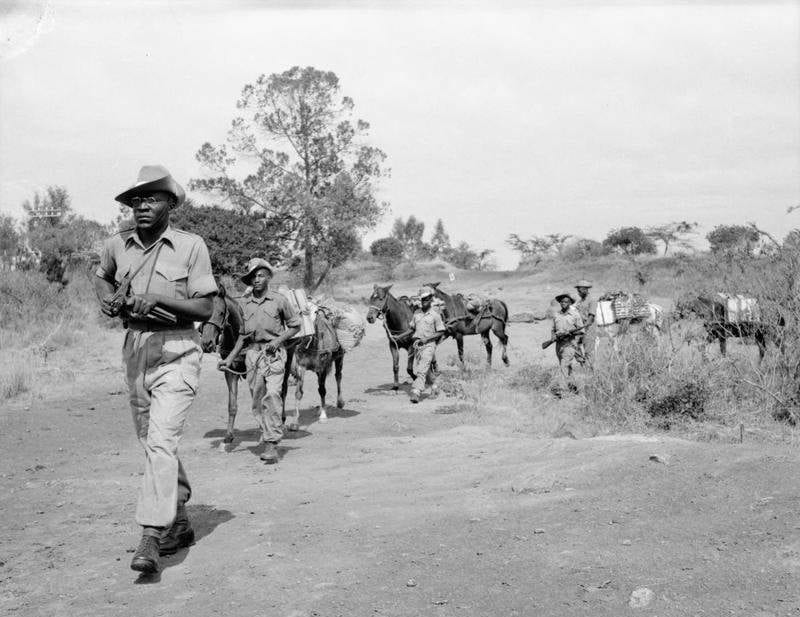
Jomo Kenyatta was jailed as an alleged Mau Mau leader on thin evidence. In 2013, Britain expressed regret and paid compensation to surviving torture victims.
Independence, Kenyatta, and Moi
Kenya became independent on 12 December 1963, with Kenyatta as leader. His rule brought stability, a pro-Western capitalist path and growth — but also a de facto one-party state, the assassination of prominent critics, and the accumulation of land and wealth by a connected elite; redistribution largely handed settler farms to the well-placed rather than the landless.
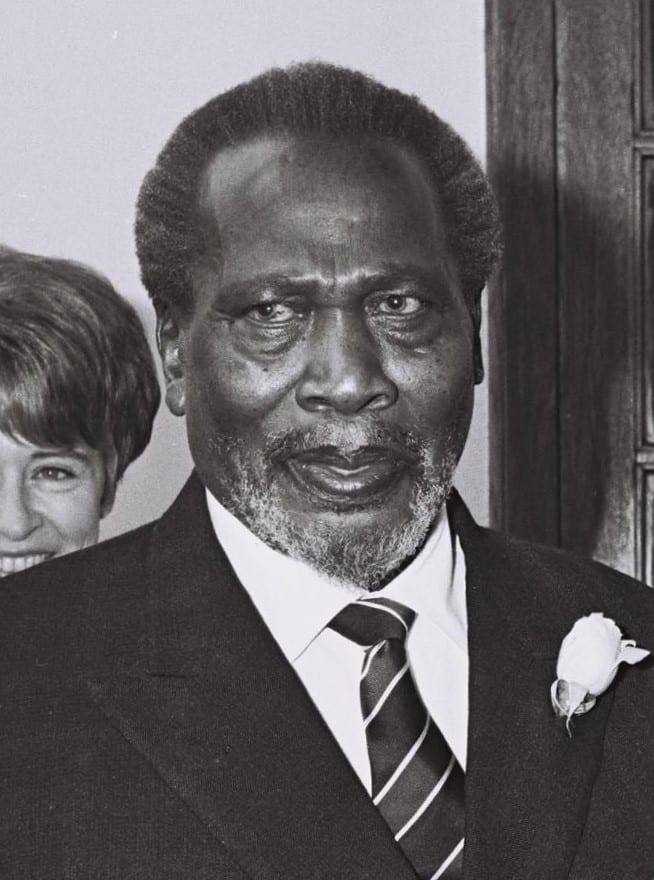
Moi's years brought deeper corruption and repression. Multiparty politics was restored under pressure in 1991, but Moi won flawed elections in 1992 and 1997, helped by a divided opposition and state-organised ethnic violence.
Since 2002
A united opposition ended KANU's 39-year rule in 2002. The disputed 2007 election then triggered post-election violence that killed around 1,100 people and displaced some 600,000. A power-sharing deal followed, and in 2010 Kenyans approved a new constitution that devolved power to 47 counties and curbed the presidency.
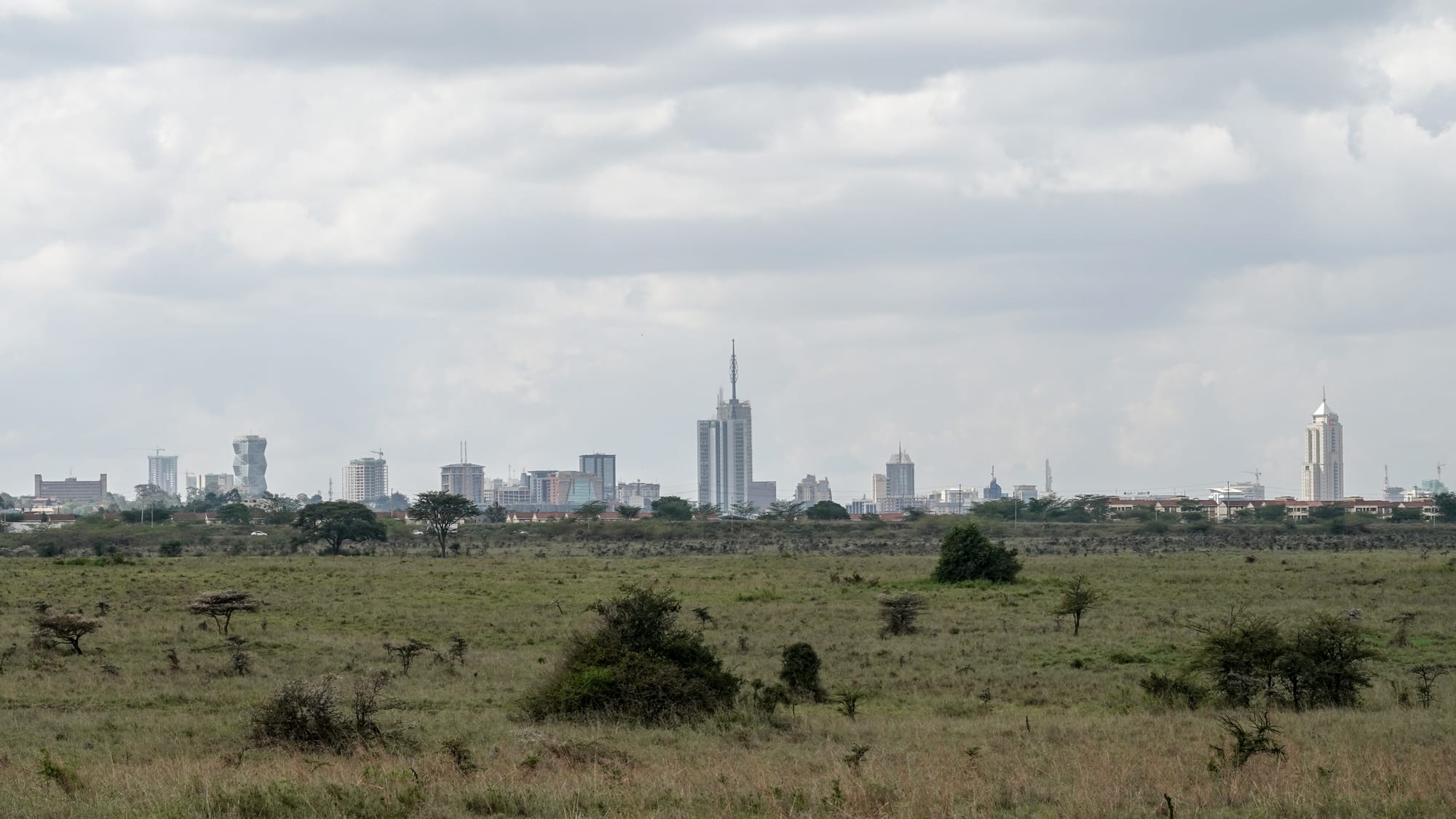
Kenya is now East Africa's largest economy, built on tea, horticulture, tourism and services, alongside heavy Chinese-financed infrastructure, high debt, drought, and attacks by Somalia's Al-Shabaab. Youth-led protests against corruption and taxation in 2024 were met with lethal force.
What Kenya carries
Kenya's central thread is land: the highlands taken for settlers, the reserves and pass laws, the rebellion that land grievance produced, and the failure of independence to give that land back to those who had lost it. Layered on top is ethnicity, repeatedly mobilised at election time. The 2010 constitution was an attempt to defuse both — by spreading power out from a presidency that had been worth killing for.