Food · Kenya
Kenya: Food and the National Dish
A firm maize dough eaten by hand with greens and stew, and a grilled-meat social tradition that has become as central to Kenyan life as the staple itself
By Worldlore Editorial · 16 September 2026
A staple that unites dozens of ethnic kitchens
Kenya is home to more than 40 ethnic groups, each with its own culinary traditions, from Kikuyu highland cooking to Luo lakeside fish dishes to Swahili coastal cuisine shaped by centuries of Indian Ocean trade. What crosses nearly all of them is ugali, a firm maize-meal dough that anchors the everyday Kenyan meal regardless of region.
The national dish: ugali
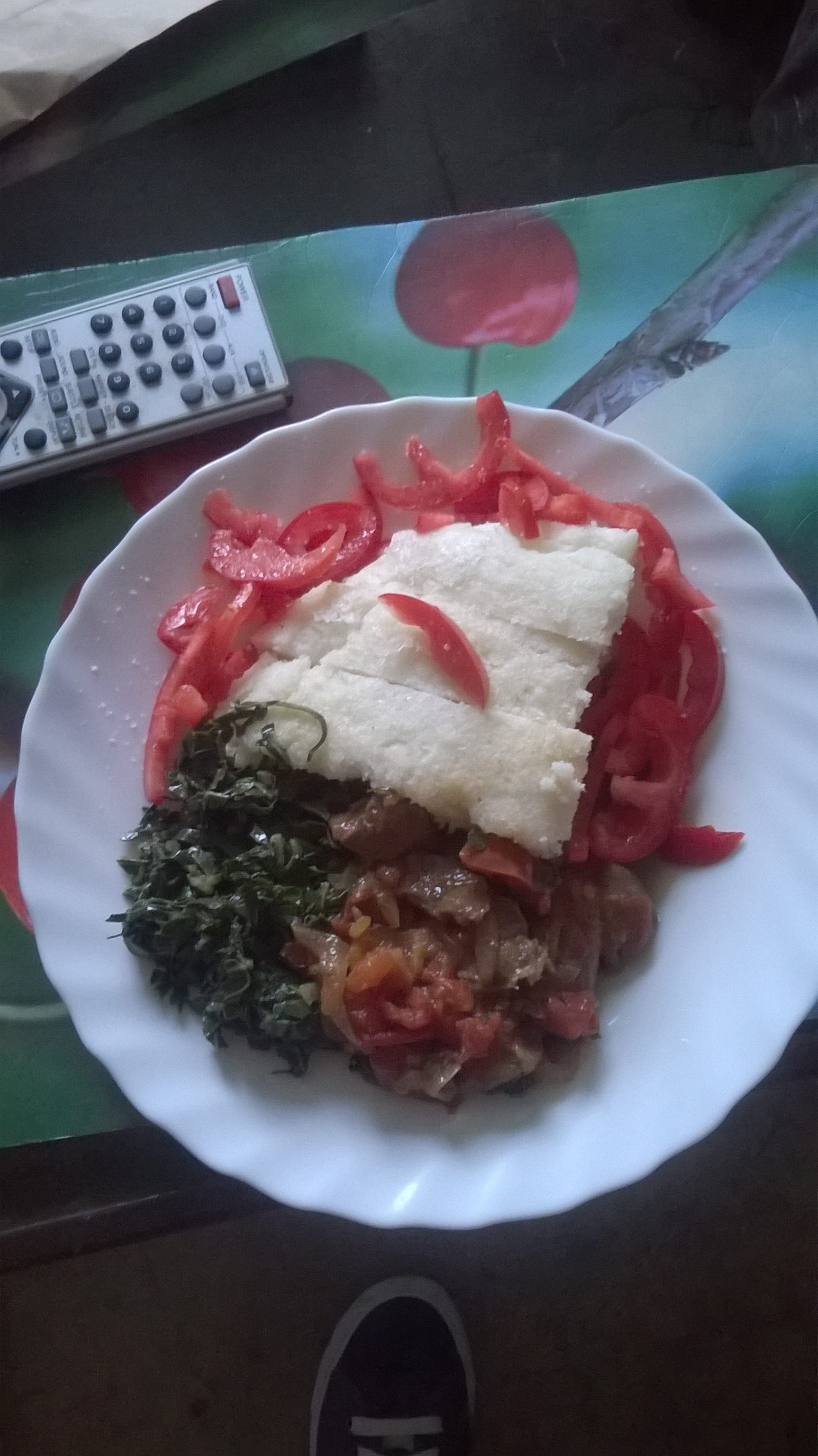
Ugali, maize flour cooked with water into a firm, dense dough, is Kenya's national dish and its most universal staple, eaten by hand and used to scoop up accompanying stews, greens or meat. Plain by itself, ugali's role is less about flavour than function, a reliable, filling base that pairs with whatever vegetables, meat or sauce a household has on hand.
Sukuma wiki, nyama choma and the everyday pantry
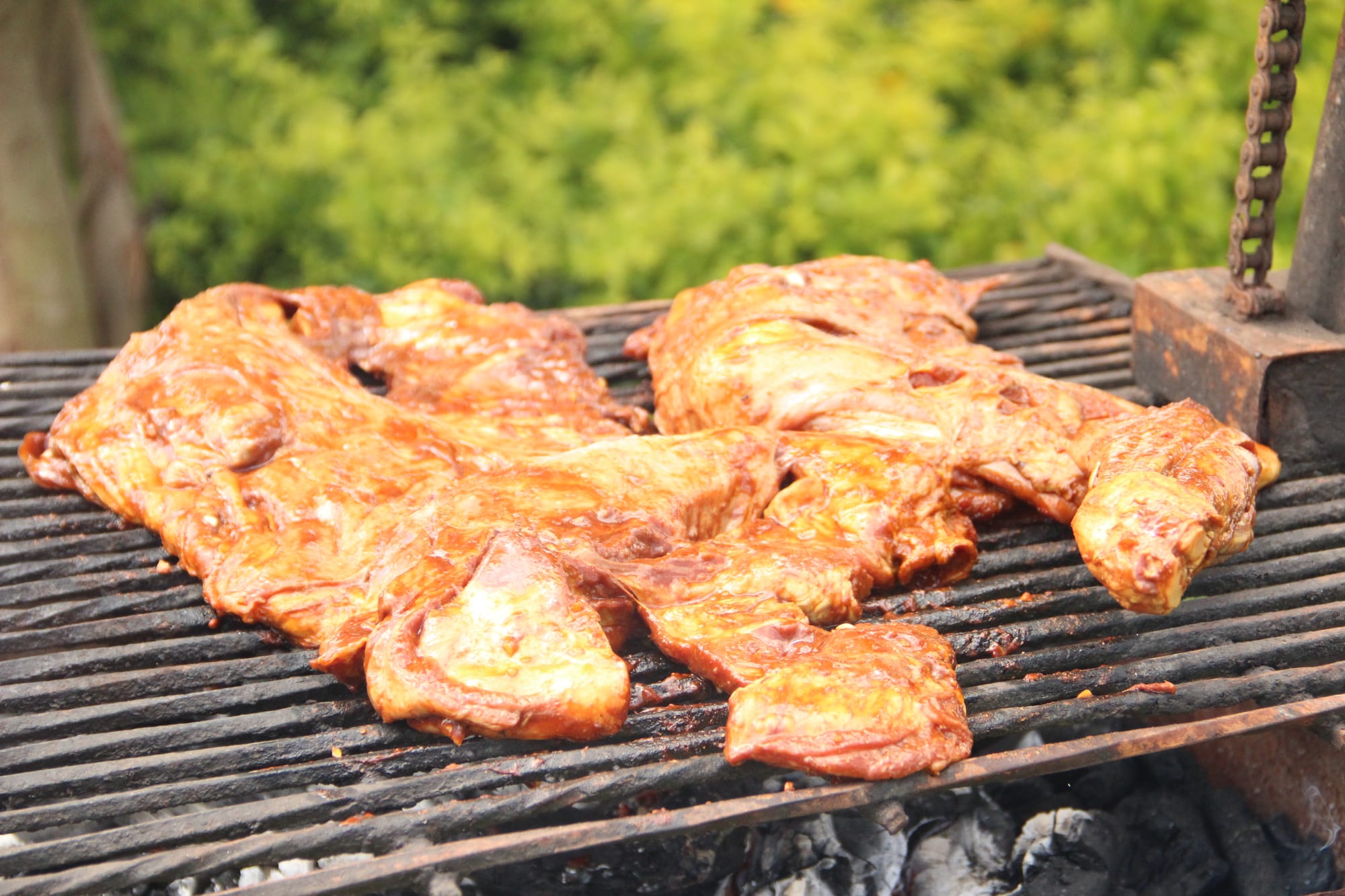
Sukuma wiki, sautéed collard greens whose Swahili name translates roughly to "stretch the week," pairs with ugali as the most common everyday Kenyan meal, especially in households stretching a tight budget. Nyama choma, grilled meat, usually goat or beef, is less an everyday dish than a genuine social occasion, central to weekend gatherings, celebrations and family time across the country.
History behind the staple
Maize arrived in East Africa via Portuguese trade routes centuries ago and gradually displaced older staples like sorghum and millet to become Kenya's dominant crop, a shift reflected directly in ugali's current central role. British colonial rule from the late 19th century established Kenya's tea and coffee plantation economy, crops that remain major exports today even though both drinks are consumed far more abroad than as a routine part of the everyday Kenyan diet.
Coast, highlands and the Rift Valley
Kenya's Swahili coast carries a distinct food identity shaped by centuries of Indian Ocean trade, coconut, spices and dishes like pilau reflecting Arab, Persian and Indian influence, genuinely different from the ugali-and-sukuma-wiki cooking of the Kikuyu highlands or the milk-and-meat-centred traditions of pastoralist communities like the Maasai in the Rift Valley.
Dishes to know
Five more to recognise across Kenya:
- Nyama choma — grilled meat, usually goat or beef, central to Kenyan
social gatherings.
- Sukuma wiki — sautéed collard greens, the everyday companion to
ugali.
- Githeri — a mix of boiled maize and beans, a filling, economical
staple especially in Kikuyu households.
- Chapati — a flatbread reflecting Indian influence, brought by Indian
labourers during the colonial-era railway construction.
- Pilau — a spiced rice dish from Kenya's Swahili coast, reflecting
Arab and Indian culinary influence.
Drinks
Kenyan tea, grown in the country's highlands and among the world's leading exports, is brewed strong with milk as a genuine daily habit, distinct from how the leaves are typically used once exported. Kenyan coffee has an internationally strong reputation for quality, though much of the crop is grown for export rather than everyday domestic drinking.
Eating as a traveller
Vegetarians will find ugali, sukuma wiki and githeri manageable, though meat, especially at social gatherings built around nyama choma, is central to Kenyan food culture. Tap water is not reliably safe outside major hotels; stick to bottled or boiled water. Joining a nyama choma gathering, if invited, is one of the most genuine ways to experience Kenyan food as a social event rather than just a meal.
What to take from the table
Ugali, plain and purposeful, is the dish that anchors everyday Kenyan eating — but nyama choma, shared slowly among friends and family, shows how much Kenyan food culture is really about the gathering itself.