Attractions & Natural Wonders · Kenya
Kenya: Ten Attractions and Natural Wonders
The plains of the Maasai Mara at the height of the migration, elephants against Kilimanjaro, flamingo-pink Rift Valley lakes, a snow-capped equatorial peak, and a Swahili stone town on the Indian Ocean
By Worldlore Editorial · 19 September 2026
The home of the safari
Kenya, on the equator on the east coast of Africa, is where the modern safari was invented, and it remains one of the best places in the world to see big wildlife. It has about 56 million people, over 40 ethnic groups, the Great Rift Valley running down its middle, Africa's second-highest mountain, and a long Indian Ocean coast with a distinct, ancient Swahili culture. Nairobi is the regional hub for business, aid, and travel.
The ten below run from the famous parks through the highlands to the coast. The dry seasons (roughly June–October and January–February) are best for game viewing; the wildebeest migration reaches the Mara from about July to October, and the coast is warm year-round with a rainy spell around April–May.
1. The Maasai Mara
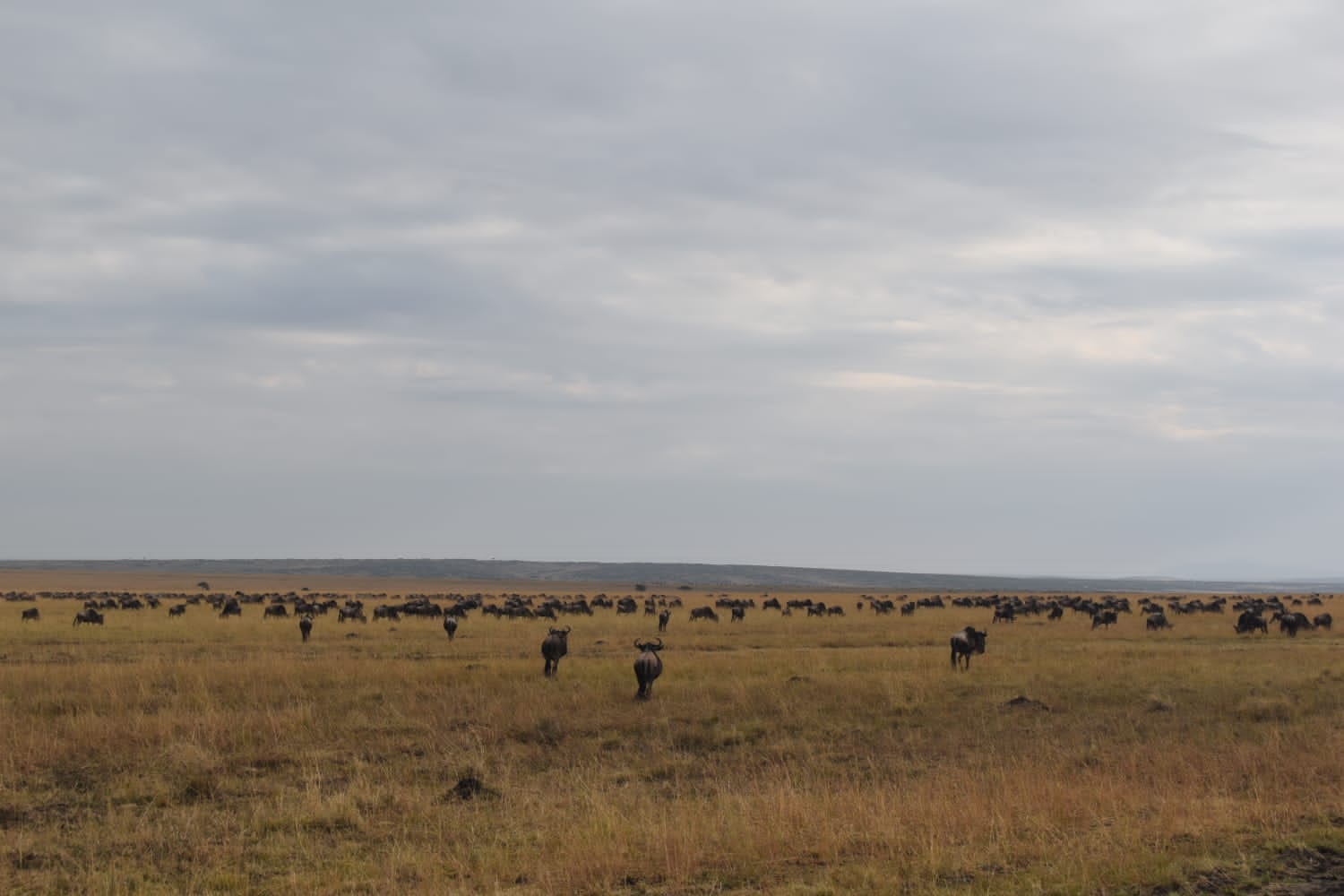
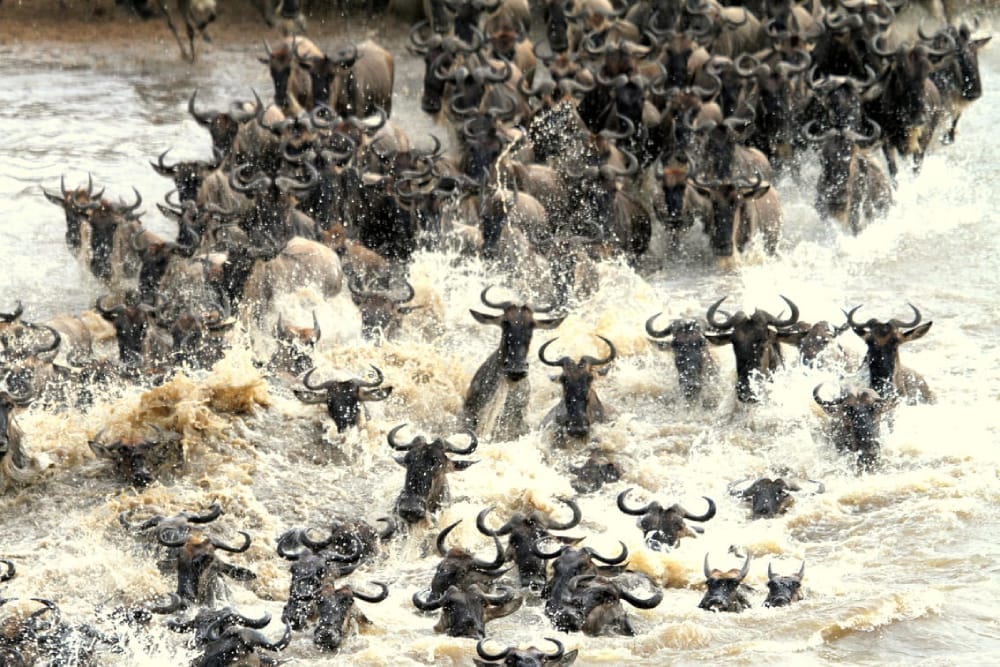
The Maasai Mara, the northern extension of Tanzania's Serengeti, is Kenya's flagship reserve — open savanna with high densities of lion, cheetah, elephant, and buffalo year-round, and, from about July to October, the arrival of around 1.5 million wildebeest and zebra, with dramatic crocodile-lined crossings of the Mara river. The surrounding community conservancies offer quieter game viewing and walking and night drives.
It is reached by a short flight or a rough five-hour drive from Nairobi.
2. Amboseli
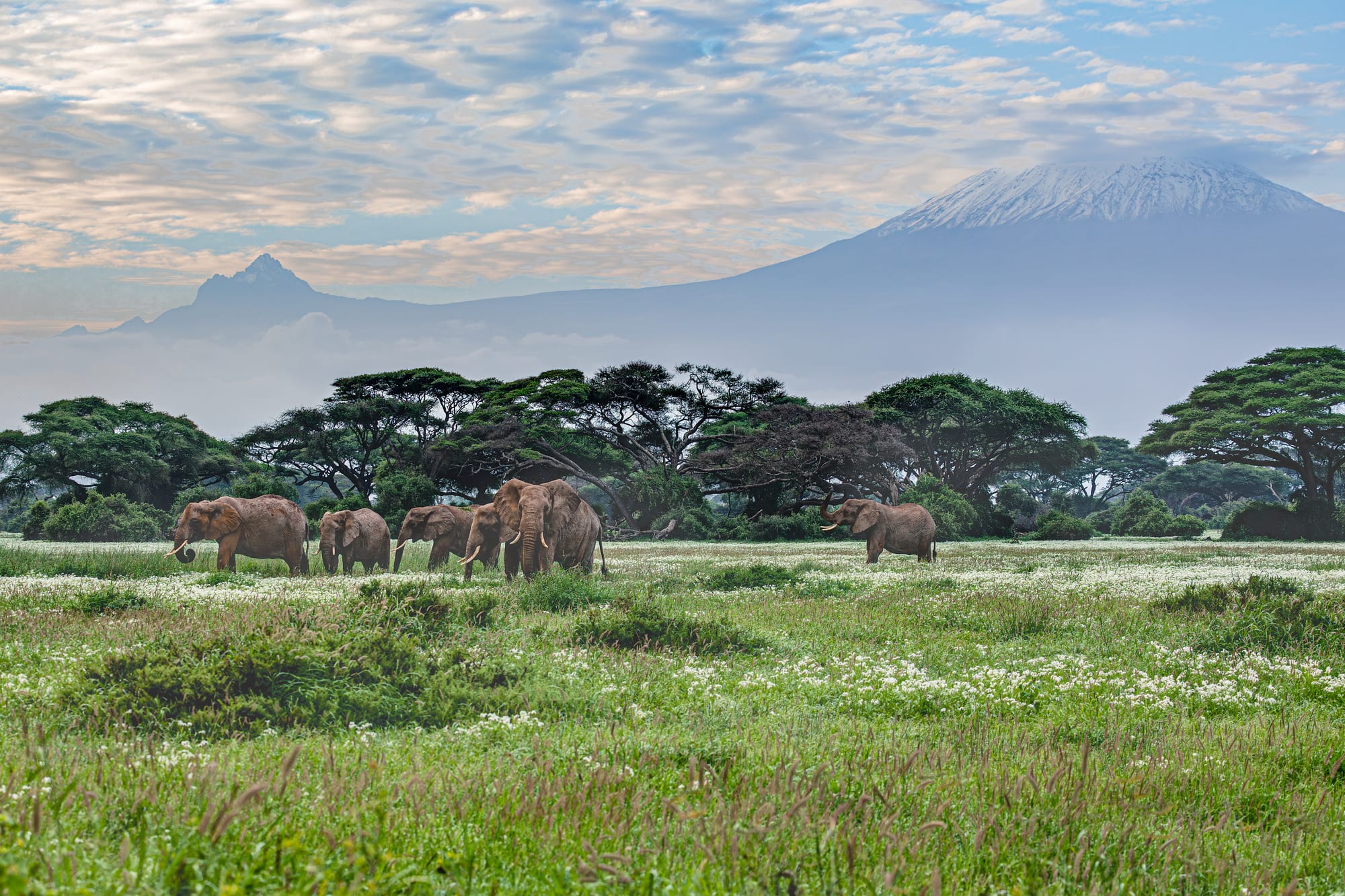
Amboseli, in the south near the Tanzanian border, is a small park with a big backdrop — Africa's highest mountain, Kilimanjaro, rising across the plain, most often clear at dawn and dusk. Its swamps, fed by meltwater, draw large elephant herds studied here for decades, along with hippos, and its dusty flats are dotted with Maasai. Observation Hill gives a rare walkable viewpoint.
It combines well with the Tsavo parks, which lie between Amboseli and the coast.
3. Lake Nakuru and the Rift Valley lakes
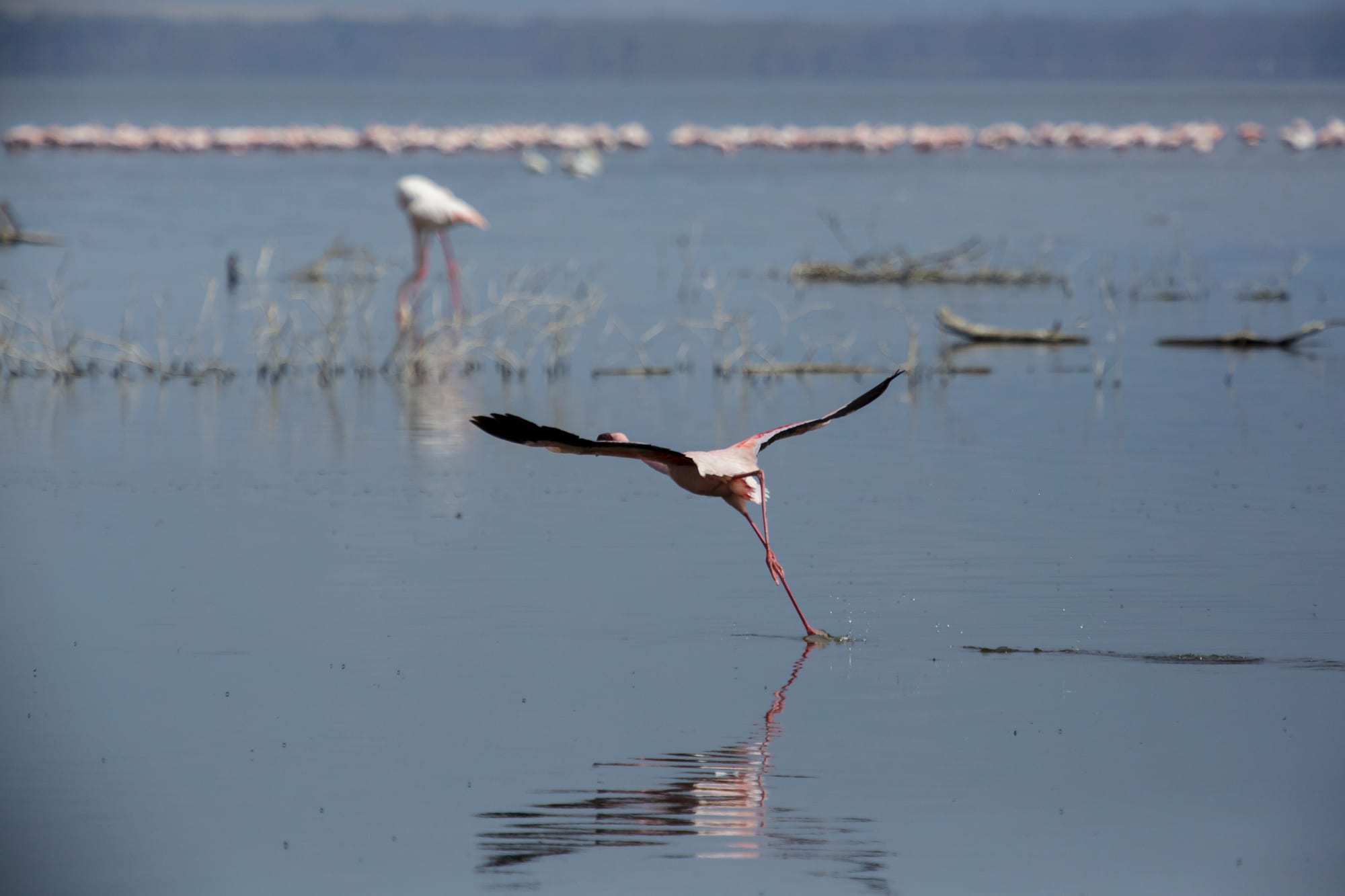
The floor of the Great Rift Valley holds a chain of shallow soda and freshwater lakes. Lake Nakuru, ringed by a national park, is famous for flocks of flamingos (numbers vary with water levels) and is a stronghold for both black and white rhino; Lake Bogoria has hot springs and its own flamingos; and Lake Elmenteita and Lake Baringo are birding hotspots. Several are jointly listed by UNESCO.
Nakuru is about three hours from Nairobi and an easy first or last stop on a safari loop.
4. Mount Kenya
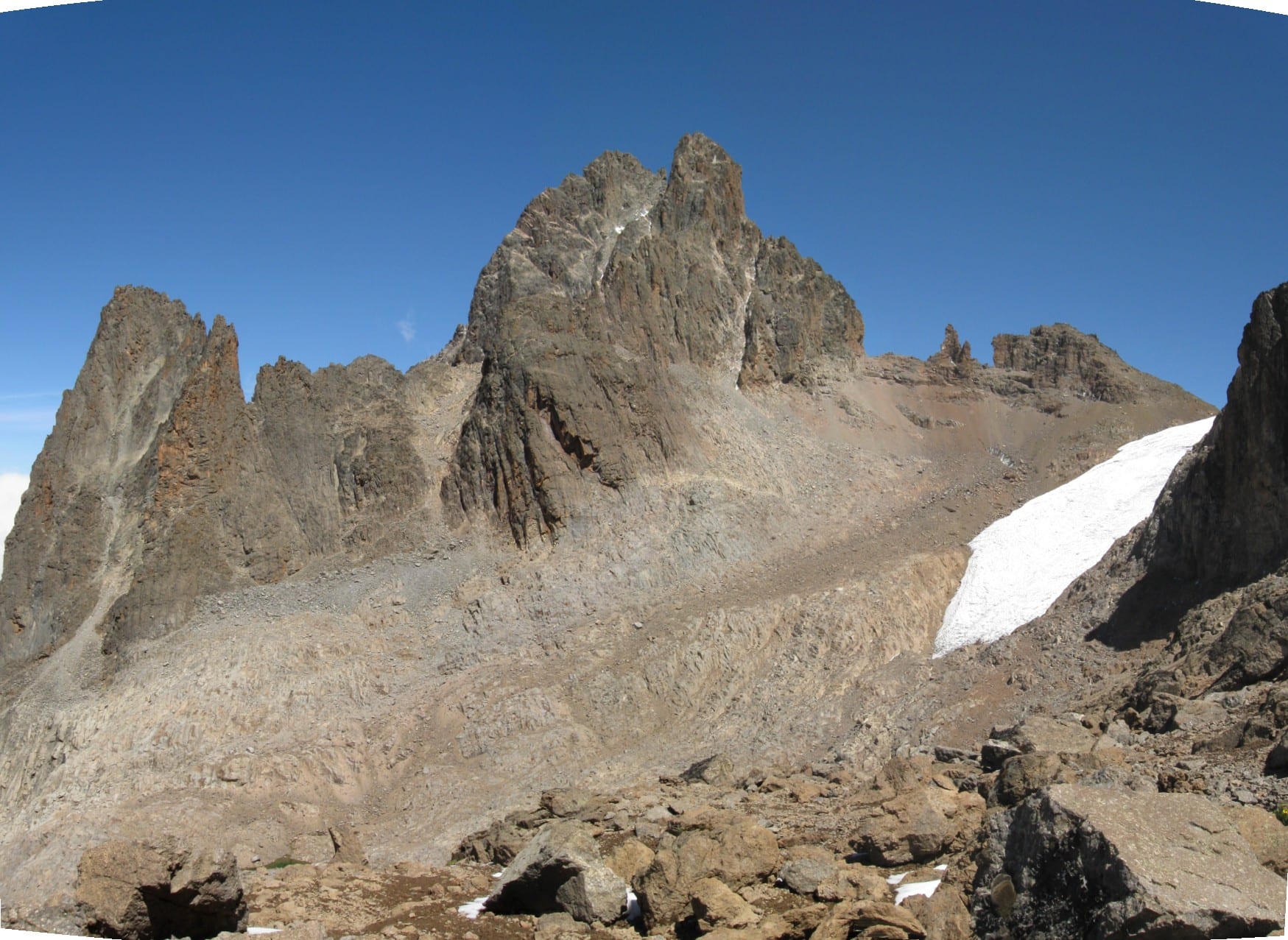
Mount Kenya, an eroded volcano straddling the equator, is the country's namesake and a UNESCO World Heritage Site. Its rocky twin summits, Batian and Nelion, need technical climbing, but the third peak, Point Lenana (4,985 m), is a strenuous three- to five-day trek through bamboo forest, giant heather, and otherworldly afro-alpine plants, with glaciers (shrinking fast) near the top. The forested lower slopes are ringed by highland farms and lodges.
The Chogoria route is the most scenic; Naro Moru the quickest.
5. Samburu
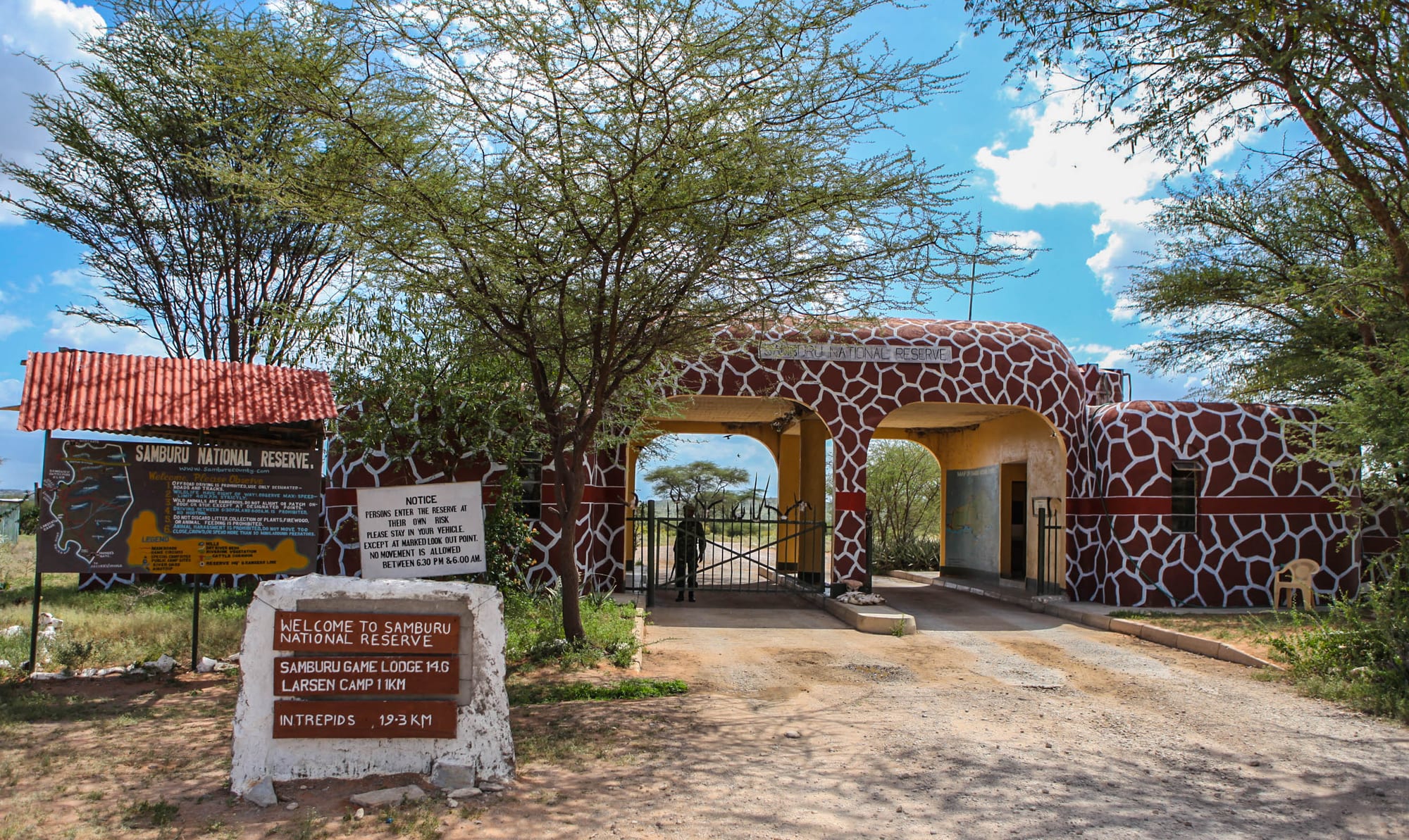
Samburu, Buffalo Springs, and Shaba, on either side of the Ewaso Ng'iro river in the dry north, offer a different safari — arid scrub and doum palms, and the "Samburu special five" adapted to the desert: Grevy's zebra, reticulated giraffe, Somali ostrich, gerenuk (a long-necked antelope that browses standing up), and beisa oryx. Leopards and large elephant herds come to the river.
The Samburu people, related to the Maasai, live around the reserves.
6. Nairobi
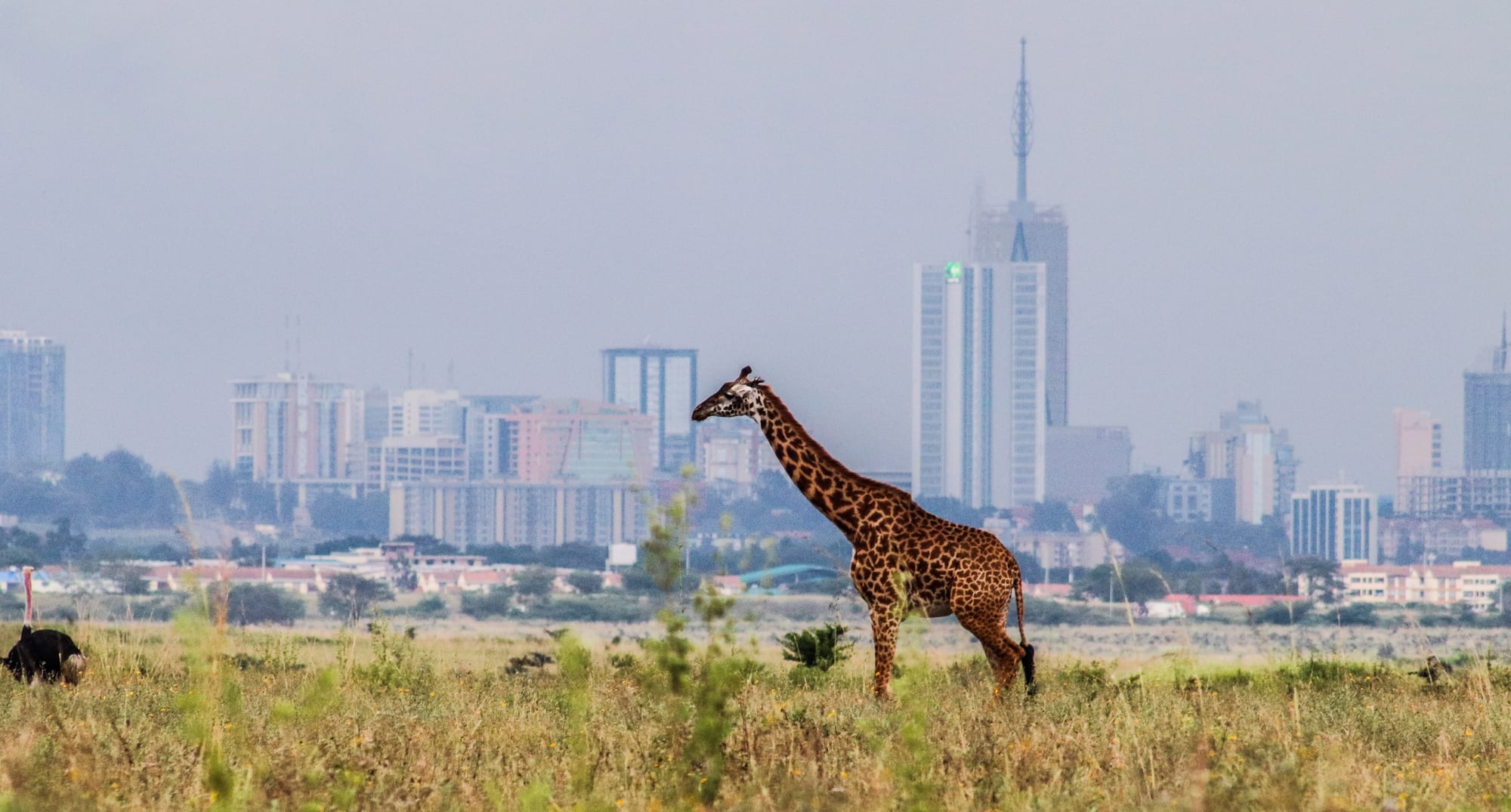
Nairobi, the capital, is East Africa's biggest city and, unusually, has a full national park on its doorstep — lions, rhino, and giraffe against a backdrop of skyscrapers. In and around town are the David Sheldrick elephant orphanage, the Giraffe Centre, the Karen Blixen house from Out of Africa, the Nairobi National Museum, and the Bomas cultural village.
Most visitors spend a night here at the start or end of a safari.
7. Hell's Gate and Lake Naivasha
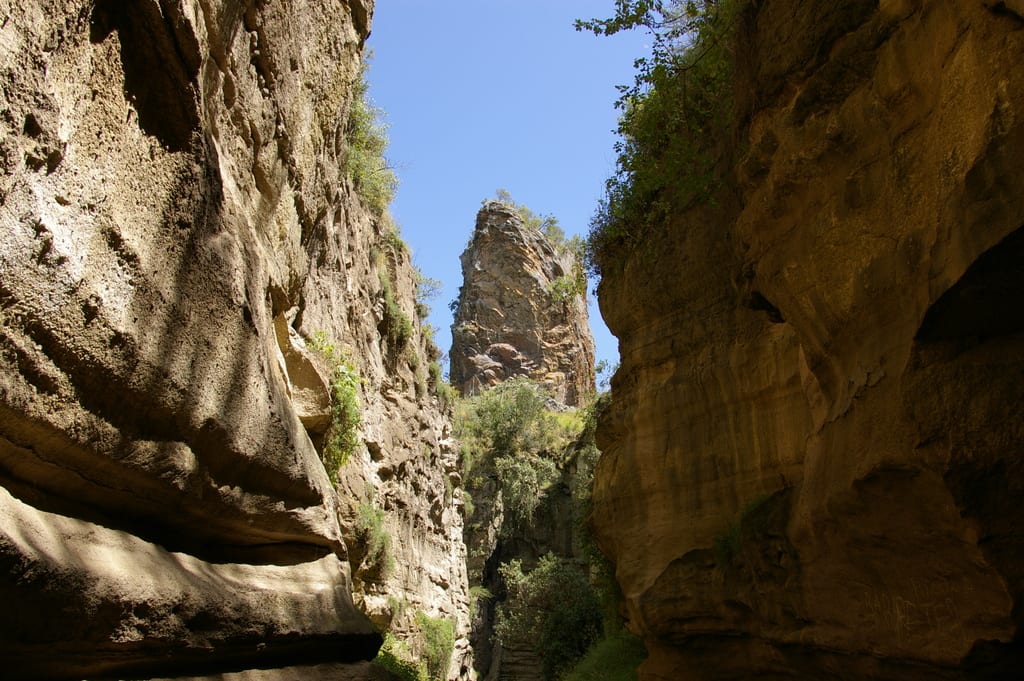
Hell's Gate, an hour and a half from Nairobi, is one of the few Kenyan parks with no big predators to speak of, so you can cycle or walk among zebra, giraffe, and gazelle, through a dramatic gorge of red cliffs and hot springs (it partly inspired the landscapes of The Lion King). Next to it, freshwater Lake Naivasha has hippos, boat trips, and Crescent Island, where you can walk among grazing wildlife.
The two make an easy overnight from Nairobi.
8. Diani Beach and the south coast
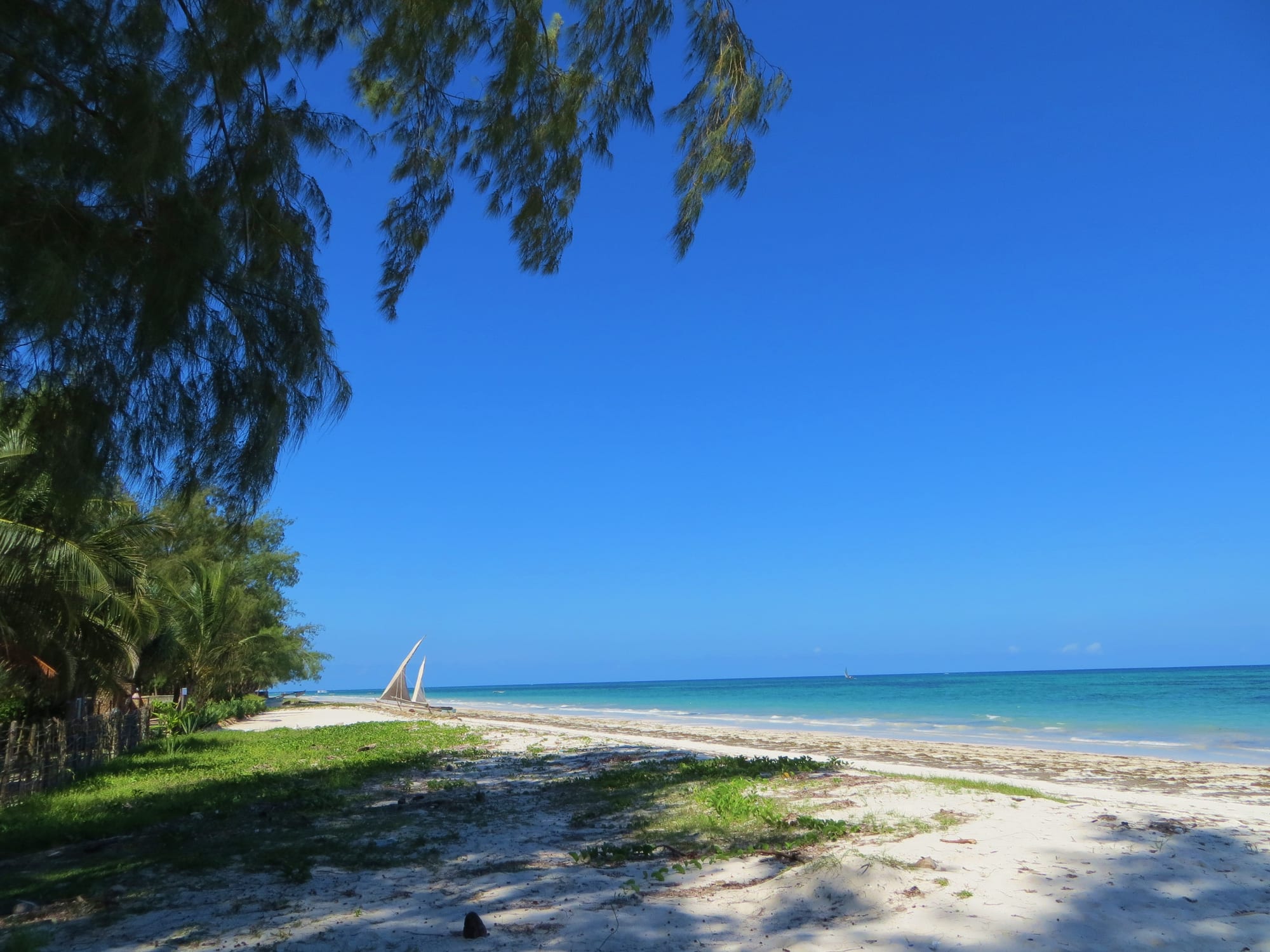
Kenya's coast is warm, reef-protected, and lined with white sand. Diani, south of Mombasa, is the best-known resort beach; the Wasini and Kisite marine park offshore has dolphins and snorkelling; and inland, the Shimba Hills reserve has elephants and the Sheldrick Falls. Mombasa itself has a Swahili old town and the Portuguese Fort Jesus.
North of Mombasa, Watamu and Malindi add more reef, the Gede ruins, and the Arabuko-Sokoke coastal forest.
9. Lamu
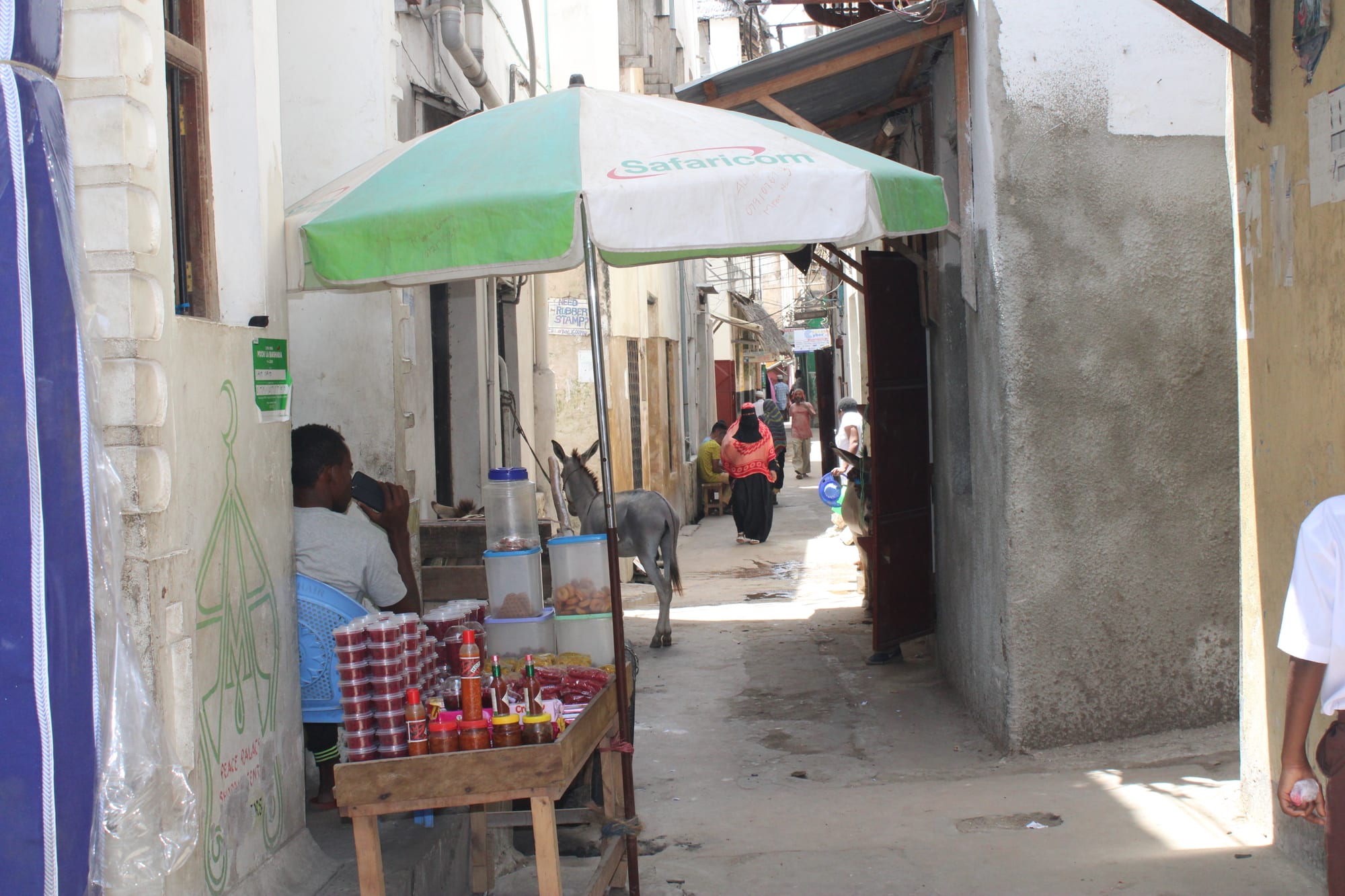
Lamu, on an island in the far north, is a car-free Swahili town of coral-stone houses, carved doors, mosques, and donkeys, largely unchanged for centuries and a UNESCO World Heritage Site. Life runs on dhow sailing, the seafront, and festivals like Maulidi. Nearby Shela has a long dune-backed beach.
It is reached by a short flight to Manda island and a boat across the channel; check current travel advice, as the far-northeast coast near the Somali border has security concerns.
10. Lake Turkana and the north
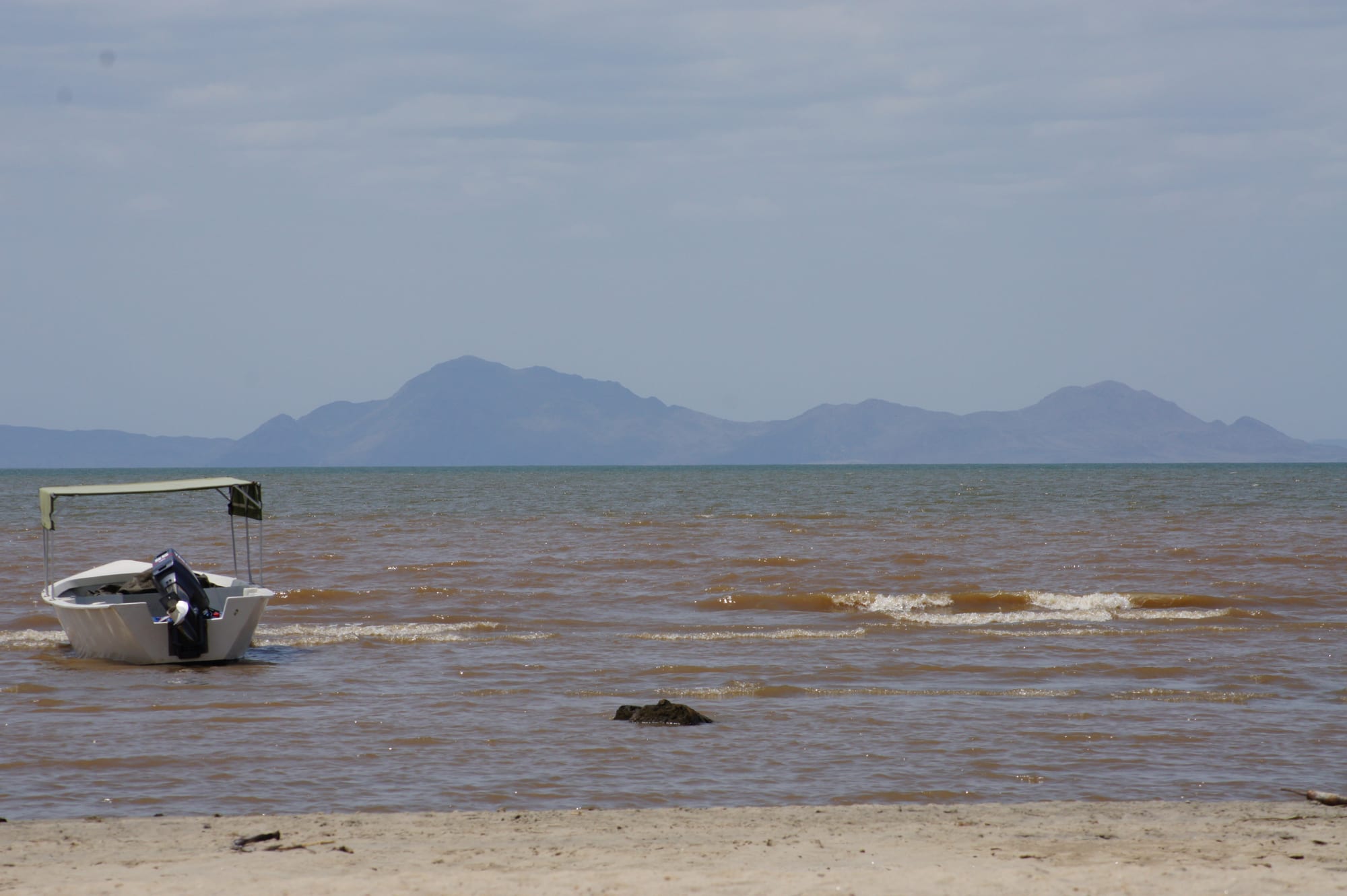
Lake Turkana, in the far north, is a startling jade-coloured lake in black volcanic desert, with crocodiles, Nile perch, and the fossil beds that produced "Turkana Boy" and other landmark early-human finds — its national parks are a UNESCO World Heritage Site. The wider north — Marsabit, the Chalbi Desert, the Ndoto and Mathews ranges, and the culture of the Turkana, Rendille, and El Molo — is Kenya's least-visited region.
It is a serious overland expedition (or a charter flight); go with an operator and check security.
A classic Kenya trip is a week to ten days combining two or three parks (the Mara plus Amboseli or Samburu, and a Rift Valley lake), flying between them, then a few days on the coast at Diani or Lamu to unwind.