Daily Life · Kenya
Kenya: A Day Run on Mobile Money
A country where a great many transactions, from a bus fare to a farm wage, moves through a phone, and where the extended family, the shamba, and the harambee fundraiser still hold the household together
By Worldlore Editorial · 30 September 2026
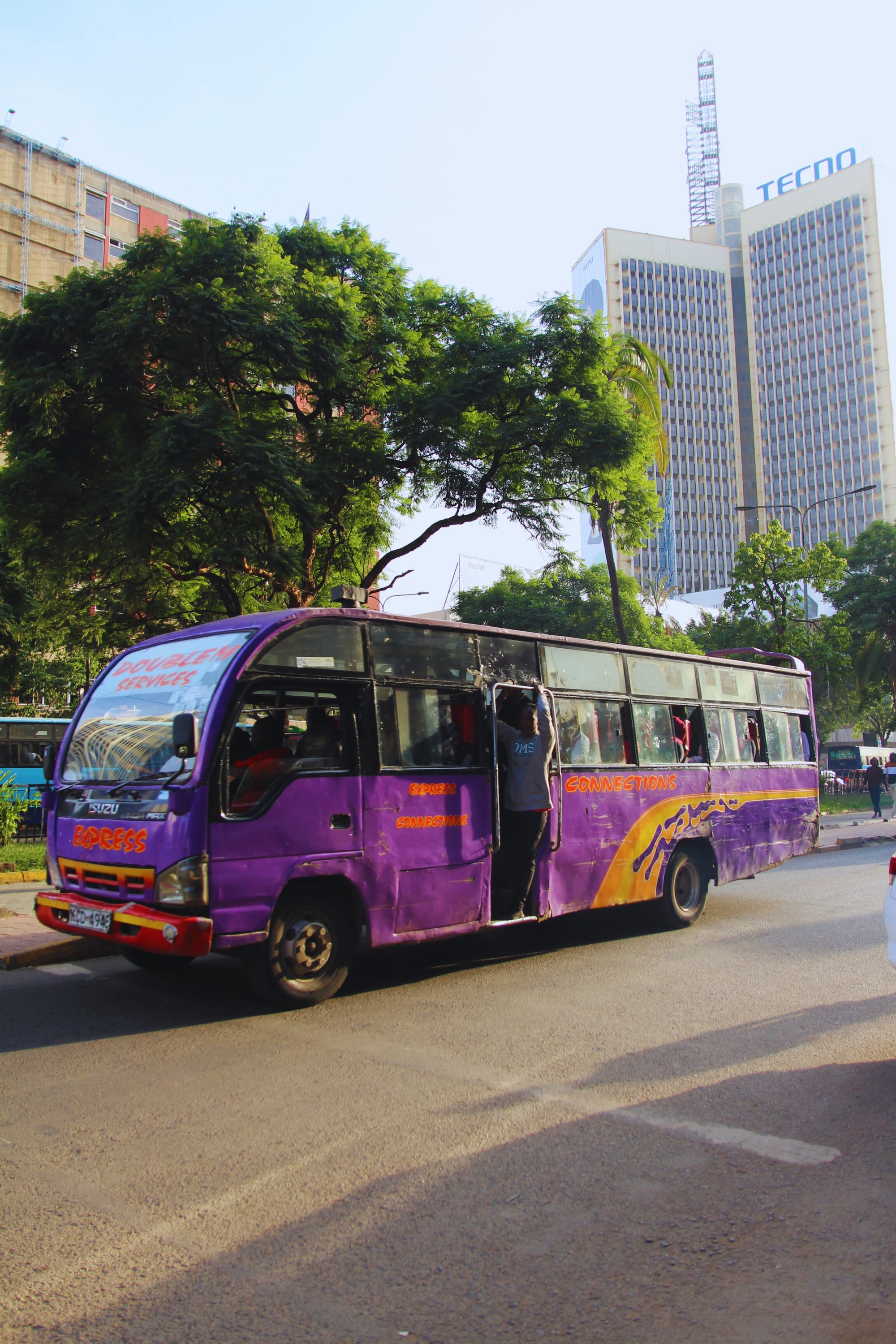
An ordinary day in Kenya starts and ends with a phone in hand, not for calls so much as for money: paying a matatu fare, buying a bag of maize flour at the corner duka, or sending a few shillings to a relative upcountry, much of it done through M-Pesa, the mobile-money system Kenya pioneered and now uses more completely than almost anywhere else in the world. Around that digital rhythm sits an older one — a household built on extended family, land worked as a shamba smallholding alongside whatever job pays the bills, and a tradition of communal self-help, harambee, that still gets sick relatives to hospital and children through school when a single income cannot.
Family and home life
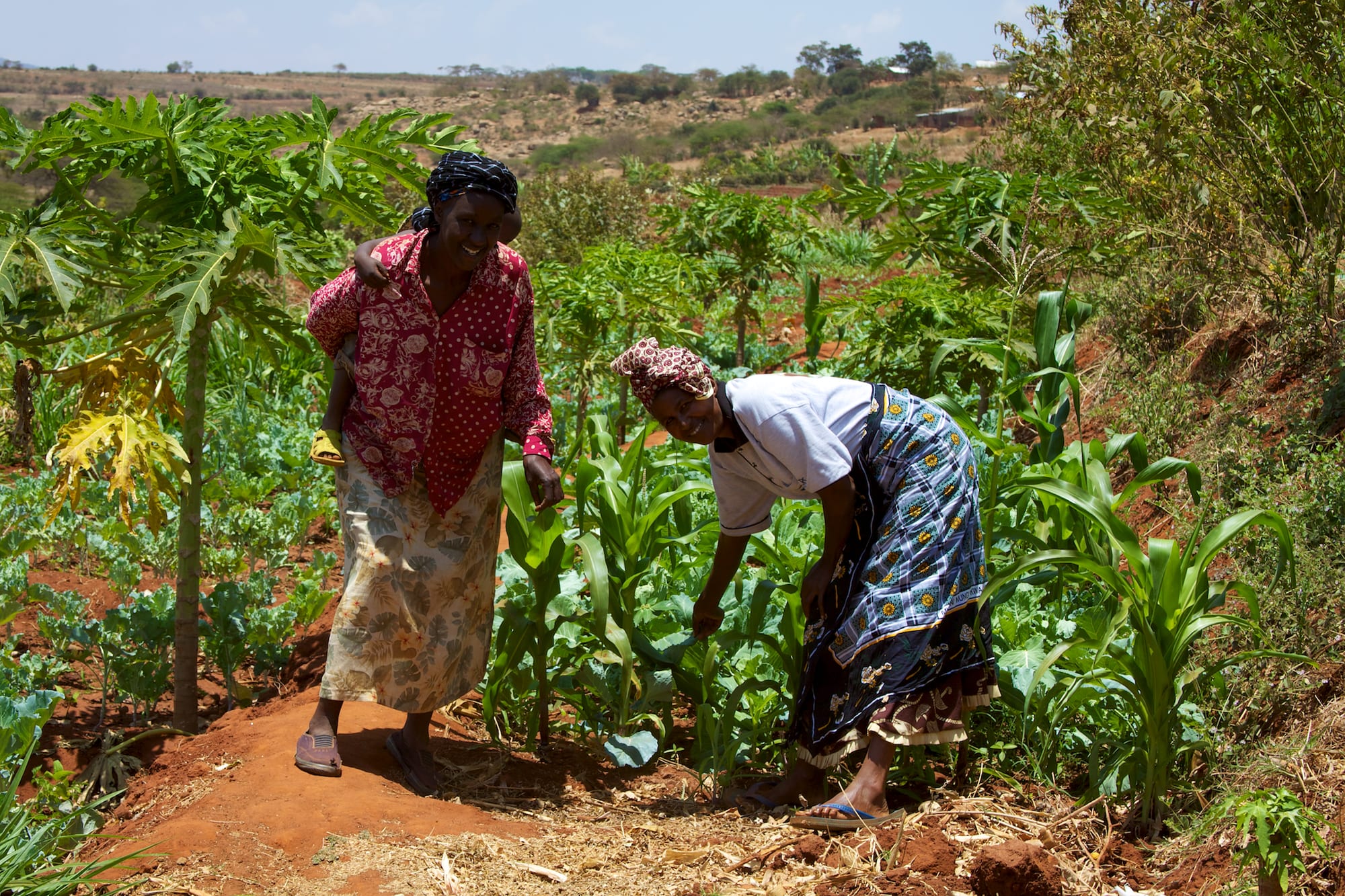
The shape of a Kenyan household depends heavily on where it sits. National statistics put the average household at under four people, but that figure covers two quite different patterns: smaller households, many of them just one or two people, in the cities, and larger extended households in rural areas, often spanning grandparents, parents, and children under one roof. Raising children is rarely left to parents alone — aunts, uncles, grandparents, and neighbours routinely share the job, a communal approach to childcare that Kenyan families describe as normal rather than exceptional. Many households keep a foothold in both worlds: a family member working in Nairobi or Mombasa while a shamba, a small farm plot, is tended by relatives upcountry and treated as a shared asset rather than a hobby.
Work, school and the rhythm of the day
The working week for most offices runs Monday to Friday, and government directives set school lessons to run from eight in the morning to mid-afternoon for primary and secondary pupils. Around those fixed points sits a much less formal economy: roadside dukas, matatu crews, and market traders who open at dawn and close whenever custom dries up. Kenya's economy leans on agriculture, tourism, and services, and a large share of working people move between the two systems in a single week — a salaried job in town, a shamba worked on weekends, both counted as ordinary work.
Community life and public spaces
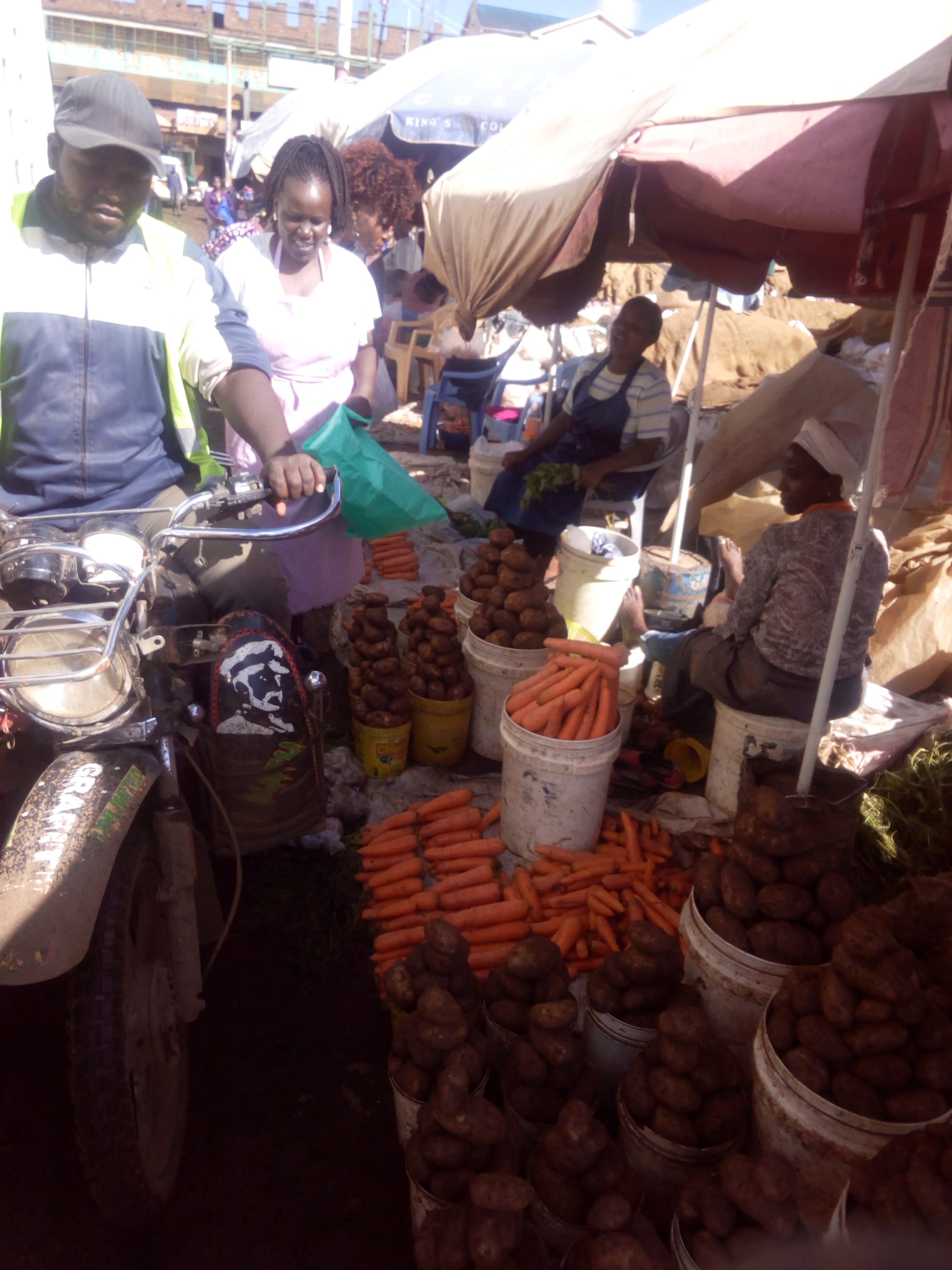
The matatu is the country's real public square on wheels: privately owned minibuses, often painted in bright murals and fitted with loud sound systems, that crews call out for passengers and pack tight for the fare. Open-air markets are the other constant, stalls of carrots, potatoes, and greens spread on sacks or piled in buckets, worked by traders who know their regular customers by name. Churches and mosques anchor neighbourhood life beyond commerce and trade, and community fundraising gatherings, harambees, remain a genuinely public event: word passes locally, and neighbours, relatives, and sometimes entire villages turn out to pool money toward a hospital bill, a funeral, or a child's school fees.
Free time and weekends
Weekends centre on church or mosque attendance, extended-family visits, and, for a great many households, a trip back to the shamba to check on crops or livestock. Football is followed with real intensity nationwide, watched on shared televisions in bars and living rooms when a big match is on, and long-distance running holds a similar place in the national imagination, particularly in the Rift Valley highlands, home to many of the country's Olympic and marathon champions. Harambee events, weddings, and funerals, which draw large gatherings and are treated as major social occasions, also tend to fall on weekends.
A visitor's ordinary day
Mobile money is so embedded that many visitors buy a local SIM card specifically to use M-Pesa, though cards and cash both still work in hotels, lodges, and city restaurants — cash or M-Pesa is what works at matatus, markets, and small dukas, where card machines are rare. Matatus run frequent but informal routes with no fixed timetable, leaving once full and calling out their destination rather than posting a schedule; agreeing the fare, or watching what other passengers pay, avoids confusion. Shops and markets generally open early and stay busy through the day, and getting anywhere in Nairobi at peak commuting hours, roughly seven to nine in the morning and five to seven in the evening, means planning around serious traffic.
What to take away
What makes an ordinary day in Kenya distinctive is not any single custom so much as how thoroughly two things, the phone and the family network, carry the weight that formal banks and welfare systems carry elsewhere.