Culture & Customs · Japan
Japan: The Art of Not Imposing
Two faiths practised side by side, a bow for almost every encounter, and a set of manners built around one quiet idea — that no one should be made to feel inconvenienced
By Worldlore Editorial · 30 September 2026
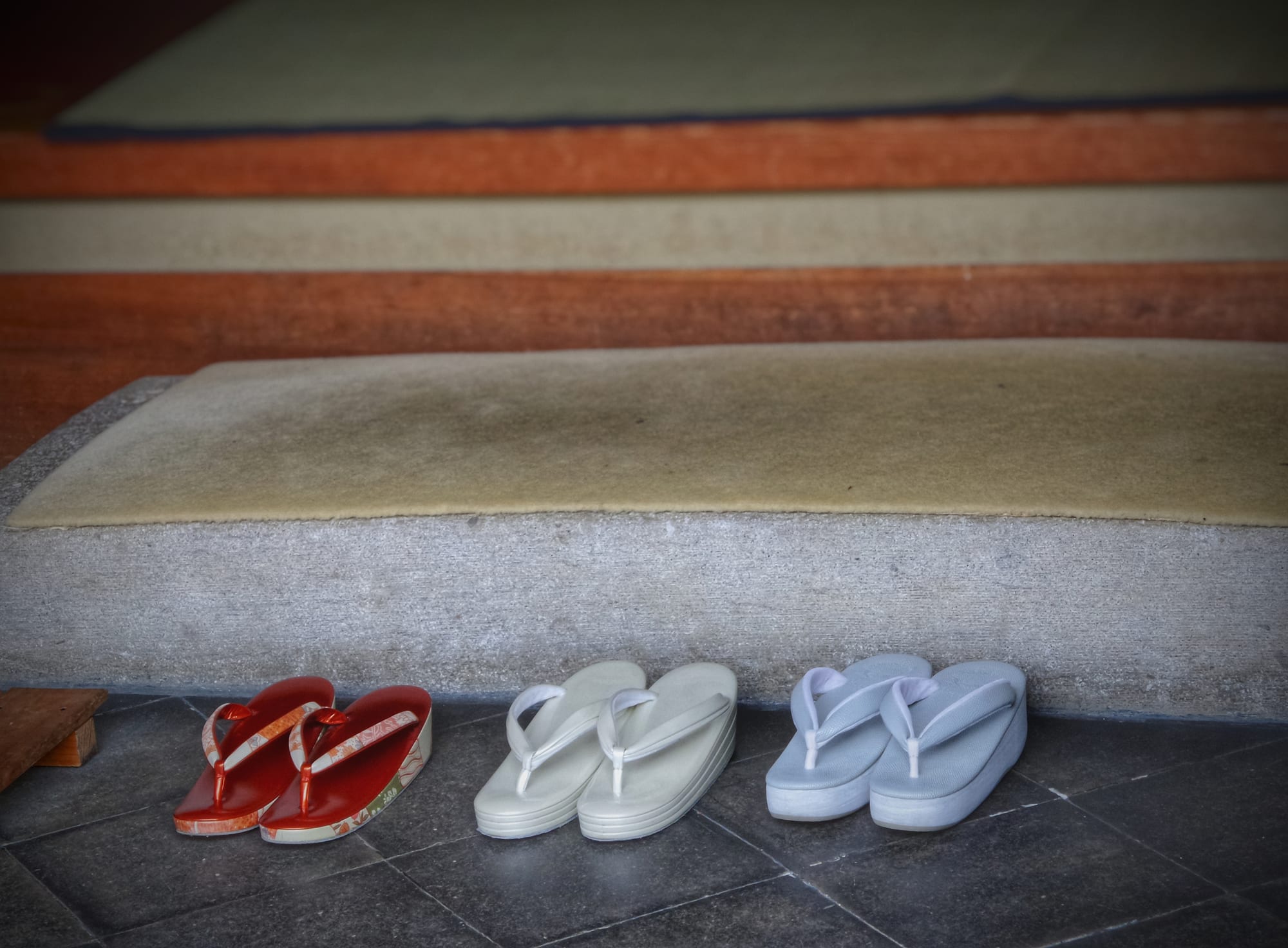
A guest arrives at a Japanese home. At the door comes a short exchange of bows, then the guest steps out of their shoes in the entrance hall and turns them to face the door, ready for leaving. They step up onto the raised floor and into a pair of slippers left out by the host. A small wrapped gift is offered with both hands and a word that plays down its worth; the host accepts it just as modestly. Nothing about the moment is dramatic, and that is rather the point. Across Japan, good manners are less about grand gestures than about a steady attentiveness to other people — sparing them trouble, reading what they need, and never taking up more room than necessary.
Faith, identity and values
Two religious traditions shape Japanese life, and most people take part in both without seeing any contradiction. Shinto, the Indigenous tradition, is centred on kami — spirits associated with nature, places and ancestors — and on the shrines where they are honoured. Buddhism, which arrived from the Asian mainland in the sixth century, is associated above all with temples, memorial rites and funerals. A family may keep both a small Shinto shelf and a Buddhist altar at home, and many people visit a shrine at New Year and hold a Buddhist funeral without regarding either as a statement of personal belief. For many, religion is expressed less as faith in a doctrine than as a set of customs followed at the right moments of the year and of life.
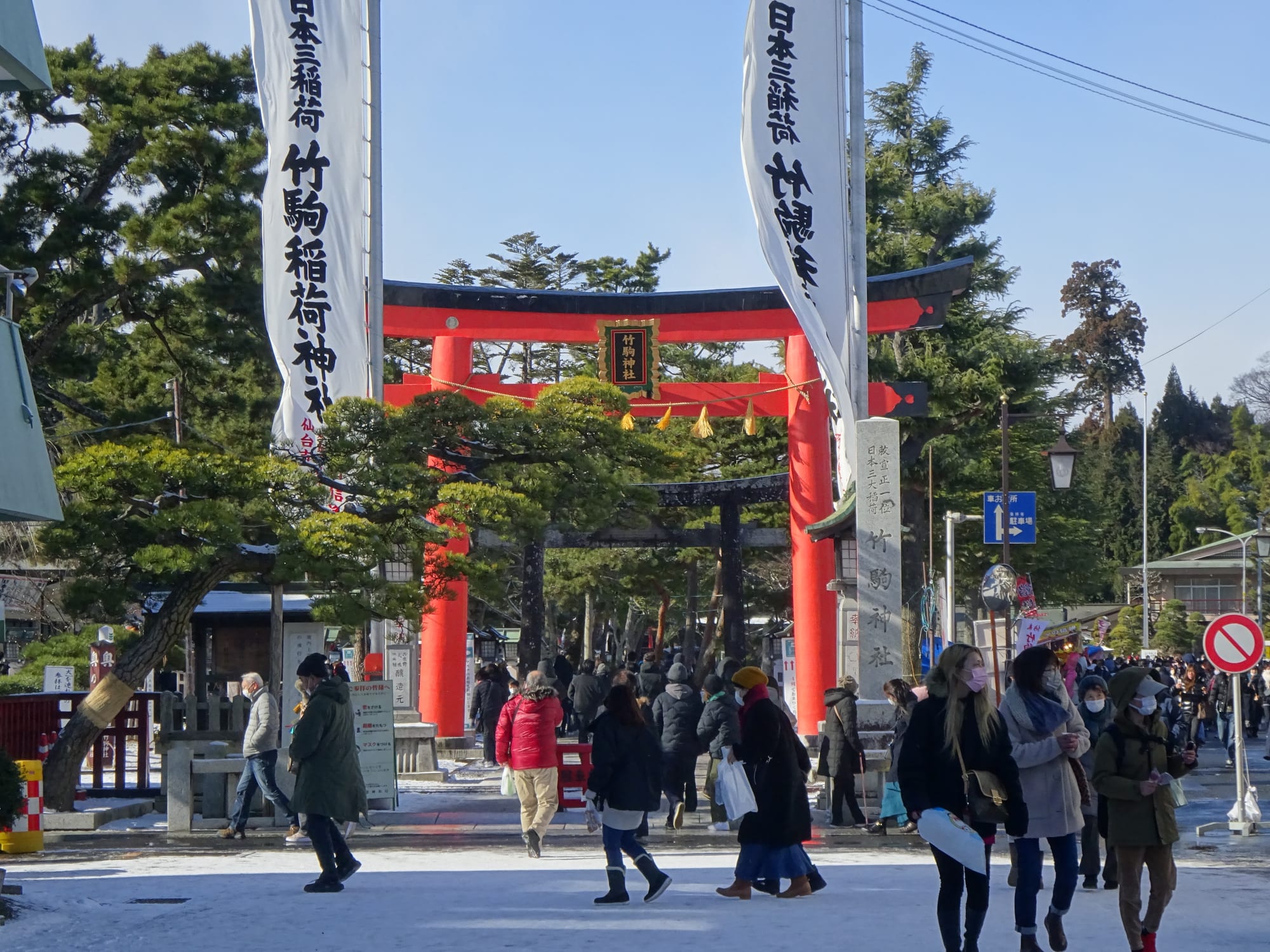
Visiting a shrine follows a simple sequence. A small bow is made at the torii gate, and visitors walk to one side of the approach, since the centre is traditionally reserved for the kami. At the water basin, the left hand is rinsed, then the right, and a little water is poured into the left palm to rinse the mouth. At the main hall, a coin goes into the offering box, then come two bows, two claps, a moment of prayer, and one final bow. Buddhist temples are quieter: hands are placed together and a bow is made, but clapping is not part of the ritual.
Beneath the religious calendar sit values that shape everyday behaviour. Wa, or harmony, places the smooth running of the group above the wishes of the individual. Closely related is the idea of not causing meiwaku — trouble or inconvenience — to others, which explains a great deal: quiet trains, tidy streets, orderly queues. Japanese society is also attentive to hierarchy, with age, seniority and relationship shaping how people speak to one another, and to the line between uchi, one's own inner circle, and soto, everyone outside it. Communication tends to be indirect. A flat refusal is often avoided in favour of a phrase such as "that may be difficult", and silence in conversation is read as thoughtfulness rather than awkwardness.
Greetings and meeting people
The bow is the everyday greeting, and its depth and length signal the level of respect intended: a brief, shallow bow between acquaintances, a deeper and longer one in formal settings or when apologising or thanking someone sincerely. When someone bows, it is polite to return the bow. Visitors are not expected to master the finer distinctions, and many Japanese people will offer a handshake to foreigners — often combined with a slight nod.
People are generally addressed by their family name followed by -san, a polite suffix used for both men and women; first names are kept for close friends and family. Business cards, known as meishi, are exchanged with some ceremony: the card is offered with both hands and a slight bow, turned so the recipient can read it, and received the same way. A card that has just been received should be looked at properly and left on the table in front of the recipient during a meeting, not folded, written on or tucked into a back pocket, since the way it is treated is taken as a reflection of respect for the person.
Physical contact between acquaintances is kept to a minimum, and prolonged direct eye contact can come across as intense, especially with elders or seniors. Pointing at people with a finger is considered rude; an open hand gesturing towards someone or something is preferred. The word sumimasen is one of the most useful in the language, serving as "excuse me", "sorry" and a modest form of "thank you" all at once.
Hospitality and being a guest
Shoes come off at the entrance of homes and of many traditional inns, temples and some restaurants, where a slightly lower entrance area, the genkan, separates the outside from the clean interior. Slippers are usually provided, but these too are removed before stepping onto tatami mats, and a separate pair is kept just for the toilet — walking back into the house in the toilet slippers is a classic visitor's slip. Clean socks without holes are worth packing.
Gift-giving is woven through social life and rests on a sense of mutual obligation. A guest visiting a home usually brings something, and anyone returning from a trip is expected to bring back omiyage — small local specialities, often sweets, shared with colleagues, friends or family. Gifts are presented with both hands and with a modest word about their value, and a recipient may politely decline once before accepting. Presentation matters, and the wrapping is often as carefully chosen as the gift itself. Items linked to cutting ties, such as knives or scissors, and anything connected with funerals are avoided, as are sets of four, since the word for four, shi, sounds like the word for death.
At the table, meals begin with "itadakimasu", an expression of gratitude for the food, and end with "gochisōsama deshita", a thank-you for the meal. The most honoured guest is seated farthest from the door, in the place known as the kamiza. When drinking together, people fill each other's glasses rather than their own, and the first sip waits for a shared "kanpai". Two chopstick habits are firmly avoided because both echo Buddhist funeral rites: standing chopsticks upright in a bowl of rice, which is how rice is offered to the dead, and passing food from one pair of chopsticks to another, which mirrors the way bones are passed after a cremation. Tipping is not part of the culture and can cause confusion or embarrassment; good service is simply expected as part of the price.
Festivals and life's big moments
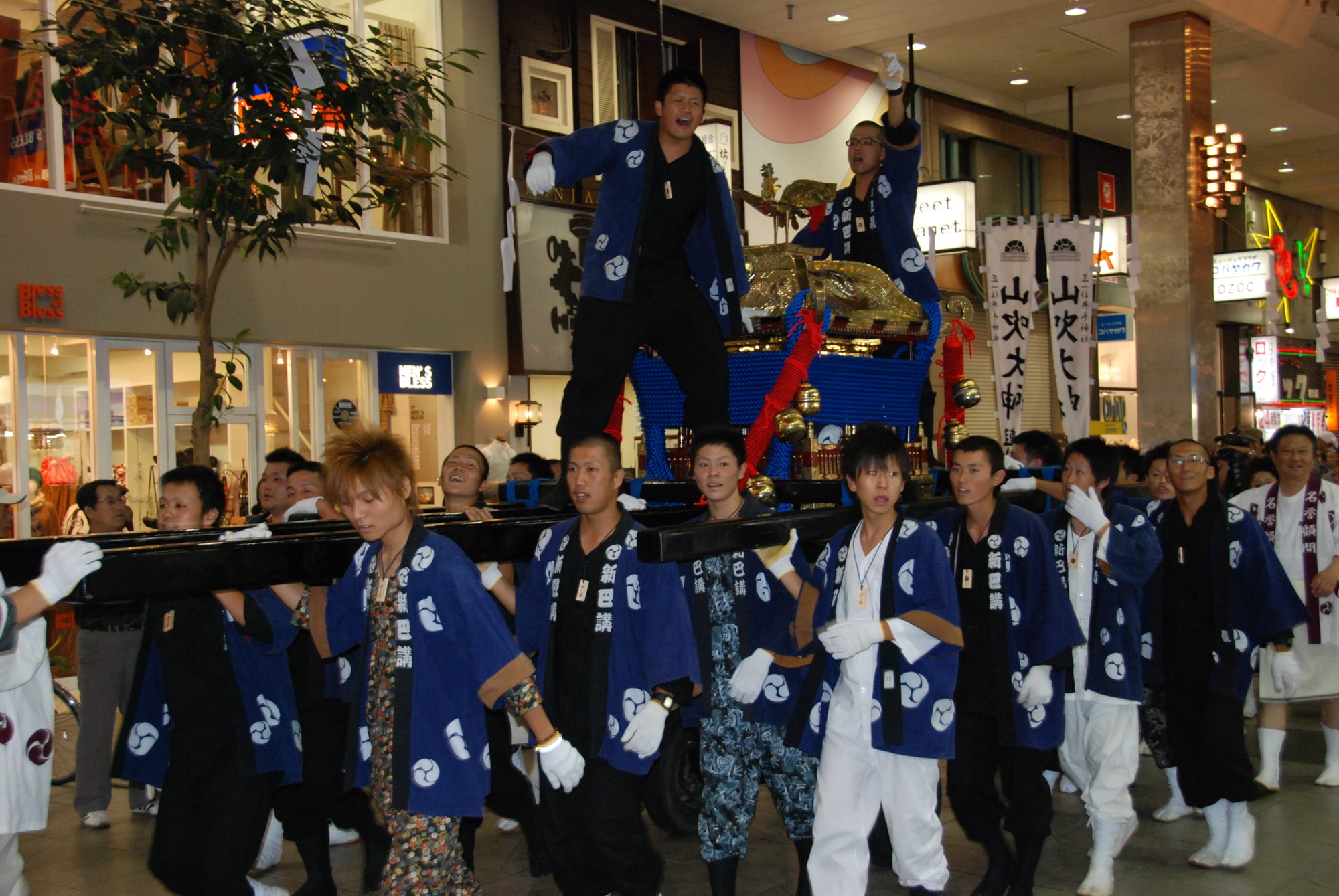
The year turns around a handful of shared observances. New Year is the most important holiday, a time for family gatherings and for hatsumōde, the first shrine or temple visit of the year, when the busiest shrines receive millions of visitors in the first days of January. In summer comes Obon, held in mid-August across most of the country and a month earlier in some areas, when the spirits of ancestors are believed to return home. Families travel back to their home towns, clean and visit graves, light fires to welcome and later send off the spirits, and join the bon odori, circle dances performed in the open air. Beyond these, local matsuri fill the calendar: shrine festivals in which portable shrines or towering floats are carried or pulled through the streets. Japan's float festivals and its furyū-odori ritual dances are both inscribed on UNESCO's list of intangible cultural heritage.
Childhood milestones are marked at the shrine too. On or around 15 November, Shichi-go-san — literally "seven-five-three" — sees girls aged three and seven and boys aged five dressed in their best, often in kimono, and taken to a shrine to give thanks for their health and pray for the future. Children are given chitose ame, long sticks of red and white "thousand-year candy" wishing them a long life.
Weddings and funerals follow firm customs, especially where money is concerned. Wedding guests traditionally give cash, known as shūgi, in a decorative red and white envelope, and the notes should be crisp and new as a sign of respect for the occasion. The amount is kept to an odd number, since an even sum suggests something that can be split apart, and figures involving four or nine, which sound like the words for death and suffering, are avoided. Funerals, most often held with Buddhist rites, reverse the rule on notes: condolence money, kōden, goes in a black and white envelope, and brand-new notes are avoided because they imply the death was expected. Mourners wear black, and incense is offered before the altar.
Arts, crafts and music
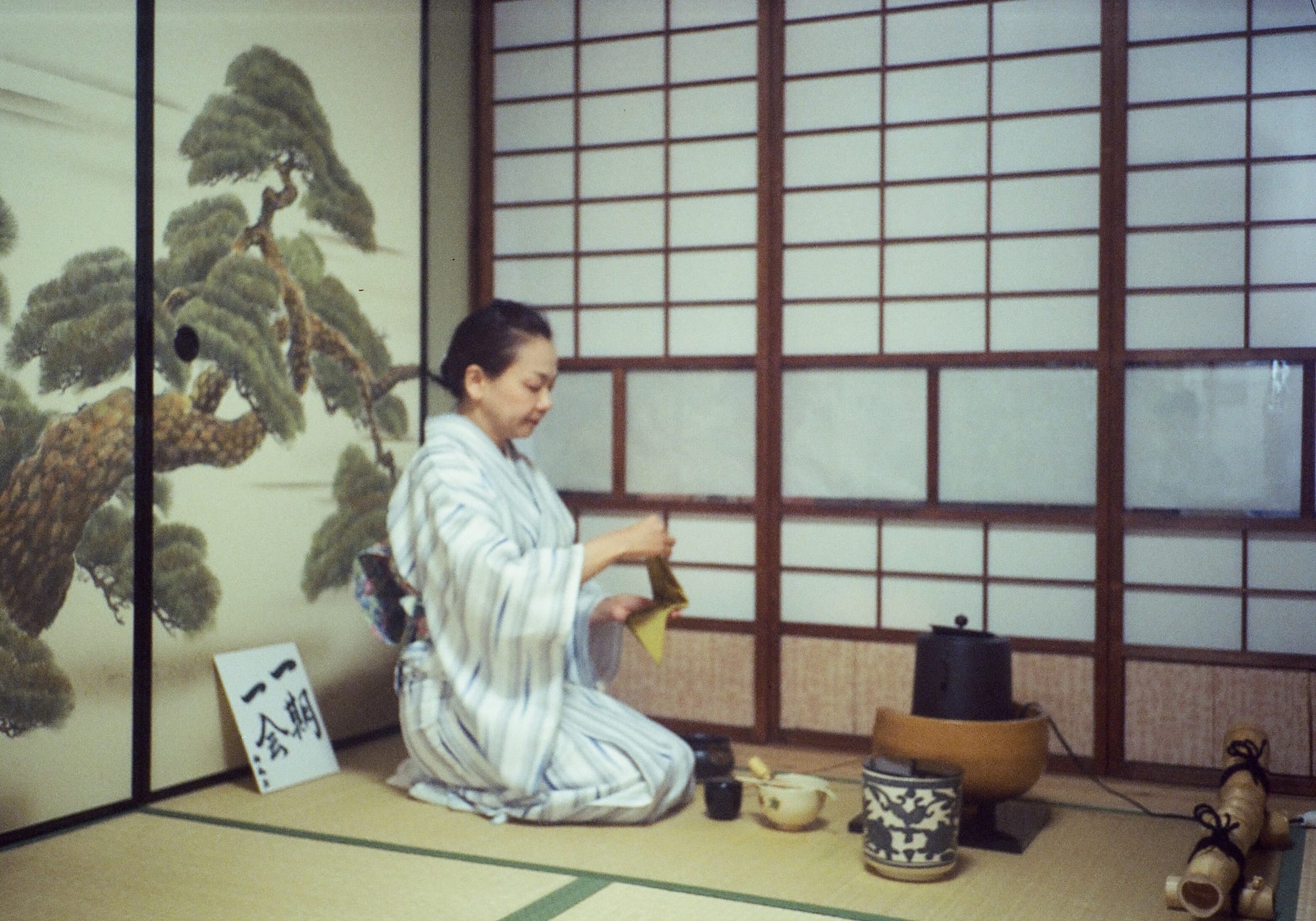
Many of Japan's traditional arts are still practised, taught and watched today, often passed down through schools that trace their lineage back centuries. The tea ceremony, chadō or "the way of tea", turns the making and serving of a bowl of powdered green tea into a discipline of precise movement, seasonal awareness and attention to the guest. Ikebana, the art of flower arrangement, and shodō, calligraphy with brush and ink, are both still widely studied as pastimes as well as professions.
The classical stage has three great forms, all on UNESCO's list of intangible cultural heritage: nōgaku, the masked, slow-moving drama of noh with its comic companion kyōgen; kabuki, a vivid popular theatre of elaborate costumes, stylised make-up and all-male casts; and bunraku, in which large puppets are each worked by three puppeteers in full view of the audience, accompanied by a chanter and the three-stringed shamisen.
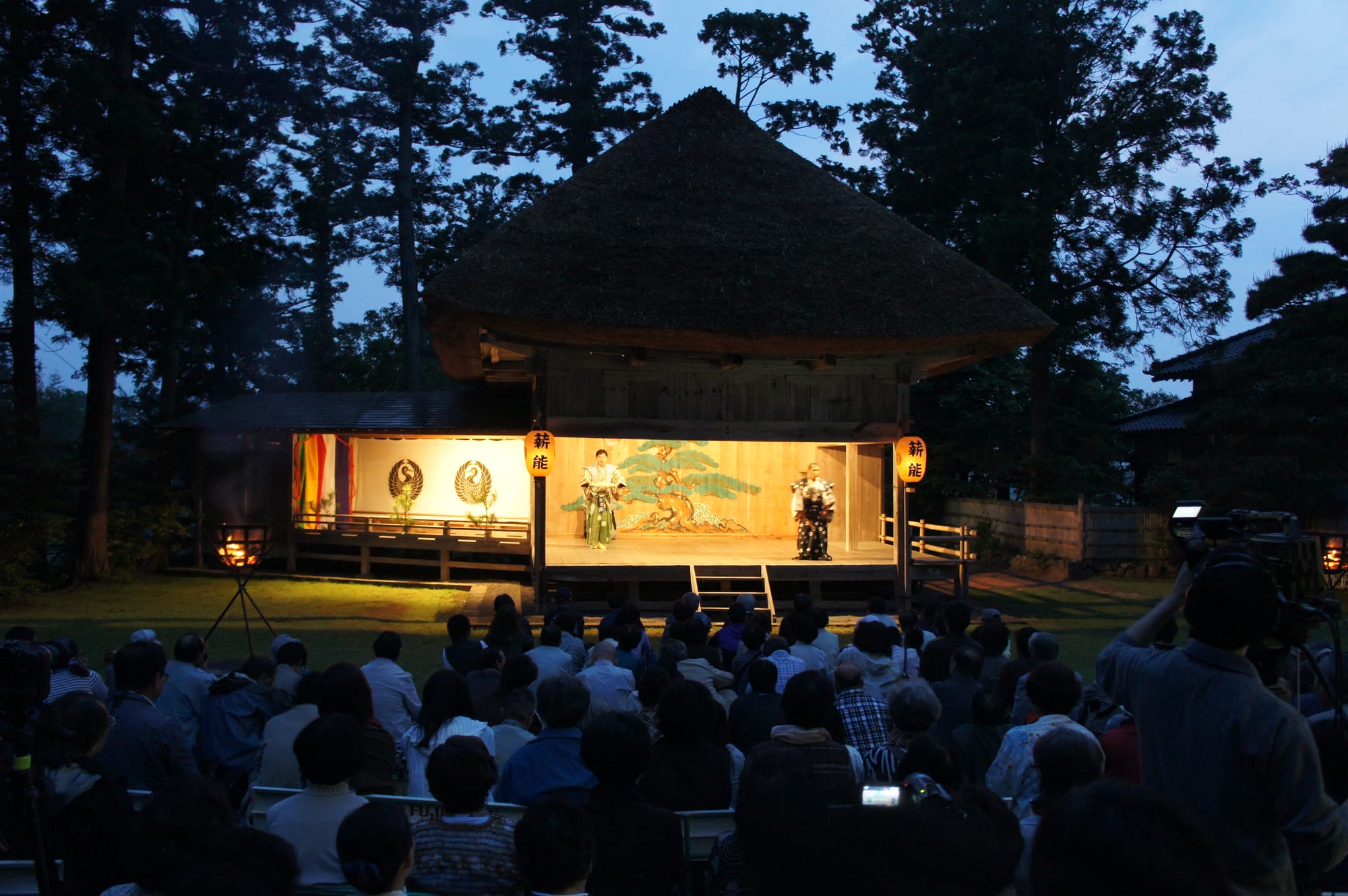
Crafts are protected with unusual seriousness. Since the 1950s, the state has formally recognised master artisans and performers as holders of Important Intangible Cultural Properties, a title popularly known as Living National Treasures, covering fields such as ceramics, lacquerware, textiles, metalwork and the performing arts. Handmade washi paper is also on UNESCO's list. Alongside these traditions, a modern culture of manga, anime, video games and popular music has become one of Japan's best-known exports, and it sits comfortably beside the older arts rather than replacing them.
Dos and don'ts for visitors
- Do bow or nod in return when someone bows; a handshake is also widely accepted with foreigners.
- Do take shoes off where others do, and remove slippers before stepping onto tatami.
- Do walk to the side of a shrine's approach and follow the two bows, two claps, one bow at the main hall — but do not clap at Buddhist temples.
- Do keep quiet on trains and buses; phone calls on board are generally frowned upon.
- Do wash thoroughly before entering a communal hot-spring bath, and keep towels out of the water. Many hot springs, public baths, pools and gyms do not admit people with visible tattoos.
- Don't tip; it is not expected and may be refused.
- Don't stand chopsticks upright in rice or pass food from chopsticks to chopsticks.
- Don't photograph people, including those in traditional dress, without asking first, and dress modestly at shrines and temples.
What to take away
Japanese customs can look like a long list of rules, but most of them share a single aim: to make daily life a little easier for everyone else — and visitors who show that same consideration will find small mistakes readily forgiven.