Food · Japan
Japan: Food and the National Dish
Raw fish over vinegared rice, refined into an internationally recognised art form, in a food culture that prizes seasonality and precision above almost anything else
By Worldlore Editorial · 16 September 2026
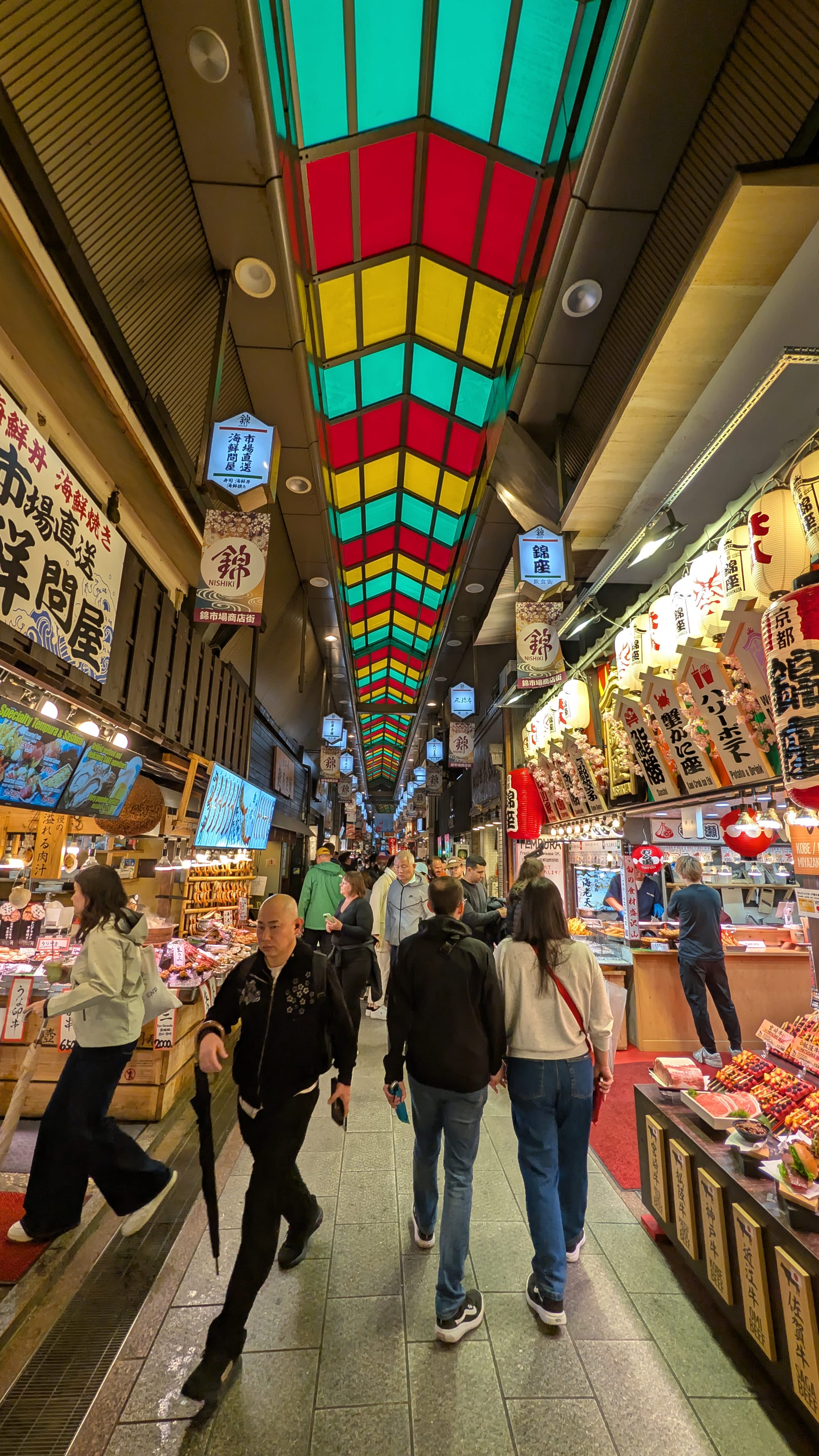
A cuisine built on seasonality and precision
Japanese food, recognised by UNESCO in 2013 under the term washoku, places enormous emphasis on seasonality, precise technique and the natural flavour of ingredients over heavy seasoning. That underlying philosophy shapes everything from a simple bowl of rice to the most refined sushi counter, and explains why presentation and timing matter as much in Japanese cooking as taste itself.
The most recognised dish: sushi
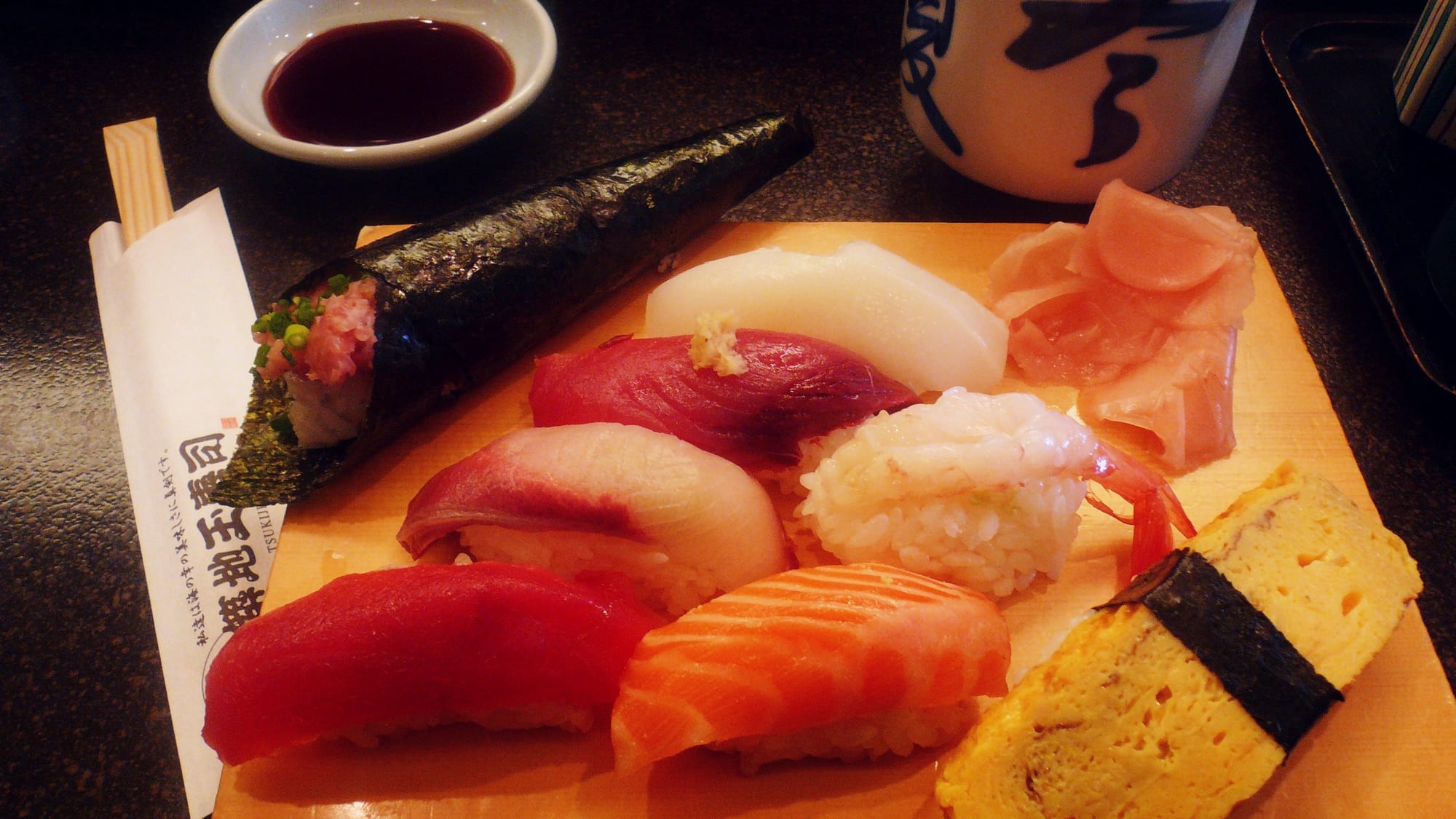
Sushi, vinegared rice paired with raw or prepared fish, seafood or vegetables, is Japan's most internationally recognised food and its closest claim to a national dish, though it began centuries ago as narezushi, a fermented method of preserving fish in rice, long before it evolved into the fresh nigiri style popularised in Edo-period Tokyo. That evolution from preservation technique to refined art form is part of what makes sushi such a genuinely Japanese culinary achievement.
Rice, dashi and the everyday pantry
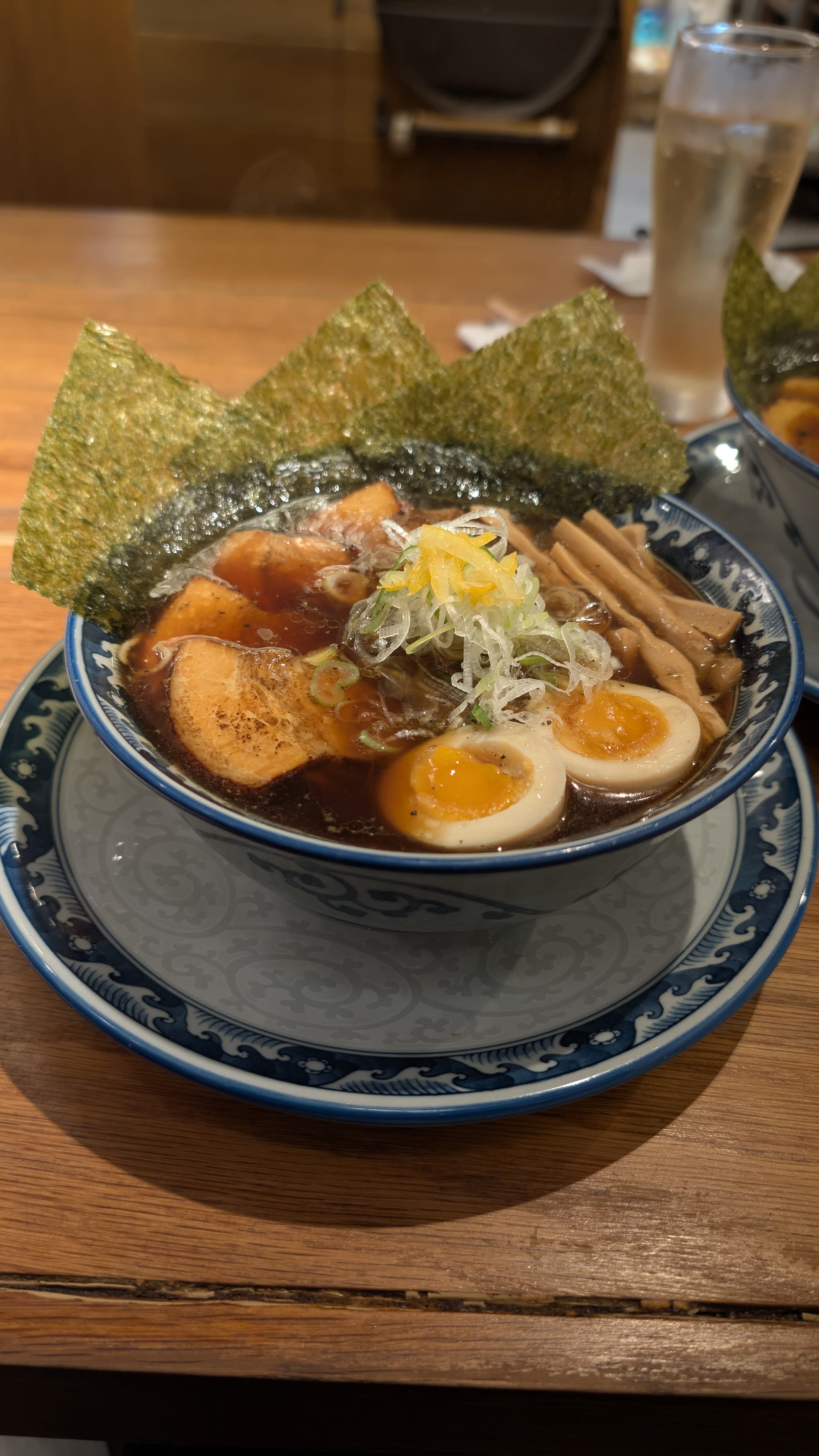
Rice remains the foundation of most Japanese meals, alongside dashi, a savoury broth made from kombu seaweed and dried bonito flakes that underlies much of Japanese cooking's flavour base. Miso, soy sauce and pickled vegetables round out the everyday table, and despite sushi's international fame, dishes like ramen and curry rice are what most Japanese people actually eat most often day to day.
History and region on the plate
Japan's food history reflects centuries of relative isolation followed by selective foreign influence, Chinese noodle culture shaping ramen, Portuguese trade influencing tempura, and post-war Western contact bringing dishes like curry rice, itself adapted from British India via the Royal Navy, into genuinely everyday Japanese cooking. Regional variation runs deep too: Osaka is known for street food like takoyaki, Hokkaido for seafood and dairy, and Kyoto for refined, delicately seasoned kaiseki-style cooking.
Dishes to know
Five more to recognise across Japan:
- Ramen — wheat noodles in a savoury broth, with countless regional
styles across the country.
- Curry rice (kare raisu) — a mild, thick curry sauce served over rice,
adapted from British curry via the Japanese navy in the late 19th century.
- Tempura — battered and deep-fried seafood and vegetables, tracing to
Portuguese trading influence.
- Okonomiyaki — a savoury pancake with cabbage and other fillings,
especially associated with Osaka and Hiroshima.
- Miso soup — a soup made from fermented soybean paste, eaten with
nearly every traditional Japanese meal.
Drinks
Green tea, in its many forms from everyday sencha to ceremonial matcha, is central to Japanese daily life and hospitality. Sake, brewed from fermented rice, has its own deep regional and seasonal traditions, and Japanese whisky has built a genuine international reputation over the past few decades.
Eating as a traveller
Vegetarians will find navigating traditional Japanese food challenging, since dashi broth, made with bonito flakes, underlies many dishes that otherwise appear vegetarian; larger cities increasingly offer dedicated vegetarian options. Tap water is safe throughout the country. Slurping noodles, particularly ramen, is considered normal and even a sign of enjoyment rather than bad manners.
What to take from the table
Sushi, precise and centuries in the making, is the dish that carries Japan's food reputation worldwide — but a bowl of ramen or curry rice is the truer everyday taste of what people in Japan actually eat.