History · Italy
Italy: Rome, the City-States, and the Nation
The peninsula that built the Roman Empire and, a thousand years later, the Renaissance — then spent centuries divided under foreign rule before unifying in 1861, only to fall to Fascism and rebuild as a republic
By Worldlore Editorial · 19 September 2026
A country with two golden ages and a short history
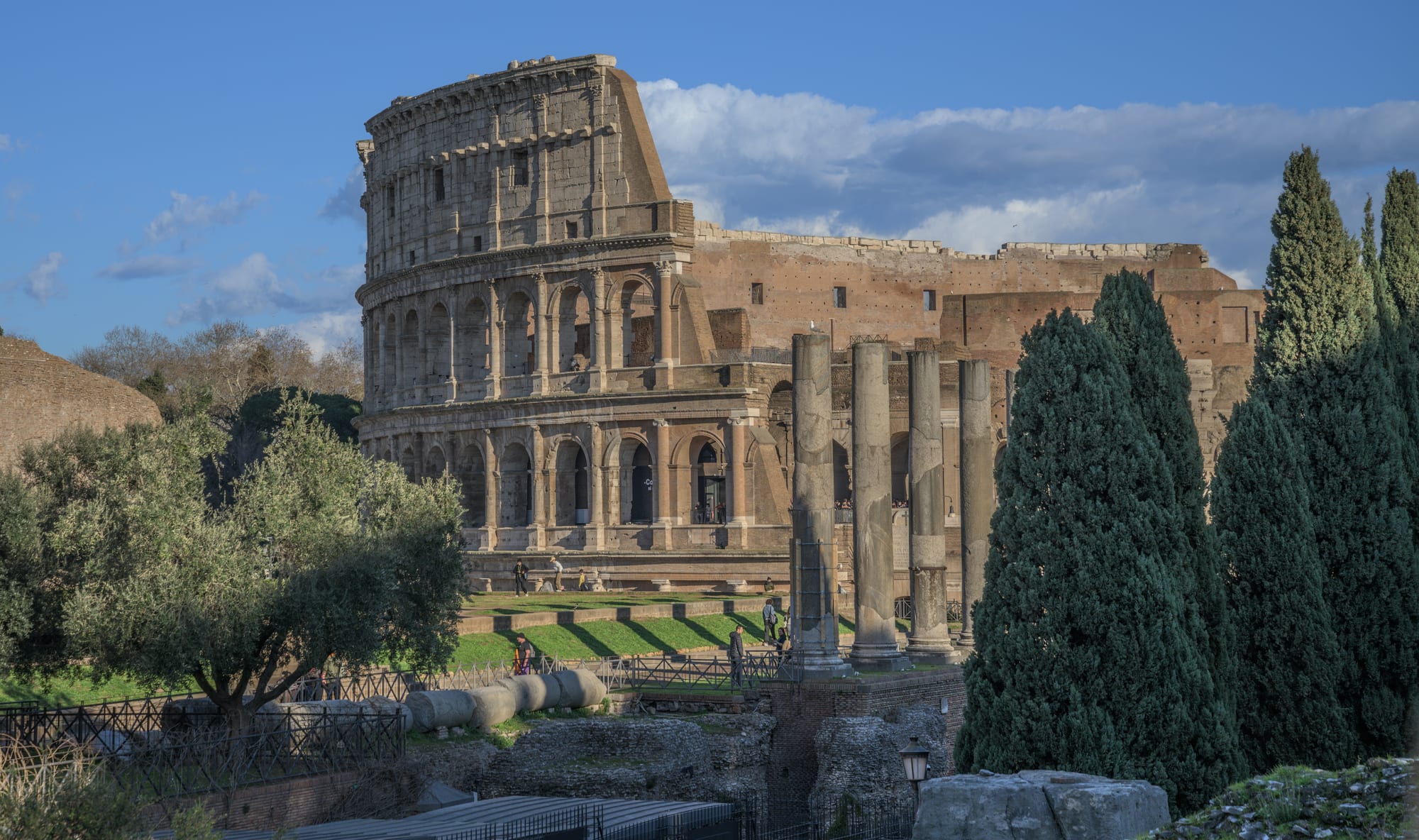
Italy has one of the deepest pasts in Europe and one of the shortest histories as a state. It produced ancient Rome, and then, a millennium later, the Renaissance — two of the most consequential episodes in Western civilisation. But "Italy" as a single country dates only from 1861. For the thirteen centuries in between, the peninsula was a patchwork of kingdoms, republics, papal territory and foreign possessions, and much of modern Italian history is about the difficulty of welding those pieces into one nation.
A short history
- 753 BCE
Rome founded
Traditional date; kingdom, then Republic from 509 BCE.
- 27 BCE
The Empire
Augustus establishes one-man rule; the Pax Romana.
- 476 CE
Fall of the West
The last Western Roman emperor is deposed.
- from the 8th century
The Papal States
Papal rule takes shape in central Italy.
- 11th–15th centuries
The city-states
Venice, Florence, Genoa and Milan grow rich.
- 14th–16th centuries
The Renaissance
A rebirth of art, learning and science.
- 1494–1559
The Italian Wars
France and Spain fight over Italy; Spain wins.
- 1859–1870
The Risorgimento
Piedmont unifies Italy; Rome becomes the capital.
- 1922–1943
Fascism
Mussolini's dictatorship, and the Second World War.
- 1946
The Republic
A referendum abolishes the monarchy.
Rome
Before Rome, the peninsula held Etruscans in the centre, Greek colonies across the south and Sicily, and many Italic peoples. Rome conquered Italy by around 270 BCE, defeated Carthage in the Punic Wars, and built a Mediterranean empire. The Republic collapsed into civil war, and Augustus founded the Empire in 27 BCE. At its height it stretched across three continents, spreading Latin, Roman law, roads and cities, and — from the 4th century — Christianity.
Fragmentation, and the city-states
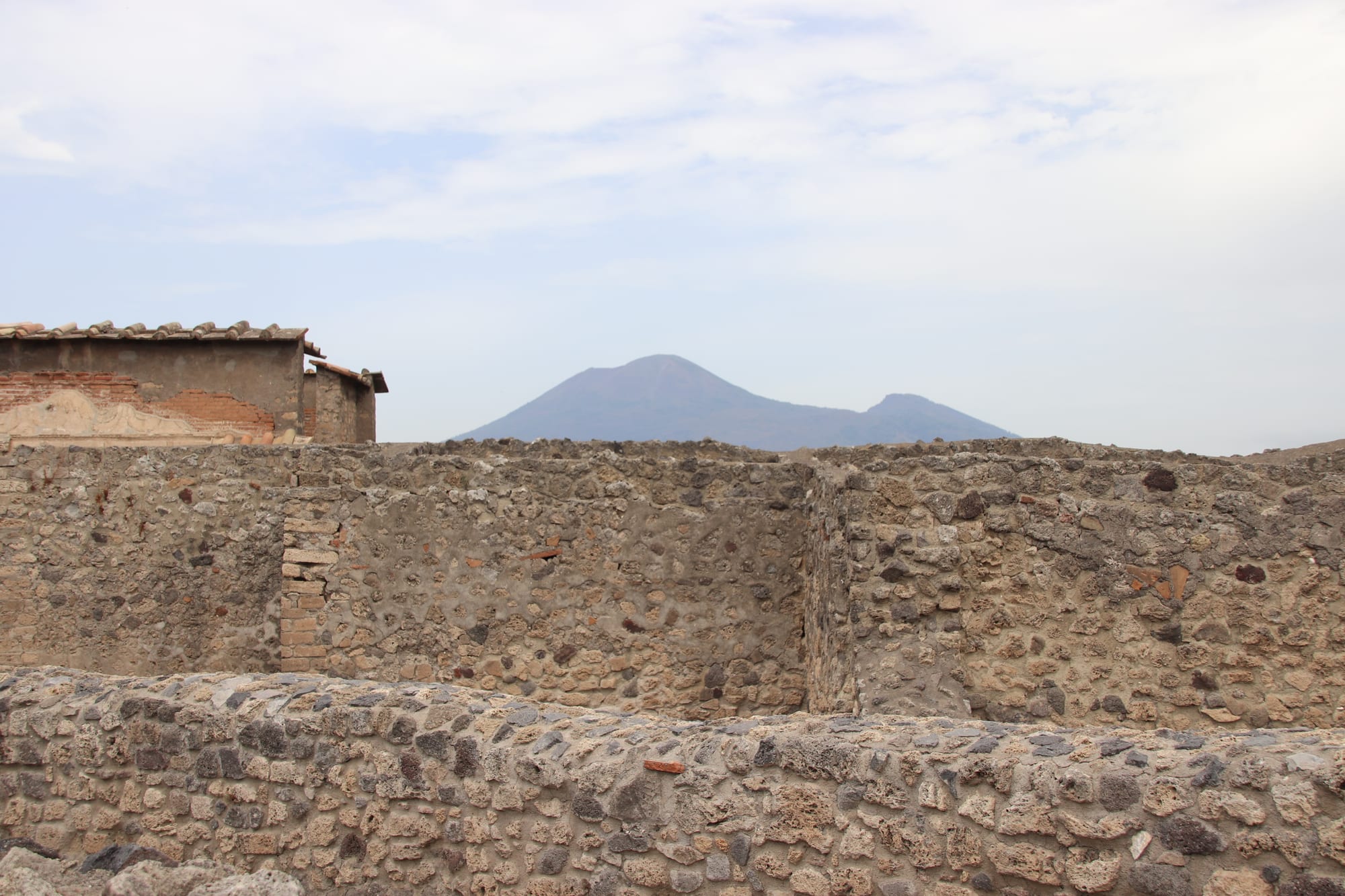
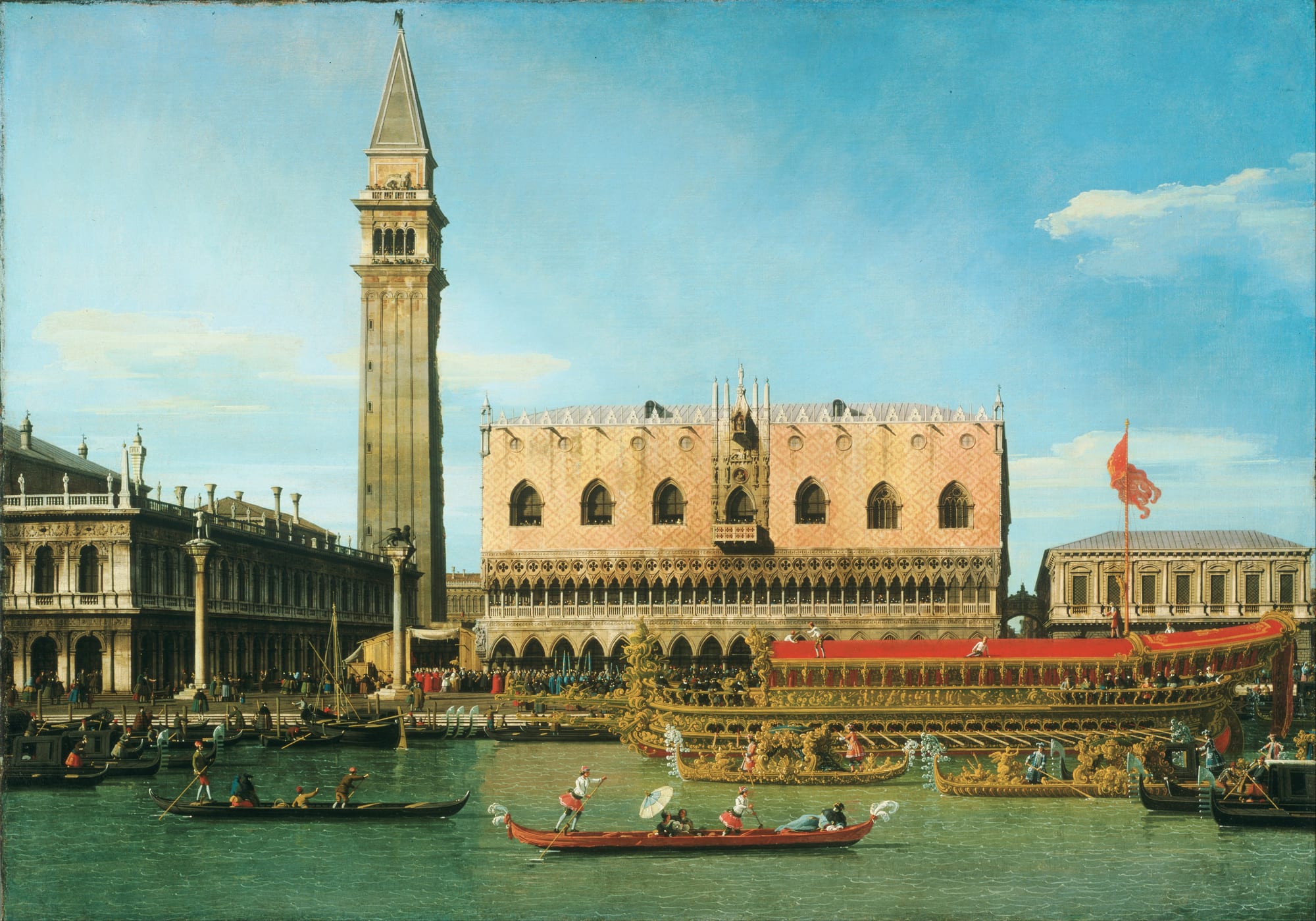
After Rome came Ostrogoths, a Byzantine reconquest, and the Lombards. In the centre, the Papal States emerged, and Charlemagne was crowned emperor in Rome in 800. The south became a kingdom ruled in turn by Normans, Germans, French and Spanish. And in the north and centre, a cluster of independent city-states grew wealthy on Mediterranean trade and banking — and fought each other constantly.
Republics and Renaissance
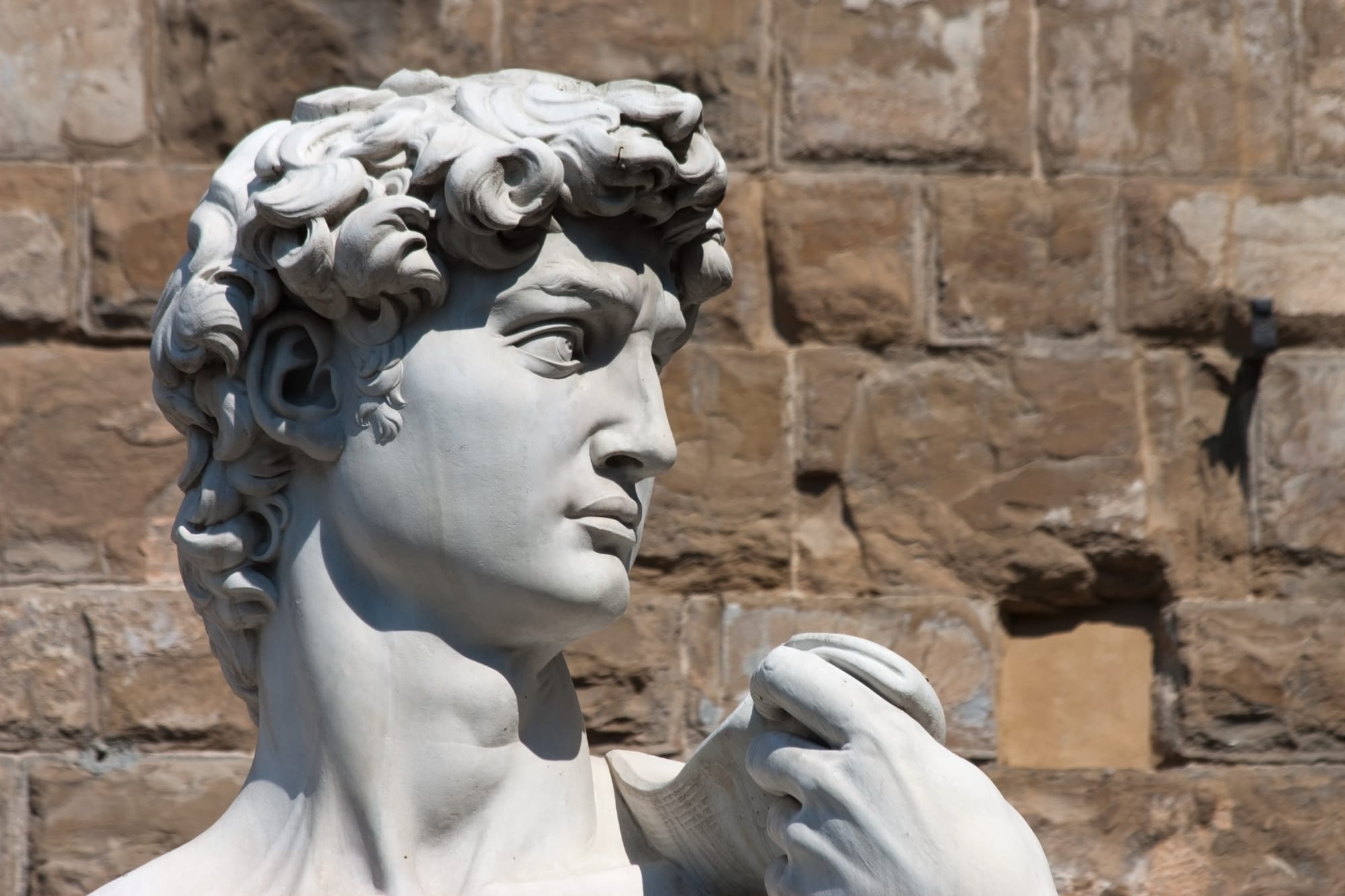
The Renaissance ran from Dante and Giotto in the 14th century to Leonardo, Michelangelo and Raphael around 1500, financed by bankers like the Medici and by the papacy, and carried across Europe by the new printing press.
Foreign rule, and awakening
The Italian Wars of 1494–1559 turned the peninsula into a battlefield for France and Spain; Spain won, and dominated Italy for a century and a half, followed by Austria. The city-states declined as trade shifted to the Atlantic, and by the 18th century Italy was politically stagnant and carved up among Austrian territories, Bourbon Naples, the Papal States and the Kingdom of Sardinia.
The 19th-century movement to unify and free Italy — the Risorgimento — failed in revolts in 1820, 1831 and 1848, then succeeded through Piedmont. Its prime minister Cavour allied with France to push Austria out of Lombardy in 1859.
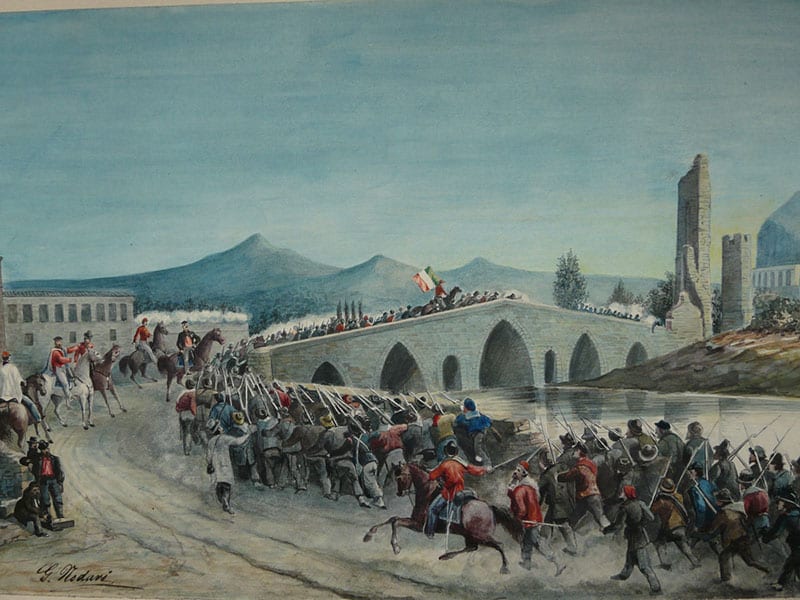
The Kingdom of Italy was proclaimed in 1861. Venetia was added in 1866, and Rome — held by the Pope under French protection — was taken in 1870 and made the capital. The Pope refused to recognise the new state for nearly sixty years.
Liberal Italy, and Fascism
United Italy was a constitutional monarchy with a narrow franchise, a deep divide between the industrialising north and the poor south, and mass emigration — some 13 million Italians left between 1880 and 1915. Italy joined the First World War in 1915 on the Allied side; it lost about 650,000 soldiers and emerged with a sense of "mutilated victory" that fed nationalist anger.
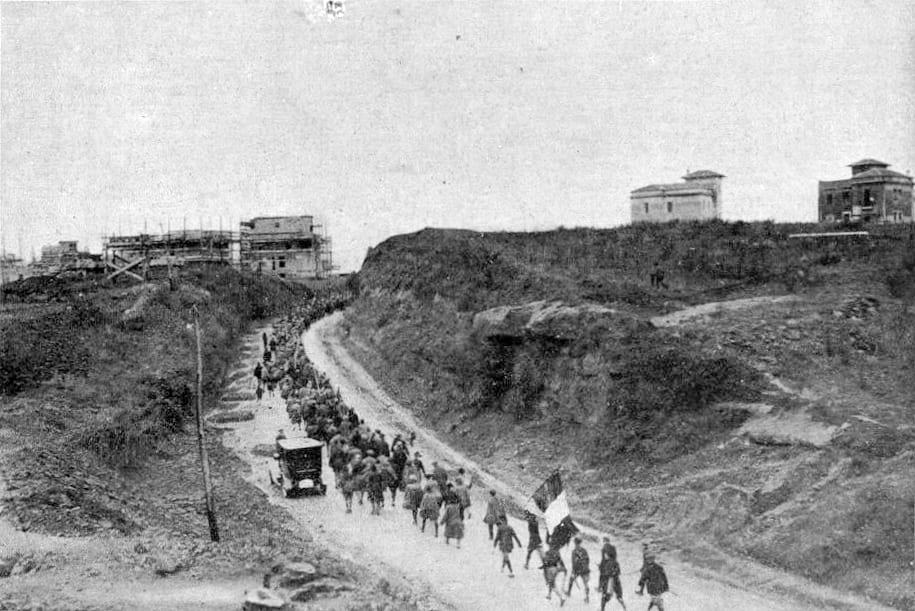
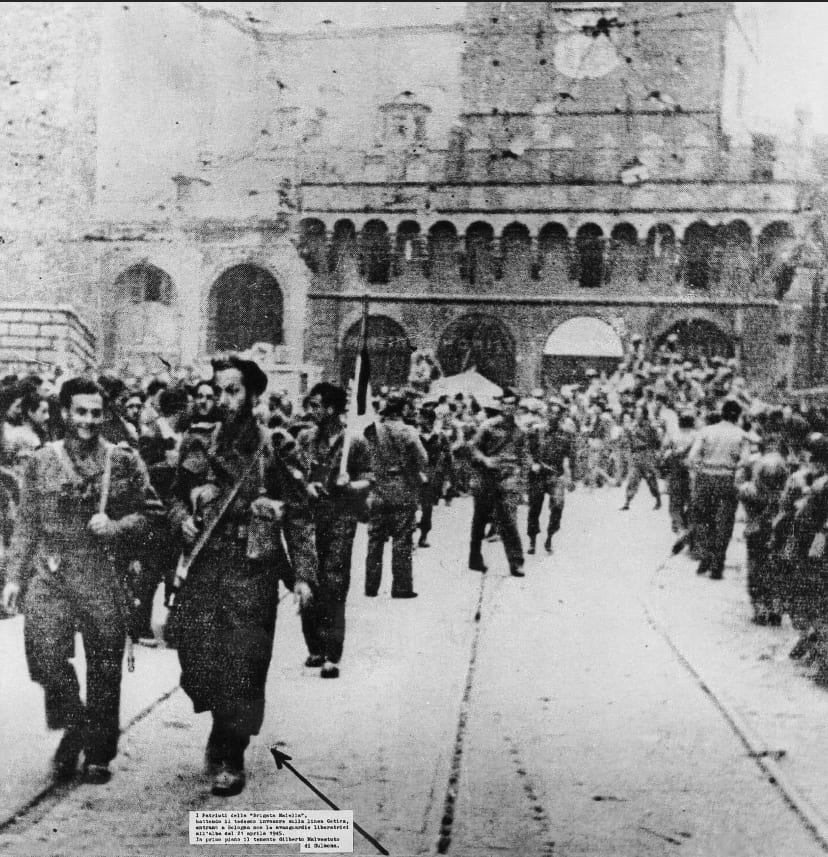
Mussolini's regime crushed the opposition, made peace with the Church in the 1929 Lateran Pacts, conquered Ethiopia with poison gas, passed racial laws against Jews in 1938, and allied with Hitler. Italy entered the Second World War in 1940 and fared badly. After the Allies landed in Sicily in 1943, the king dismissed Mussolini and Italy surrendered — upon which Germany occupied the north, and a 20-month civil war between the Resistance and the Fascist rump followed.
The Republic
A 1946 referendum abolished the monarchy, discredited by its complicity with Fascism, and a democratic constitution followed in 1948. The Christian Democrats governed throughout the Cold War, in part to keep out Western Europe's largest Communist Party. Italy was a founding member of the European Economic Community in 1957, and its "economic miracle" of 1958–63 turned a largely agrarian country into a major industrial power.
The 1970s brought the "Years of Lead" — terrorism from the far left and far right, including the Red Brigades' kidnapping and murder of former prime minister Aldo Moro in 1978. Chronic government instability and organised crime persisted; the anti-Mafia magistrates Falcone and Borsellino were assassinated in 1992. That same year, the "Clean Hands" corruption investigations destroyed the governing parties and ended the "First Republic", opening the long era of Silvio Berlusconi.
Italy now
Italy adopted the euro, and has since struggled with low growth, high public debt, one of the world's lowest birth rates, the persistent north–south gap, and a front-line position in Mediterranean migration. Governments have alternated between technocrats and populists; in 2022 Giorgia Meloni became Italy's first woman prime minister, leading a right-wing coalition.
What Italy carries
Italy gave the world two of its formative inheritances — Roman law and government, and the Renaissance — from a peninsula that was, both times, politically divided. Unification in 1861 created the state but not, straightforwardly, the nation: the gap between north and south, the weakness of central institutions, and the long shadow of the Fascist episode are the recurring themes of the republic that followed.