Food · Italy
Italy: Food and the National Dish
A simple round of dough, tomato and cheese invented in Naples in the 19th century, at the head of a country where regional identity matters more than any single dish
By Worldlore Editorial · 16 September 2026
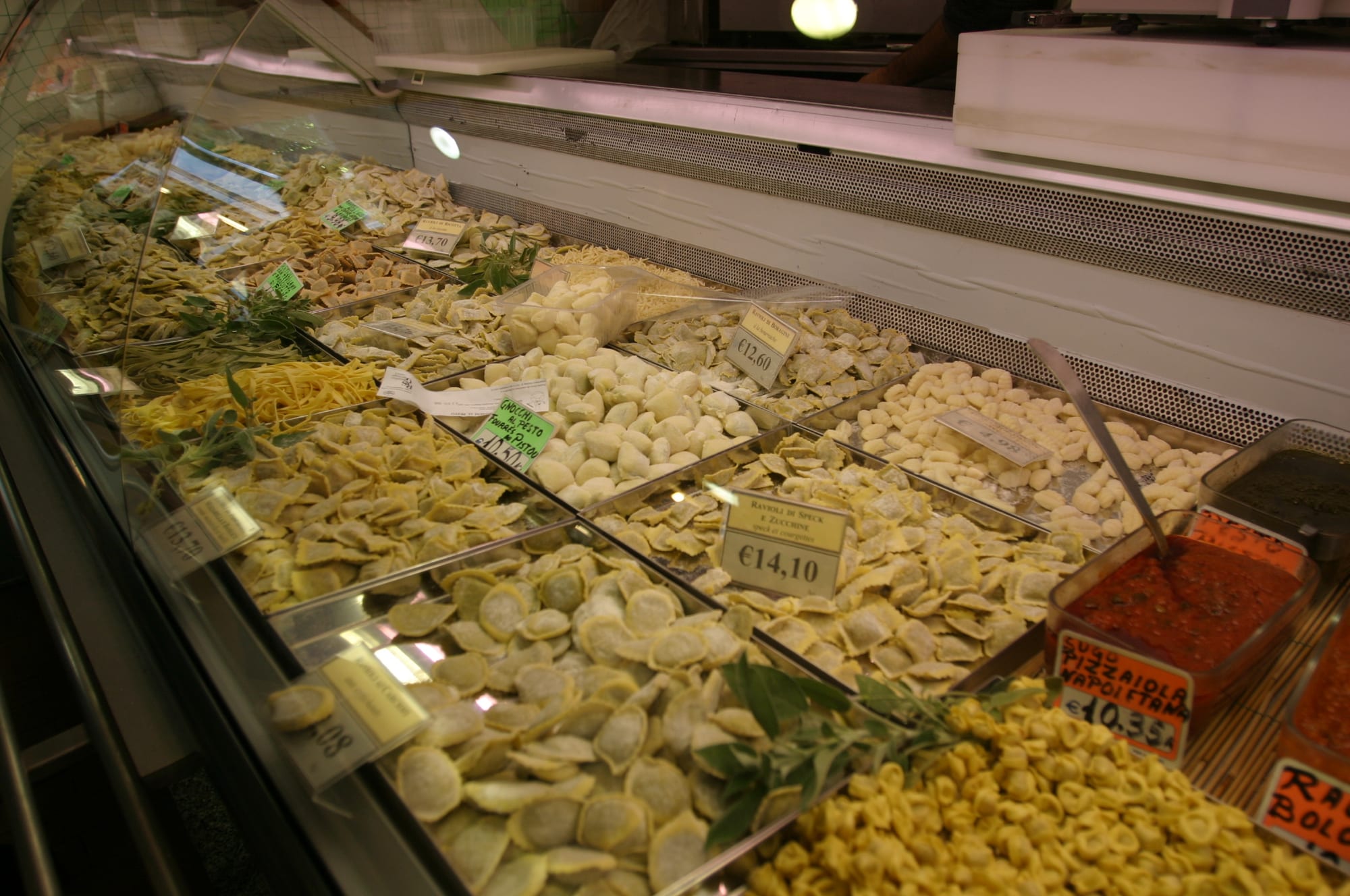
A country that thinks in regions, not one cuisine
Italy did not exist as a unified nation until 1861, and its food still carries that history directly: regional identity, Tuscan, Sicilian, Neapolitan, Emilian and dozens more, matters more to most Italians than any single national cuisine. Pasta itself varies so dramatically by region, in shape, sauce and technique, that treating it as one dish would misrepresent the country entirely.
The closest thing to a national dish: pizza Margherita
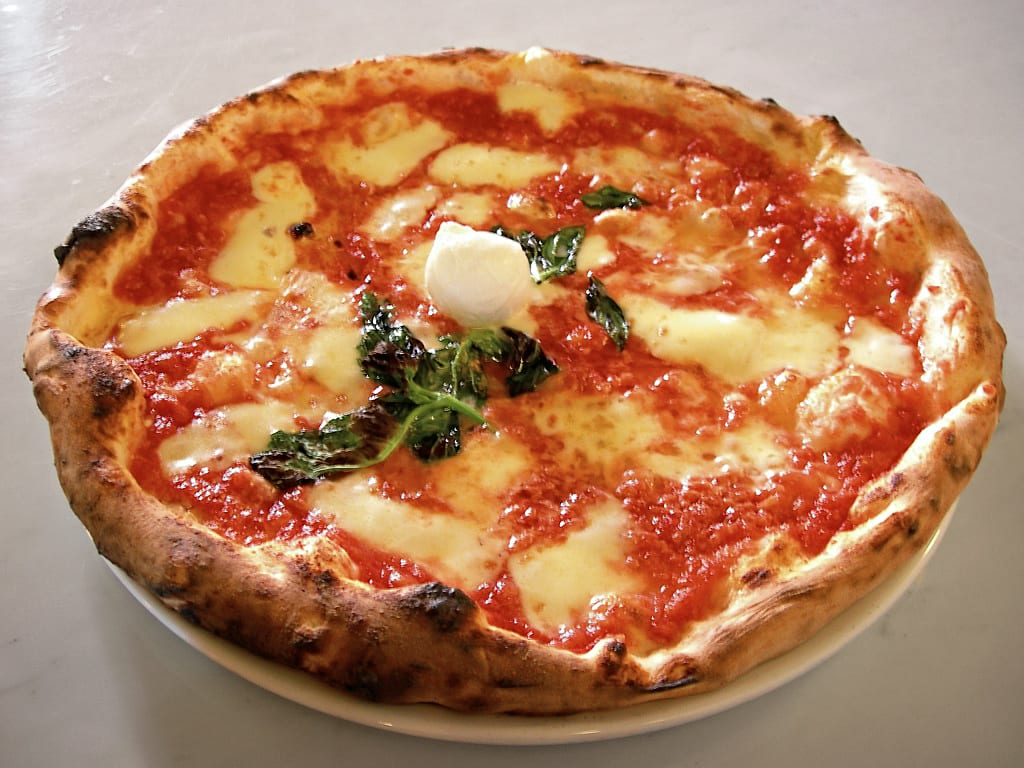
Pizza Margherita, a simple round of dough topped with tomato, mozzarella and basil, has a documented origin story rare among "national" dishes: it's widely credited to Pizzeria Brandi in Naples in 1889, reportedly created for Queen Margherita of Savoy, with the tomato, mozzarella and basil chosen to echo the colours of the Italian flag. That clear, recorded history, and the dish's global spread since, makes it Italy's strongest single claim to a national dish.
Pasta, olive oil and a genuinely regional pantry
Pasta, in hundreds of regional shapes and forms, olive oil, tomatoes and a wide range of regional cheeses form the backbone of Italian cooking, but exactly how they're combined shifts sharply by region: rich, butter- and-cream-based cooking in the north, tomato- and olive-oil-driven cooking further south. Parmigiano Reggiano, mozzarella di bufala and prosciutto are among dozens of foods tied by law to a specific protected region of origin.
History behind the dish
Pizza's rise from Neapolitan street food to global icon reflects Italy's broader 20th-century culinary export, carried worldwide largely by Italian emigrants, especially to the Americas. Italy's food history more generally is one of strong regional courts, city-states and local farming traditions that predate national unification by centuries, which is why so much Italian food law today still protects specific, narrowly defined regional products rather than treating "Italian food" as one thing.
Dishes to know
Five more to recognise across Italy:
- Risotto alla Milanese — a saffron-infused rice dish from Milan, a
northern Italian specialty distinct from the south's pasta focus.
- Ragù alla Bolognese — a slow-cooked meat sauce from Bologna, often
served with tagliatelle rather than spaghetti in its home region.
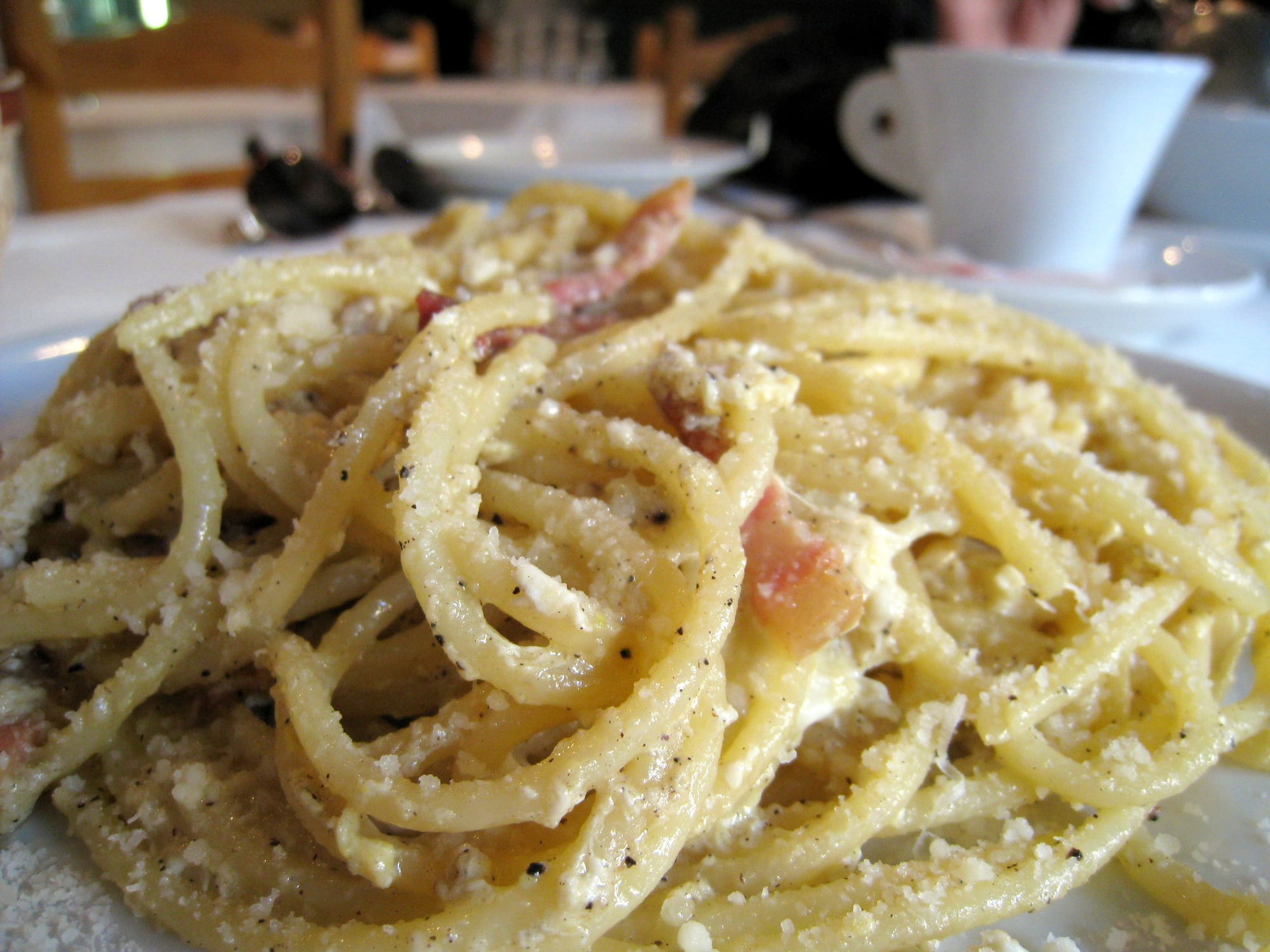
- Carbonara — a Roman pasta dish of egg, guanciale, pecorino and black
pepper, with no cream in its traditional version.
- Osso buco — braised veal shanks, a Milanese specialty often served
with risotto.
- Tiramisu — a layered coffee-soaked dessert with mascarpone, generally
traced to the Veneto region in the 20th century.
Drinks
Espresso, taken quickly and standing at a bar counter, is a genuine daily ritual, and Italian wine, produced in nearly every region under its own distinct appellation system, is deeply tied to local food rather than treated as a separate category. Aperitivo, a pre-dinner drink often served with small snacks, is a genuine everyday social custom in many Italian cities.
Eating as a traveller
Vegetarians will find pasta, pizza and vegetable dishes easy to build a meal around, though meat and fish remain central to many traditional regional dishes. Tap water is safe throughout the country. Ordering regionally, asking what a restaurant's area is actually known for rather than defaulting to familiar dishes, is the best way to eat well in Italy.
What to take from the table
Pizza Margherita, with its rare documented birthplace and date, is Italy's clearest single national dish — but the deeper truth of Italian food is regional, and worth exploring one region, and one plate of pasta, at a time.