Attractions & Natural Wonders · Italy
Italy: Fourteen Attractions and Natural Wonders
The Colosseum and the Vatican, Florence and Venice, a buried Roman city under a volcano, cliff-hanging fishing villages, and the pink towers of the Dolomites
By Worldlore Editorial · 19 September 2026
Twenty regions, each its own country
Italy has more UNESCO World Heritage Sites than any other country, and it earns them: the ancient capital of Rome, the Renaissance cities of Tuscany, Venice on its lagoon, Greek temples in Sicily, and a food and wine culture that changes every few dozen kilometres. It is a young nation (unified only in 1861) made of old rivalrous city-states, with about 59 million people, and its landscape runs from Alpine glaciers to Mediterranean islands.
The fourteen below are spread the length of the peninsula. Late spring and early autumn are ideal; July and August are hot and crowded, especially in the cities and on the coast, and many businesses close for two weeks in mid-August.
1. Rome
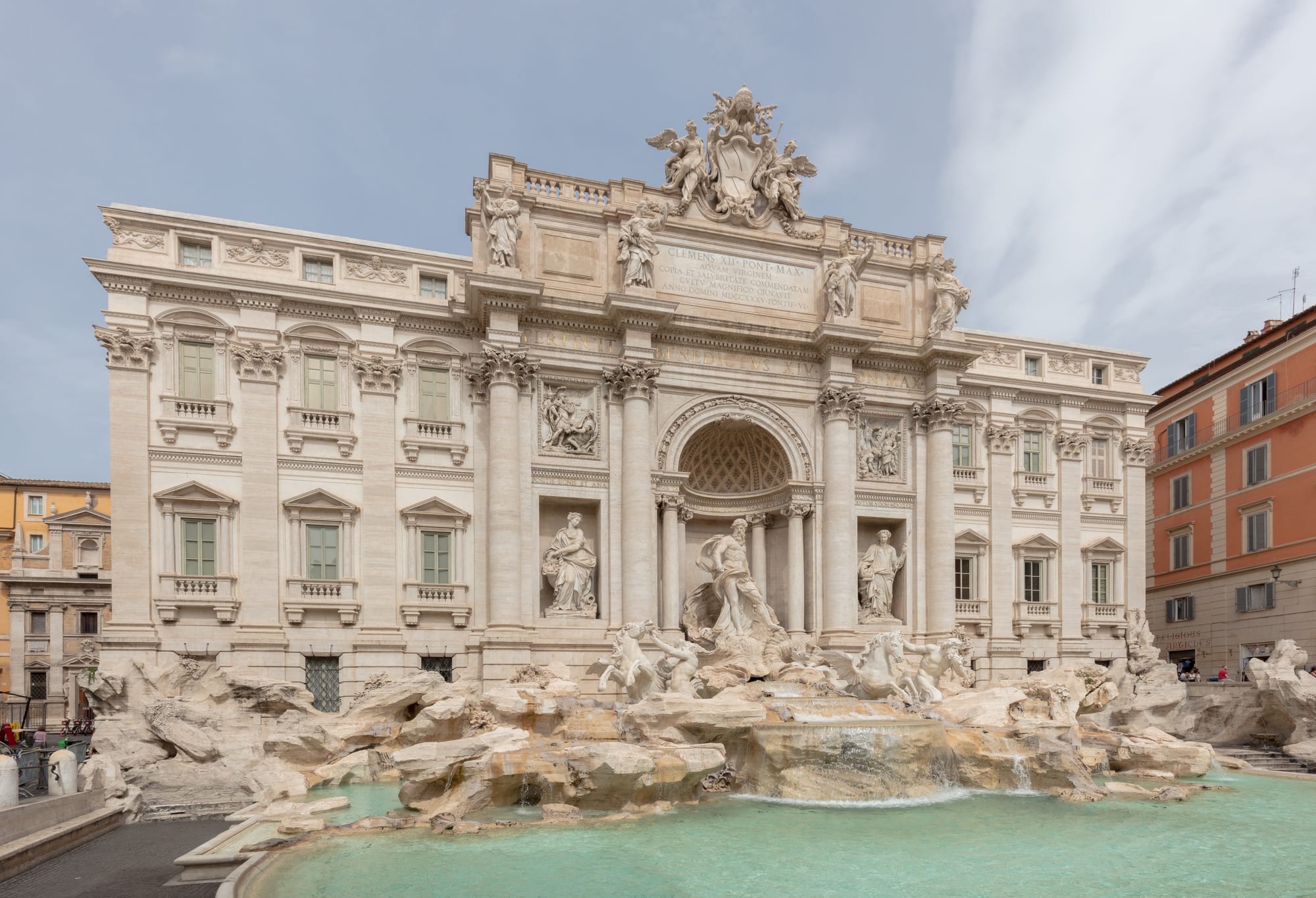
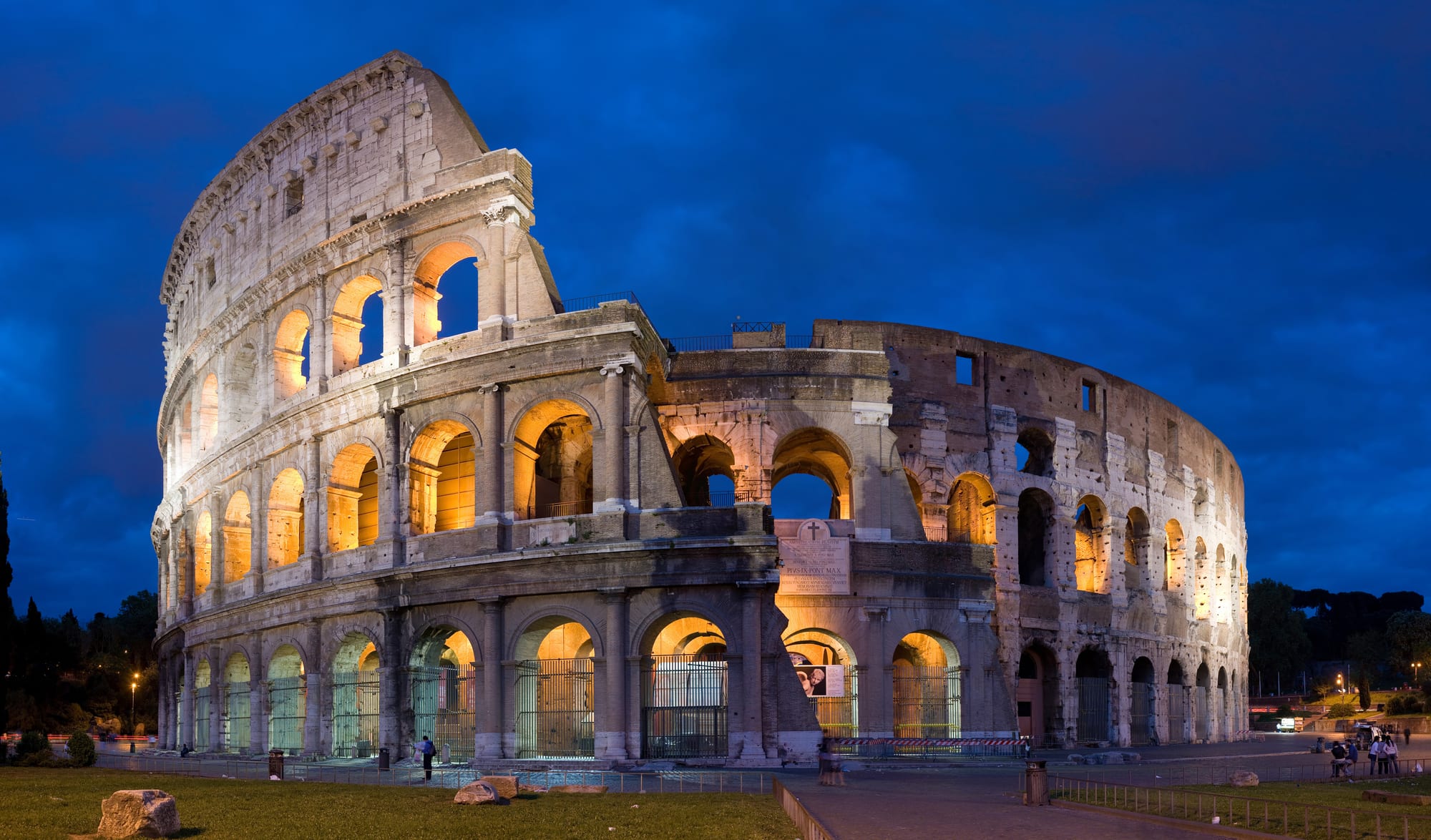
Rome layers nearly 3,000 years into a walkable centre: the Colosseum, Roman Forum, and Palatine Hill; the Pantheon; the Trevi Fountain and Spanish Steps; the Baroque squares of Navona and Campo de' Fiori; the Villa Borghese park and gallery; and Trastevere for the evening. It is also a living city of scooters, espresso bars, and Sunday lunches that run for hours.
Three or four days covers the essentials; buy timed tickets for the Colosseum and Borghese well ahead.
2. Vatican City
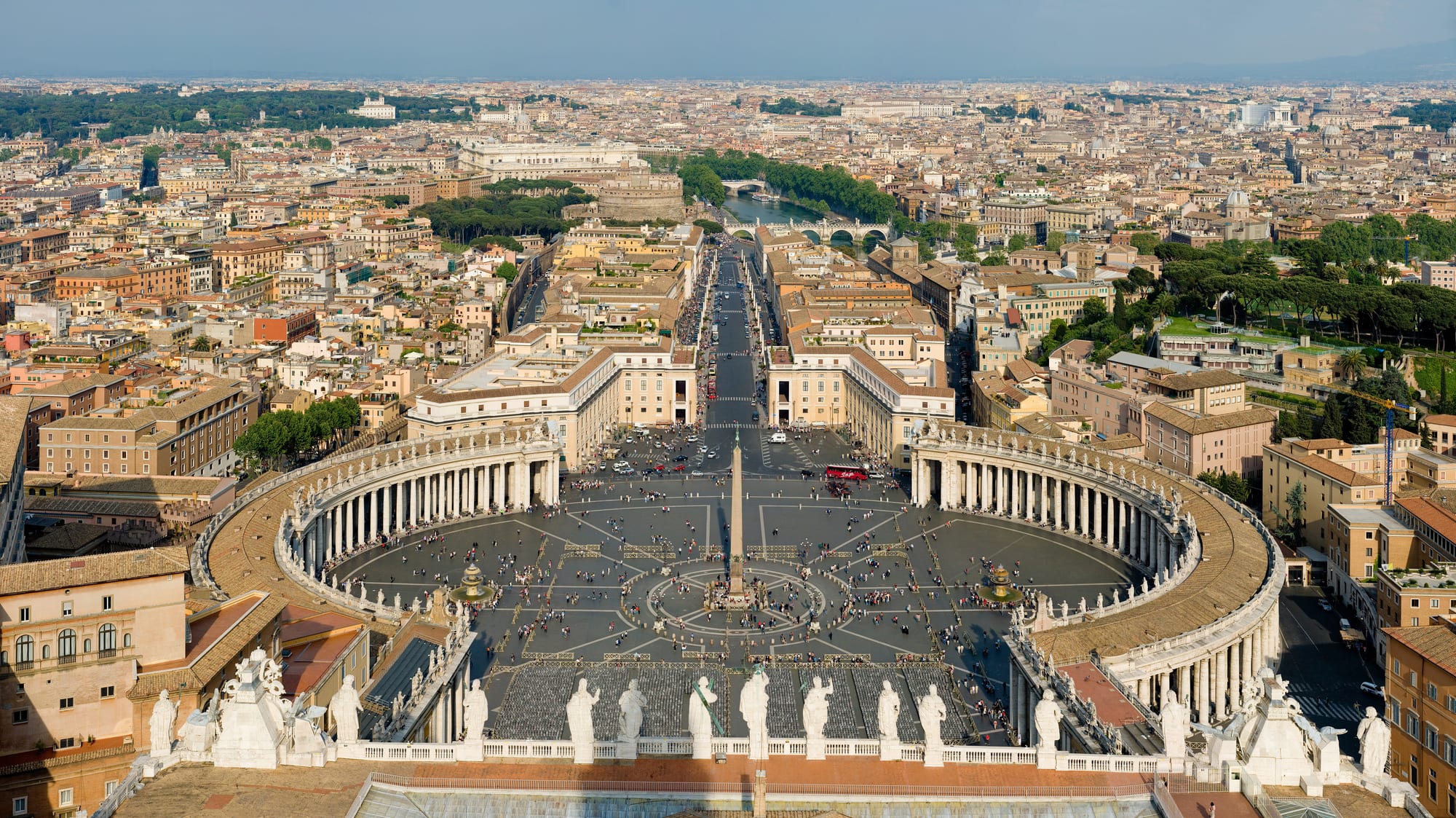
Within Rome, the Vatican is a sovereign state of 0.44 square kilometres and the centre of the Catholic Church. St Peter's Basilica holds Michelangelo's Pietà and his dome (climbable for the view); the Vatican Museums lead through kilometres of galleries to the Raphael Rooms and the Sistine Chapel ceiling. Lines are long — book a timed entry or an early tour.
Modest dress (covered shoulders and knees) is required to enter the basilica and chapel.
3. Florence
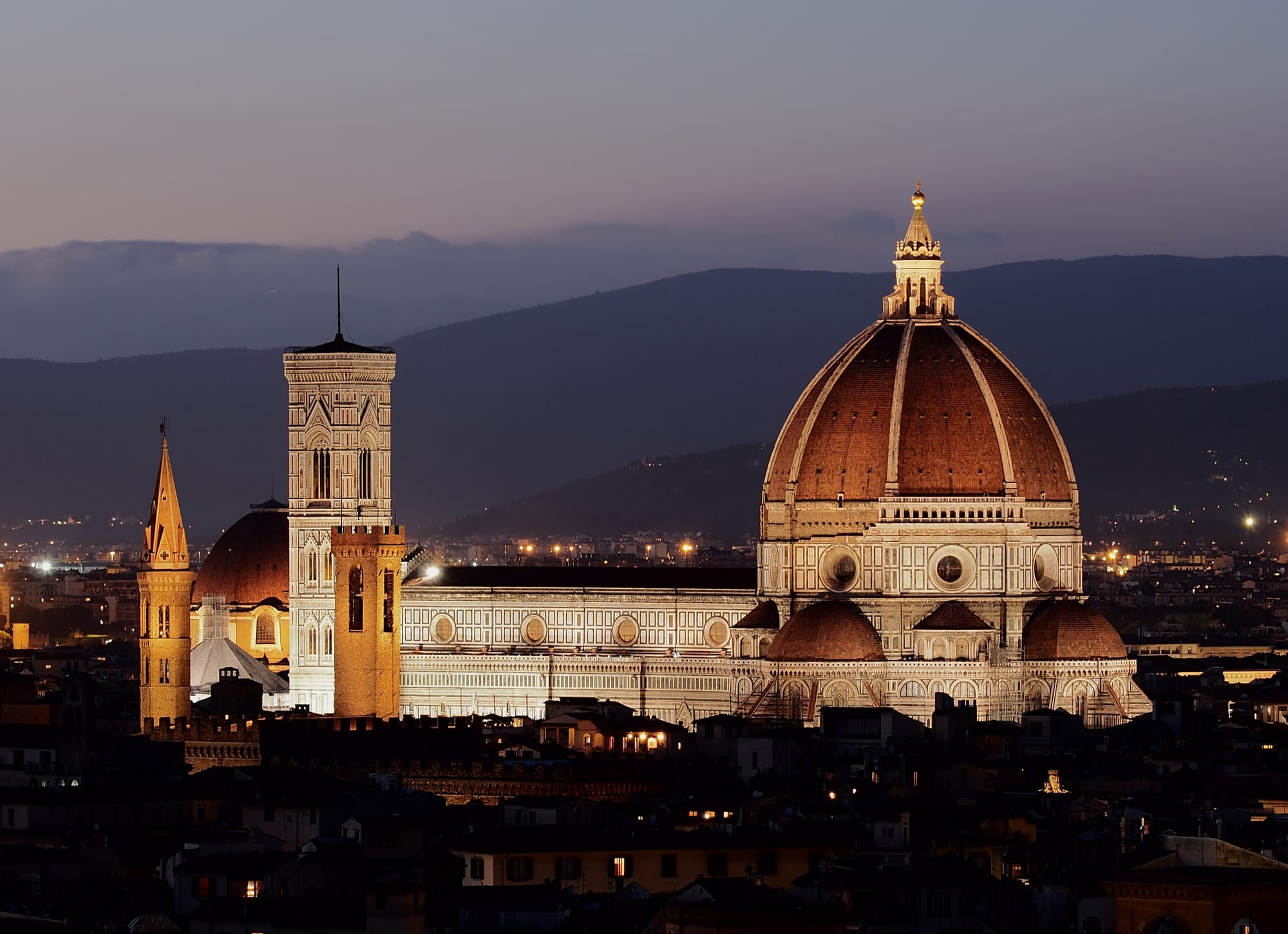
Florence, the cradle of the Renaissance, packs an extraordinary density of art into a small centre: the Uffizi (Botticelli, Leonardo, Caravaggio), the Accademia (Michelangelo's David), the cathedral with Brunelleschi's dome and Giotto's campanile, the shop-lined Ponte Vecchio, and the Pitti Palace and Boboli Gardens across the river. Piazzale Michelangelo gives the classic sunset view.
Book the Uffizi and Accademia ahead; the queues otherwise eat a day.
4. Tuscany
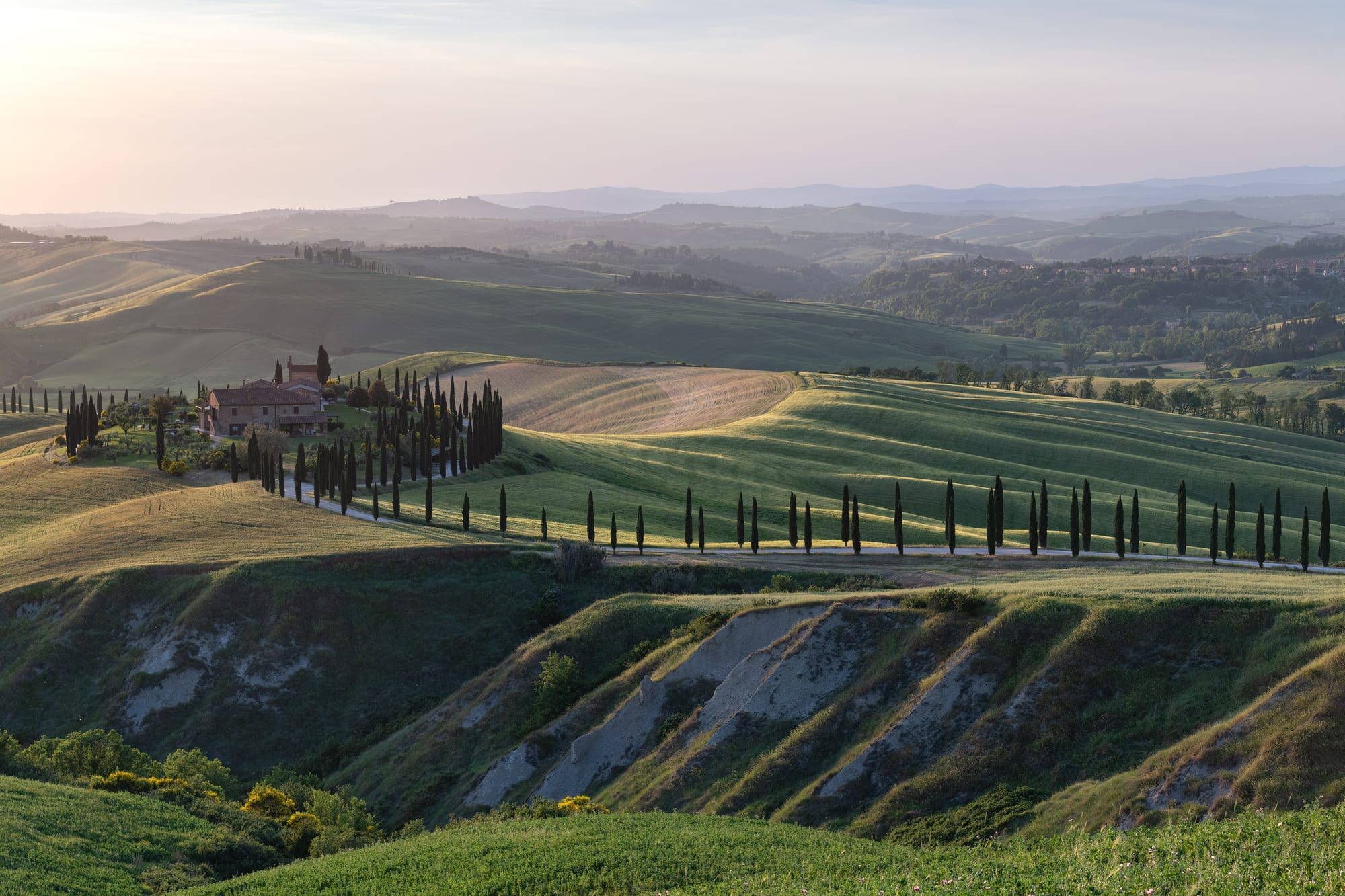
Beyond Florence, Tuscany is a region of walled hill towns and wine country. Siena has the shell-shaped Piazza del Campo (where the bareback Palio horse race runs twice each summer) and a striped marble cathedral; San Gimignano bristles with medieval tower-houses; and the Val d'Orcia and Chianti hills — cypress avenues, vineyards, farmhouse agriturismi — are the postcard countryside. Pisa's leaning tower is a short hop northwest.
A car is the way to see the smaller towns and wine estates.
5. Venice
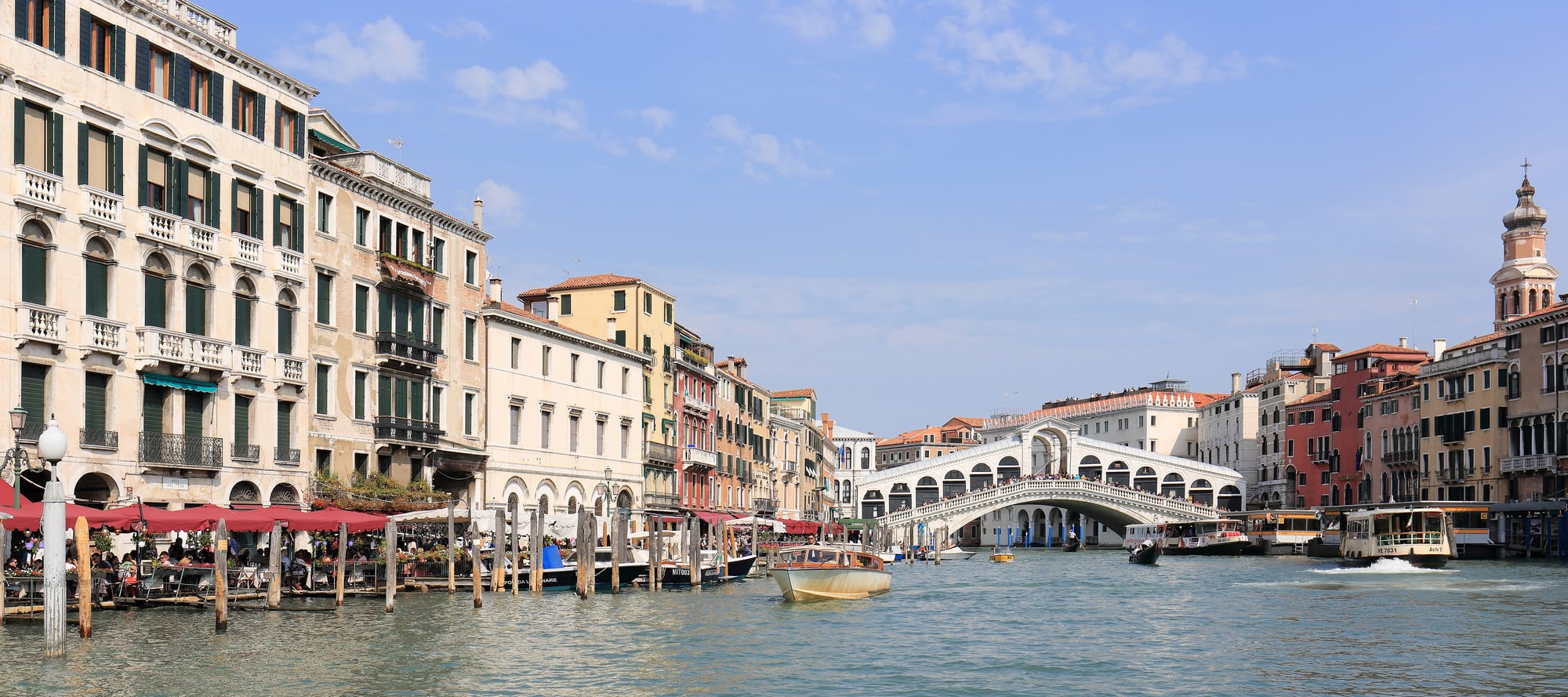
Venice, built on wooden piles across 118 islands in a lagoon, has no cars — you move by foot or boat. St Mark's Square, the golden basilica, the Doge's Palace, and the Rialto and Accademia bridges are the set-pieces; the real pleasure is getting lost in the quiet back sestieri and taking the vaporetto out to Murano (glass), Burano (lace and coloured houses), and Torcello.
It is overwhelmed by day trippers; stay a night or two to have it early and late.
6. The Dolomites
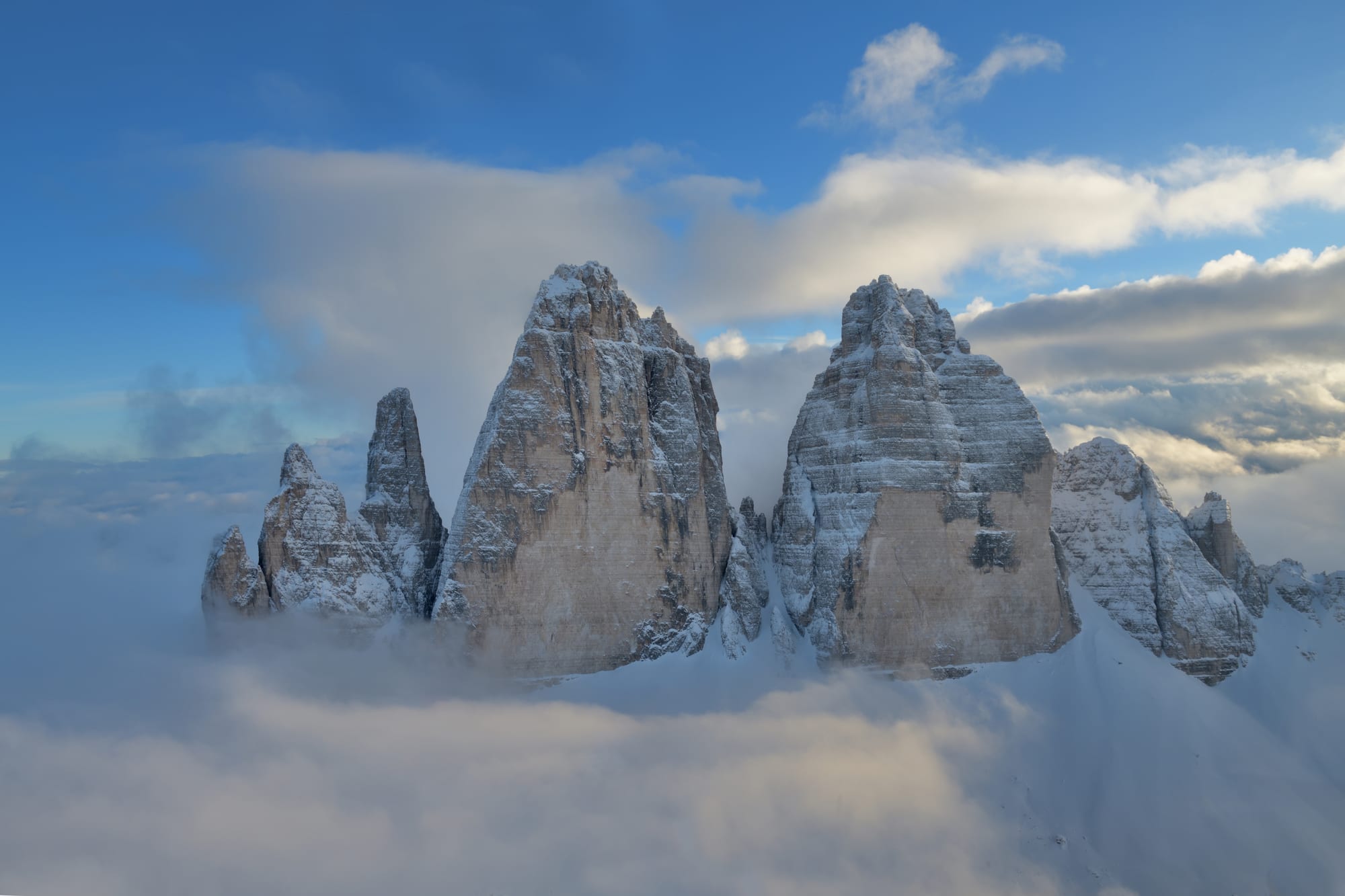
The Dolomites, in the northeast, are a UNESCO-listed range of pale, near-vertical limestone towers and walls that glow pink at sunset (enrosadira). In summer they are Europe's finest hiking, with a network of mountain huts (rifugi) and cable cars; in winter they are a huge linked ski area. The Alpe di Siusi meadow, the Tre Cime loop, the Seceda ridge, and the Lago di Braies are the icons; the culture here is bilingual German and Italian, with Ladin in some valleys.
Bolzano, Ortisei, and Cortina d'Ampezzo are the main bases.
7. Milan and the Italian Lakes
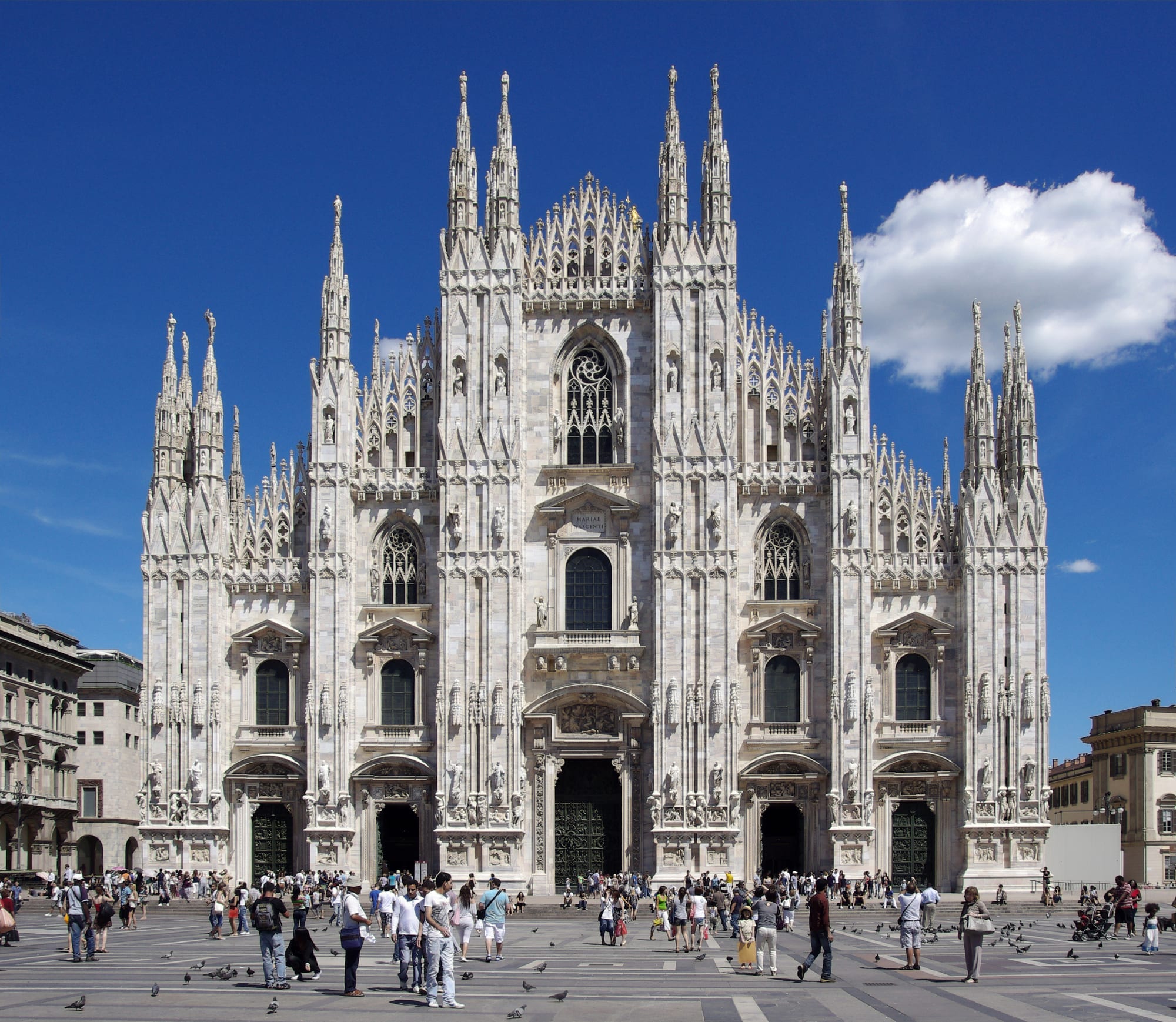
Milan, Italy's business and fashion capital, has the extravagant marble Duomo (with a rooftop walk), the glass-roofed Galleria shopping arcade, La Scala opera house, and Leonardo's Last Supper (booked weeks ahead). North of the city, the pre-Alpine lakes — Como, with Bellagio and grand villa gardens; Maggiore, with the Borromean Islands; and Garda, the largest — have been holiday retreats since Roman times.
Milan is the main northern rail and air hub, an hour from the lakes.
8. The Cinque Terre
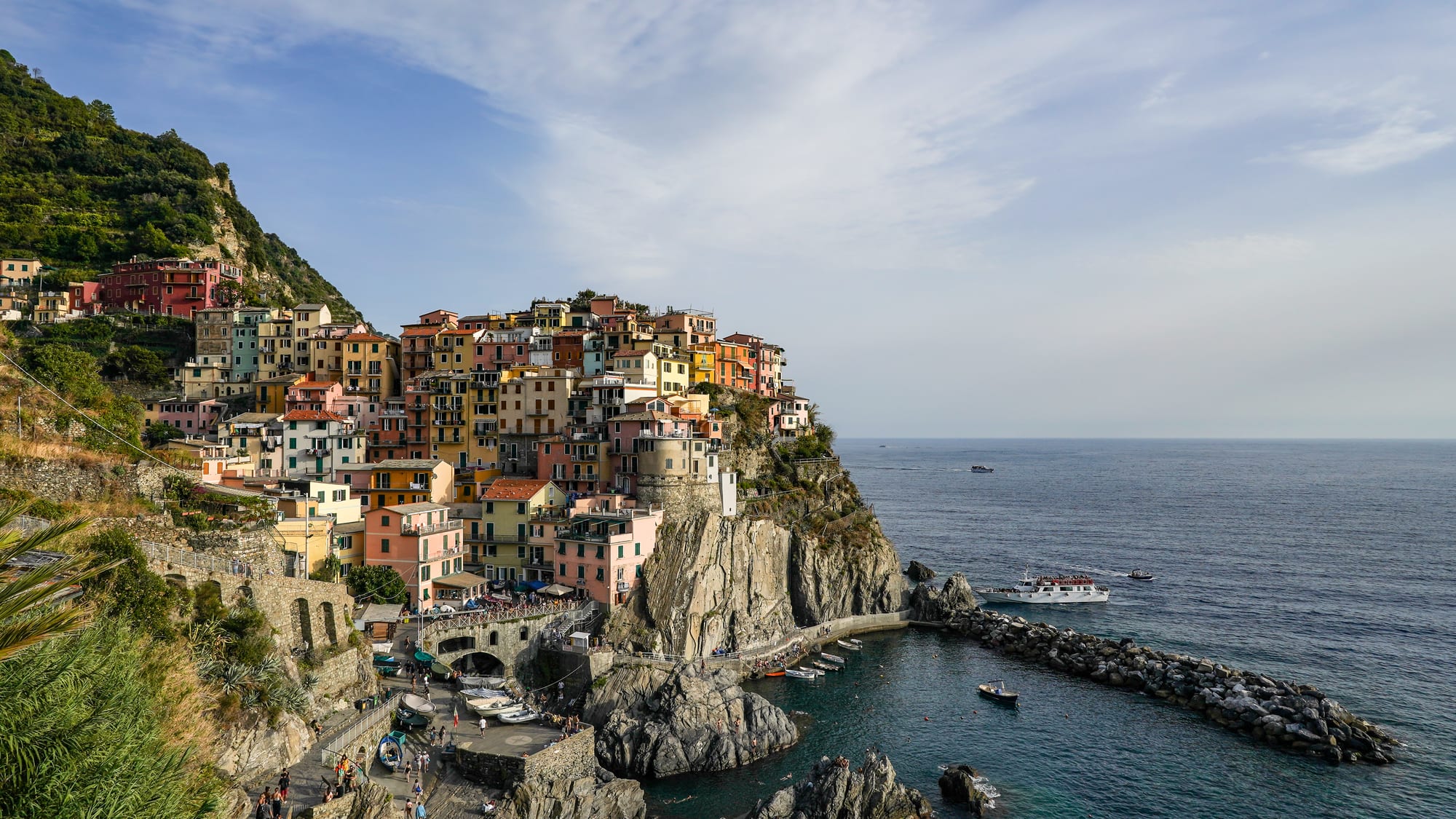
The Cinque Terre — Monterosso, Vernazza, Corniglia, Manarola, and Riomaggiore — are five old fishing and wine villages wedged into a steep, terraced stretch of the Ligurian coast, linked by a coastal train, boats, and a network of clifftop footpaths (the famous "Blue Path" is often partly closed by landslides). They are a national park and very crowded in summer.
Base yourself in one village or in nearby Levanto or La Spezia and day-trip by train.
9. Pompeii and Vesuvius
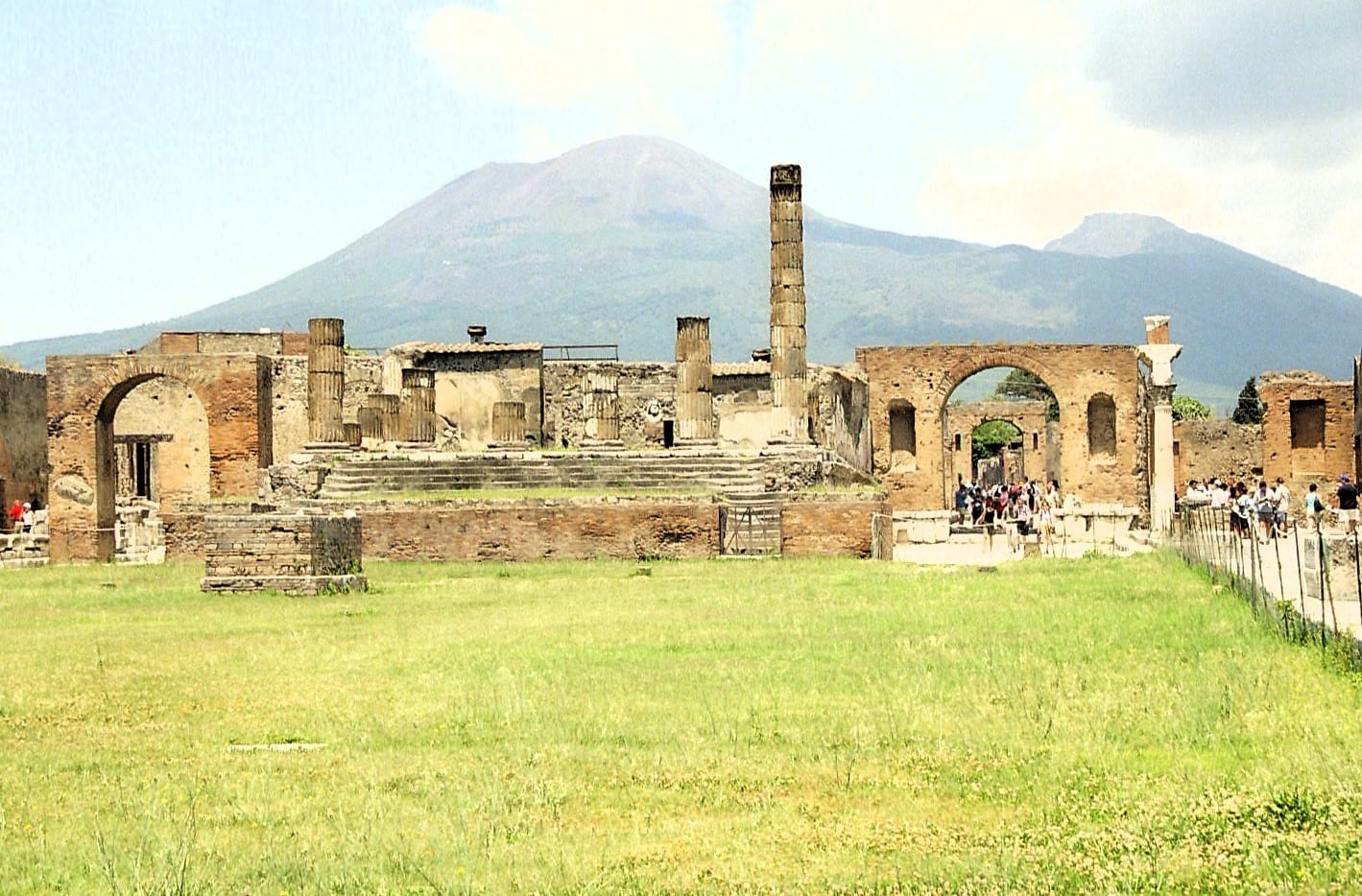
Pompeii, buried by the eruption of Vesuvius in AD 79 and dug out from the 18th century on, is the most complete Roman city that survives — streets, shops, bath-houses, brothels, frescoed villas, and casts of victims caught by the ash. Nearby Herculaneum is smaller but better preserved (wooden fittings, upper floors). Vesuvius itself can be climbed to the crater rim on a short walk from a car park.
It is reached from Naples or Sorrento on the Circumvesuviana train; go early and bring water and sun cover.
10. Naples
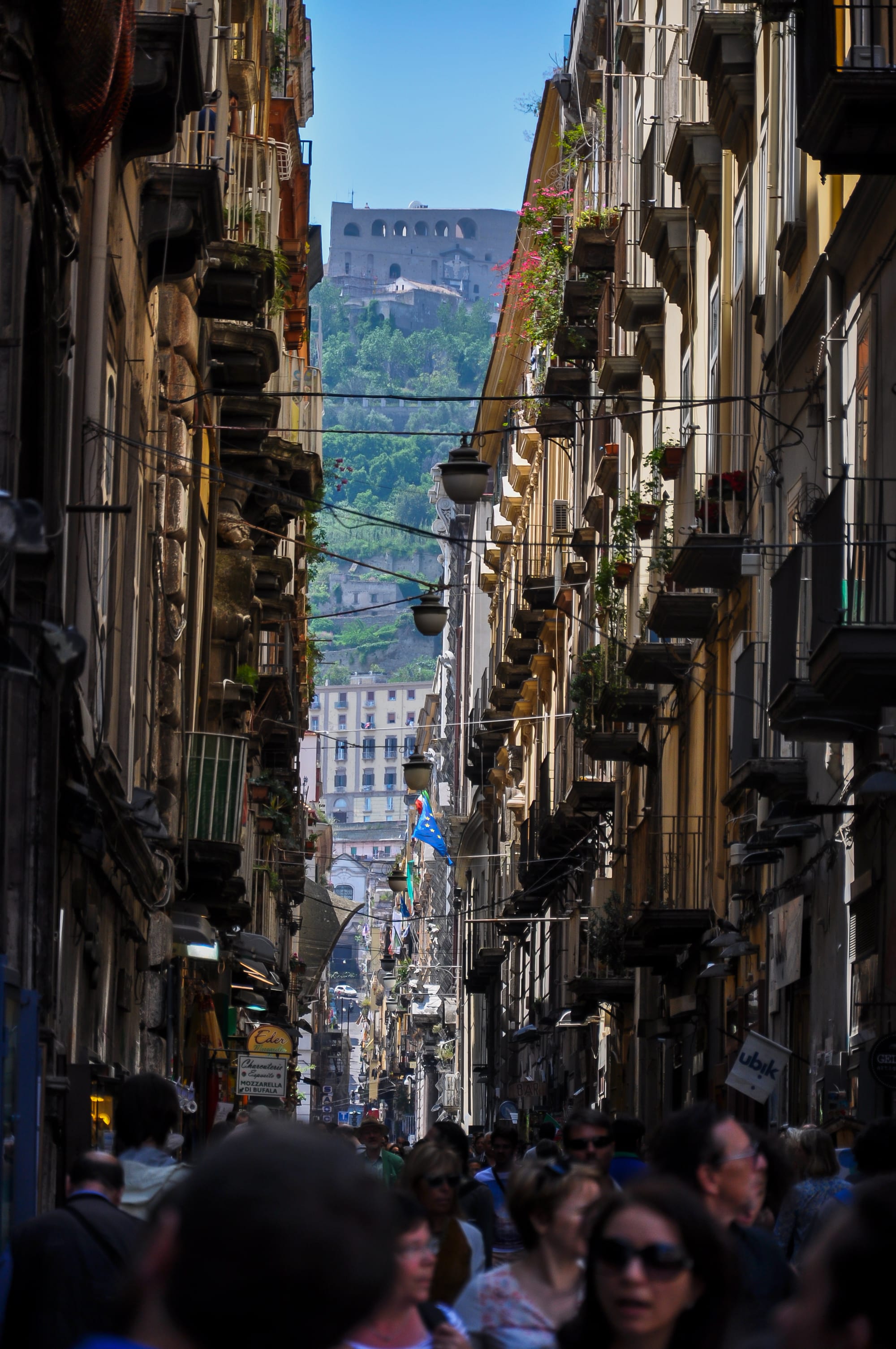
Naples is loud, chaotic, and one of Italy's great cities — the birthplace of pizza, a dense UNESCO-listed old centre of churches and street shrines, the superb National Archaeological Museum (the finds from Pompeii and the Farnese marbles), the Capodimonte gallery, and a network of tunnels and catacombs beneath. It is the gateway to Pompeii, Vesuvius, the Amalfi Coast, and the islands of Capri, Ischia, and Procida.
It has a rough reputation; normal city awareness is enough for the tourist areas.
11. The Amalfi Coast
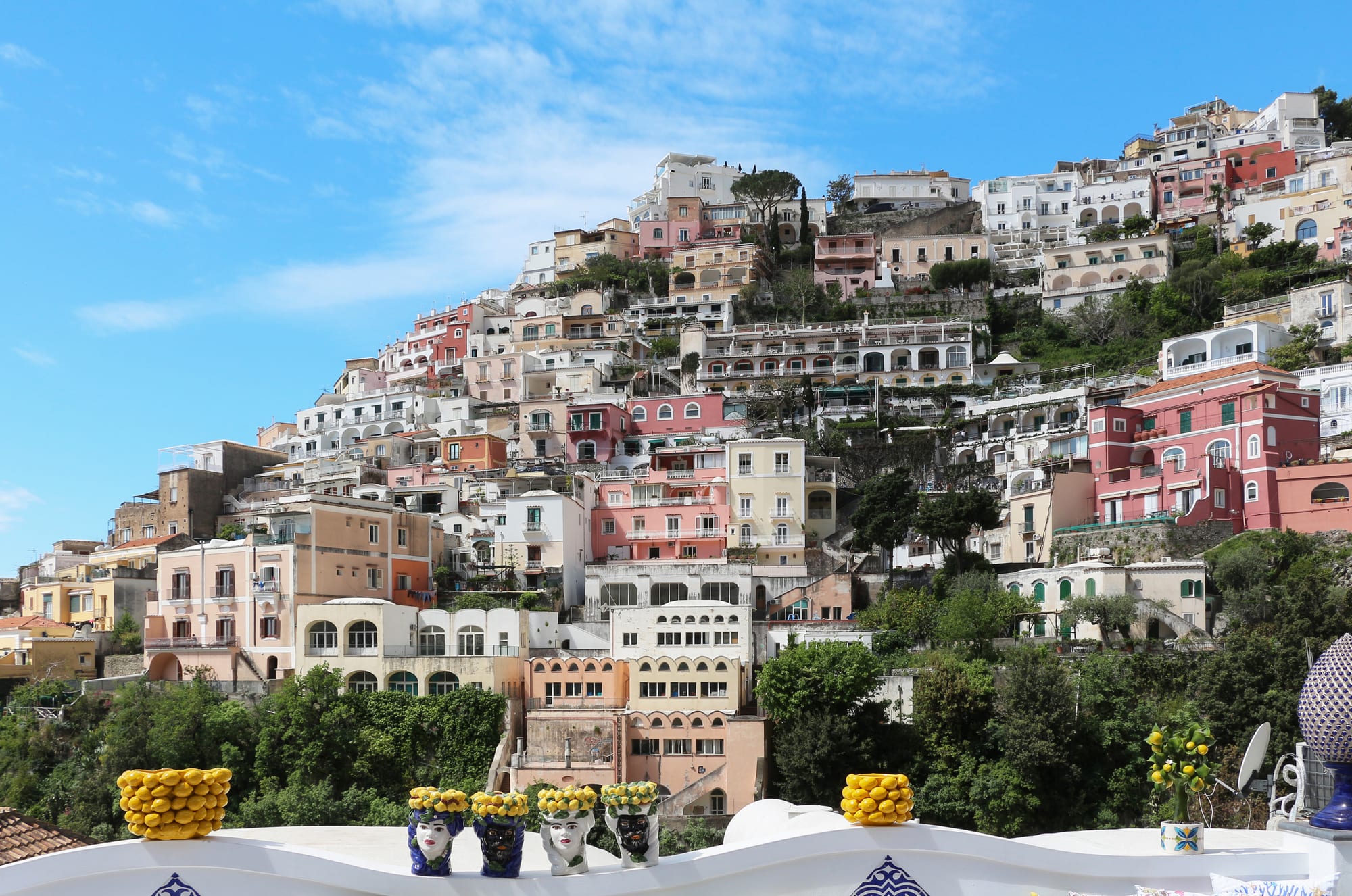
The Amalfi Coast, south of Naples, is a 50-kilometre stretch of cliffs, lemon terraces, and pastel towns clinging above the sea — Positano, Amalfi, Ravello (with its garden villas and music festival) — connected by a hair-raising corniche road. Boats, the coastal bus, and the clifftop "Path of the Gods" hike are the alternatives to driving. It is a UNESCO World Heritage Site.
Summer traffic on the coast road is severe; spring and autumn are far better.
12. Matera
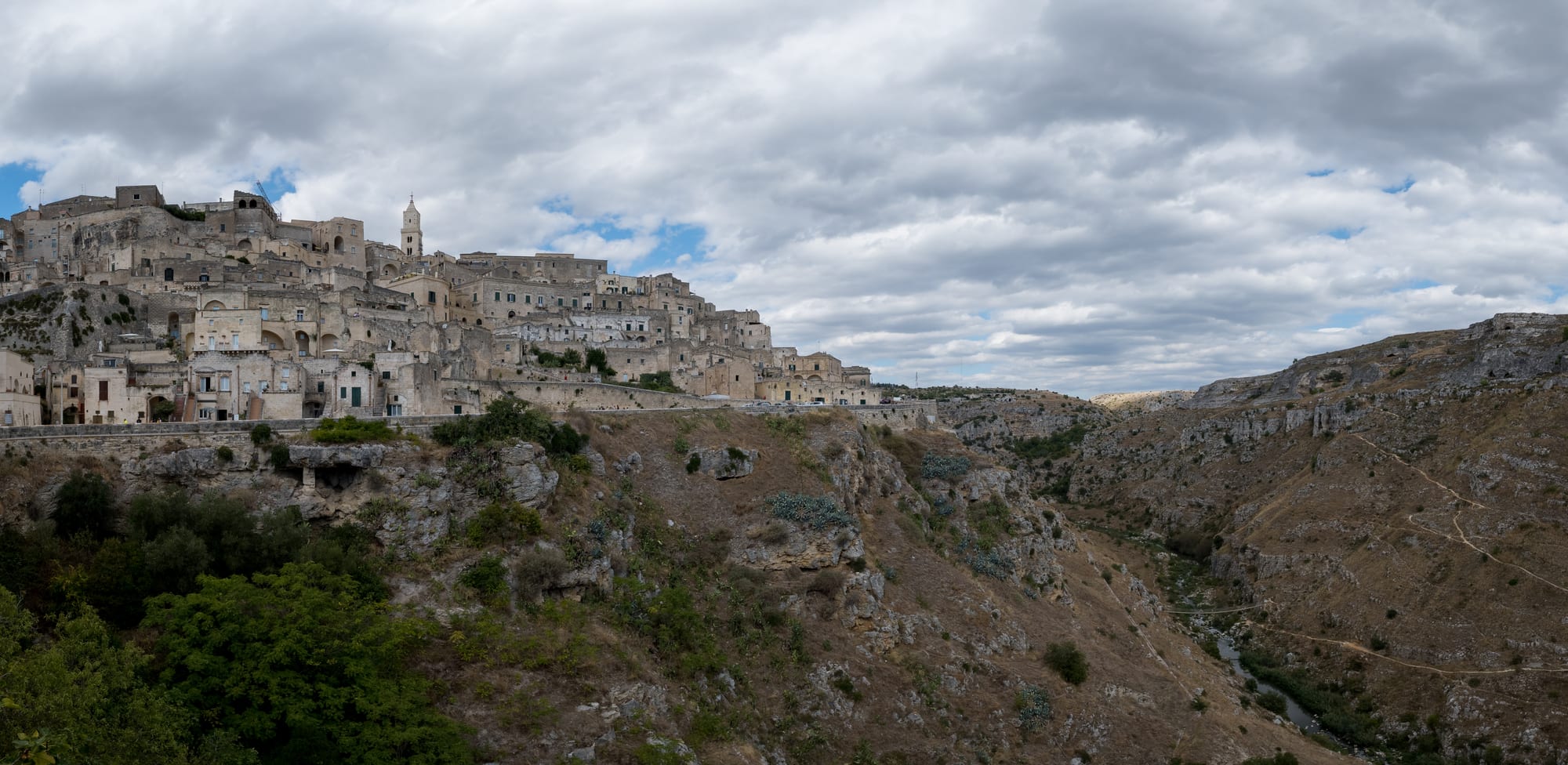
Matera, in the southern region of Basilicata, is one of the oldest continuously inhabited settlements on earth — a warren of sassi, houses and churches carved into and out of a limestone ravine. Desperately poor and half-abandoned by the 1950s, it has been reborn as a UNESCO site and cultural capital, its caves now holding hotels, restaurants, and rock-cut churches with Byzantine frescoes. It has stood in for ancient Jerusalem in several films.
It is reached from Bari (about an hour), on Italy's less-visited southeast coast.
13. Sicily
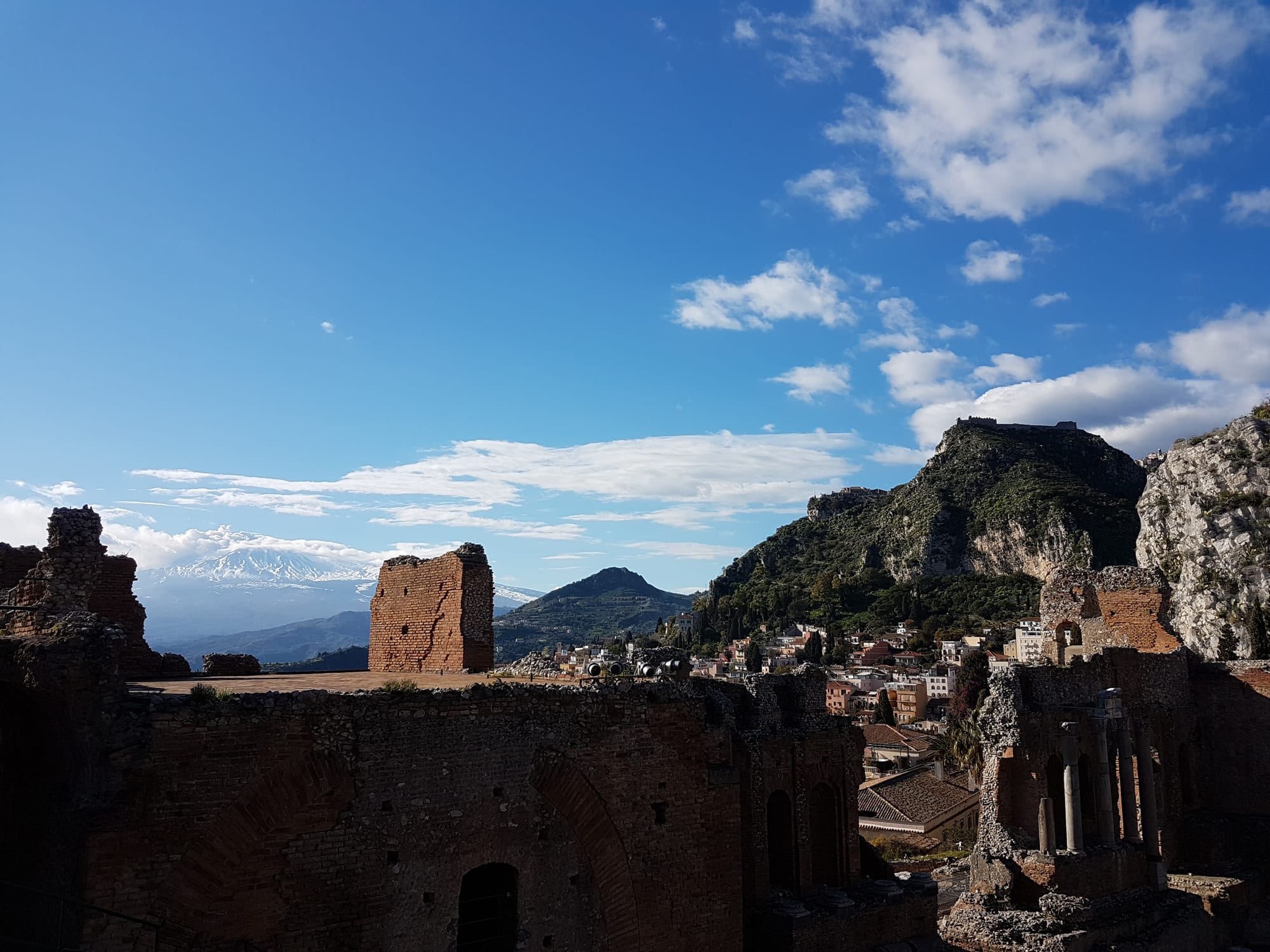
Sicily, the largest Mediterranean island, is a country of its own: the Greek temples of Agrigento and Selinunte, the mosaics of the Villa Romana del Casale, Baroque Noto and Ragusa, the markets and chaos of Palermo, the clifftop resort of Taormina, and Mount Etna — Europe's largest active volcano, climbable on jeep and cable-car tours. The food (arancini, cannoli, swordfish, granita) is a highlight in itself.
Sicily needs at least a week; a car is close to essential outside the cities.
14. Sardinia
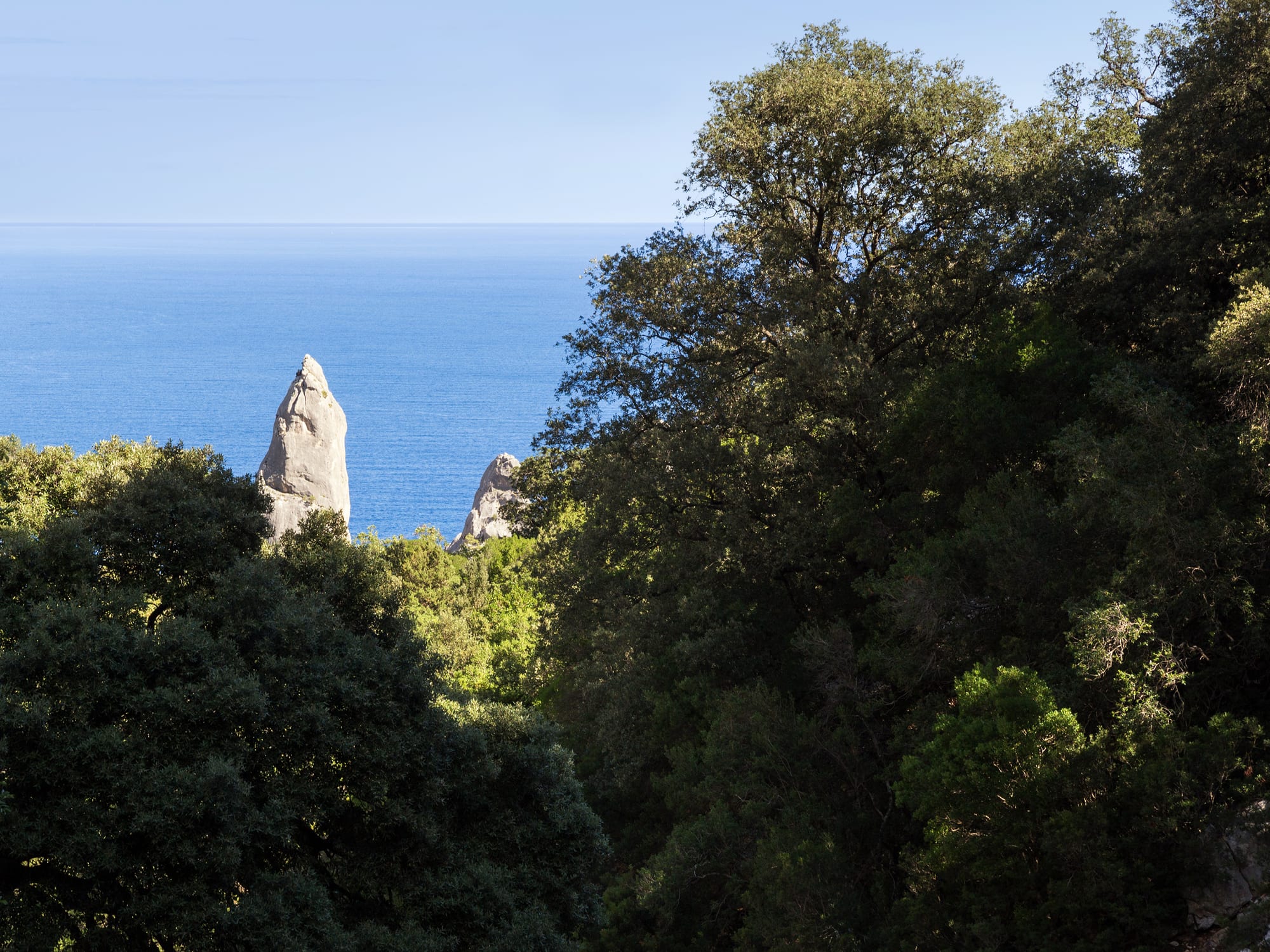
Sardinia has the clearest water and best beaches in Italy — the glamorous Costa Smeralda in the northeast, the wild coves of the Gulf of Orosei (Cala Luna, Cala Goloritzé), and the pink-sand island of Budelli. Inland it is mountainous and shepherd country, dotted with roughly 7,000 nuraghi — Bronze Age stone towers unique to the island, the largest complex, Su Nuraxi, a UNESCO site.
Ferries run from the mainland and Corsica; the island is big, so pick a coast.
Italy rewards focus. A first trip often does Rome, Florence, and Venice by fast train; a second adds Tuscany, the Amalfi Coast and Naples, the Dolomites, or a Sicily or Sardinia loop.