Daily Life · Italy
Italy: A Day With a Pause Built In
A midday lull that still closes shops across much of the country, a standing espresso that costs noticeably less than the seated one, and a housing pattern that keeps around seven in ten young adults living with their parents
By Worldlore Editorial · 30 September 2026
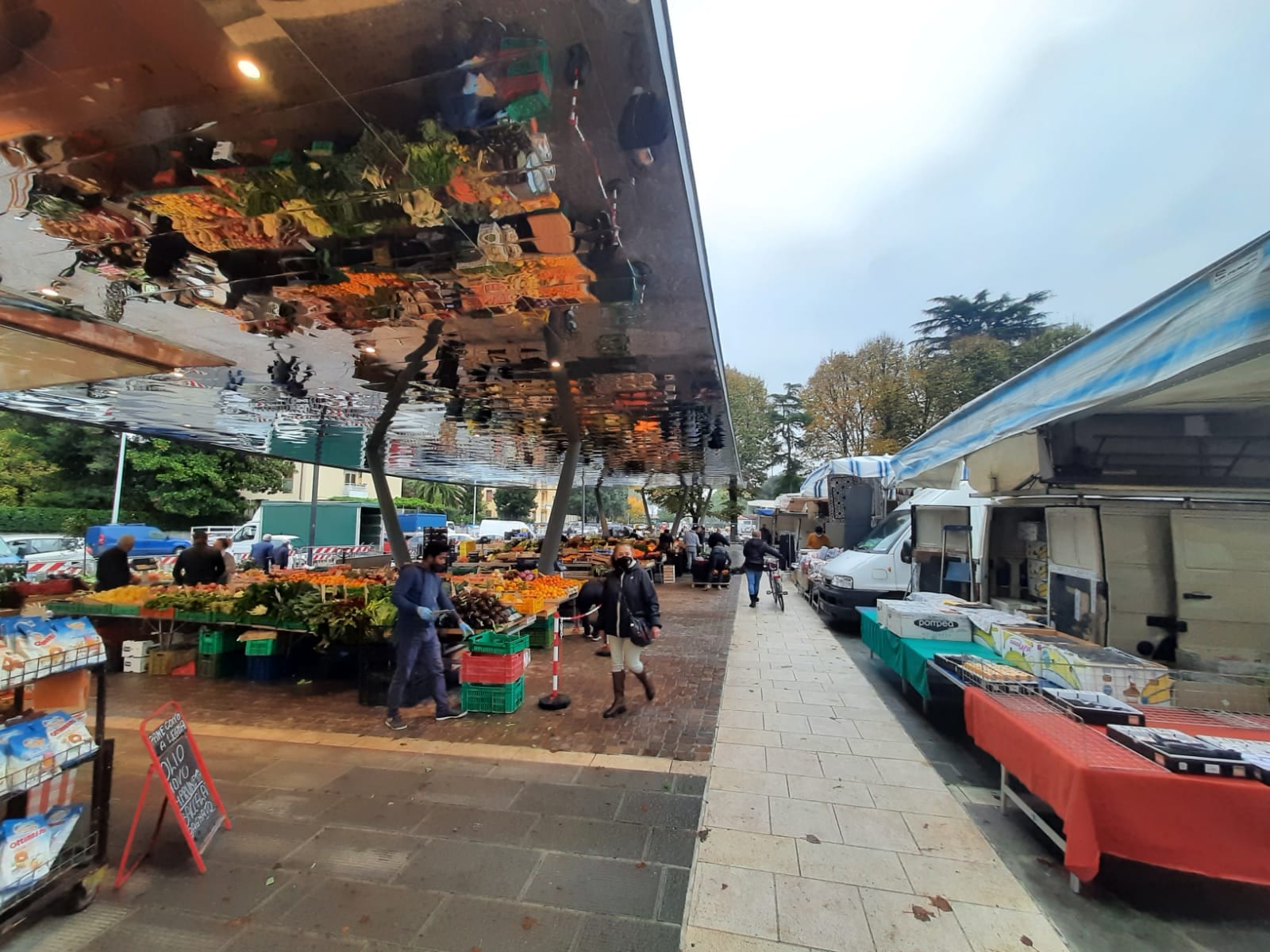
An ordinary day in Italy is built around a pause rather than a straight run from morning to evening. In much of the country, especially away from the biggest cities, shops and offices still close for an hour or two in the early afternoon before reopening into a longer evening, and a coffee taken standing at the bar is treated as a two-minute ritual rather than something to linger over. Family remains the strongest organising unit of daily life, so much so that a large share of young adults still live in their parents' home well into their late twenties. Between the two, the piazza and its market keep doing the daily work that a shopping centre does elsewhere.
Family and home life
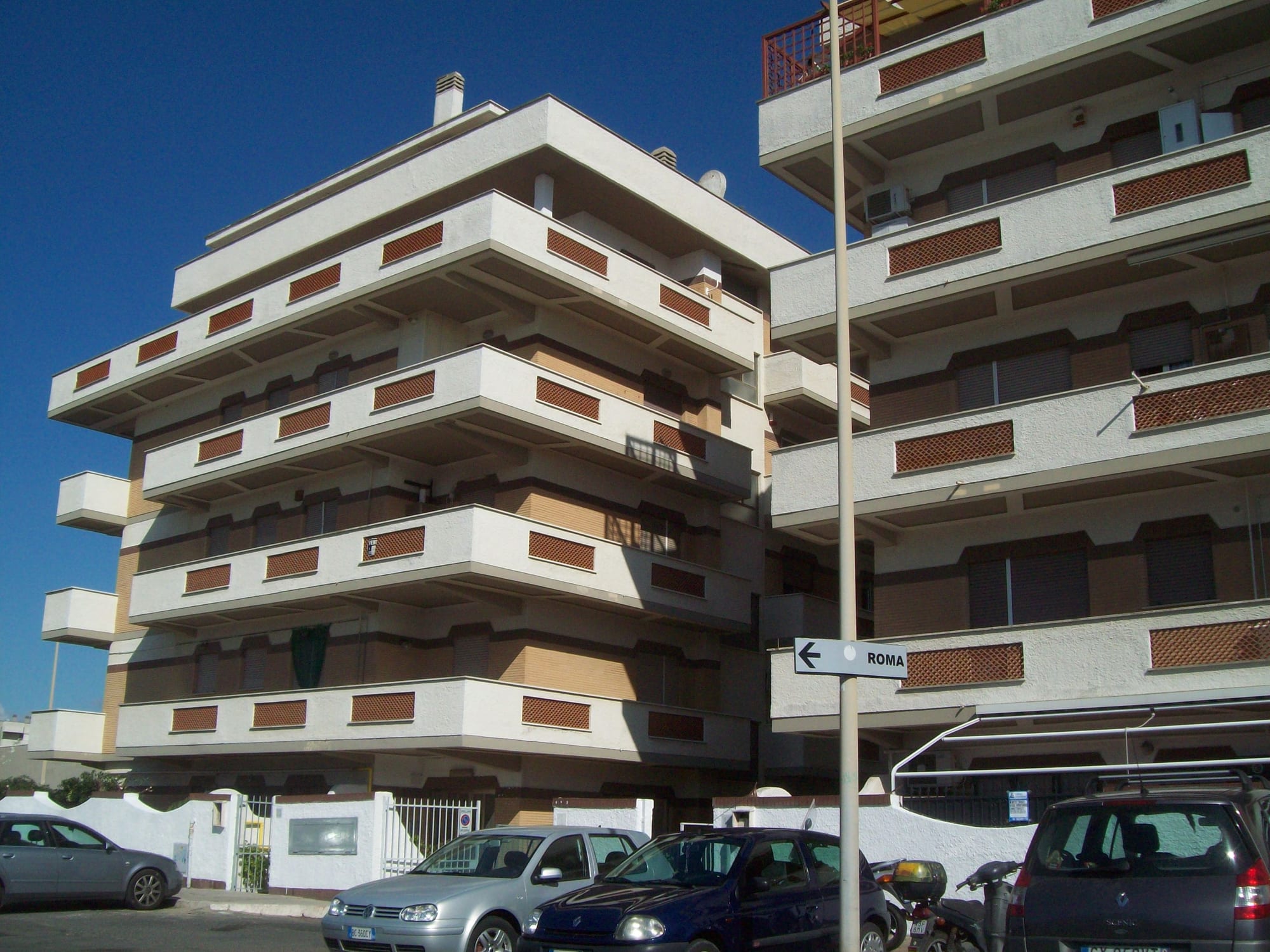
The average Italian household held just 2.2 people in 2023, reflecting one of Europe's lowest birth rates, yet family life is far from thin on the ground: almost seven in ten Italians aged 18 to 34 were still living with their parents that same year, 73 percent of young men and 63 percent of young women, a share among the highest in Europe. The pattern is driven less by choice than by economics — insecure entry-level jobs, low starting wages relative to rent, and a housing market where good rental stock is scarce in the cities young people move to for work. Sunday lunch remains the week's central family gathering in many households, often running for several hours and drawing in grandparents, aunts, uncles and cousins as much as the immediate household.
Work, school and the rhythm of the day
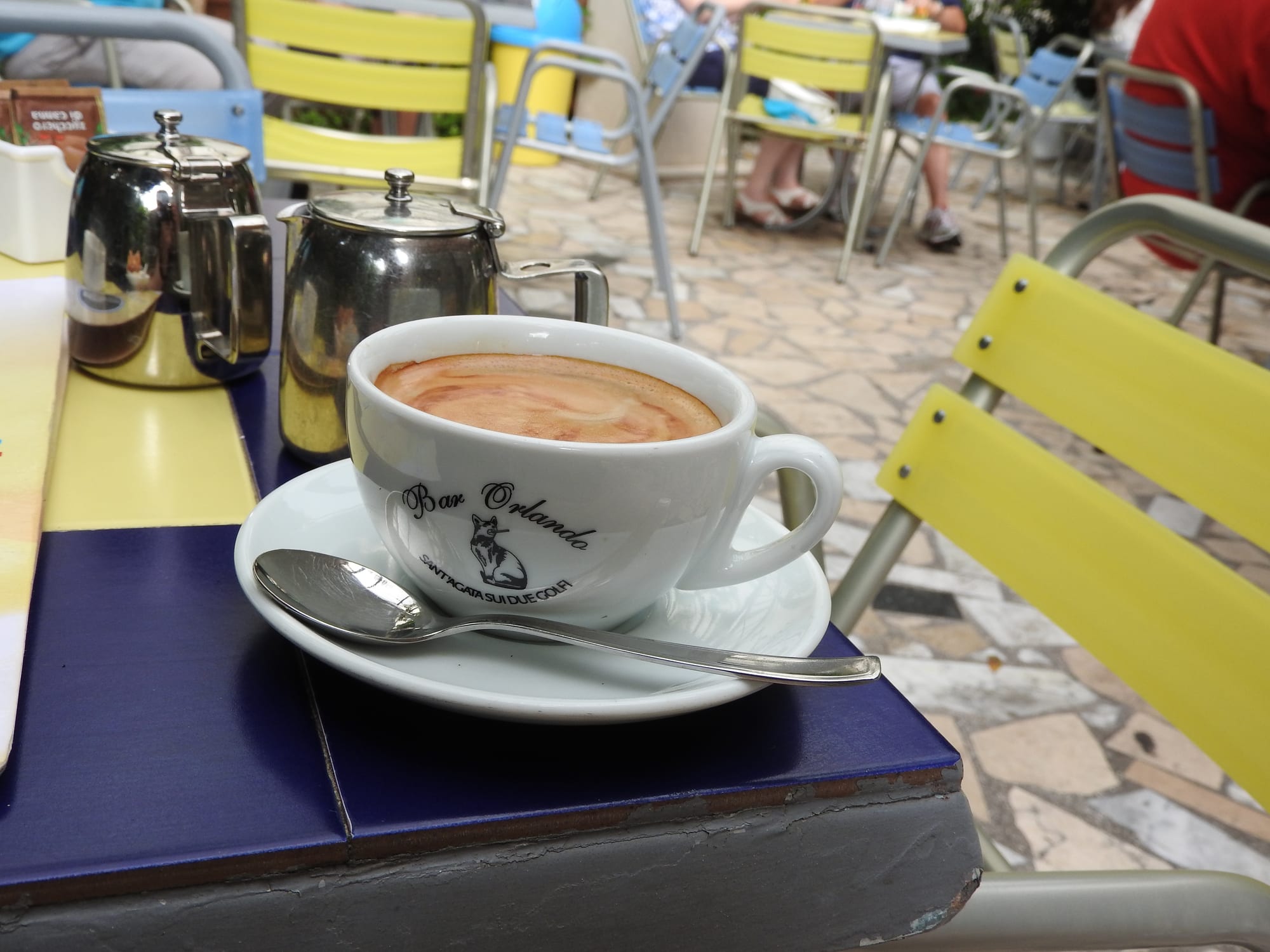
The standard working day runs roughly 9am to 6pm with a lunch break of one to two hours, shorter in large corporate offices in Milan or Rome than in smaller towns and the south, where the midday riposo can still close shops, banks and even some offices from around 1pm until mid-afternoon. Coffee punctuates the day rather than sitting at the centre of it: a standing espresso at the bar counter is typically drunk in a couple of minutes, several times a day, and treated as ordinary rather than a break from work. August brings a further, nationwide slowdown: many companies close for about two weeks, and small shops, family restaurants and local offices often shut for ten days to a fortnight around the 15 August Ferragosto holiday, a holiday whose name goes back to the Feriae Augusti, a festival introduced by the emperor Augustus.
Community life and public spaces
The piazza remains the physical centre of daily life in towns of every size, and its market, whether a daily fixture or a weekly one, is still where much fresh food shopping happens, supermarkets notwithstanding. Bars function as an informal daily meeting point far more than as evening venues, visited by regulars, often more than once a day, for a quick coffee and a few minutes of conversation rather than a sit-down occasion. In the early evening, especially in smaller towns, the passeggiata, an unhurried walk through the centre, draws people out onto the street in a way that mirrors, at a national scale, how much of ordinary social life in Italy still happens in public rather than behind closed doors.
Free time and weekends
Sunday is built around the extended-family lunch more than any single outing, though football pulls a huge share of the country's attention alongside it: Serie A matches are followed with real intensity, watched at home, in bars, or occasionally at the stadium. August is the year's big release valve, when much of the country heads to the coast or the mountains at once, particularly around the Ferragosto holiday, leaving many cities noticeably emptier than usual. On an ordinary weekend the evening passeggiata, a coffee with friends, and time with family fill most of the time that isn't given to sport.
A visitor's ordinary day
Card payment is accepted almost everywhere now, though it is worth keeping some cash for small bars and markets. Expect many shops, and some offices, to close for a couple of hours in the early-to-mid afternoon outside the biggest cities, and expect much of the country, especially small businesses, to be closed or on reduced hours for at least part of August. Drinking an espresso standing at the bar rather than sitting down is both the local habit and the cheaper option, worth knowing before ordering. Trains are the easiest way to move between cities, fast and frequent on the main routes, while validating a paper regional ticket before boarding avoids an on-the-spot fine.
What to take away
An ordinary day in Italy runs at two different speeds depending on the setting — brisk at the espresso counter, unhurried at the Sunday table — and the country's real rhythm sits in how naturally it moves between the two rather than in either extreme alone.