History · Israel
Israel: The Jewish State in the Levant
Ancient Israelite kingdoms, two thousand years of diaspora, a modern national movement, statehood in 1948, and an unresolved conflict with the Palestinians over the same land
By Worldlore Editorial · 19 September 2026
A very old story and a very new state
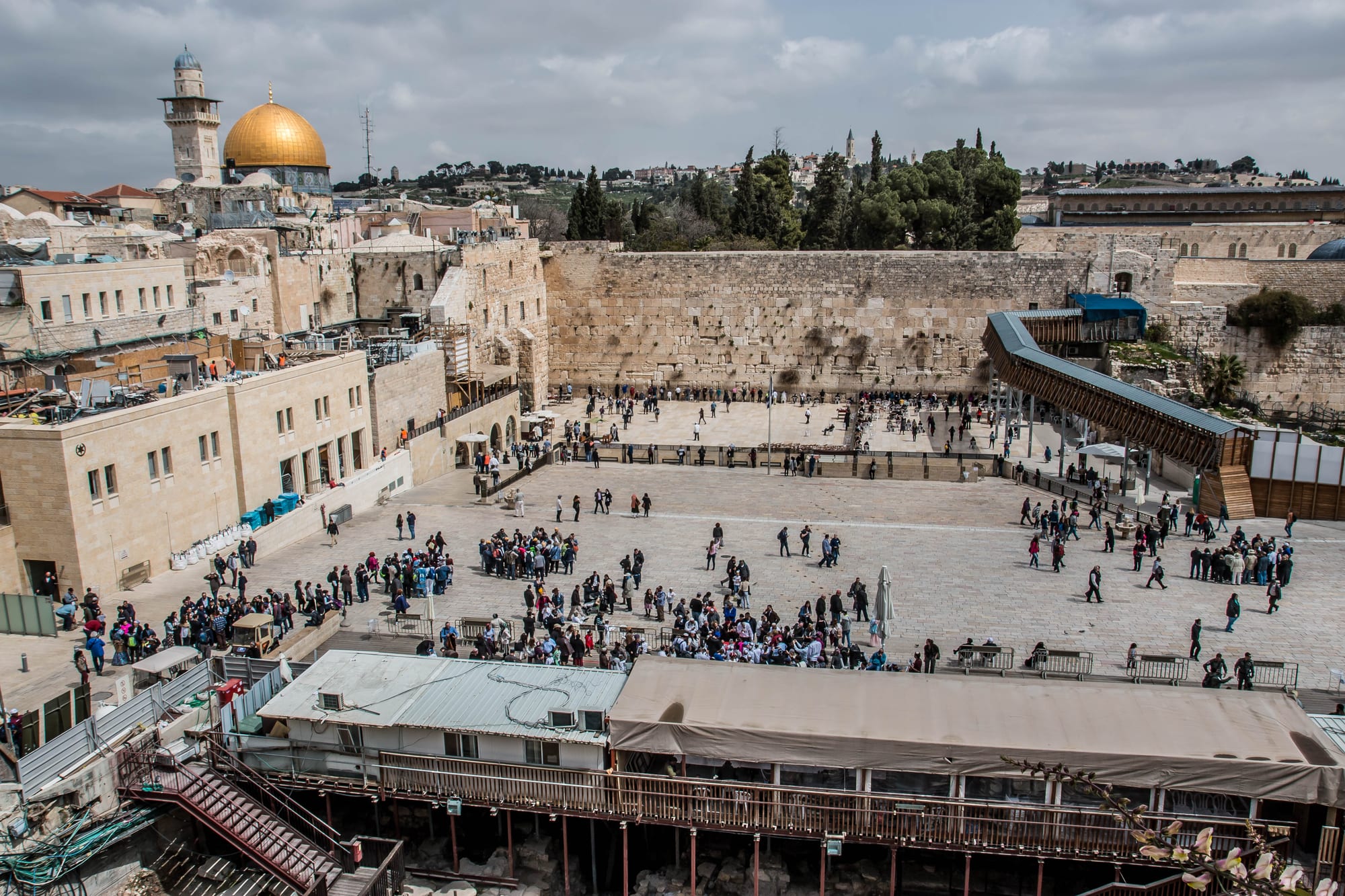
Israel is a small country on the eastern Mediterranean, the world's only Jewish-majority state, founded in 1948. Its history has an unusual shape: a deep ancient layer of Israelite kingdoms in this land, then roughly two millennia in which most Jews lived elsewhere, and then a modern national movement that brought large numbers back and established a state — on land that was also home to an Arab majority, the Palestinians, whose displacement and statelessness remain the core of an unresolved conflict.
A short history
- c. 1000–586 BCE
Israelite kingdoms
Israel and Judah in the highlands; the First Temple.
- 70 CE
Destruction
Rome destroys the Second Temple after a Jewish revolt.
- 637 CE
Arab conquest
The land becomes part of the Muslim world; Jerusalem an Islamic holy city.
- 1517–1917
Ottoman rule
A largely Arab province with small old Jewish communities.
- 1897
The Zionist Congress
The modern movement for a Jewish homeland is organised.
- 1917–1948
British Mandate
Jewish immigration rises amid growing communal conflict.
- 1948
Statehood and war
Israel is declared; some 700,000 Palestinians are displaced.
- 1967
The Six-Day War
Israel occupies the West Bank, Gaza, Sinai and the Golan.
- 1993–1995
The Oslo Accords
Mutual recognition and limited Palestinian self-rule.
- 2023
7 October and the Gaza war
The deadliest attack on Jews since the Holocaust, and a devastating war.
Ancient Israel, and the diaspora
Israelite kingdoms — Israel in the north, Judah in the south — are attested in the highlands from around the 9th century BCE, with the First Temple in Jerusalem at the centre of Judahite religion. Assyria destroyed the northern kingdom in 722 BCE; Babylon destroyed Judah and its Temple in 586 BCE and exiled its elite. A Second Temple was rebuilt under Persian rule.
Rome took the region in 63 BCE. Two great Jewish revolts followed — the first ended with the burning of the Second Temple in 70 CE and the fall of Masada.
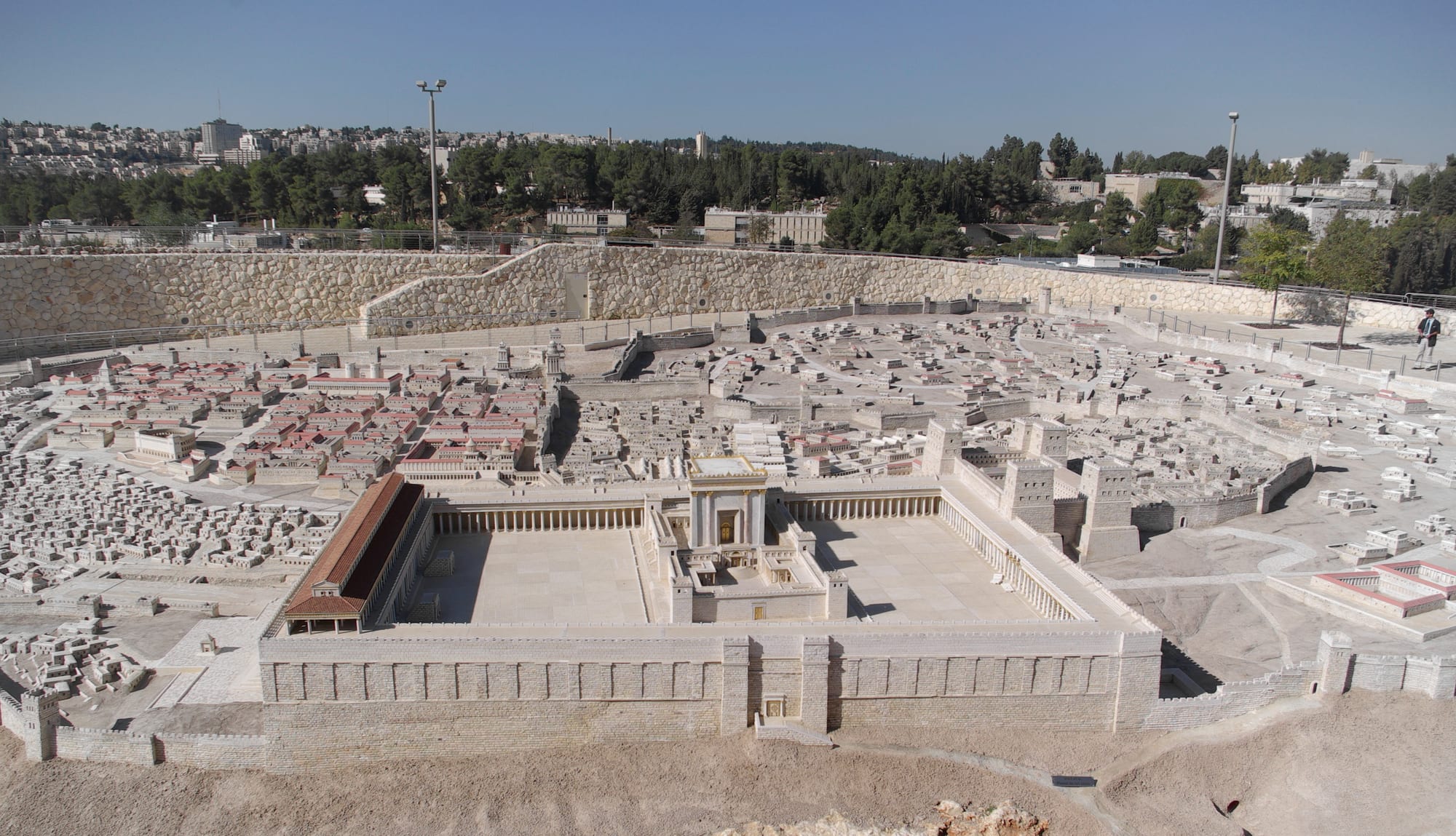
Over the following centuries the land was ruled by Byzantium, then the Arab caliphates from 637 — when Jerusalem became a holy city of Islam — then Crusaders, Mamluks and, from 1517, the Ottomans. Under Ottoman rule the population was overwhelmingly Arab, Muslim and Christian, with small long-established Jewish communities in Jerusalem, Hebron, Safed and Tiberias. Rabbinic Judaism, meanwhile, had developed across a vast diaspora.
Zionism and the Mandate
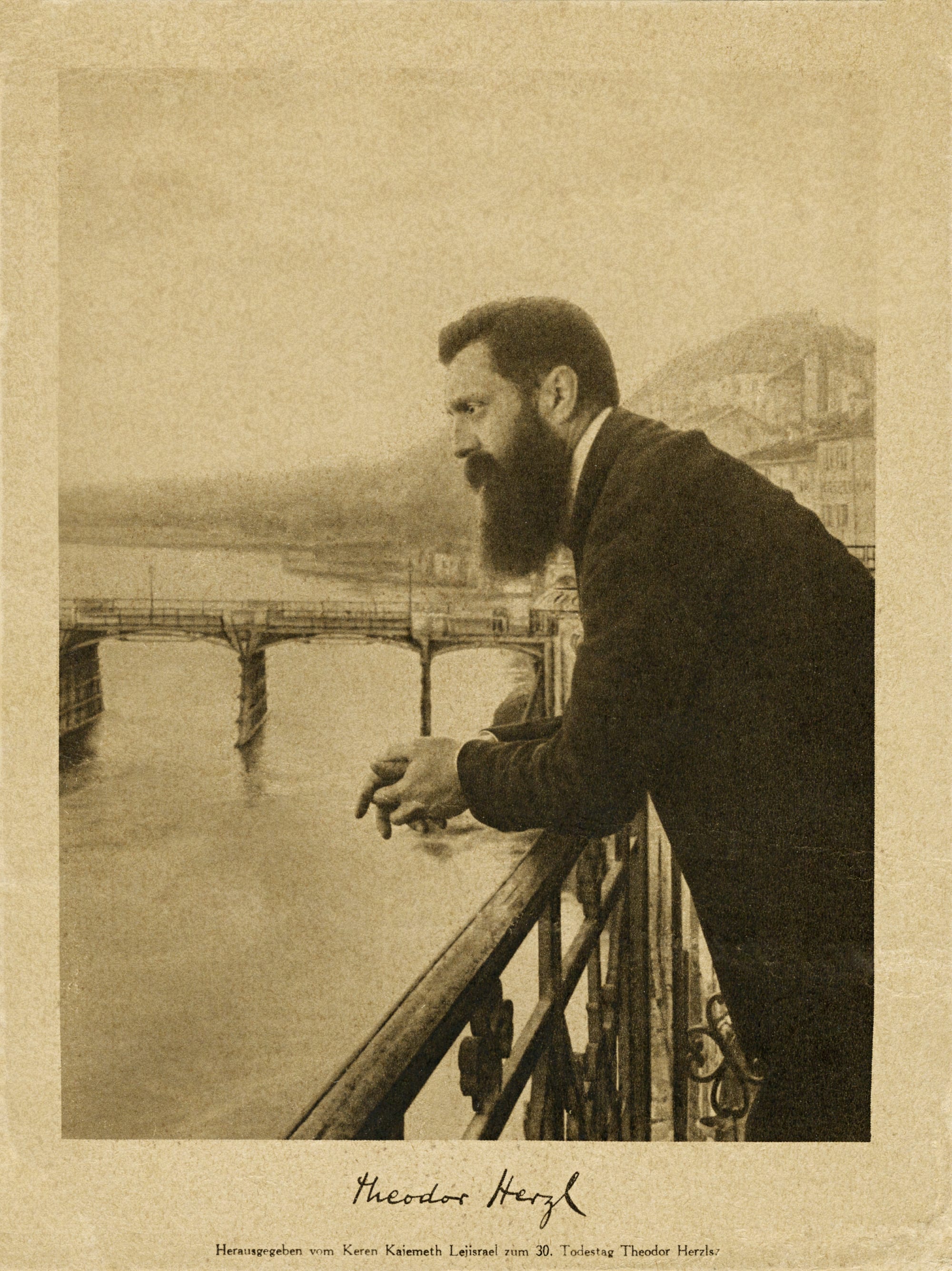
Zionism arose among European Jews in the late 19th century, in response to persistent antisemitism and violent pogroms, as a movement for Jewish self-determination in the ancestral land. Theodor Herzl organised the first Zionist Congress in 1897, and Jewish immigration to Ottoman and then British Palestine grew in waves, with land purchase, farming settlements, and the revival of Hebrew as a spoken language.
The founding
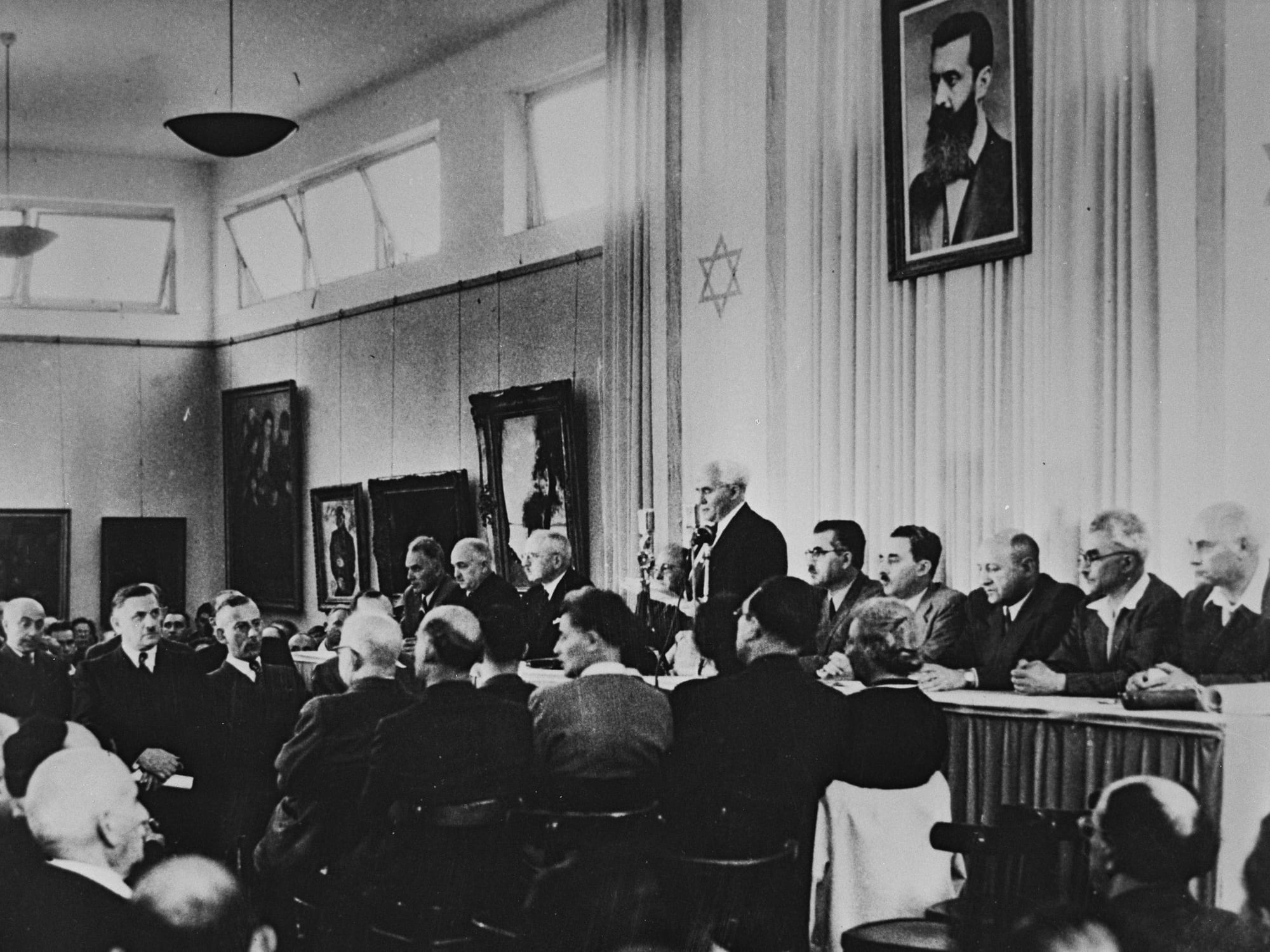
Under the British Mandate the Jewish community grew from a small minority toward a third of the population, especially as Nazi persecution drove immigration in the 1930s — even as Britain restricted it. Communal violence rose through the period, including the Arab Revolt of 1936–39. The Holocaust, in which six million Jews were murdered, made the case for a Jewish state urgent and won it wide international sympathy.
1948, and the two peoples
In November 1947 the United Nations voted to partition Palestine into a Jewish and an Arab state, with Jerusalem international. Zionist leaders accepted; Arab leaders and states rejected it, and fighting began at once. Israel declared independence on 14 May 1948, and Egypt, Jordan, Syria, Iraq and Lebanon invaded. Israel won the war, ending with more territory than the partition plan had allotted; Jordan held the West Bank and East Jerusalem, and Egypt held Gaza.
In and around the war, about 700,000 Palestinian Arabs fled or were expelled from the territory that became Israel and were not permitted to return — an event Palestinians call the Nakba, the "catastrophe". In the years that followed, roughly 850,000 Jews left or were forced from Arab and Muslim countries, most resettling in Israel.
Occupation and peace efforts
In June 1967 Israel, after weeks of escalating crisis, launched a pre-emptive strike and in six days captured the West Bank and East Jerusalem, Gaza, the Sinai Peninsula and the Golan Heights, bringing more than a million Palestinians under military occupation. It annexed East Jerusalem, and Jewish settlement of the occupied territories began.
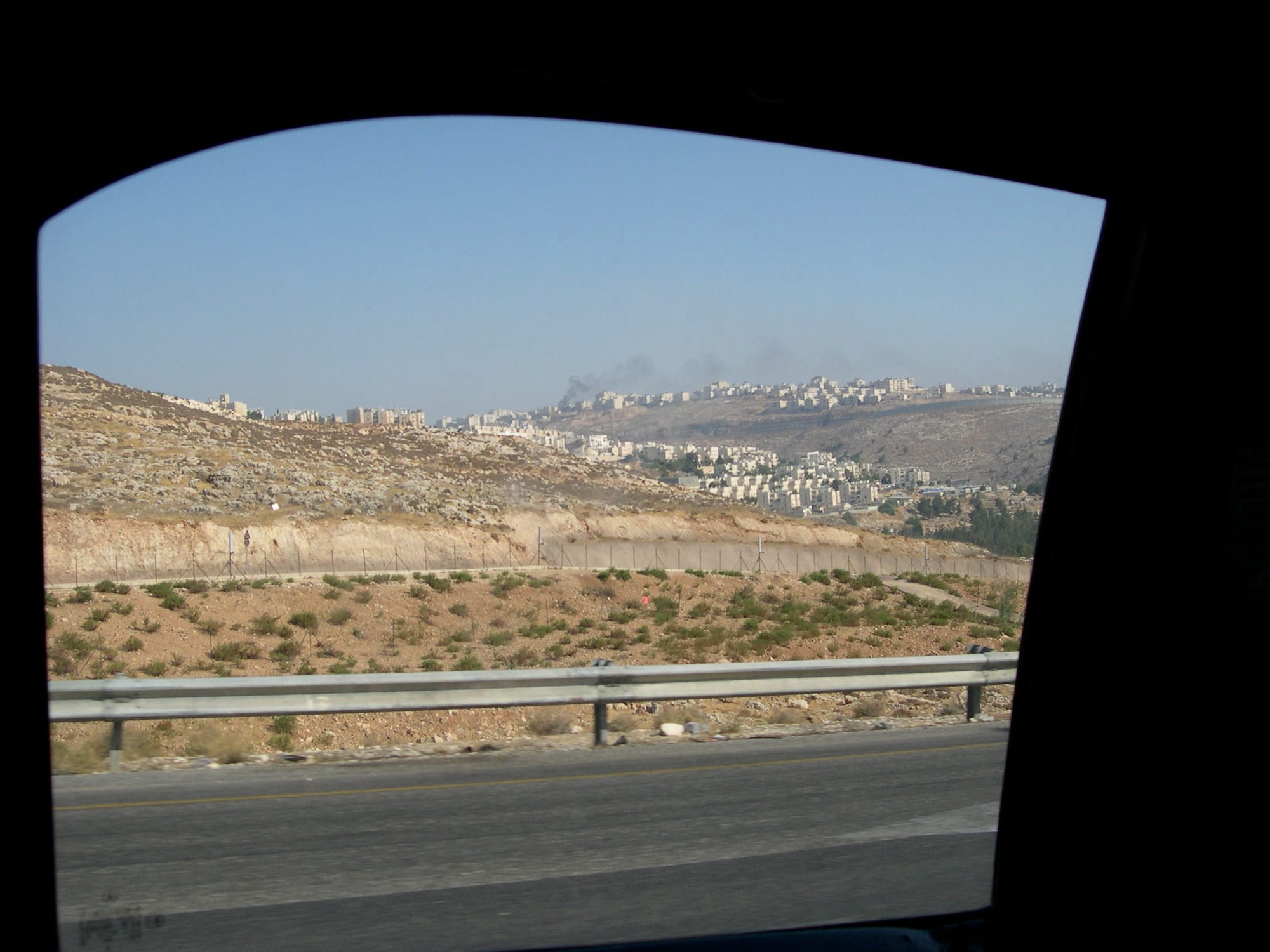
Israel returned Sinai to Egypt under a 1979 peace treaty, the first between Israel and an Arab state, and made peace with Jordan in 1994. The Oslo Accords of 1993–95 brought mutual recognition between Israel and the PLO and created the Palestinian Authority with limited self-rule, envisioning a negotiated two-state outcome. That process stalled: Prime Minister Yitzhak Rabin was assassinated by a right-wing Israeli in 1995, settlements kept expanding, and the Second Intifada of 2000–05 brought suicide bombings and large-scale military operations. Israel withdrew its settlers and soldiers from Gaza in 2005.
Since Gaza's division
Hamas, an Islamist movement that rejects Israel's existence, won Palestinian elections in 2006 and seized full control of Gaza in 2007, after which Israel and Egypt imposed a blockade. Wars between Israel and Hamas followed in 2008–09, 2012, 2014 and 2021. Israeli politics moved rightward, dominated for much of the period by Benjamin Netanyahu.
On 7 October 2023, Hamas-led fighters attacked southern Israel, killing about 1,200 people, most of them civilians, and taking around 250 hostages — the deadliest day for Jews since the Holocaust. Israel launched a massive military campaign in Gaza that killed tens of thousands of Palestinians — Gaza health authorities' figures, widely cited internationally, put the toll above 40,000, a majority women and children — displaced almost the entire population, and created famine conditions. The war drew a genocide case against Israel at the International Court of Justice, which Israel rejects, and widened into exchanges with Hezbollah and direct strikes between Israel and Iran.
What Israel carries
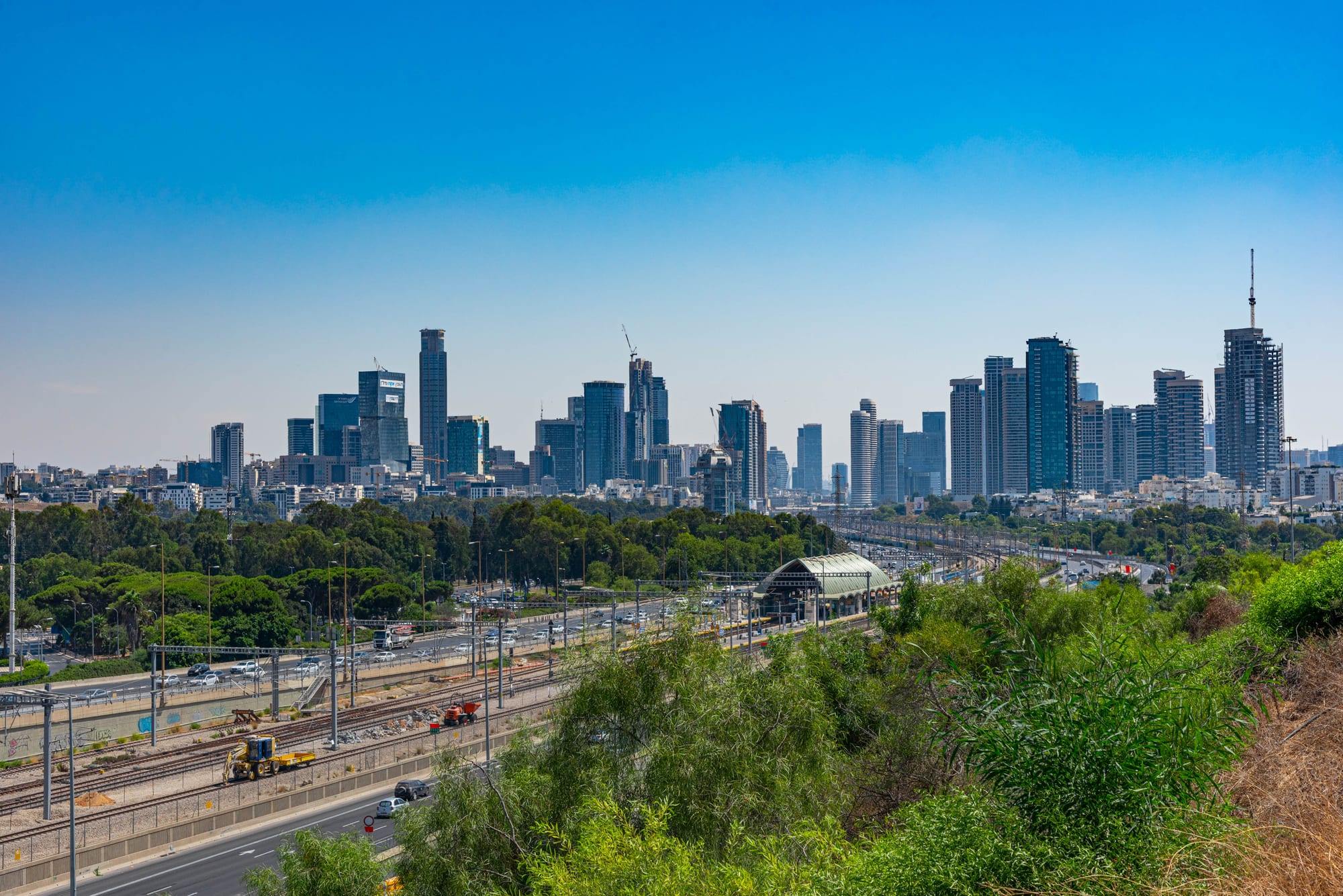
Israel was founded by a movement that saw a Jewish state as the answer to centuries of persecution, culminating in the Holocaust, and it built a prosperous democracy and a refuge for Jews from around the world. It was established, and has expanded its control, over a land that another people also claims as home. The displacement of the Palestinians in 1948, the occupation since 1967, and the question of whether and how two nations can share this territory are the issues that every chapter of Israeli history returns to, and that remain unresolved.