Daily Life · Israel
Israel: The Country That Stops on Friday Afternoon
A working week that runs Sunday to Thursday so it can end at the same weekly full stop, families that run larger than almost anywhere else in the developed world, and a market rush every Friday morning that empties out by early afternoon
By Worldlore Editorial · 30 September 2026
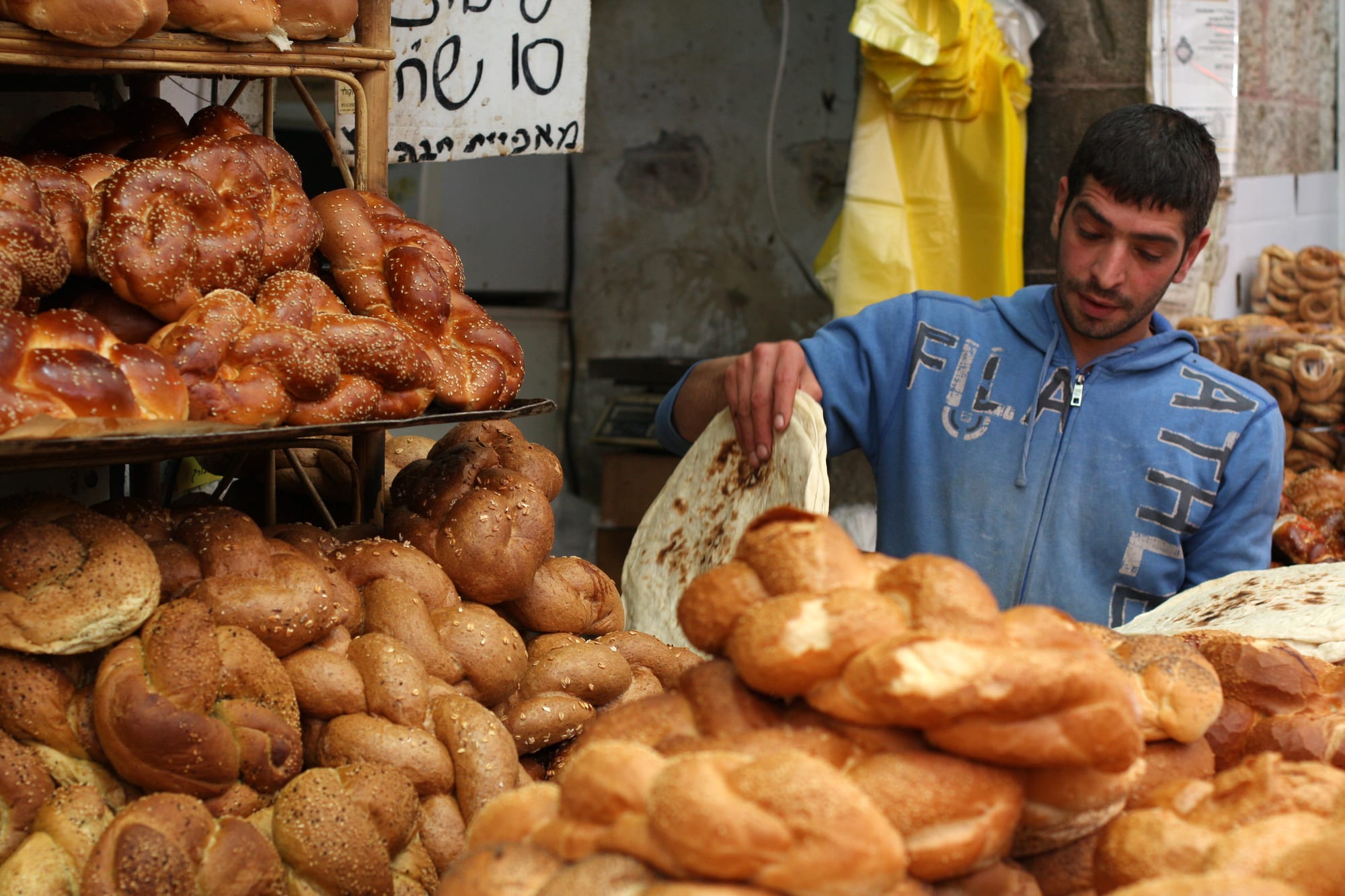
An ordinary week in Israel runs Sunday to Thursday and then comes to a full stop. From a few minutes before sunset on Friday until nightfall on Saturday, Shabbat closes most shops and shuts down public transport across Jewish-majority towns and cities, a weekly pause that shapes the rhythm of the whole country even for people who do not observe it religiously. Markets fill up on Thursday and Friday morning as households buy what they need before everything closes, and the country then more or less restarts on Saturday night. Around that weekly cycle sits a society with an unusually high birth rate for a wealthy country, near-universal military service for young Jewish and Druze citizens, and a population split between a large Jewish majority and Arab, Druze and other minorities who keep their own overlapping rhythms of holidays and rest days.
Family and home life
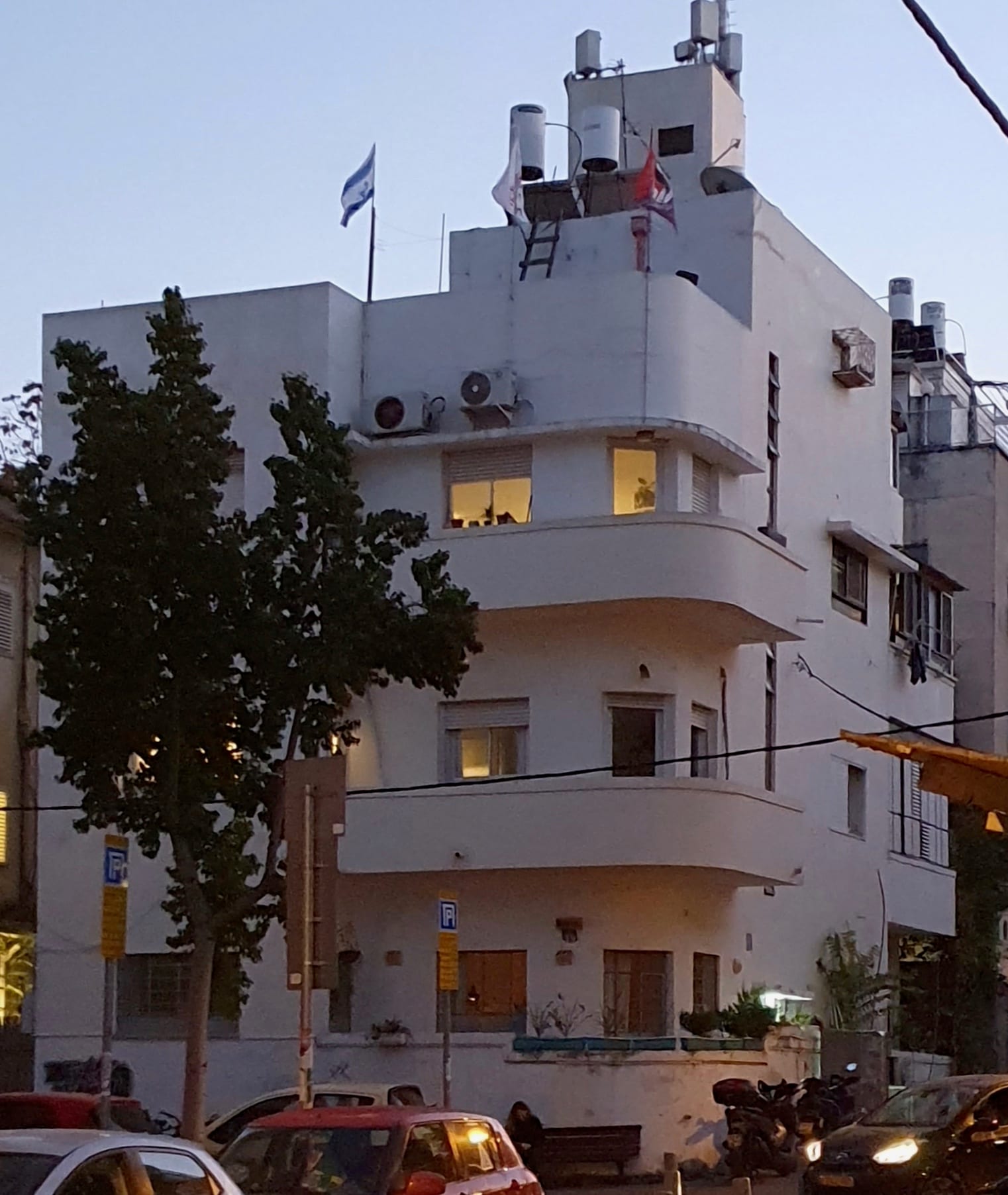
Israel's birth rate, at roughly 2.9 children per woman, is by far the highest in the OECD, the group of the world's wealthiest economies, most of which sit closer to 1.5. The gap is driven partly by the ultra-Orthodox (Haredi) community, whose fertility rate has eased somewhat in recent years but still runs at roughly twice the national average, and whose members tend to marry and have their first child young; but secular and traditional Jewish Israeli families also have more children on average than their counterparts elsewhere in the developed world. Housing is correspondingly dense and expensive, and apartment living, rather than a house with a garden, is the norm in the cities where most of the population lives.
Work, school and the rhythm of the day
The working week runs Sunday to Thursday, with Friday and Saturday as the weekend, so that the week's one full rest day, Shabbat, lands at its end rather than splitting it. Military service is compulsory for most Jewish and Druze citizens at eighteen, historically around two and a half to three years for men and about two years for women, though the exact length has been under active political debate and revision in recent years; a 2024 Supreme Court ruling also ended the decades-long blanket exemption for Haredi men, a change still being worked through. After conscription, reserve duty can call people back for weeks at a time, generally until around the age of forty, an obligation that can reshape a family's work and childcare arrangements with little notice. Arab citizens of Israel, roughly a fifth of the population, are not conscripted, though they may volunteer, and Muslim and Christian communities keep their own holy days alongside the national Sunday-to-Thursday pattern.
Community life and public spaces
Markets are the clearest weekly barometer of the Shabbat cycle: Jerusalem's Mahane Yehuda and Tel Aviv's Carmel Market, along with smaller equivalents in towns across the country, are at their most crowded on Thursday and Friday mornings as households buy food for the coming day and a half, then quiet down sharply once trading stops in the early afternoon. Synagogues anchor Jewish neighbourhood life, particularly around Shabbat and the major festivals; mosques and churches play the same role in Arab towns and mixed cities. Bus networks and, in Tel Aviv and Jerusalem, light rail lines carry most day-to-day movement during the week, while shared taxis called sherut keep running on routes that buses do not cover, including, on some lines, through Shabbat itself.
Free time and weekends
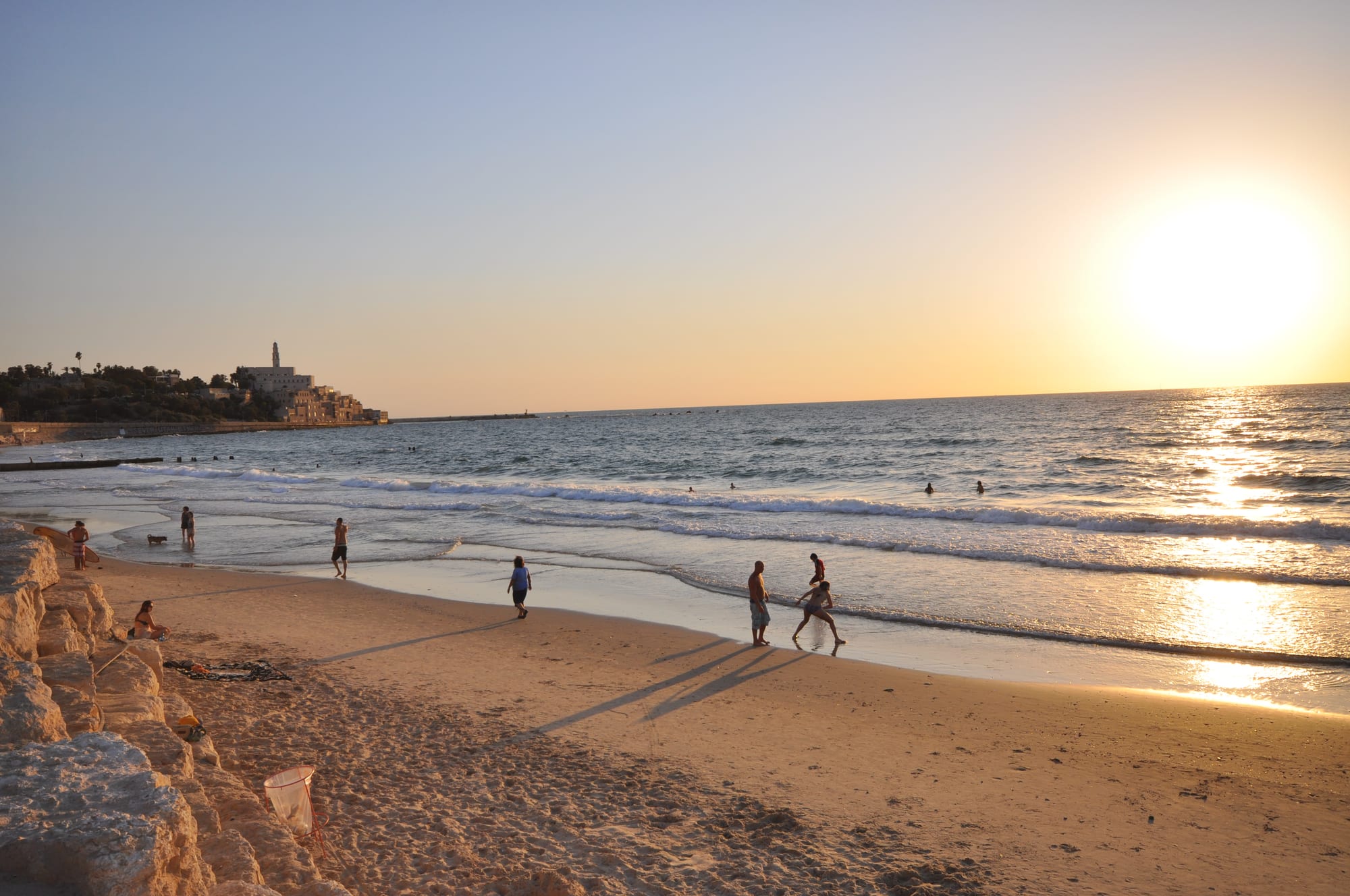
For religious households, Shabbat itself is the main event of the week: a day of rest, synagogue and family meals rather than errands or travel. For secular Israelis, Saturday is more often a day for the beach, hiking, or a family outing, since Friday is typically spent finishing errands before the shutdown begins. The Mediterranean coast is genuinely central to how a large share of the population spends free time, with beaches from Tel Aviv to Haifa busy on Fridays and Saturdays alike whenever the weather and the security situation allow.
A visitor's ordinary day
Plan around Shabbat: buses and most trains stop running in the mid-to-late afternoon on Friday and do not resume until after nightfall on Saturday, and the great majority of shops and restaurants close for the same window, with Tel Aviv and a few other secular coastal cities the main partial exceptions. Shared sherut taxis are the easiest workaround for getting around on Shabbat itself, running fixed routes at a fixed fare. Card and phone payment work almost everywhere, so carrying much cash is rarely necessary beyond markets and small vendors. Remember that the working week itself runs Sunday to Thursday, which trips up visitors used to a Monday-start week, and expect security checks at bus and train stations, malls and public buildings as a routine part of the day. Since February 2026 Israel has been at war with Iran, and fighting with Hezbollah resumed in Lebanon in March; air-raid sirens and shelters are part of ordinary life, schools and workplaces have closed during the heaviest phases, and government travel advisories are updated frequently.
What to take away
Whatever else varies across Israel's very mixed population, the week itself, in ordinary times, keeps the same shape almost everywhere: a Sunday-to-Thursday run toward Friday's market rush, and then, for a day and a half, the country audibly slows down.