Daily Life · Ireland
Ireland: The Generation That Can't Move Out
A housing shortage that keeps young adults living with their parents well into their late twenties, a Sunday ruled by an amateur sport nobody gets paid to play, and a pub that still does more social work than any other building on the street
By Worldlore Editorial · 30 September 2026
An ordinary day in Ireland increasingly starts and ends in the same house it did a decade ago. A severe, long-running housing shortage has made living independently unaffordable for a striking share of young adults, so an ordinary household is more likely than in most of Europe to include a son or daughter well into their twenties who would, in other circumstances, have already moved out. Around that fact sits a country still organised, in its free time at least, by the parish GAA club and the pub, both of them doing more of the daily social work than any purpose-built community centre, and a climate that makes a waterproof jacket as much a part of the daily wardrobe as a coat.
Family and home life
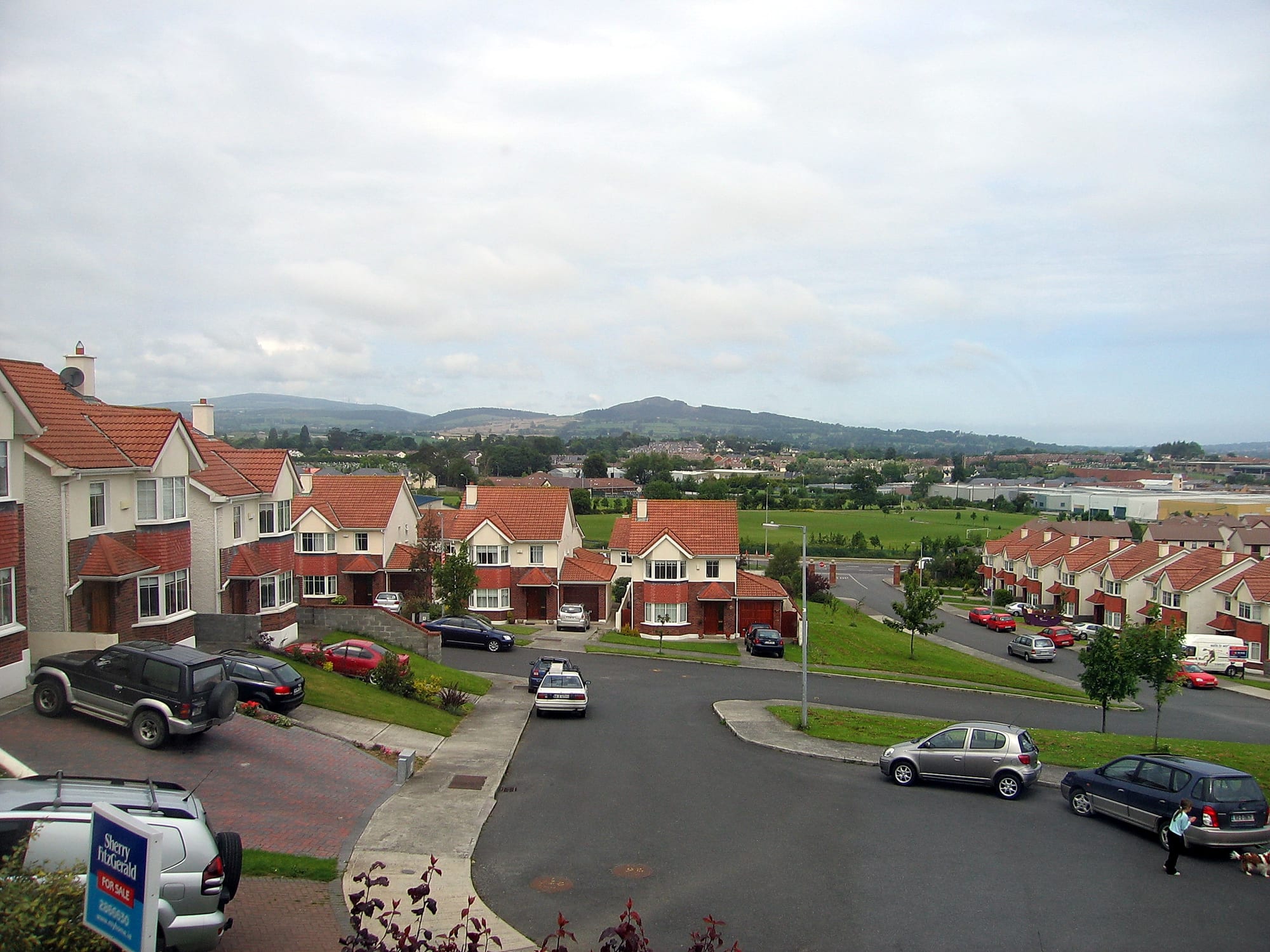
The average Irish household held 2.74 people at the 2022 census, down from 3.34 in 1991, a decline that on its own suggests smaller, more independent households. But Ireland's housing shortage has pushed in the opposite direction for young adults specifically: more than 440,000 people aged 18 to 34, some 41 percent of that age group, were still living with their parents at the 2022 census, and later surveys have put the share of Irish 25-to-29-year-olds living at home at roughly six in ten — far above the EU average of around four in ten. Grandparents often remain closely involved once children arrive, frequently providing regular childcare, and the parish or townland someone grew up in tends to stay a real point of reference even after they eventually do move away for work.
Work, school and the rhythm of the day
The standard working week runs Monday to Friday, and Dublin's large base of US technology and pharmaceutical employers has made hybrid and remote work common for office staff, even as it has pushed up rents and commuting distances for everyone else. The school day for most primary and secondary pupils runs from around 9am to somewhere between about 1:30pm and 4pm depending on age, and Gaelic games are taught and played as part of ordinary school sport rather than as something separate from it. Because so many workers now commute from towns well outside the cities where they work, priced out of housing closer in, the length of the daily commute has become one of the most common complaints about everyday life, particularly around Dublin.
Community life and public spaces
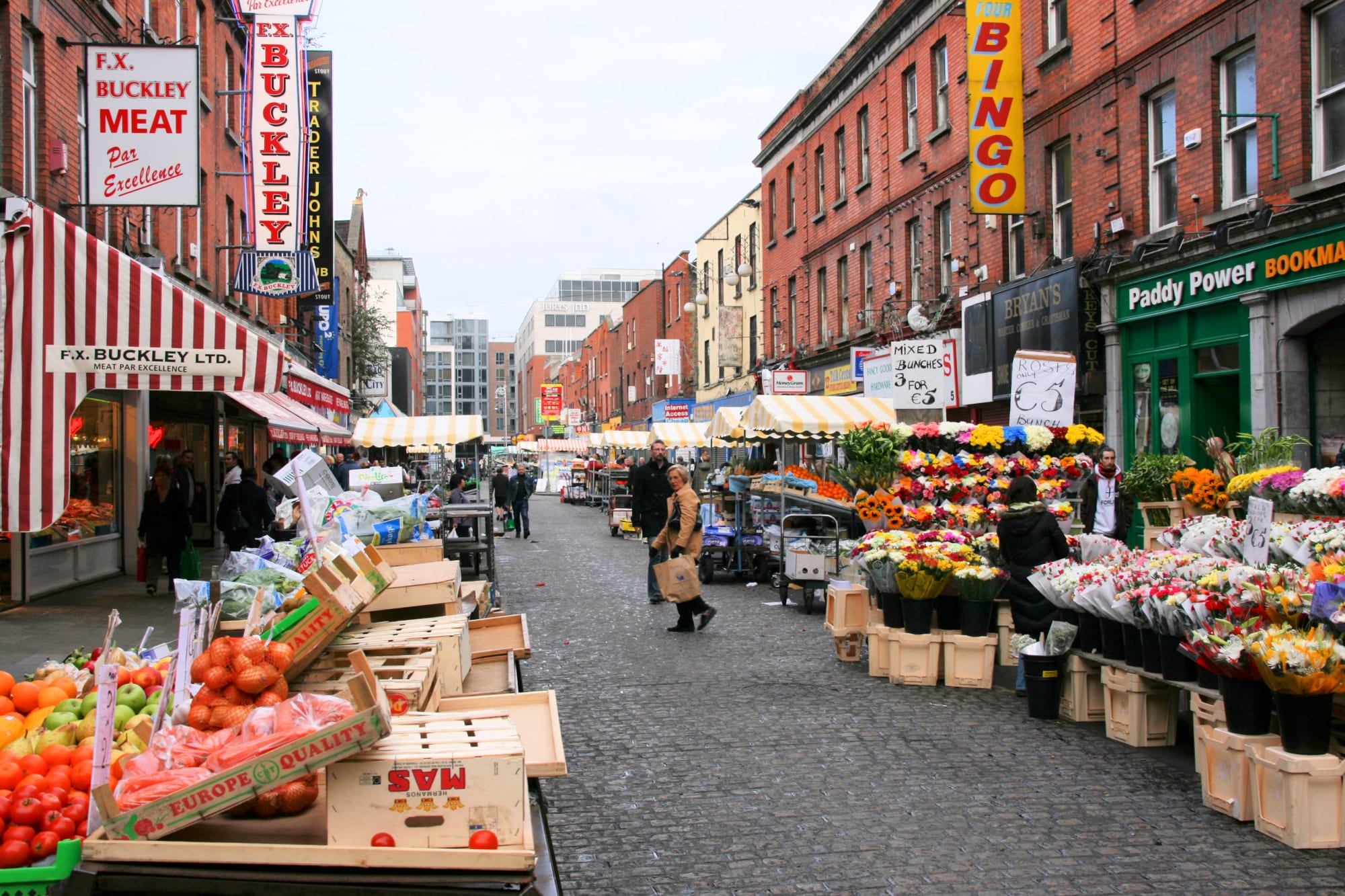
The pub remains the single most important everyday gathering place in Ireland, valued as much as a venue for conversation as for anything served across the bar, and found in even the smallest rural villages where it may be the only business still open. The GAA club is the other great fixture of community life: organised by parish and county, its clubs in parishes across the country turn a Sunday match into the real local event in towns that otherwise have little in the way of a public square. High streets, covered markets like Dublin's Moore Street, and, in the cities, a growing number of farmers' markets are where the week's food shopping and a good deal of casual socialising both happen at once.
Free time and weekends
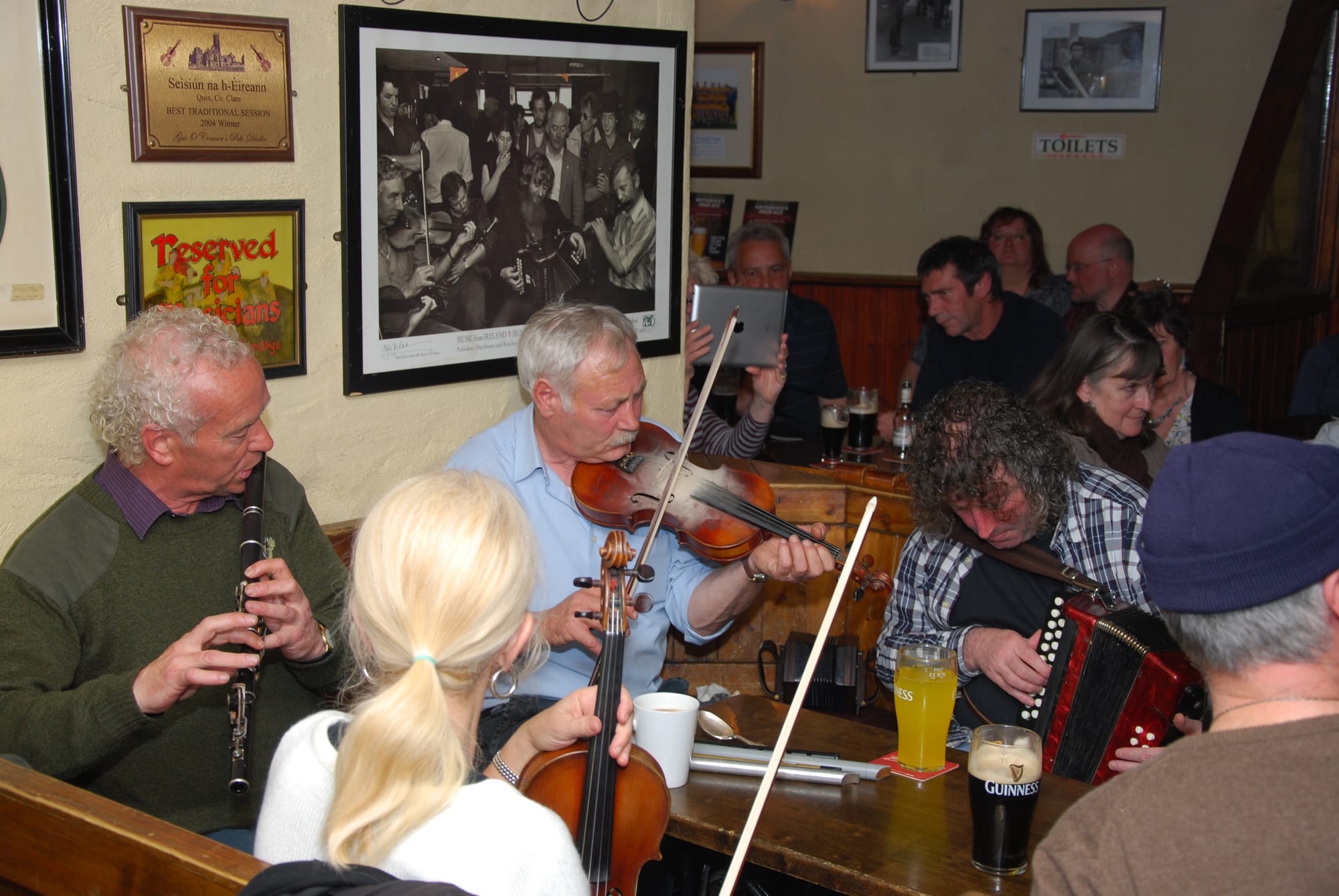
Sunday afternoon still belongs, for a large share of the country, to Gaelic football or hurling, whether that means playing for the local club, showing up to watch, or following the county team on television. Evenings out revolve heavily around the pub, sometimes with a traditional music session built in, especially in the west of the country. Coastal and hill walking draws people out at weekends nationwide, helped by a landscape that is rarely more than an hour or two from the sea, and a weekend trip within Ireland itself is a popular choice.
A visitor's ordinary day
Card and phone payment work almost everywhere, though it is worth carrying some cash for small rural pubs and honesty-box style stalls. Pubs generally open from late morning until around closing time at 11:30pm, with later hours on Friday and Saturday nights and shorter ones on Sundays; most shops keep more ordinary daytime hours, though larger convenience chains often stay open much later. Expect rain at almost any time of year and to drive, or be driven, on the left, on rural roads that are narrower and slower than they look on a map. Intercity trains and buses connect the main towns reasonably well, but a car remains close to essential for reaching the west coast and other rural areas at any pace.
What to take away
What shapes an ordinary day in Ireland right now is a housing shortage quietly resetting how families actually live, alongside two much older institutions, the pub and the parish GAA club, that keep doing the work of holding a community together regardless.