History · Iraq
Iraq: The Land Between the Rivers
Mesopotamia gave the world its first cities and its first writing — later the seat of the Abbasid caliphate, a kingdom stitched together by Britain, Saddam Hussein's dictatorship, and two decades of war since 2003
By Worldlore Editorial · 19 September 2026
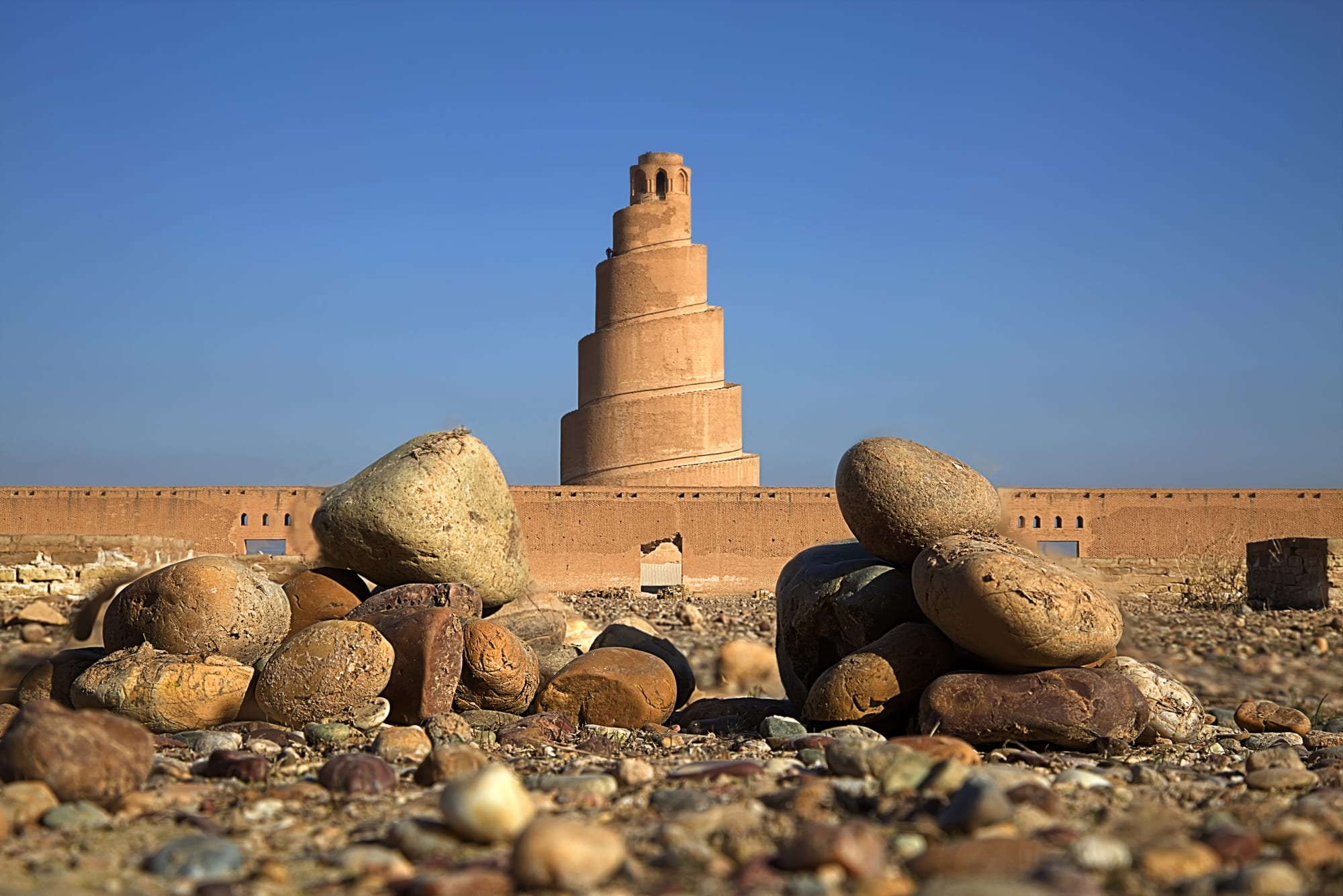
The oldest ground, and a young state
Iraq is Mesopotamia — the land between the Tigris and the Euphrates — where cities, writing, law codes and mathematics were invented more than five thousand years ago. It is also one of the youngest states in the region: its borders were drawn by Britain after the First World War, fusing three Ottoman provinces around Basra, Baghdad and Mosul into a single kingdom. The gap between that ancient depth and that modern, imposed shape runs through everything that has happened to Iraq since.
A short history
- c. 4000–2000 BCE
Sumer and Akkad
The first cities, cuneiform writing, the first empire.
- c. 1750 BCE
Babylon
Hammurabi's law code.
- 626–539 BCE
Neo-Babylonian Empire
Nebuchadnezzar; the Judean exile.
- 637 CE
Islamic conquest
Arab armies defeat the Sasanian Persians.
- 762
Baghdad founded
The Abbasid caliphate's capital and a centre of learning.
- 1258
The Mongol sack
Baghdad is destroyed; the last Abbasid caliph killed.
- 1534–1917
Ottoman rule
A contested frontier with Persia.
- 1921
The Kingdom of Iraq
Britain installs King Faisal.
- 1979–2003
Saddam Hussein
Dictatorship, the Iran war, Kuwait, and sanctions.
- 2003
The US-led invasion
Occupation, insurgency, and sectarian war.
- 2014–2017
ISIS
The Islamic State seizes and then loses a third of the country.
Cities and caliphs
Sumer, in the south, built the first cities — Uruk, Ur — and around 3200 BCE invented writing. Akkad under Sargon formed the first empire; Babylon gave the world Hammurabi's law code and, later, the Hanging Gardens and the Ishtar Gate.
Babylon and Baghdad
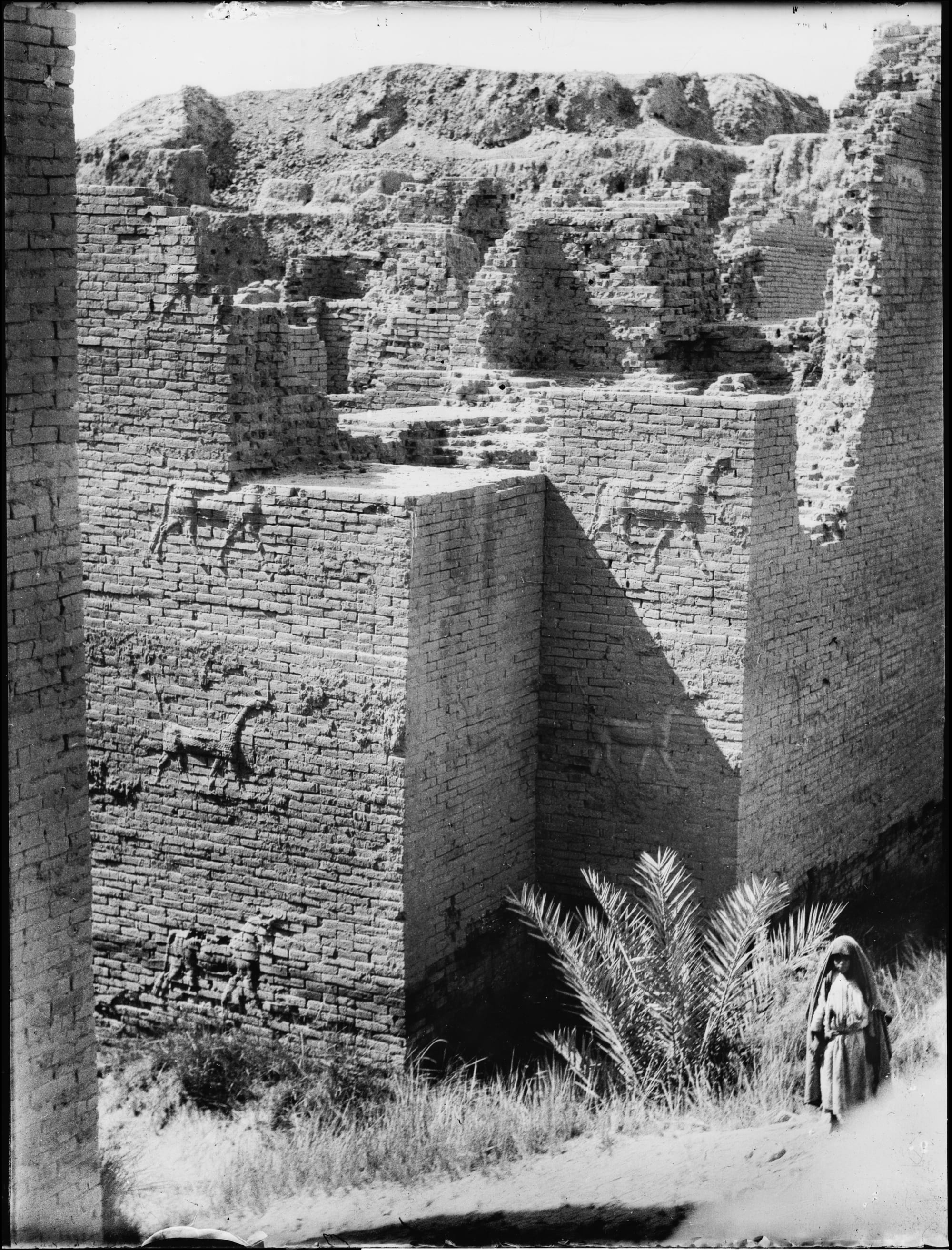
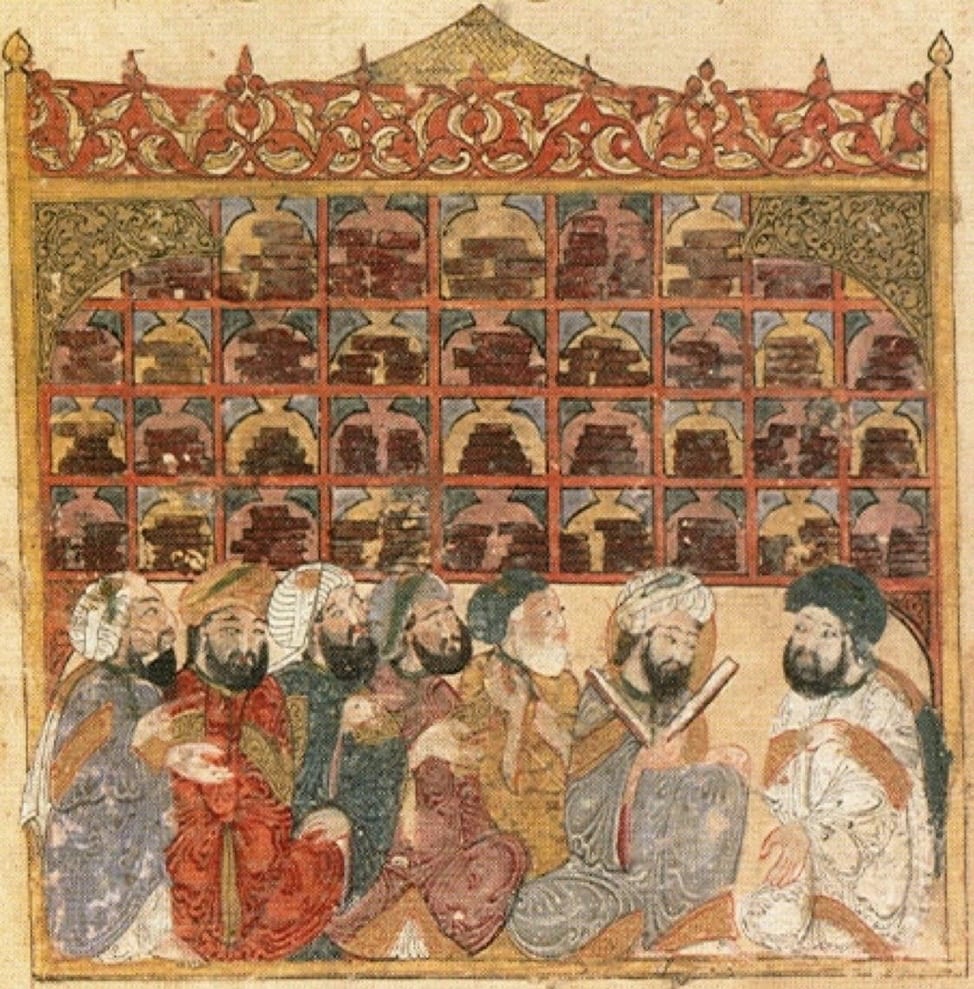
Iraq was also where the Sunni–Shia split took shape: the Caliph Ali was killed at Kufa in 661, and his son Husayn at Karbala in 680 — the central martyrdom of Shia Islam. Najaf and Karbala remain its holiest shrine cities. The Abbasid golden age ended in 1258, when the Mongols sacked Baghdad, killed the caliph, and wrecked the irrigation the region depended on. Ottoman rule from 1534 left Iraq a neglected frontier zone.
A kingdom made in London
Britain invaded Mesopotamia in the First World War and took it under a League of Nations mandate. After a costly anti-British revolt in 1920, Britain fused the three provinces into the Kingdom of Iraq and installed Faisal, a Hashemite prince of the Arab Revolt, as king in 1921.
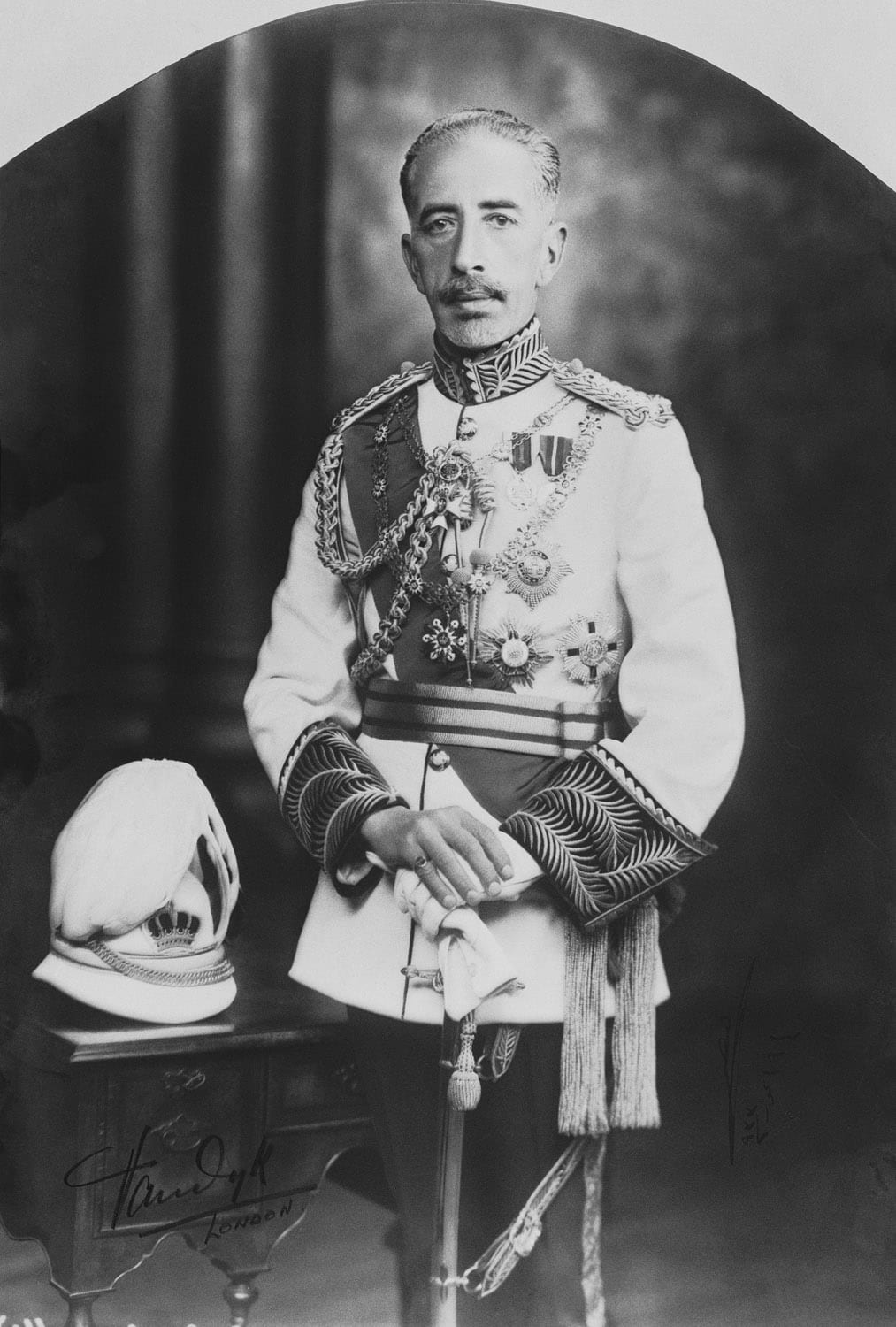
The monarchy was overthrown in a bloody coup on 14 July 1958, in which the king and prime minister were killed. A decade of coups followed, and in 1968 the Baath Party took power for good. Its enforcer, Saddam Hussein, became president in 1979.
Saddam's wars
Saddam ran a totalitarian personality cult. He invaded Iran in 1980, beginning an eight-year war that killed around half a million Iraqis and left the country in debt. He gassed the Kurdish town of Halabja in 1988, killing thousands in a day during the Anfal campaign against the Kurds. He invaded Kuwait in 1990, and a US-led coalition drove him out in six weeks in 1991 — after which he crushed Shia and Kurdish uprisings and drained the southern marshes as punishment. Thirteen years of comprehensive UN sanctions then devastated ordinary Iraqi life.
Invasion, insurgency, ISIS
In March 2003 the United States and Britain invaded, citing weapons of mass destruction that did not exist. Baghdad fell in three weeks.
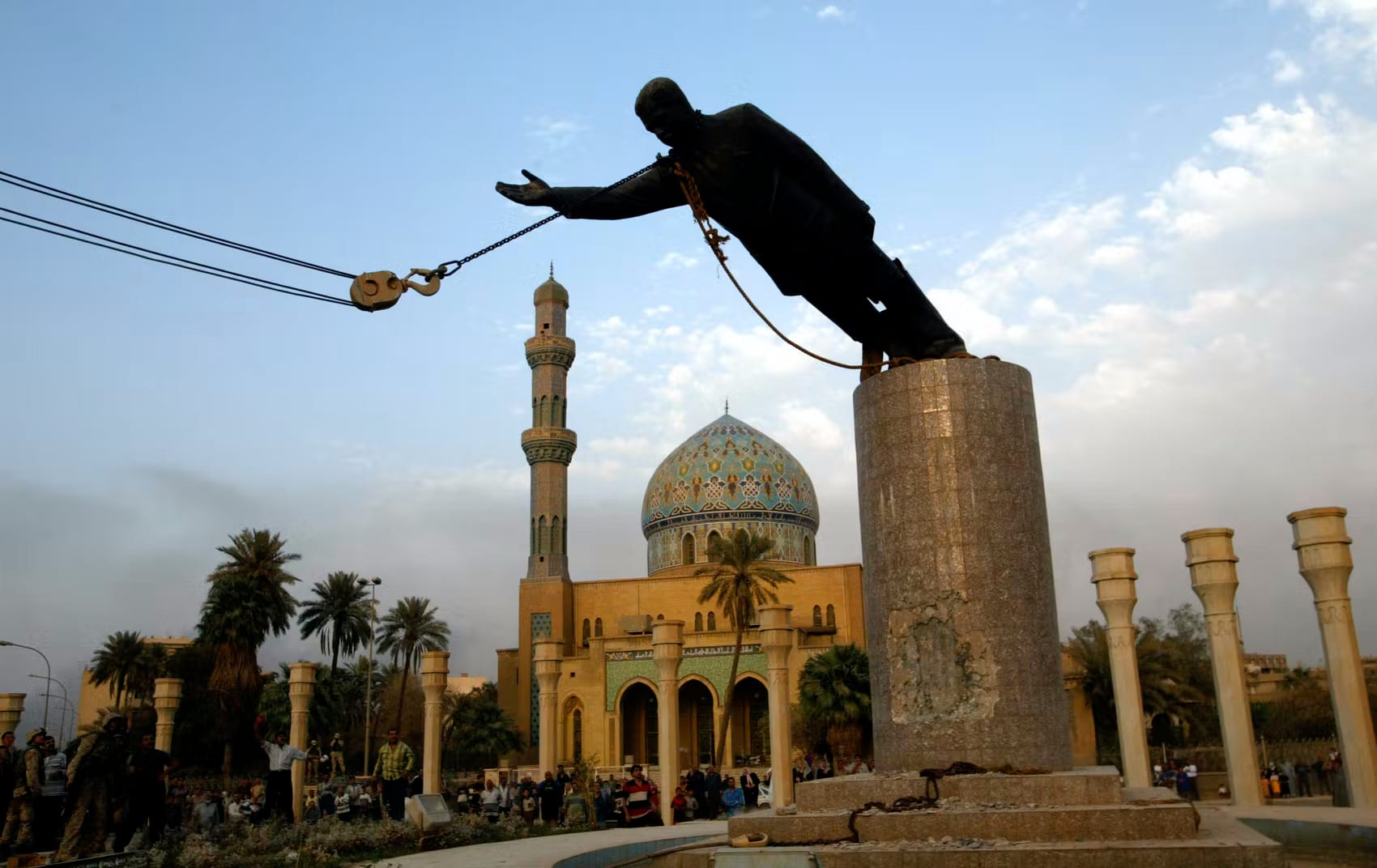
The occupation gave way to insurgency and then, especially after the 2006 bombing of a Shia shrine in Samarra, to a sectarian civil war that killed tens of thousands and cleansed Baghdad's mixed neighbourhoods. Violence fell by 2008; US forces left in 2011.
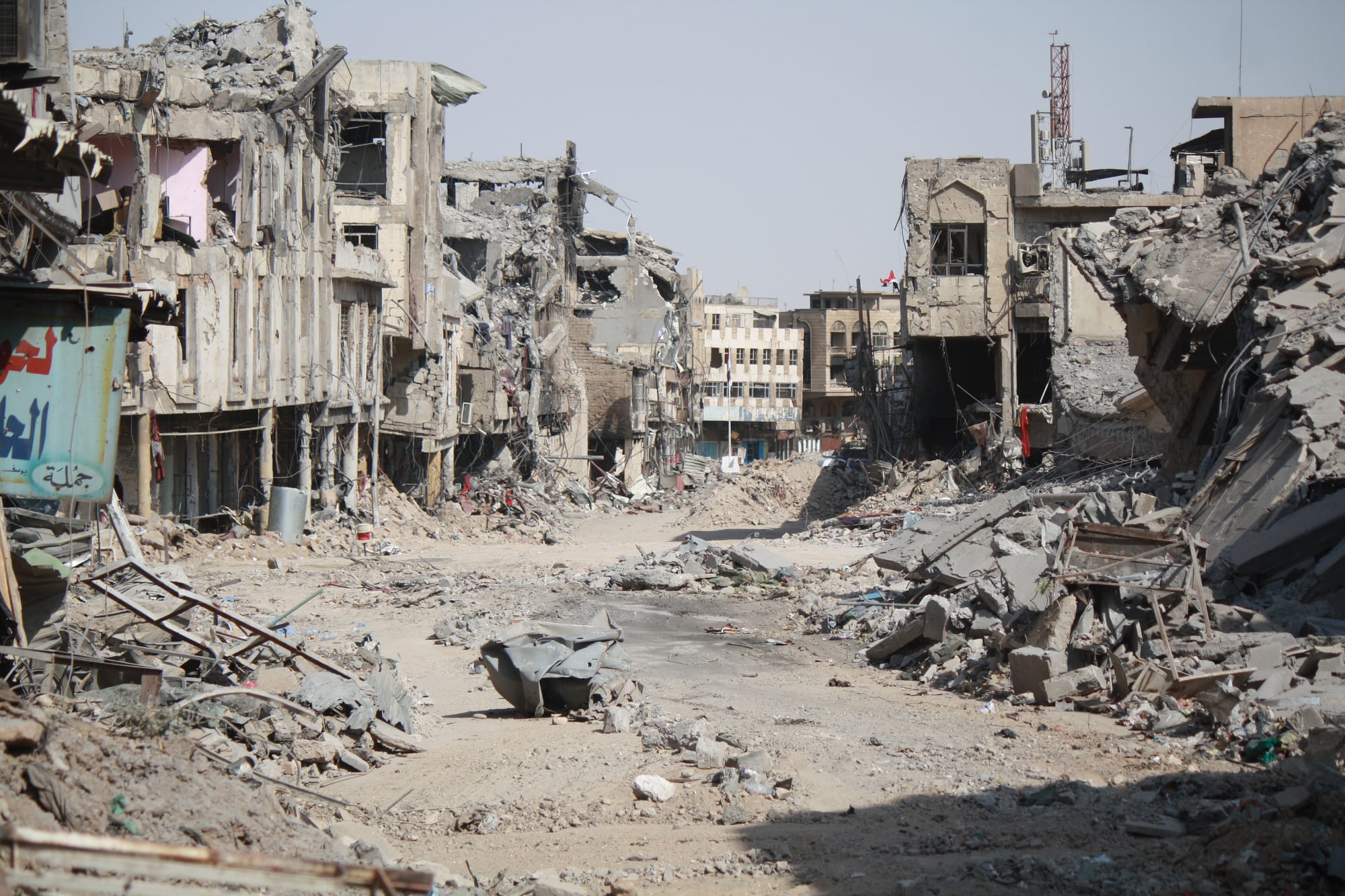
Then, in June 2014, the Islamic State — a regrouped offshoot of al-Qaeda in Iraq, feeding on Sunni grievance under a sectarian government — swept across the north, took Mosul, declared a "caliphate", and committed genocide against the Yazidis. A three-year war by the Iraqi army, Kurdish forces, Iran-backed Shia militias and a US-led coalition retook the territory.
Iraq now
Iraq is a fragile parliamentary democracy run on ethno-sectarian power-sharing, with competing Iranian and American influence, powerful militias, and pervasive corruption. A youth-led uprising against that corruption and Iranian influence in 2019 was met with live fire that killed hundreds. A 2017 Kurdish independence referendum was rejected by Baghdad and reversed by force. The country remains almost wholly dependent on oil, and increasingly stressed by drought and shrinking rivers.
What Iraq carries
Iraq holds the deepest layer of urban human history and one of the region's shallowest states. Britain drew its borders around three provinces with a Shia majority, a Sunni Arab minority and a Kurdish north, and every regime since — the monarchy, the Baath, the post-2003 order — has struggled to make one nation of them. The ancient rivers are still there; the political community to match the country's name is still being fought over.