Food · Iraq
Iraq: Food and the National Dish
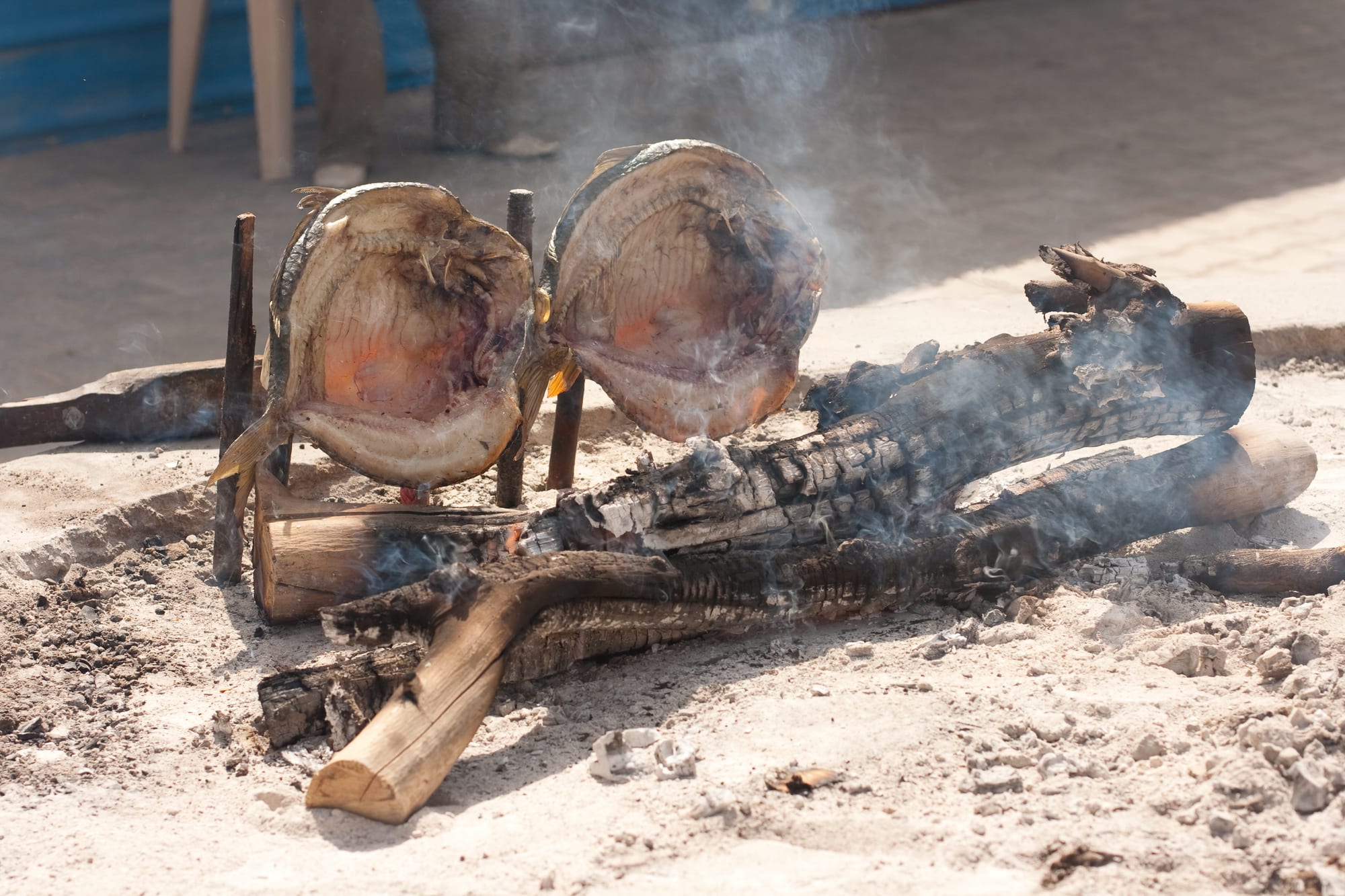
A whole carp split and grilled over an open fire on the banks of the Tigris, in the land where some of the world's oldest written recipes were recorded
By Worldlore Editorial · 16 September 2026
Cooking with roots older than almost any other cuisine
Iraq sits on the land historically known as Mesopotamia, and its food carries a genuinely ancient pedigree: cuneiform tablets from the region, housed today in the Yale Babylonian Collection, record some of the oldest known written recipes in the world, describing stews and cooking techniques thousands of years old. Modern Iraqi food, shaped since by Persian, Ottoman and Arab influence, still carries that deep culinary history.
The national dish: masgouf
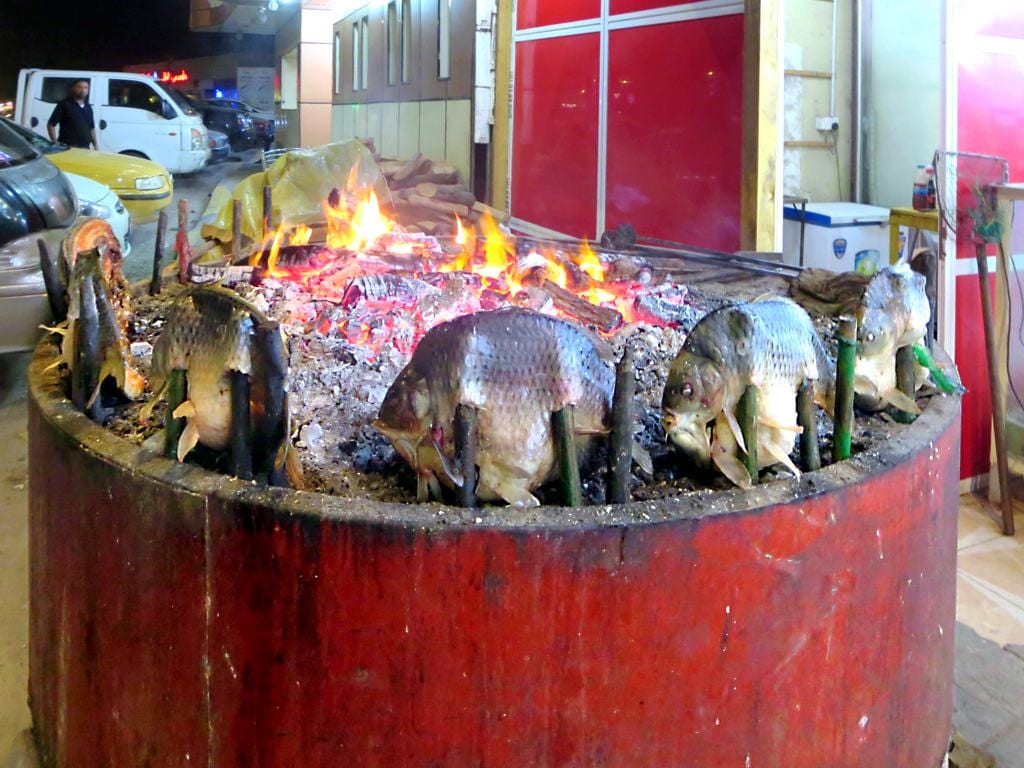
Masgouf, a whole carp split down the middle, butterflied and grilled upright around an open wood fire, is Iraq's national dish and a genuine Baghdad institution, traditionally eaten at restaurants along the Tigris River. The technique, cooking the fish slowly over open flame rather than on a grill grate, gives masgouf a distinctive smoky flavour and remains largely unchanged from a method with roots stretching back to ancient Mesopotamian riverside cooking.
Dates, rice and the Mesopotamian pantry
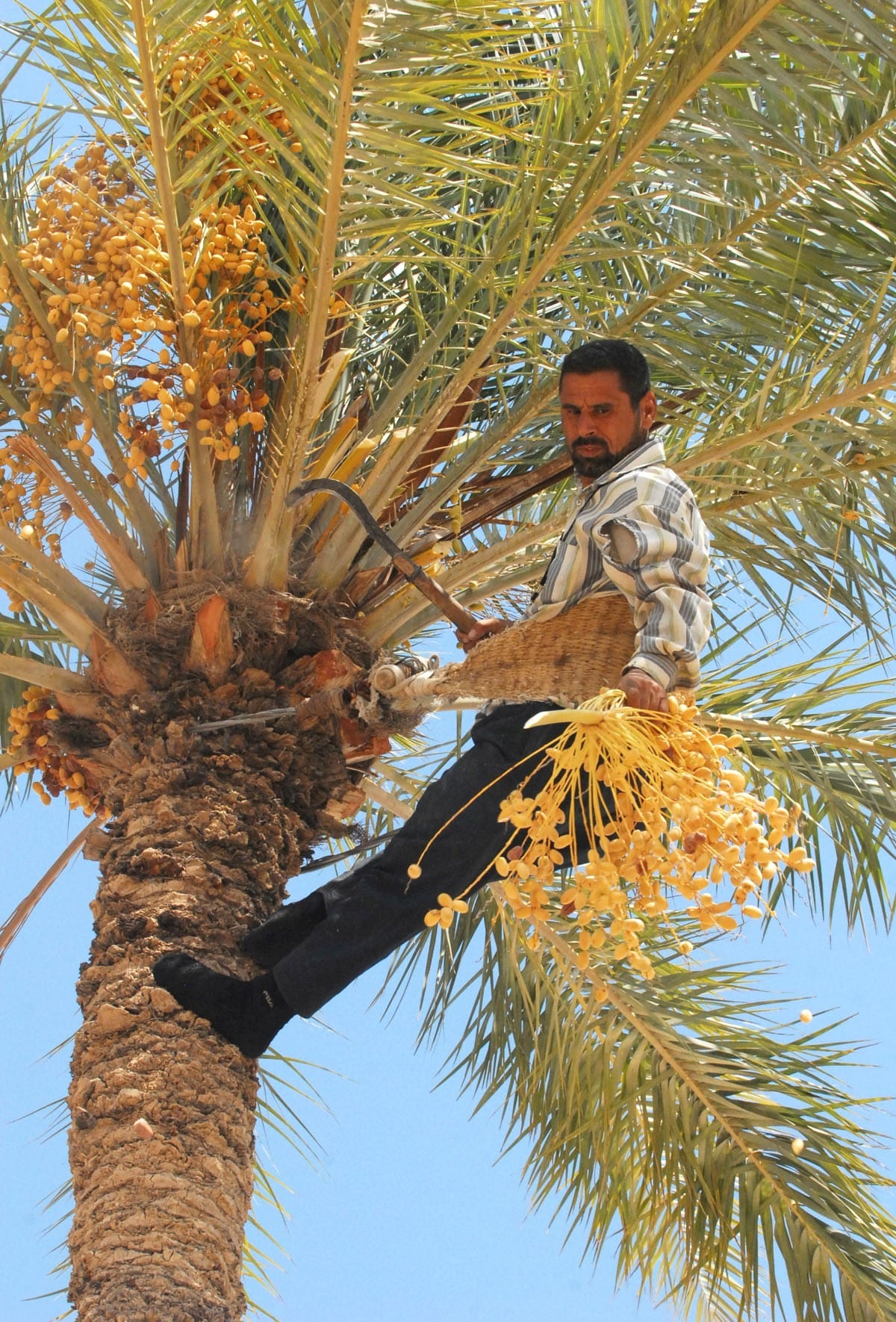
Dates have been grown along the Tigris and Euphrates for thousands of years, and Iraq was historically among the world's leading date producers, with the fruit remaining a genuine everyday staple rather than an occasional treat. Rice, lamb, and fresh bread, particularly samoon, a distinctive diamond-shaped Iraqi loaf, round out the everyday pantry, alongside a strong tradition of stuffed and wrapped dishes.
History behind the table
Iraqi food carries layers from some of history's most significant culinary centres: ancient Mesopotamian cooking, Abbasid-era Baghdad, once among the most sophisticated culinary capitals in the medieval world, and later Ottoman and Persian influence, all shaping the dishes eaten in Iraq today. That deep, layered history is part of why food historians look to Iraq and the wider Mesopotamian region when tracing the origins of cooking techniques used across the modern Middle East.
Dishes to know
Five more to recognise across Iraq:
- Dolma — vegetables and grape leaves stuffed with rice and meat, a
dish shared across much of the former Ottoman world.
- Kubba — a stuffed dumpling of cracked wheat or rice around a spiced
meat filling, made in many regional forms across Iraq.
- Qeema — a minced meat and split pea stew, often served with rice or
bread.
- Timman — Iraqi-style rice, often cooked with vermicelli or spices,
served as the base for most main meals.
- Samoon — a distinctive diamond-shaped bread, eaten with nearly every
meal.
Drinks
Chai, strong black tea served sweet, is a genuine daily ritual across Iraq, often offered as a mark of hospitality to guests. Alcohol is less commonly consumed given the country's predominantly Muslim population, though it remains available in some areas; fresh fruit juices and yoghurt-based drinks are more universal everyday choices.
Eating as a traveller
Vegetarians will find rice, dolma and bread-based dishes manageable, though meat and fish are central to most traditional main courses. Tap water is not reliably safe outside major hotels; stick to bottled or boiled water. Trying masgouf at a riverside restaurant in Baghdad, where the tradition remains strongest, is the fullest way to experience Iraq's national dish.
What to take from the table
Masgouf, grilled slowly over open flame on the Tigris's banks, is the dish that most directly connects modern Iraq to a cooking tradition that stretches back to some of the very first recipes anyone ever wrote down.