Culture & Customs · Iraq
Iraq: Every Guest an Honour
A country of many faiths and peoples held together by family, honour and a hospitality so deep that serving strangers on the road to Karbala is on UNESCO's list
By Worldlore Editorial · 30 September 2026
A visitor steps into an Iraqi home and slips off their shoes at the door. The host leads the way to the sitting room — there is no tour of the house — and tea arrives almost at once, to be accepted rather than waved away, because turning it down can suggest a lack of interest in the friendship being offered. Food follows, then more food, each refusal met with warmer insistence. When the guest is finally, truly full, they place their right hand over their heart and give thanks. In Iraq, where hosting a guest is considered an honour, that small gesture says more than any polite excuse.
Faith, identity and values
Islam is the faith of the great majority of Iraqis, who are divided mainly between Shia and Sunni Muslims. Iraq is one of the few Arab countries in which Shia Muslims form the majority; most of them are Arabs, while Sunni Muslims include Arabs, most Kurds and most Turkmen. Alongside them live some of the oldest religious communities in the region. Christians, most of them Chaldean Catholics or members of the Assyrian Church of the East and many speaking neo-Aramaic languages, are far fewer than they were a century ago. The constitution also recognises the Yazidis, an ethno-religious Kurdish community with a faith of its own, and the Sabian-Mandaeans, whose rites include baptism in running water. Several of these communities have been sharply reduced by the violence of recent decades.
For many Muslims, faith shapes daily life through dress, diet, prayer and language: the five daily prayers mark the hours, and religious phrases run through ordinary conversation. Sectarian tension in recent history has had more to do with politics and power than with theology, and Cultural Atlas notes that a shared Mesopotamian heritage — the sense of belonging to the land between the two rivers — is one of the most unifying ideas Iraqis have, reaching back beyond any single faith.
Honour is central to social life. It covers a person's reputation, prestige and worth, and extends to the whole family, so that one member's conduct reflects on everyone. Behaviour judged shameful is described as ayb, a word with real weight, especially in close-knit rural communities. Family is the bedrock of society: households are often large and span several generations, caring for ageing parents is a duty repaid for a lifetime of care, and placing an elderly relative in a home is widely considered shameful. Most Iraqis also identify with a tribe, and tribal sheikhs still help settle disputes. Generosity is part of honour — Iraqis are known across the region for it — and so is keeping one's word: a casual offer of help is often taken as a firm commitment, on both sides.
Greetings and meeting people
Greetings are warm and unhurried. Among Muslims, "as-salamu alaykum" (peace be upon you) is answered with "wa alaykum as-salam" (and upon you, peace), while "marhaba" is a common everyday hello. Kurdish speakers may say "slaw", and Chaldean and Assyrian Christians use greetings built on the word for peace. Everyone stands when an elder enters the room, and men traditionally stand when a woman does.
Handshakes between men are gentle and may be held for some time; among men, particularly Kurds and Christians, kisses on the cheek are also common, and women friends often embrace with several kisses. Between men and women, conservative Muslims may avoid physical contact altogether, so it is best to let a woman offer her hand first. Placing the right hand over the heart conveys sincerity and makes a respectful alternative to a handshake. People are usually addressed by their first name with any title, such as doctor, and warmth is often shown by calling someone "my sister" or "my brother" even on first meeting. Iraqis typically share a good deal about their work and family when getting to know someone, a reflection of the pride taken in a family's standing.
Communication tends to be indirect, with a point reached by a long, roundabout route to avoid giving offence, and a phrase such as "I'll see what I can do" often softens a refusal. Raised voices usually signal sincerity rather than anger. Between men and women, eye contact is often lowered as a sign of respect. Several gestures are best avoided: the thumbs-up can be offensive to older people, pointing or beckoning with a finger is rude, the left hand should not be used for waving, eating or passing things, and the soles of the feet should never be shown.
Hospitality and being a guest
Invitations to a home can come early in an acquaintance, and hosting is seen as an honour. Shoes come off at the door. Guests wait to be shown where to sit — some homes have cushions arranged on the floor — and dressing too casually for a visit can seem disrespectful to the host. Tea or coffee is offered almost immediately and should be accepted. A small gift, such as flowers, sweets or something for the children, is welcome; it is given with the right hand or both hands and is not opened at once. Alcohol should not be given, and a very expensive present can look like an attempt to buy favour.
Hands are washed before a meal, and food is taken with the right hand only. A host will offer second and third helpings and may insist several times; accepting graciously is part of the ritual. Unlike in some cultures, clearing the plate completely suggests that the guest would like more, so it is polite to leave a little food behind when finished, and to place the right hand over the heart while saying thank you to decline further servings. Admiring a portable object too warmly can put a host in the awkward position of feeling obliged to give it away. Leaving is never rushed: goodbyes are long, and each person is bid farewell individually.
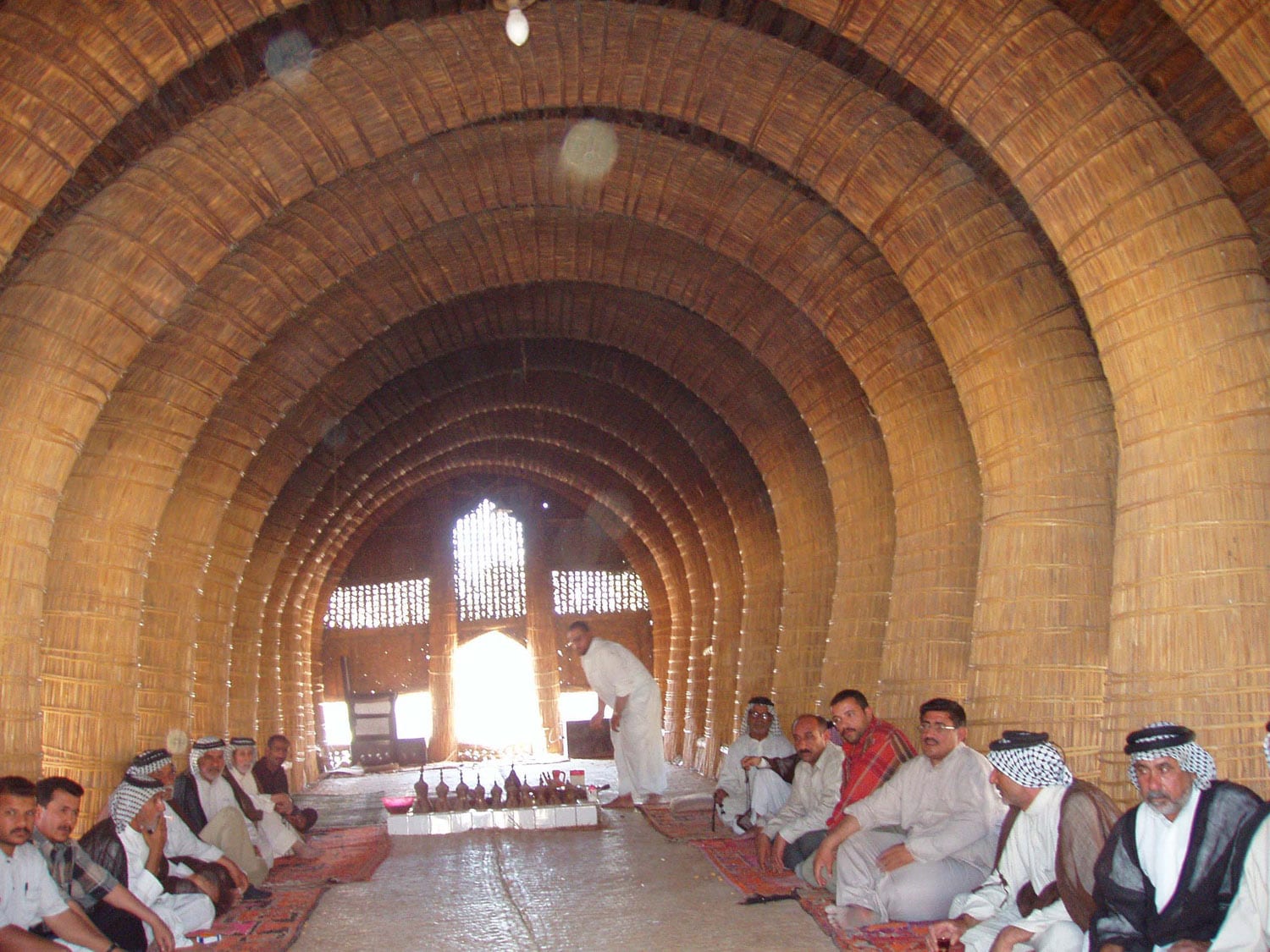
Traditional hospitality has its own architecture. In the southern marshes, the mudhif, a great arched guesthouse built of reeds, has long served as a place to welcome guests and settle disputes, and to hold weddings and religious ceremonies. The craft skills of building one are on UNESCO's list of intangible cultural heritage.
Festivals and life's big moments
The Islamic lunar calendar sets much of the year's rhythm. Ramadan is a month of fasting from dawn to sunset, prayer and reflection, and it ends with Eid al-Fitr, a holiday of several days for communal prayers and family visits. Eid al-Adha, the Festival of Sacrifice, is also a holiday of several days; many families visit the graves of relatives at this Eid, dressed in black, reciting the Fatiha, the opening chapter of the Quran, and handing out kleicha, date-filled pastries, as charity in the name of the dead.
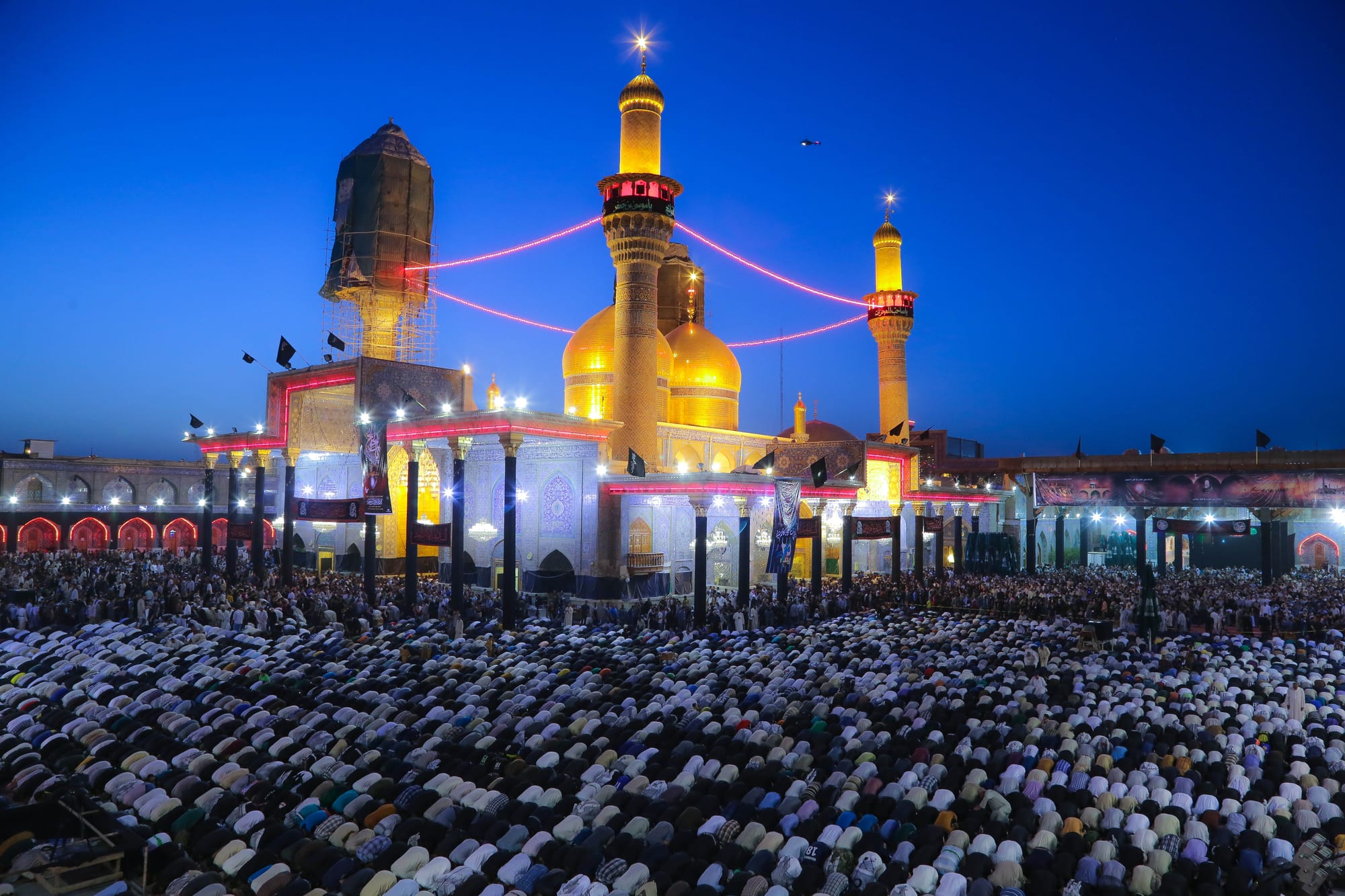
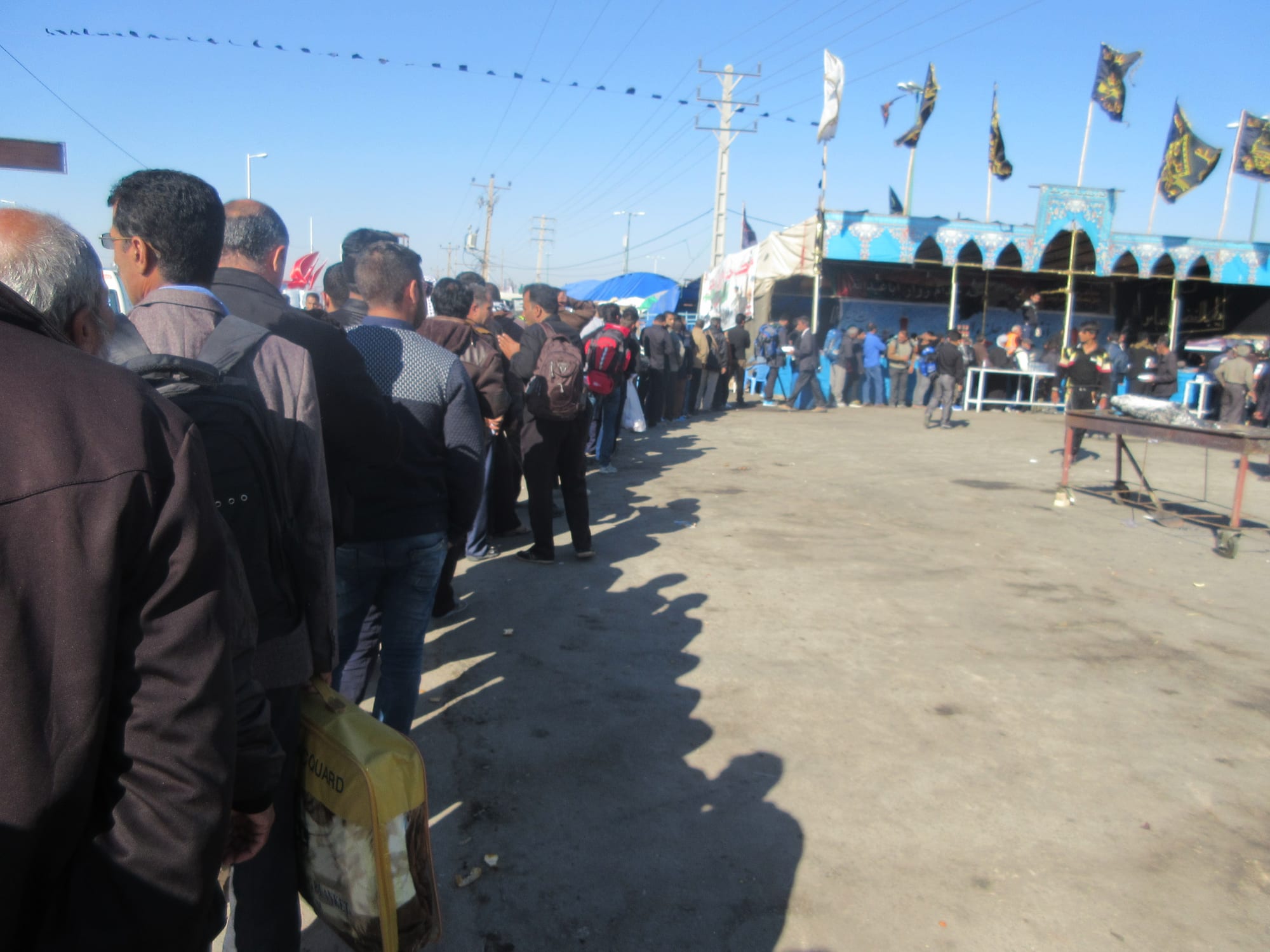
Muharram carries particular weight. On Ashura, the tenth day of the month, Sunnis commemorate Moses's deliverance, while Shia Muslims mourn the death of Imam Hussein, grandson of the Prophet Muhammad, who was killed at Karbala in 680. In the days before, Shia congregations gather in hussainiyas to hear his story; on Ashura itself, mourners dressed in black march in processions, beat their chests in grief and stage re-enactments of the battle, and food is cooked in large pots for mourners and passers-by. Forty days later comes Arba'in, one of the largest religious gatherings in the world, when pilgrims converge on Imam Hussein's shrine in Karbala.
Iraq's other communities keep their own calendars. Nawroz, the spring new year and a UNESCO-listed tradition shared across the region, is celebrated above all by Kurds, and by some Christians and Yazidis too. Assyrians welcome spring with Kha b-Nisan on 1 April, Yazidis mark their new year in April, and Mandaeans, for whom baptism in flowing water is a central and frequent rite, keep their own festival calendar. Christmas on 25 December is a public holiday. Each February, the feast of Khidr Elias, also on UNESCO's list, honours a holy figure believed to grant wishes: on the banks of the Tigris, candles are set on small boards and floated downstream as vows are made.
Weddings are grand family occasions. The marriage contract sets out the mahr, a sum promised to the bride for her financial security that once took the form of precious metals or jewellery and today is often cash or property. Before the wedding, the bride is prepared with cleansing rituals and henna, and the celebration builds to the zaffa, a procession of music, dancing and joyful shouts, with sweets and flowers thrown over the couple; both henna rituals and the zaffa are on UNESCO's list.
Care for the dead continues long after a funeral. At Wadi al-Salam in Najaf, described as the world's largest Islamic cemetery, families who travel from across the country sweep the plots, repaint the names on gravestones and leave photographs, prayer beads or handwritten notes, often ending the visit with prayers at the nearby shrine of Imam Ali.
Arts, crafts and music
The Iraqi maqam is the country's great classical music tradition. A lead singer, the qari, improvises on classical and colloquial Arabic poetry in dialogue with a small ensemble known as the chalghi — the santur (a board zither), the jawza (a four-stringed spike fiddle), a hand drum and a small tambourine. Once heard in coffee houses and at private gatherings, it is on UNESCO's list and still performed and recorded at home and abroad.
Crafts are cherished as living links to a long past. Arabic calligraphy, engraving on gold, silver and copper, and the skills of making the bisht, the traditional men's cloak, are all on UNESCO's list, as are Arabic kohl and the knowledge and traditions surrounding the date palm.
Dos and don'ts for visitors
- Do check the latest government travel advice before any trip; since February 2026 Iraq has been caught up in the regional war involving Iran, the United States and Israel, and most Western governments advise against all or all-but-essential travel to much of the country.
- Do dress conservatively and behave discreetly in public, and remove shoes when entering a home.
- Do accept tea or coffee when it is offered, and use the right hand for eating, giving and receiving.
- Do let a woman offer her hand first; a hand placed on the heart is a respectful greeting.
- Do leave a little food on the plate when finished, and put a hand on the heart to decline more.
- Don't eat, drink or smoke in public during daylight hours in Ramadan, and don't count on finding alcohol: a law published in 2023 bans its import, production and sale, and it is mostly found in the Kurdistan Region.
- Don't use the thumbs-up, point with a finger or show the soles of the feet.
- Don't photograph military sites or activity, and never try to win converts to a religion.
What to take away
Iraq's many faiths, languages and histories are held together less by any single tradition than by a shared code of honour and open-handed welcome — and a guest who receives that welcome graciously has already understood a great deal.