Attractions & Natural Wonders · Iraq
Iraq: Ten Attractions and Natural Wonders
The land between the rivers where cities and writing began — a spiral minaret, the ruins of Babylon and Ur, the marshes of the Ma'dan, and the golden shrines of Najaf and Karbala
By Worldlore Editorial · 19 September 2026
Mesopotamia
Iraq is the heart of ancient Mesopotamia — the plain between the Tigris and Euphrates where the Sumerians built the first cities, invented writing, and wrote the Epic of Gilgamesh, and where the Babylonians, Assyrians, Parthians, and Abbasids left successive capitals. It is also a country that has been through decades of war, sanctions, insurgency, and the rise and defeat of ISIS. Since around 2021 it has issued tourist visas on arrival for many nationalities, and a small but growing number of travellers now visit the archaeological south and the autonomous Kurdistan region in the north.
The ten below run from Kurdistan through Baghdad to the deep south. Read the note at the end first: travel advice for Iraq is restrictive and varies sharply by region. Spring and autumn are the bearable seasons; summers in the south are brutally hot.
1. Erbil and Iraqi Kurdistan
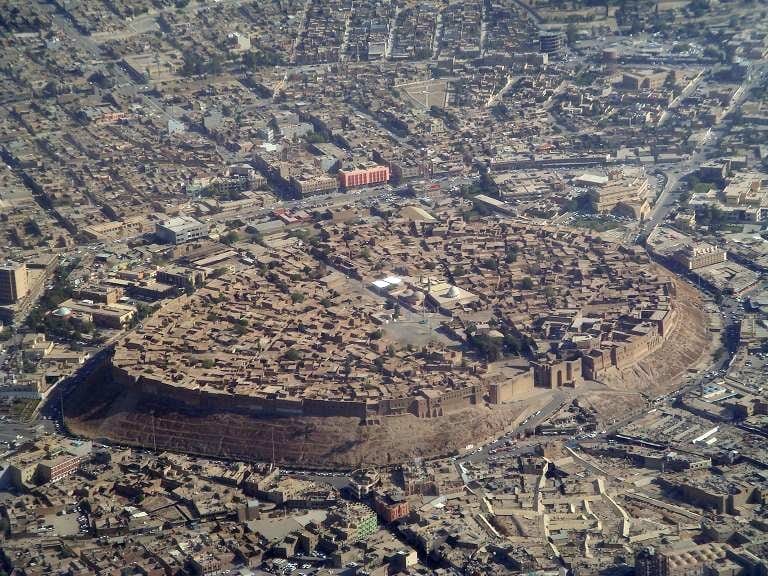
Erbil (Hewlêr), capital of the autonomous Kurdistan Region, is built around a tell — a mound of accumulated settlement layers — crowned by a walled citadel and a UNESCO World Heritage Site, ringed by lively bazaars and tea houses. The wider region is greener and more mountainous than the rest of Iraq: the gorges and ski slopes around Rawanduz, the Gali Ali Beg waterfall, the town of Amadiya on its mesa, and Sulaymaniyah with its powerful Amna Suraka (Red Prison) museum.
Kurdistan has its own visa policy and is generally considered the most accessible part of the country.
2. The Great Mosque of Samarra
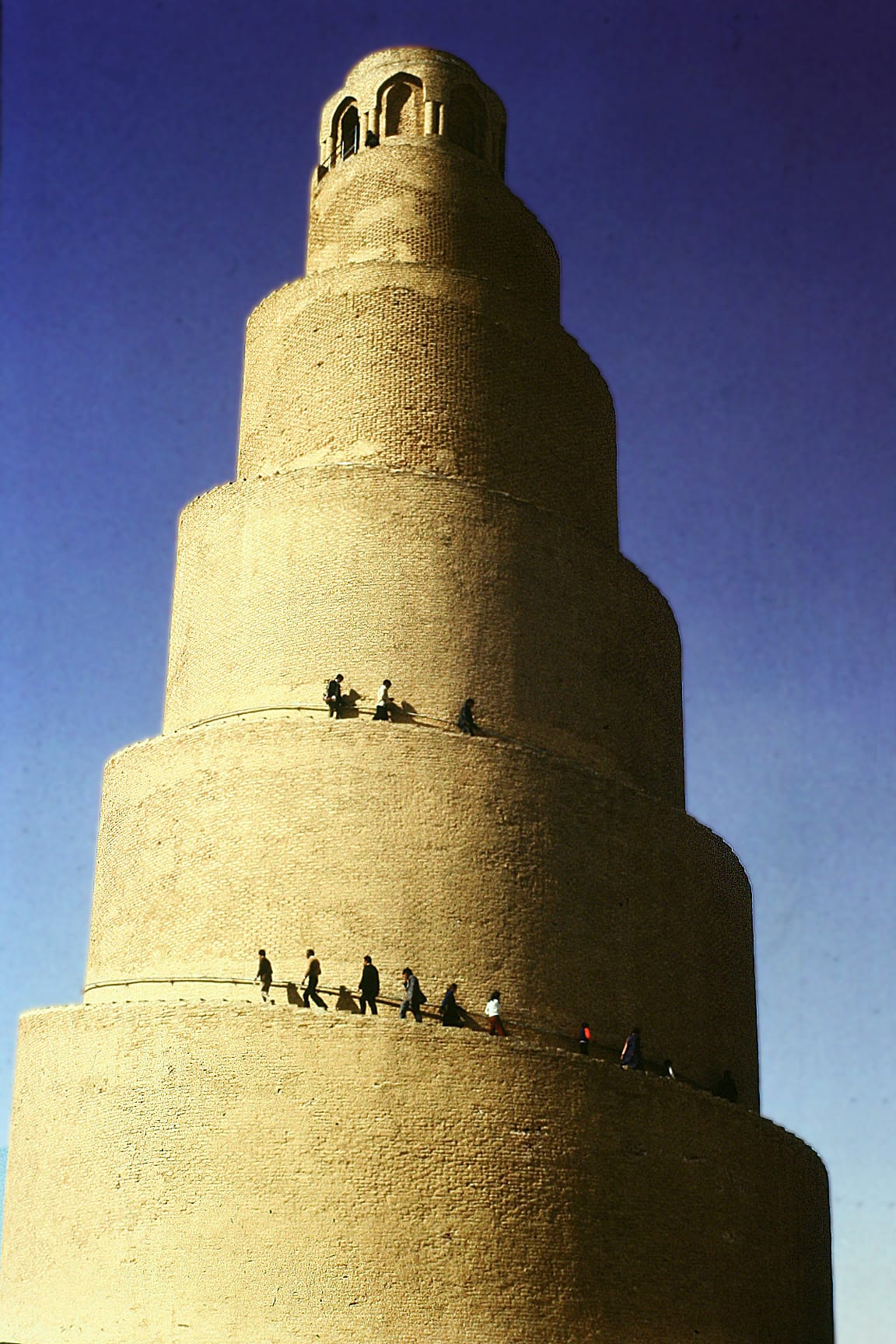
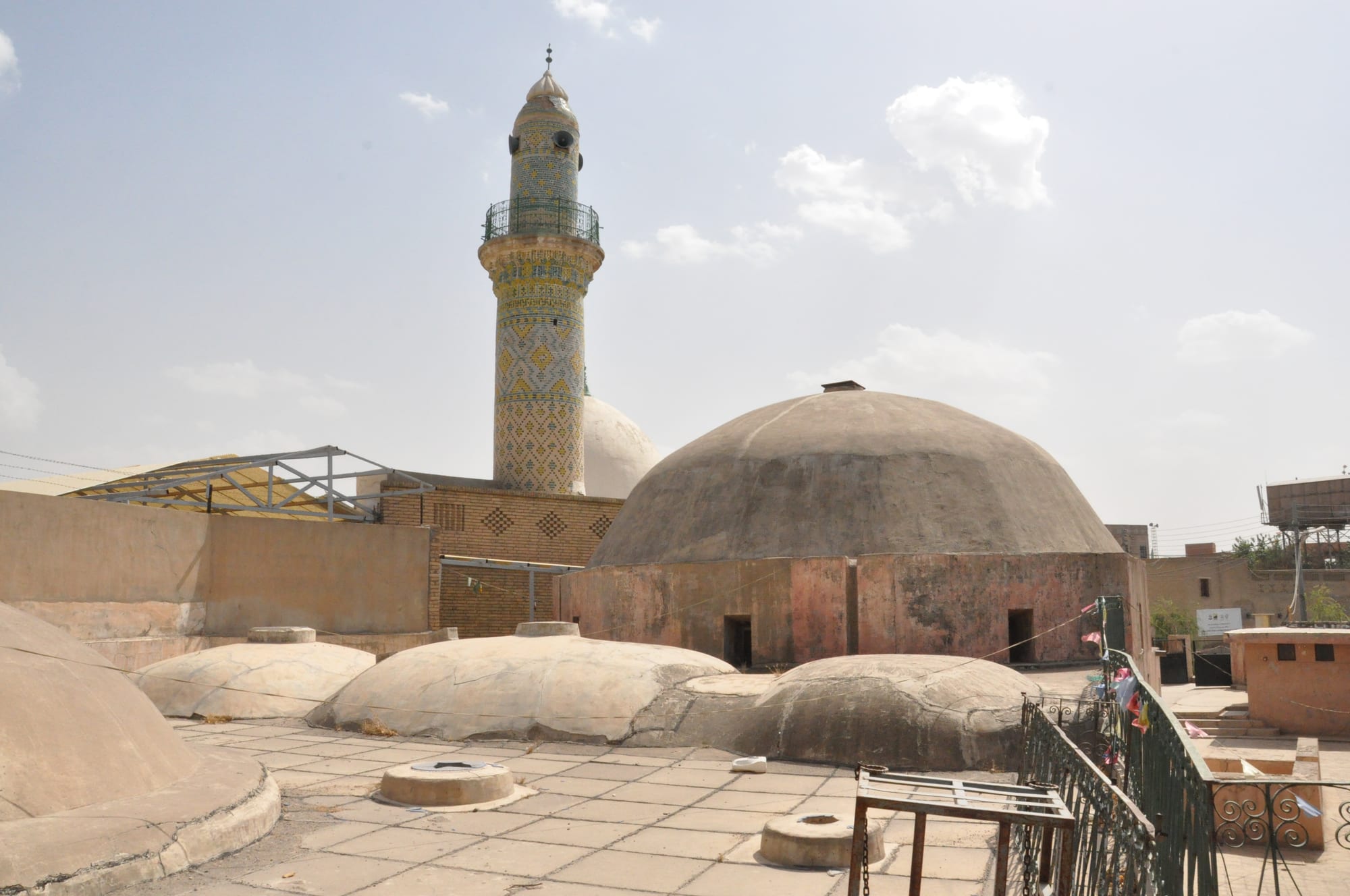
When it was built, the Great Mosque of Samarra was the largest in the world, and its extraordinary 52-metre spiralling minaret, the Malwiya, remains one of the icons of Islamic architecture. Samarra was briefly the Abbasid capital in the 9th century, and its ruins — palaces, another spiral minaret at Abu Dulaf — sprawl along the Tigris. The city is also home to the golden-domed al-Askari shrine, bombed in 2006.
Samarra sits in a sensitive area north of Baghdad; access has often required permits and escorts.
3. Babylon
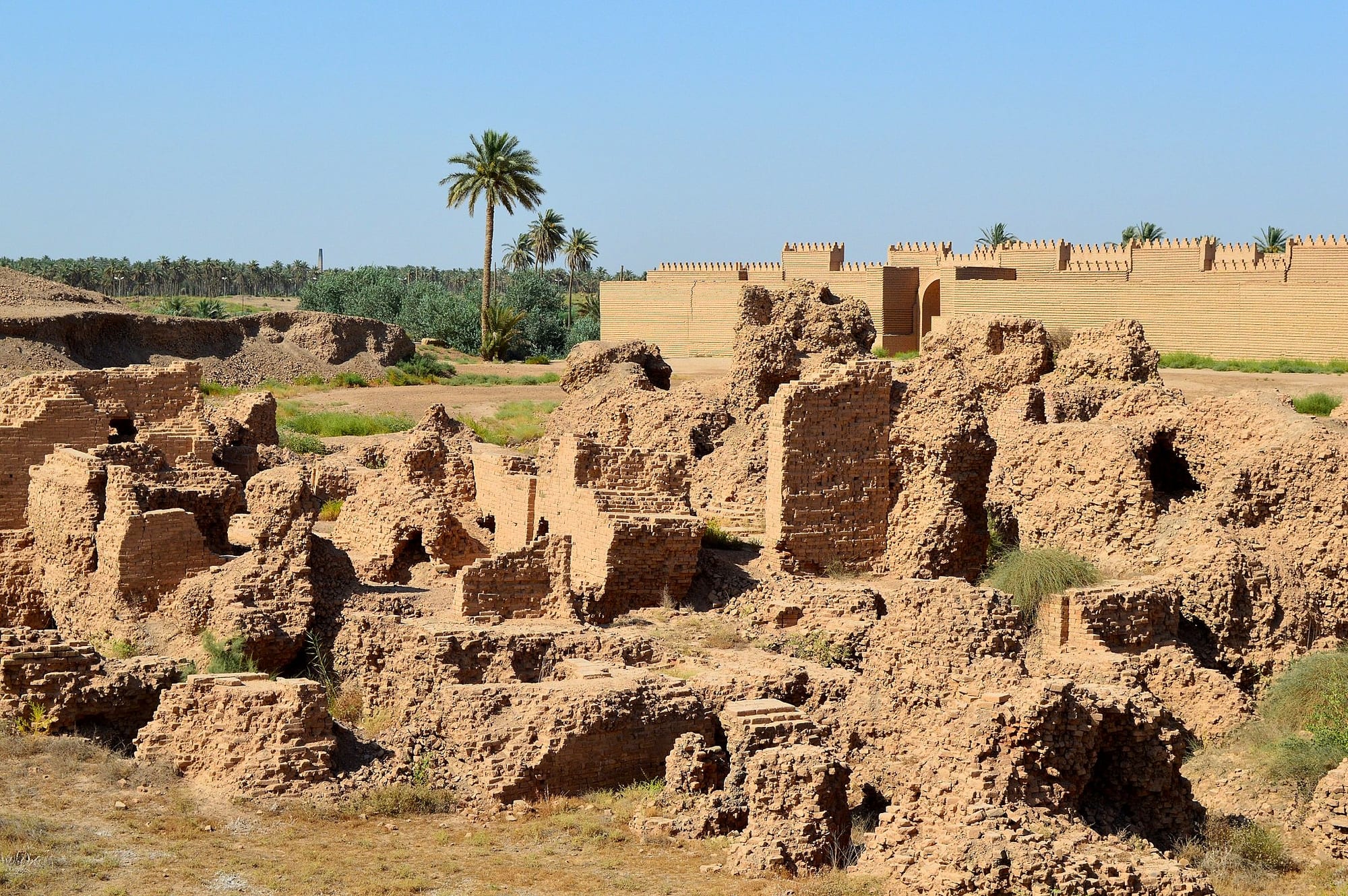
Babylon, near Hillah south of Baghdad, was the capital of Hammurabi and later Nebuchadnezzar II — the city of the Hanging Gardens, the Tower of Babel story, and the Ishtar Gate (the original is in Berlin; a replica stands on site). Saddam Hussein controversially rebuilt parts of it on the old foundations, stamping the bricks with his name. It was finally inscribed as a UNESCO World Heritage Site in 2019.
A processional way, a reconstructed gate, and the Lion of Babylon statue are the main things to see.
4. The Ziggurat of Ur
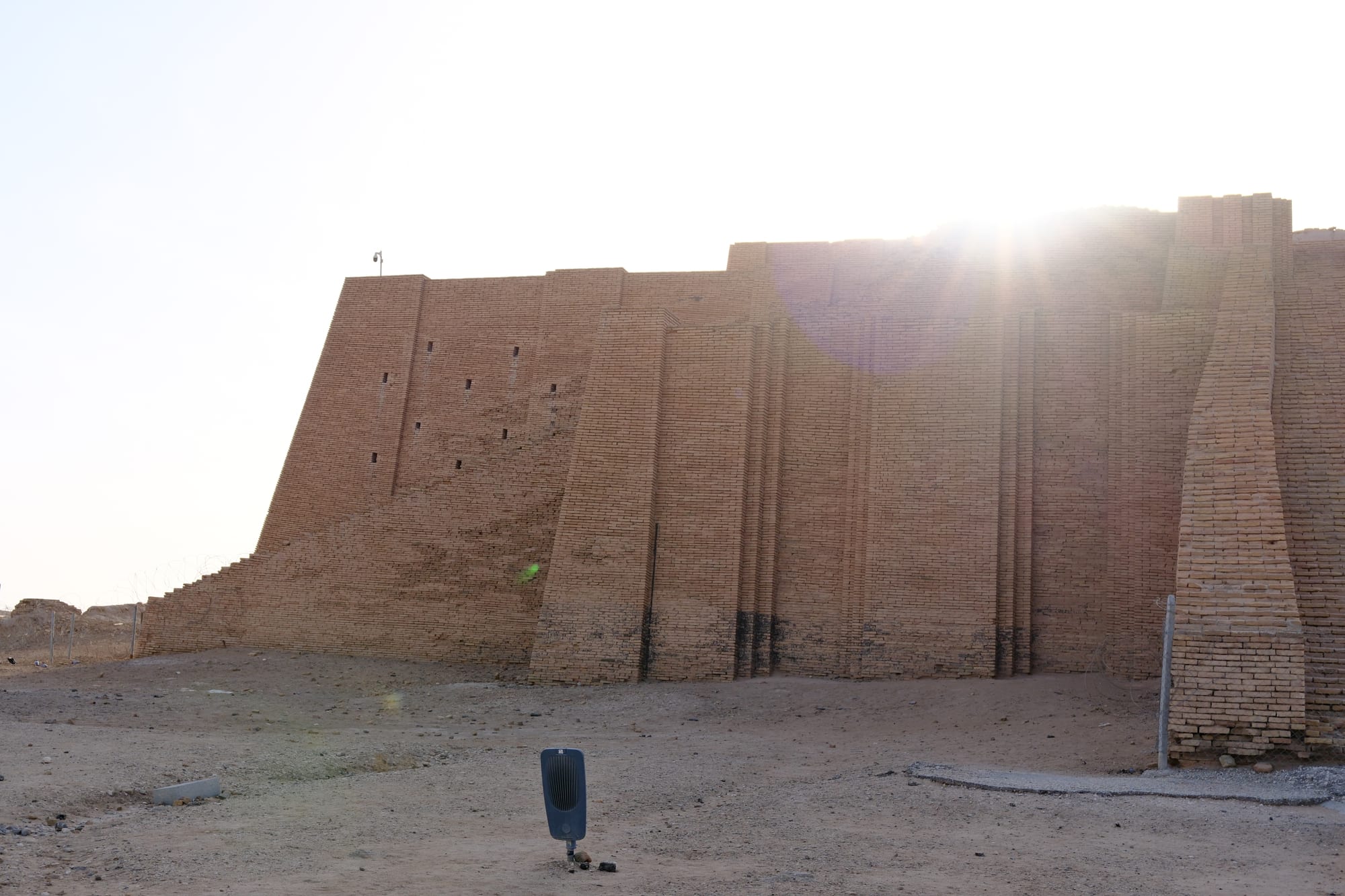
Ur, in the south near Nasiriyah, was a great Sumerian city and, by tradition, the birthplace of Abraham. Its restored ziggurat — a stepped platform that once supported a temple to the moon god Nanna — is the best-preserved in Mesopotamia, and you can climb its monumental stair. Around it are the excavated Royal Cemetery (source of the treasures now in London and Baghdad) and a house said to be Abraham's.
Pope Francis's 2021 visit here raised its profile as a site of interfaith significance.
5. Ctesiphon
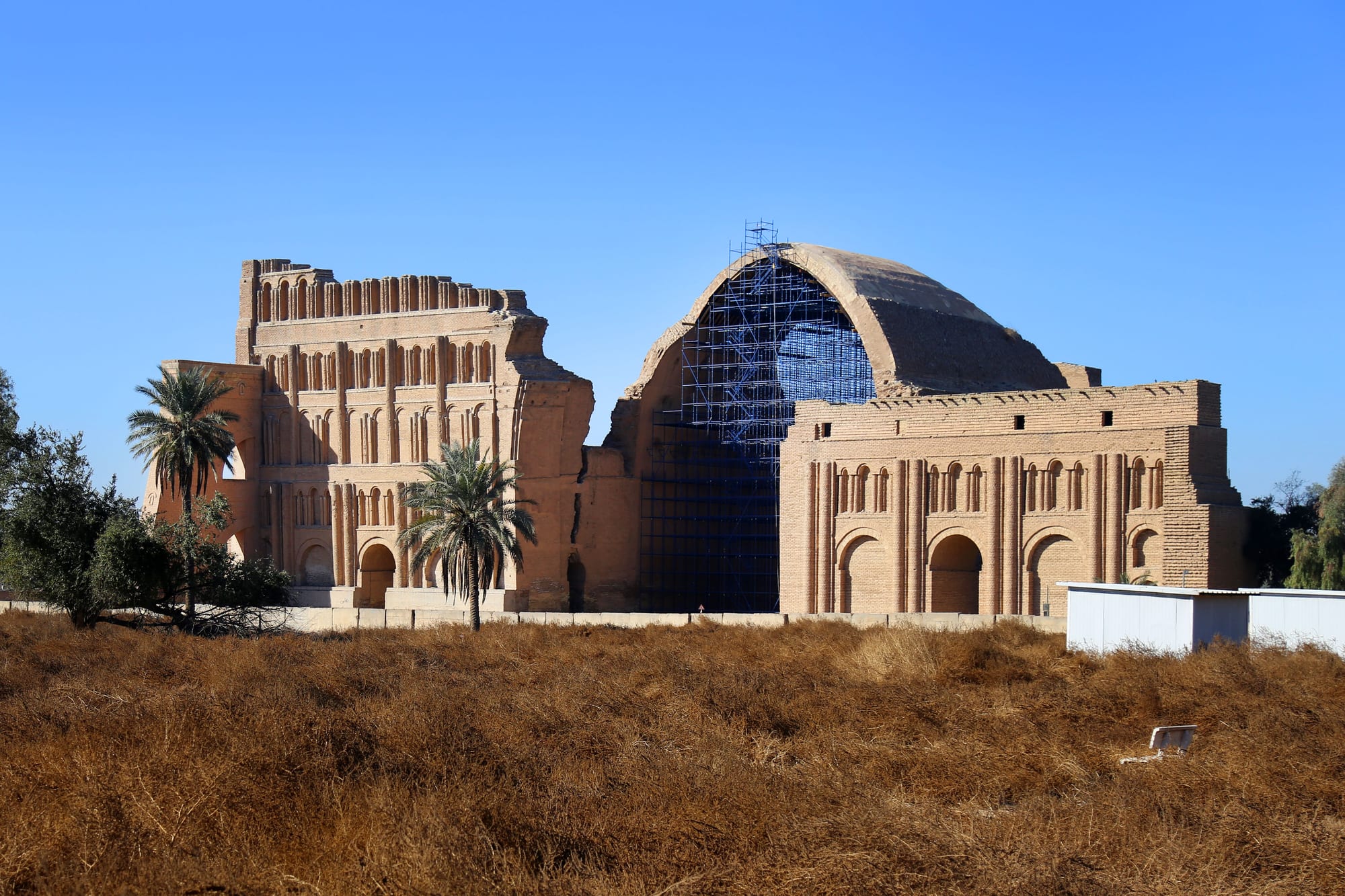
At Ctesiphon, about 35 kilometres southeast of Baghdad, stands the Taq Kasra — a single brick arch some 37 metres high, all that remains of the throne hall of the Sasanian Persian kings, and the largest unreinforced brick vault ever built. It has partly collapsed over the centuries but still dominates the plain.
It is close enough to Baghdad to visit in a half-day when conditions allow.
6. The Mesopotamian Marshes
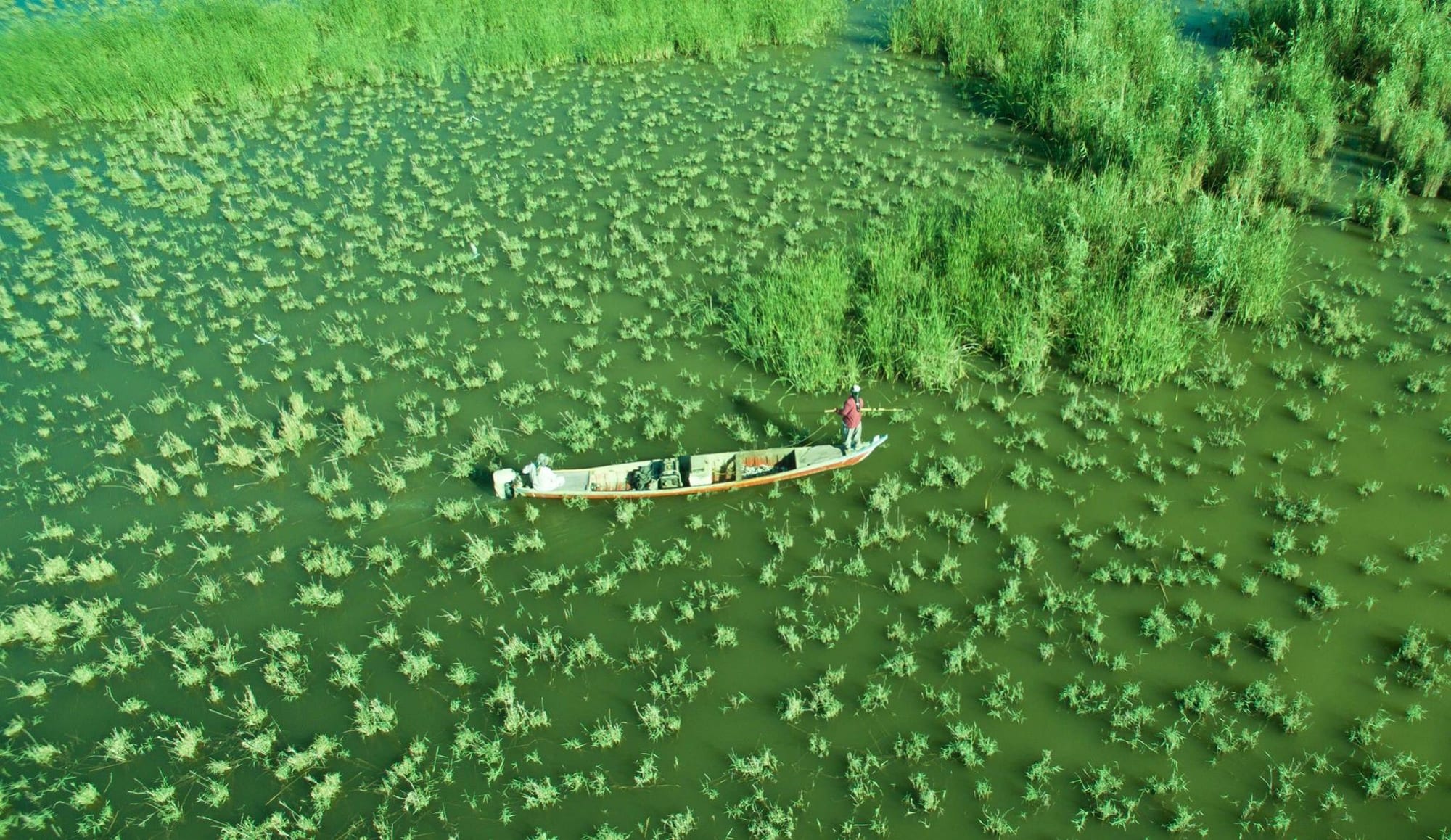
The Ahwar — the marshes where the Tigris and Euphrates meet — are the ancestral home of the Ma'dan or "Marsh Arabs", who live in reed houses on floating islands and travel by canoe. Deliberately drained in the 1990s to punish the population, they have been partly restored since 2003, though climate change and upstream dams now threaten them again. They form part of a UNESCO World Heritage Site that also includes Ur, Uruk, and Eridu.
Boat trips run from Chibayish, usually arranged through local guides.
7. Najaf and Karbala
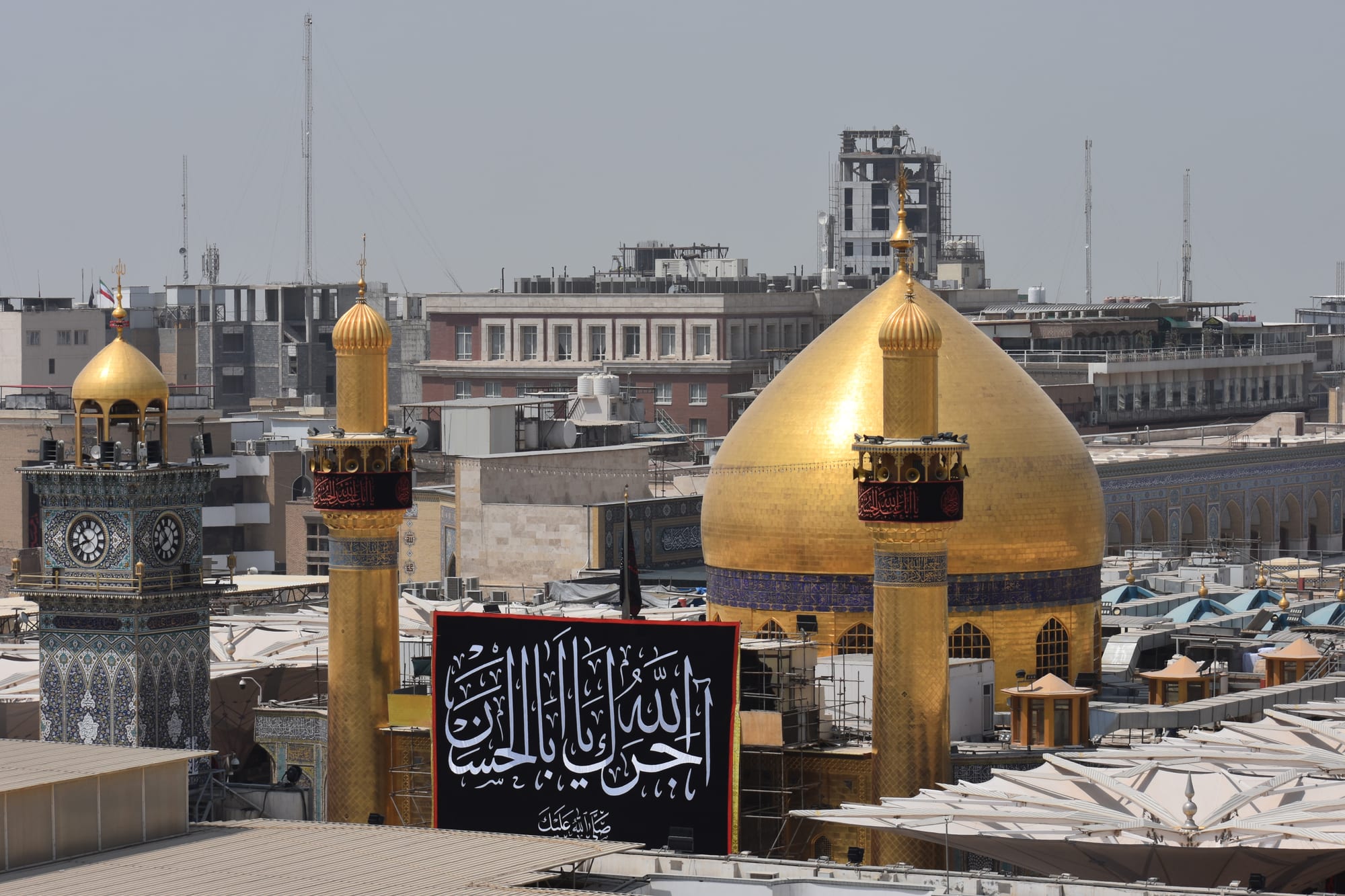
Najaf and Karbala, south of Baghdad, are among the most important pilgrimage cities in Shia Islam — Najaf for the gold-domed shrine of Imam Ali and one of the largest cemeteries in the world, Karbala for the shrines of Imam Husayn and Abbas and the annual Arba'een pilgrimage, which draws tens of millions of people on foot, one of the largest human gatherings anywhere. Non-Muslim visitors are generally welcomed into the shrine courtyards with modest dress.
Most organised tours of southern Iraq include both cities.
8. Lalish
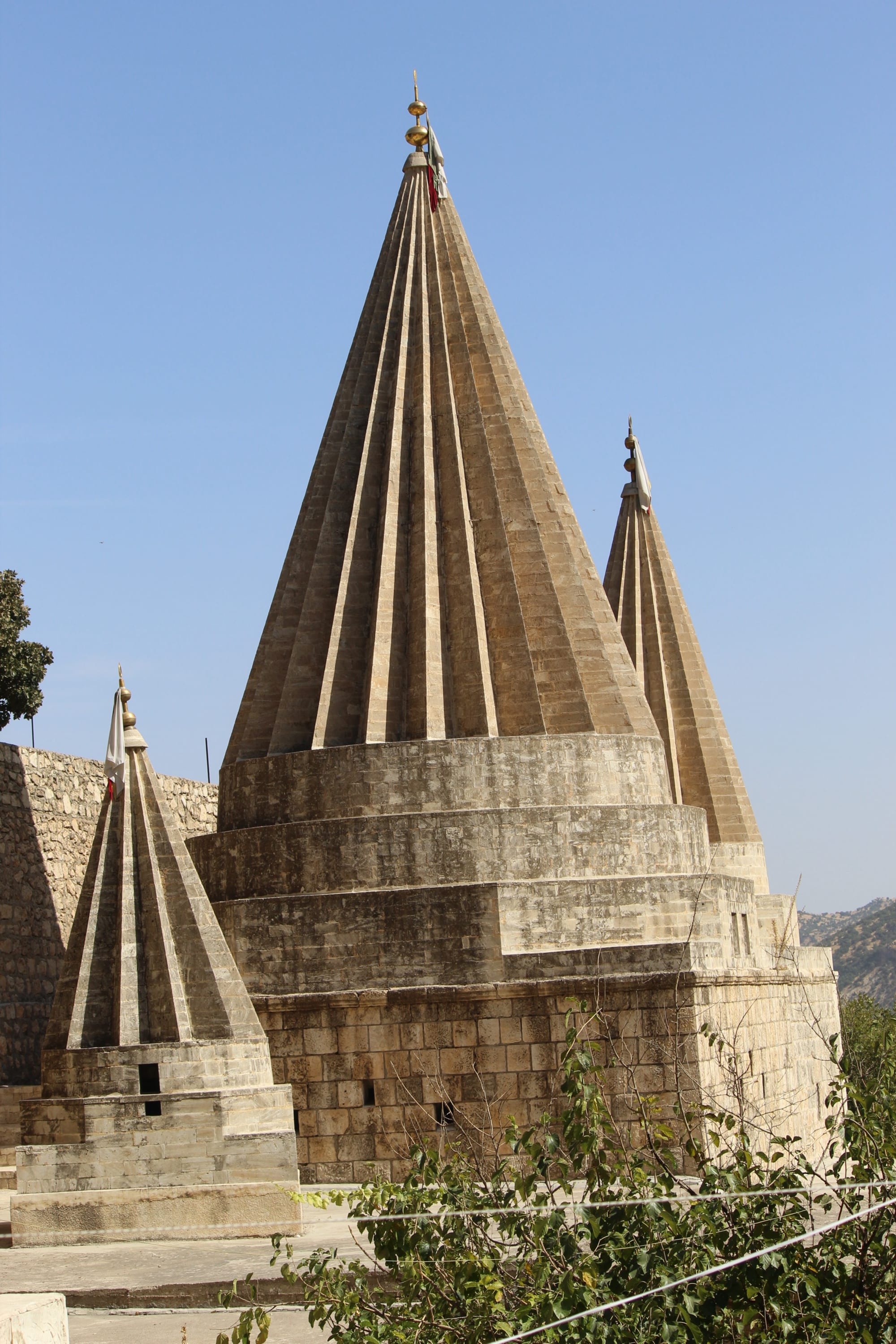
Lalish, a shrine village in a wooded valley in northern Iraq, is the spiritual centre of the Yazidis — a small, ancient religious community brutally targeted by ISIS in 2014 — with distinctive fluted conical spires over the tombs of holy figures. Pilgrims enter barefoot; visitors are welcomed with the same custom.
It is usually visited from Duhok or Mosul, in the Nineveh Plains, an area still recovering from the war.
9. Baghdad
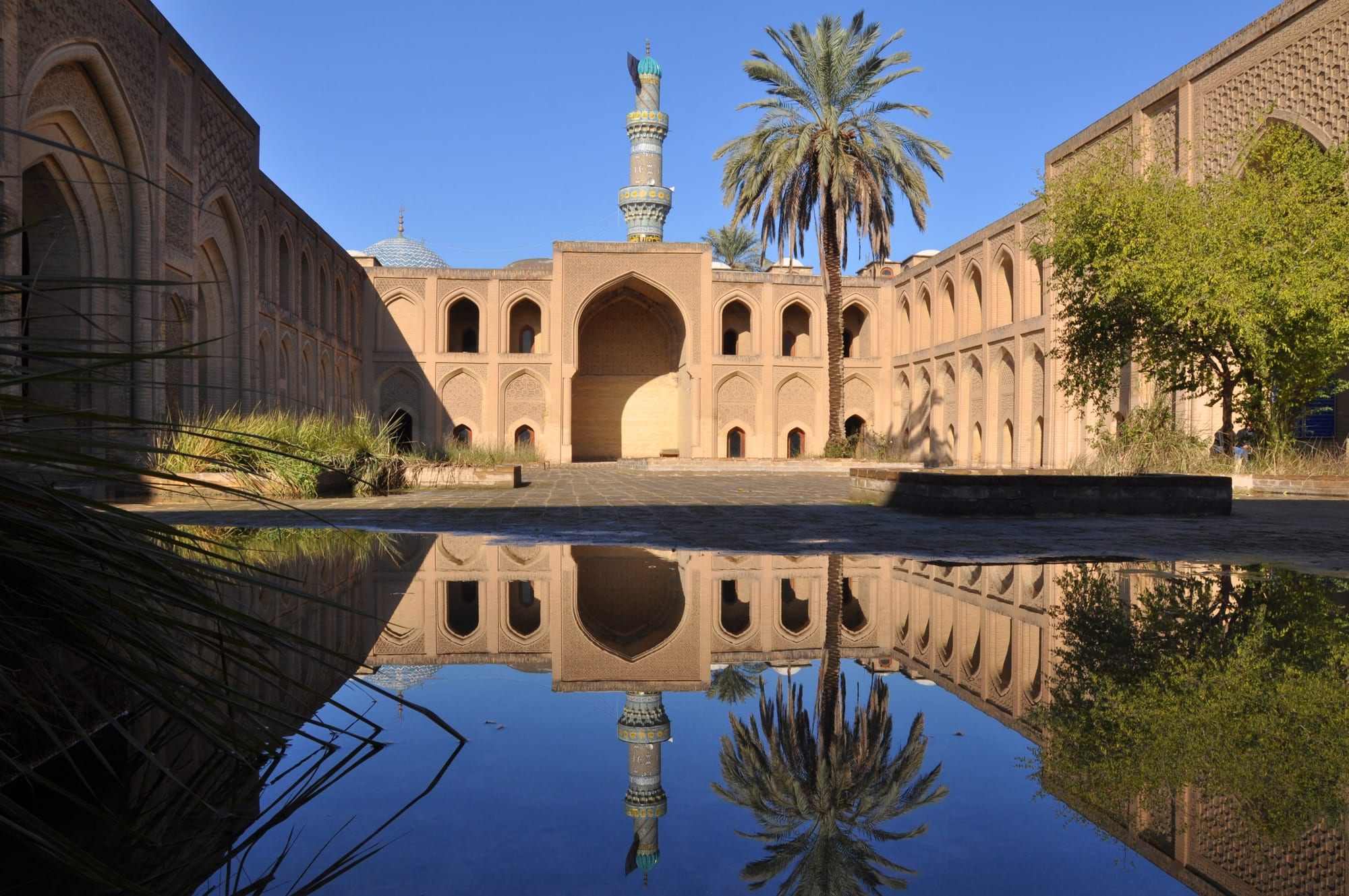
Baghdad, capital of the Abbasid Caliphate and once the largest city in the world, has lost most of its medieval fabric to war and time, but keeps the 13th-century Mustansiriya Madrasa, the Abbasid Palace, the copper and book markets of Mutanabbi Street (busy on Fridays), the Iraq Museum with its Mesopotamian collection, and Ottoman-era houses along the Tigris in the old Kadhimiya and Rusafa quarters.
The city has improved in security since the 2010s but remains subject to travel warnings.
10. Hatra and the Assyrian cities
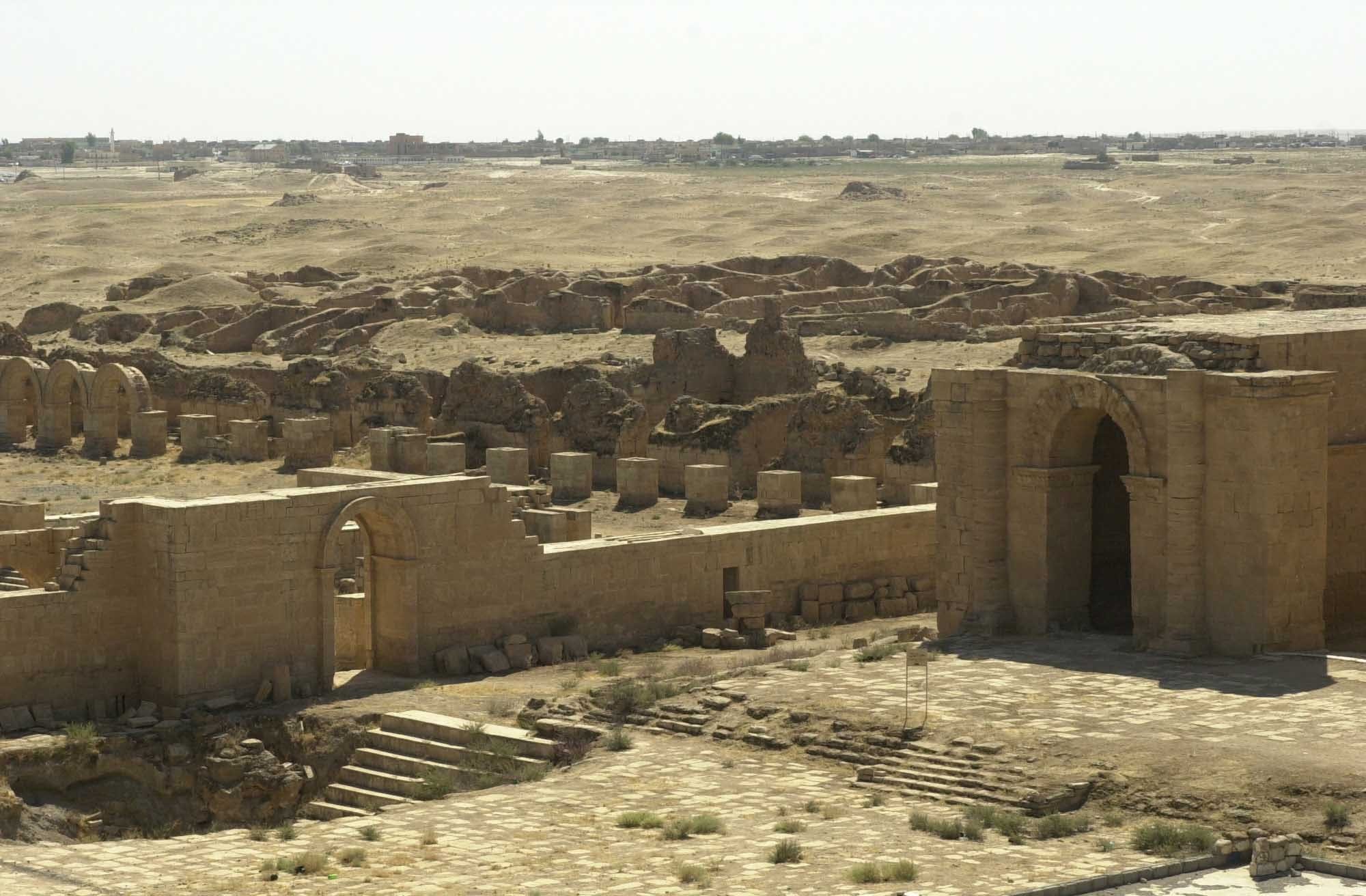
Hatra, in the desert southwest of Mosul, was a fortified Parthian trading city that twice repelled Roman armies, with a remarkably preserved complex of temples blending Greek, Roman, and Eastern styles. ISIS damaged it in 2015; it is a UNESCO World Heritage Site now on the "in danger" list. Nearby are the great Assyrian capitals — Nimrud, Nineveh (at Mosul), and Ashur — also badly harmed and slowly being assessed and stabilised.
These northern sites are among the hardest to reach and most affected by the recent conflict.
Before you go: a serious note
Travel advice for Iraq is restrictive and differs sharply by region. Several Western governments advise against all travel to most of the country, while rating the Kurdistan Region (Erbil, Sulaymaniyah, Duhok) somewhat less severely. Risks cited include terrorism, kidnapping, unpredictable security operations, militia activity, unexploded ordnance at some archaeological sites, and very limited consular assistance. The Iran–Iraq border areas and anywhere near Syria carry additional warnings.
Organised tours of the archaeological south and of Kurdistan do now operate, and visitors on them generally report warmth and curiosity from Iraqis. But this remains a destination where current, specific government advice should be treated as decisive, where a reputable local operator is close to essential, and where plans change with the security situation. This article is a description of the sights, not a recommendation to go.