Daily Life · Iraq
Iraq: A Day Measured in Amps
Large, close-knit households, a working week that runs Sunday to Thursday, and a state electricity supply so unreliable that many families also pay a neighbourhood generator operator by the ampere
By Worldlore Editorial · 30 September 2026
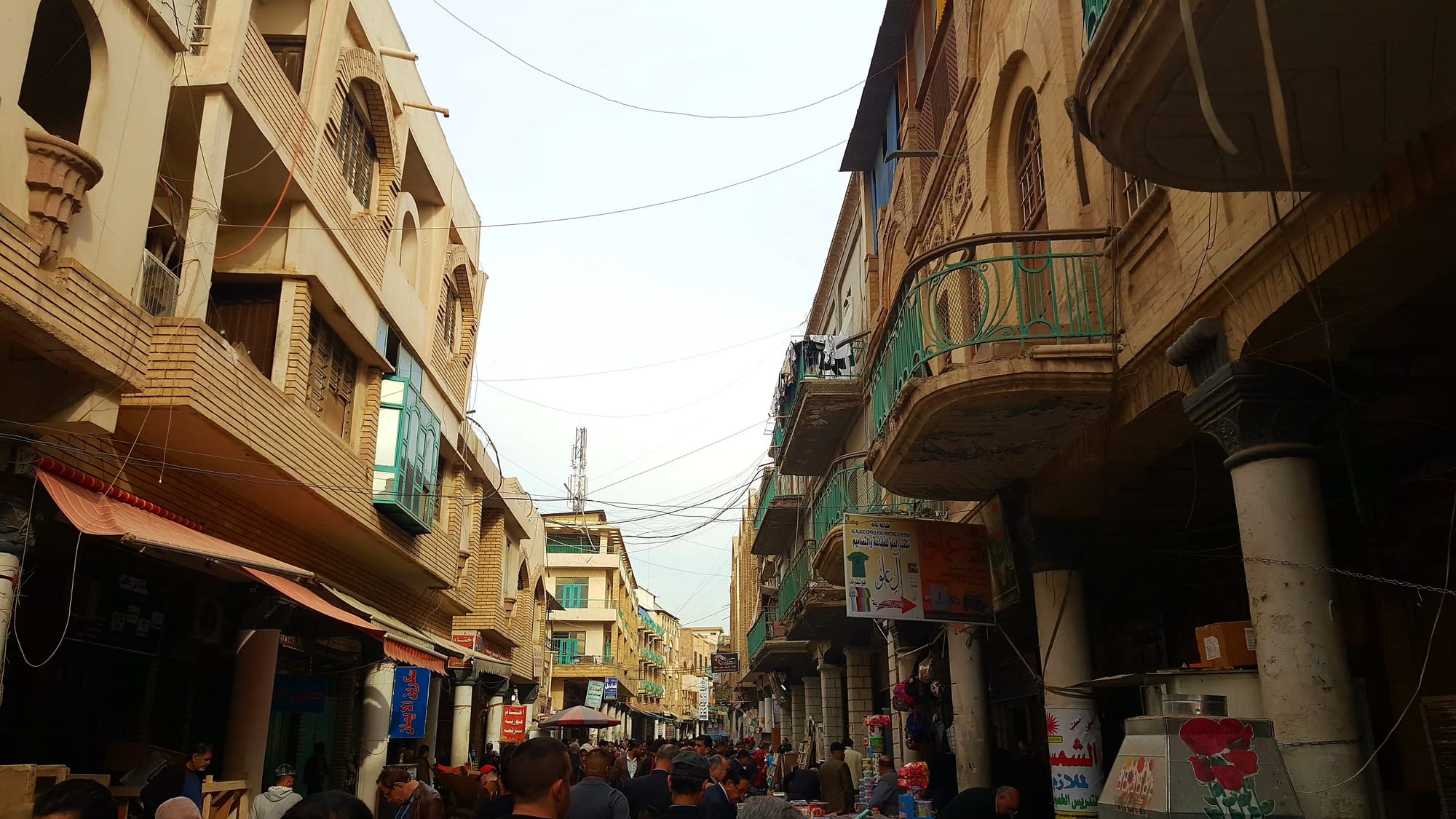
An ordinary day in Iraq is shaped by two grids that rarely agree: the state electricity supply, which cuts out for hours at a time even in the capital, and the private neighbourhood generator that fills in behind it, paid for by the ampere rather than the kilowatt-hour. The 2026 regional war widened the gap: Iranian gas, which feeds many Iraqi power stations, was cut off in March after strikes on Iran's South Pars field and has since flowed well below what Iraq needs. Around that daily arithmetic sits a country of large, close households, souks that still function as the real shopping district, and coffeehouses where the conversation, over tea or backgammon, is expected to run long. The working week begins on Sunday and the state, however imperfect its services, remains the biggest employer most families know.
Family and home life
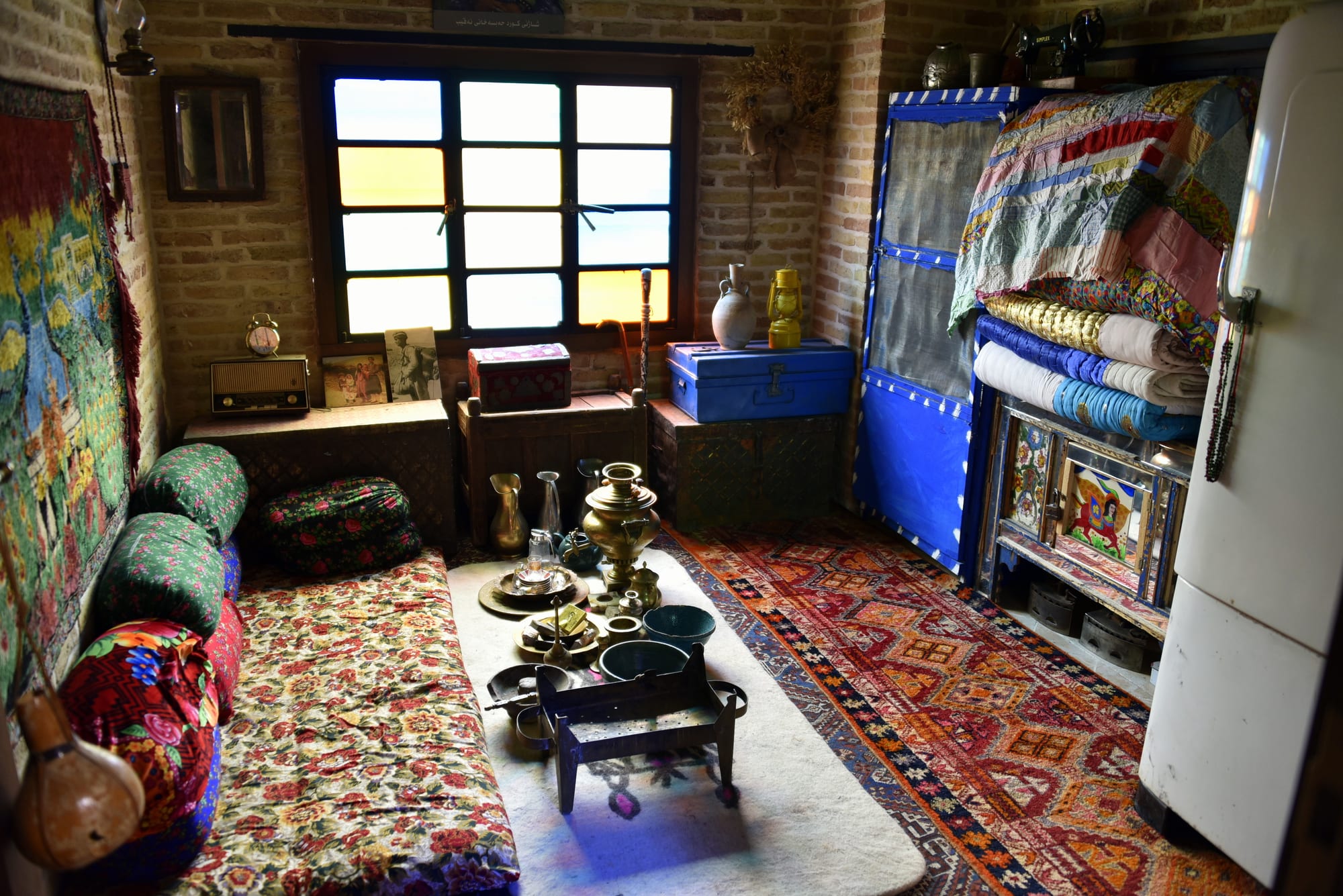
Iraqi households are large by regional and global standards: the 2024 census put the average at about 5.7 people, larger in the south than in the west and north, typically two parents and several children, with grandparents also present in many homes. Extended families often stay clustered in the same building or the same neighbourhood across generations. Low cushioned seating arranged around the walls of a sitting room, a carpet underfoot, and a tray of tea remain the basic furnishings of a home, whatever the neighbourhood's income.
Work, school and the rhythm of the day
The working week runs Sunday to Thursday, with Friday and Saturday as the weekend; government offices typically keep short hours, often finishing by early afternoon, while shops and private businesses stay open much later. Schooling is mixed in the earliest primary years in many areas but usually separates boys and girls into different schools by secondary level. A large state payroll, which grew from about one million people before 2003 to around seven million by 2016, employs a big share of the workforce, particularly in Baghdad, while oil revenue funds government spending far more than it funds private jobs. Data on school attendance point to a real gender gap that widens with age: national surveys have found girls noticeably more likely than boys to be out of school by the secondary years, a gap that education researchers link to early marriage, security concerns and distance to the nearest girls' school in some areas — figures worth treating as indicative rather than exact, since estimates vary between surveys.
Community life and public spaces
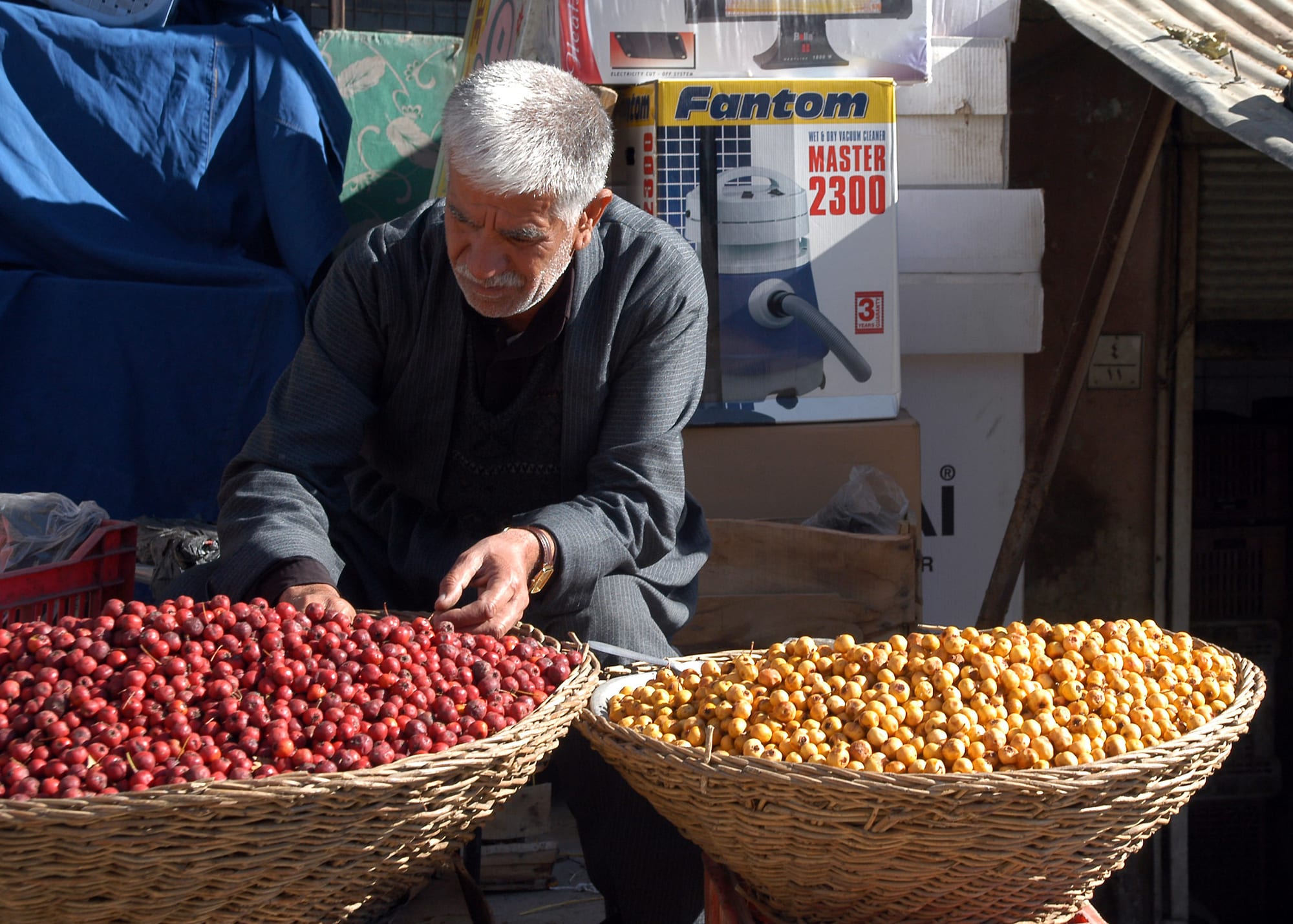
The souk remains the country's everyday commercial and social hub: covered lanes selling produce, cloth, tools and prepared food, often centuries old and still doing more of the daily shopping than any supermarket. Mosques anchor Muslim neighbourhood life and draw crowds for Friday prayers, while churches serve Iraq's smaller Christian communities in Baghdad, Mosul and the Nineveh Plain. Coffeehouses are a genuine public institution in their own right, especially in Baghdad, where men have gathered for generations over tea, backgammon and newspapers; Mutanabbi Street, the capital's historic book market, draws browsers and readers every Friday in particular. Checkpoints, a legacy of the past two decades, are still a routine part of moving around many cities, adding time to journeys that would otherwise be short.
Free time and weekends
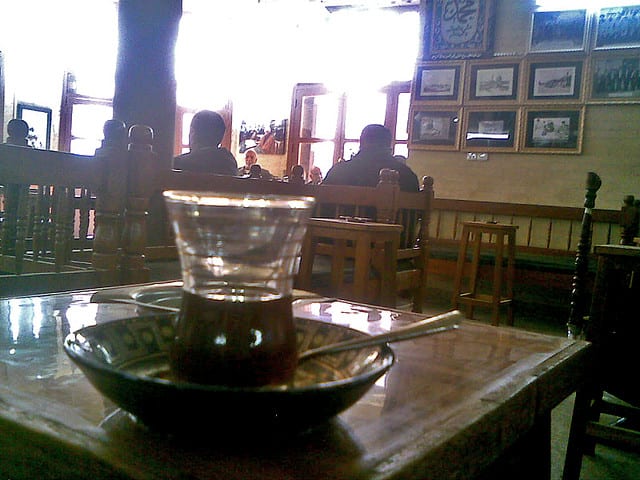
Friday and Saturday form the weekend, and Friday in particular is given over to family lunches, mosque attendance for those who observe it, and a visit to the coffeehouse or the market. Football is followed with real intensity nationwide, watched at home or in cafés with the same enthusiasm regardless of team. Coffeehouses, some of them, like Baghdad's Shahbandar Café, open for over a century, remain the classic setting for unhurried free time: a glass of tea, a backgammon board, and no expectation of moving quickly. In the Kurdistan Region, weekend trips to the cooler mountain towns are a common way to escape the summer heat of the lowlands.
A visitor's ordinary day
Since 28 February 2026 Iraq's territory and airspace have been caught up in the war between the United States and Israel and Iran; air travel across the region has been disrupted, and most Western governments advise against all or all-but-essential travel to much of federal Iraq. Iraq runs largely on cash, with US dollars accepted for larger purchases and Iraqi dinars for everyday spending; foreign cards work in few places outside international hotels. Expect the hum, or the sudden silence, of generators switching on as the state supply cuts out — locals are used to the pattern, but a visitor will not be. Checkpoints are a routine part of road travel between cities, adding time rather than representing anything unusual. Shops and souks generally open by mid-morning and run into the evening outside Friday prayer hours, and a hired car with driver, arranged in advance through a hotel or local contact, is the standard way to cover longer distances, since rail is slow and the Baghdad-Basra line is the only fully operational route.
What to take away
What defines an ordinary day in Iraq is less any single tradition than how much everyday life still runs on family and improvisation rather than public systems built to last — a large household under one roof, a souk in place of a supermarket, and, when the state's own power fails, a private generator down the street that keeps the lights on anyway.