Daily Life · Iran
Iran: The Rules Change at the Doorstep
A household life of slow tea and three generations under one roof, a public life governed by a compulsory dress code and a currency nobody quotes by its official name, and a bazaar that still does the work of the country's real public square
By Worldlore Editorial · 30 September 2026
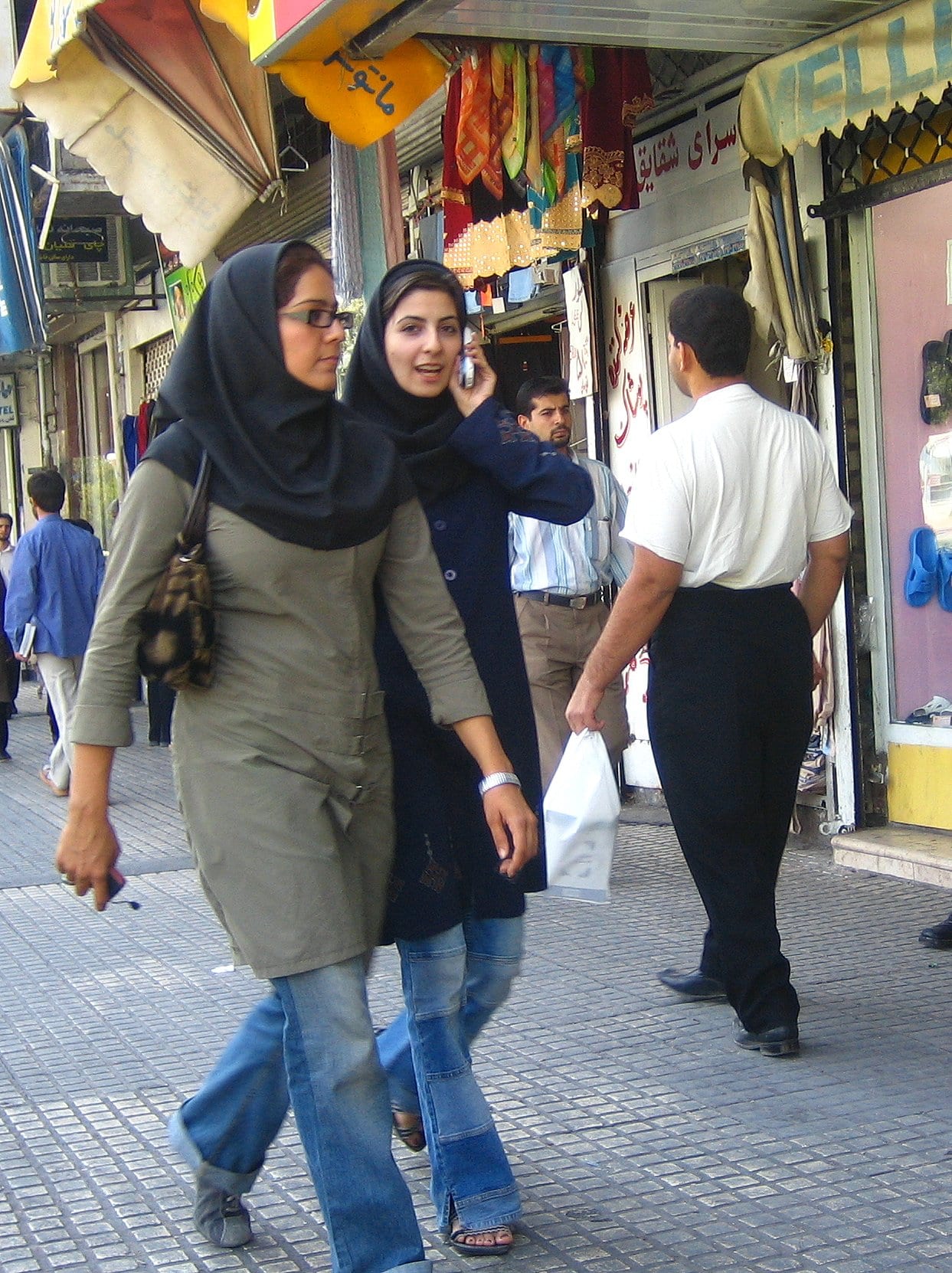
An ordinary day in Iran runs on two different sets of rules, one for the street and one for the home. Outside the front door, a compulsory dress code governs how women appear in public, unevenly enforced by patrols, cameras and fines but never entirely absent. Inside it, the household is where most of the country's actual social life happens: tea poured slowly rather than drunk quickly, three generations often within reach of each other, and prices discussed in a currency, the toman, that has not been Iran's official money since 1932. Between the two sits the bazaar, doing more of the everyday economy's work than any shopping centre, and the calls to prayer, which in Shia Iran usually sound three times a day, marking the hours from mosques in every city and village. Since 28 February 2026 that ordinary pattern has also been shaped by war with the United States and Israel: strikes have hit targets across the country, schools closed after the first strikes, and the internet has been cut for long stretches.
Family and home life
Iranian households have shrunk sharply over the past two generations, to closer to three or four people today, and the nuclear family has become the norm rather than the extended one. Even so, it remains common, especially outside the largest cities, for a newly married couple to live with or very near the husband's parents while they establish themselves, and grown children maintain close, frequent contact with parents and siblings well into adulthood. The home functions as a genuine private space, in a way the street does not: the dress code that applies in public is not enforced indoors, and hosting relatives and friends at home, over tea, fruit and sweets, is a far bigger part of social life than eating out.
Work, school and the rhythm of the day
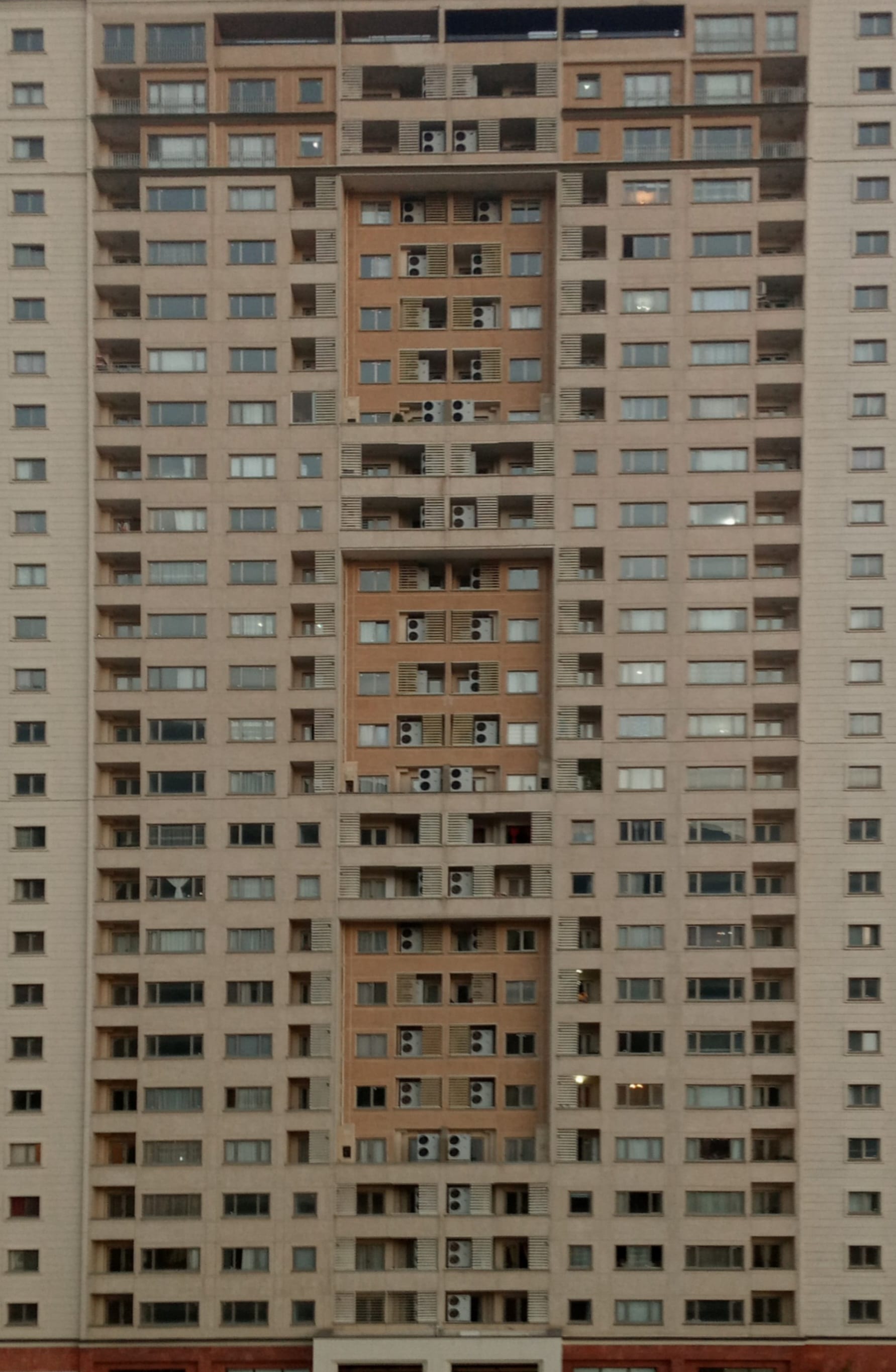
The working week runs Saturday to Thursday, with Thursday a half day for most public offices and a day off for schools, and Friday, the Muslim holy day, as the one full day off; a 2024 parliamentary vote to shift to a full Friday-Saturday weekend was rejected by the Guardian Council as contrary to Islamic law, and the debate has continued. Boys and girls attend separate schools from the start of primary education, a system in place since shortly after the 1979 revolution, with the school day often running from morning until early afternoon. Despite Iran's young population being highly educated and Iranian women making up a large share of university graduates, the World Bank puts female labour-force participation at only around 14 percent, one of the lowest rates in the world and far below the roughly 70 percent for men — a striking gap between how educated Iranian women are and how many are formally employed. Much everyday commerce, from clothing to household goods, still runs through small family-owned shops and the bazaar rather than large chains, partly a legacy of decades of sanctions and economic isolation.
Community life and public spaces
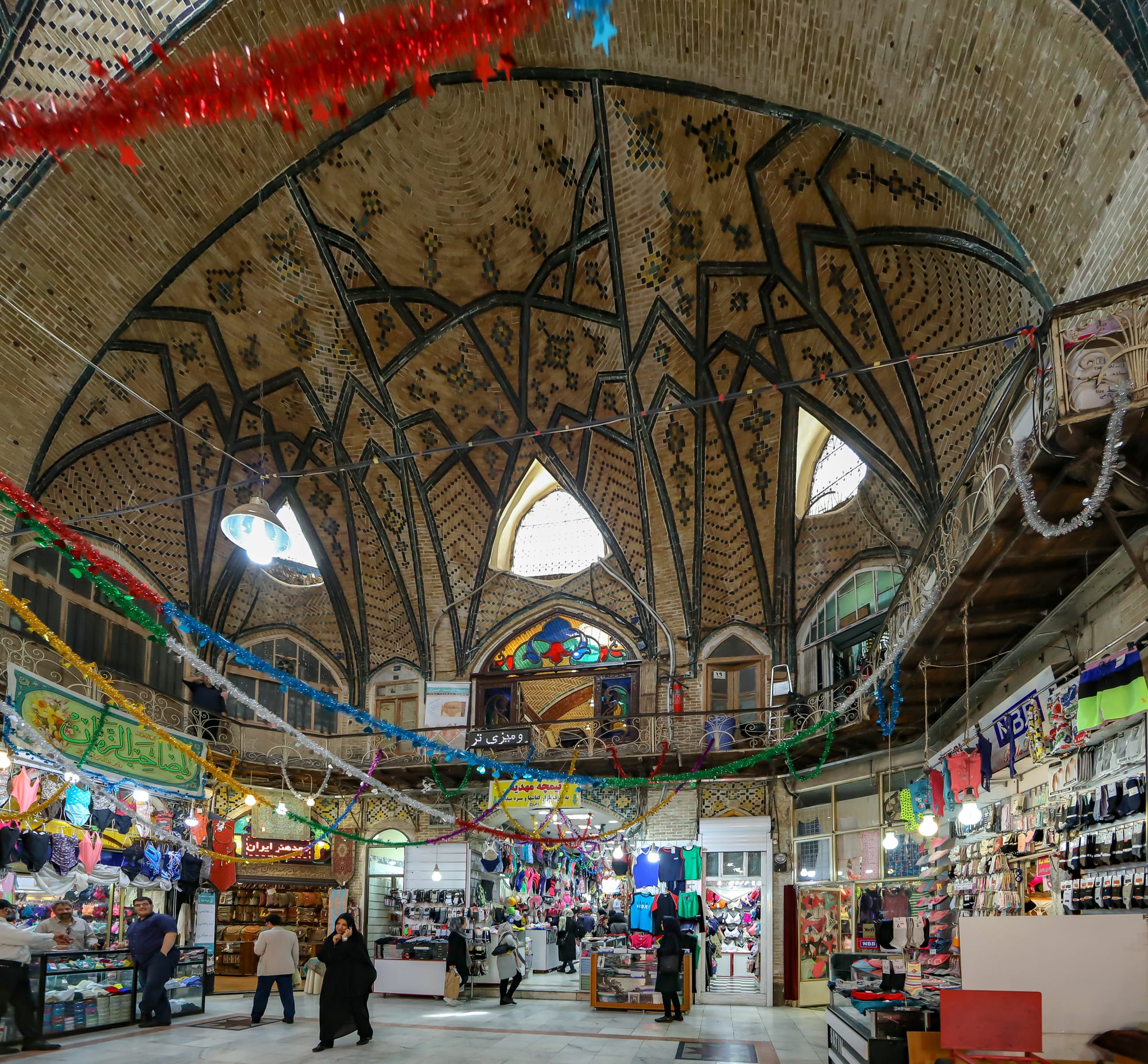
The bazaar remains the country's real public square: Tehran's Grand Bazaar alone spans more than ten kilometres of vaulted brick corridors, organised by trade, with its own mosques, guesthouses and banks built into the network, and equivalents anchor commerce in every sizeable town. Mosques draw men and women for five daily prayers and are woven into neighbourhood life beyond worship. Public transport carries much of the country's daily movement — Tehran's metro reserves carriages at each end of its trains for women, and city buses have separate sections for women — and the enforcement of the dress code is most visible in exactly these public spaces: police patrols, and increasingly surveillance cameras and business inspections, target streets, shops and cafés rather than private homes.
Free time and weekends
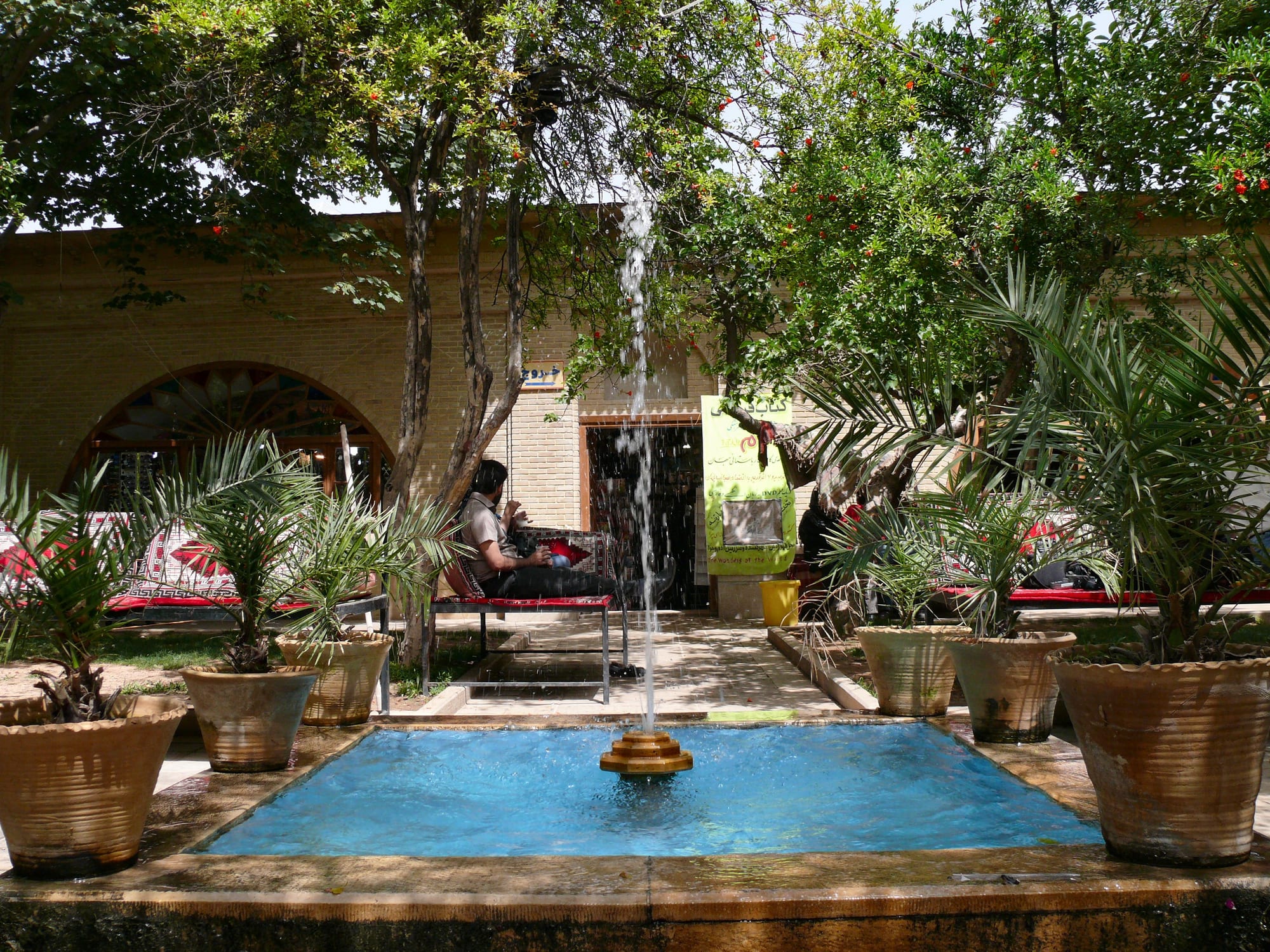
Friday is the shared day off nationwide, and it typically centres on extended-family lunches that run long into the afternoon, along with visits to parks, gardens and, where the budget allows, picnics outside the city. Nowruz, the Persian new year at the spring equinox, is the year's major holiday, bringing a holiday period of about two weeks built around family visits. Tea houses, or chaikhaneh, set in gardens or courtyards, remain a classic way to spend a free afternoon, sitting for an hour or more over tea rather than a quick coffee. In winter, ski resorts within easy reach of Tehran, such as Dizin, about 70 kilometres north of the city, draw crowds to the Alborz mountains, a detail that surprises many visitors who don't associate Iran with skiing.
A visitor's ordinary day
Since the war began in February 2026, foreign governments have advised against all travel to Iran and aviation has been disrupted. In ordinary times Iran runs on cash: foreign bank cards do not work because of sanctions, so travellers bring euros or US dollars to change locally, and should always clarify whether a quoted price is in rials or tomans before paying. A headscarf and loose clothing covering the arms and legs are required by law for all women in public, visitors included. Shops and bazaars generally open by mid-morning and stay open into the evening most days, with Friday quieter than the rest of the week. Alcohol is banned for Muslims and is not sold openly, so tea, doogh (a savoury yoghurt drink) and fresh juices fill the role a bar or café might elsewhere. Cities have metros, buses and cheap taxis, while a hired car with driver is the common way to cover longer distances between towns.
What to take away
What shapes an ordinary day in Iran is less any single custom than the line between the two worlds: a private, family-centred life indoors that runs at its own unhurried pace, and a public one lived under rules — on dress, on money, on what the state permits — that a visitor has to learn quickly just to get through the day.