Culture & Customs · Iran
Iran: The Ritual of Insisting
A courtesy of offers made, refused and made again, a book of poetry kept beside the Quran, and a calendar that runs from springtime bonfires to a month of mourning
By Worldlore Editorial · 30 September 2026
Two people reach a doorway at the same moment. "Please, after you," says one. "No, I couldn't — after you," replies the other, and the exchange goes back and forth, each gesturing the other forward, until one finally gives way and steps through. A few minutes later, a host offers tea; the guest declines, the host insists, the guest declines again, and only on the third offer is the glass accepted. To an outsider the scene can look like indecision. In Iran it is something closer to choreography — taarof, a courtesy built on making others feel honoured by placing oneself second, and a key to much of how Iranians behave towards one another.
Faith, identity and values
Islam is the official religion, and the constitution names Twelver Shia Islam as the religion of the state. Official figures record almost the entire population as Muslim, most of them Shia, although independent surveys suggest that personal belief and practice vary widely, with observance strongest among older Iranians. Three minority faiths — Zoroastrians, Jews and Christians — are recognised in the constitution and hold reserved seats in parliament. Other groups, including Baha'is, have no such recognition and, according to Cultural Atlas, face discrimination in education, employment and the courts.
Alongside faith sits a strong sense of Persian cultural identity, rooted in language and above all in poetry. Iran is also home to many ethnic groups, among them Kurds, Arabs, Baluch and Turkic-speaking peoples, and "Persian" strictly describes one ethnicity and its language rather than every citizen. Pride and dignity matter a great deal: people guard their own and their family's reputation carefully, yet boasting is frowned on, and a show of humility is expected alongside that pride. Education and intellect are highly valued, and a person's standing may rest on family, learning, wealth and connections.
Cultural Atlas also describes a divide between zaher, the outward face a person shows in public, and baten, the inner self kept for home and trusted company. Many Iranians keep their private views and habits out of public view, in part because public life is governed by state rules on dress, behaviour and expression.
Taarof sits at the centre of all of this. Cultural Atlas describes it as a system of verbal and non-verbal politeness in which people make others feel valued by appearing secondary themselves. Offers are made generously and refused politely, often more than once; a shopkeeper may insist that nothing need be paid, and a friend may say that something borrowed need not be returned. These words are ritual courtesies and are not meant to be taken at face value — the polite response is to protest just as graciously, and the goods are of course paid for. Language itself carries the same humility: formal speech replaces a plain "come" with "honour us", and a speaker may refer to themselves with self-effacing terms rather than a simple "I". The ritual loosens among close friends, and a genuine offer usually becomes clear through persistence: if it is repeated after two or three refusals, it is meant.
Greetings and meeting people
"Salam" is the everyday greeting, and it is considered respectful for the person of lower status, or simply the person who wishes to show respect, to greet first. Elders are greeted before others. In more formal settings, people are addressed with a title and their surname — agha for a man and khanom for a woman — or with a professional title such as doctor, until invited to use first names.
Handshakes are made with the right hand. Between men and women, a handshake happens only if the woman offers her hand first, and many people avoid touching the opposite sex at all. A common alternative is for a man to place his right hand over his heart and give a slight nod or bow, a gesture a visitor can return. Friends of the same sex often greet with two or three kisses on the cheek. Between men and women, eye contact is often lowered as a sign of modesty, and a casual smile at a stranger of the opposite sex can be misread. Among peers, by contrast, direct eye contact signals sincerity.
Communication tends to be indirect. A request that cannot be met is more likely to receive "I'll see what I can do" than a blunt no, and points are often made through stories, proverbs or lines of poetry. Some gestures carry different meanings from those in the West: the thumbs-up sign is considered rude, pointing with a finger is disrespectful, and showing the soles of the feet or resting feet on furniture is improper.
Hospitality and being a guest
Hospitality is taken seriously, and invitations to a home are common. Guests usually bring a small gift — pastries, sweets or flowers are typical — which is wrapped with care and presented modestly. In keeping with taarof, the recipient may decline at first before accepting, often with both hands, and gifts are generally not opened in front of the giver. Alcohol and pork should never be given as presents.
Shoes are removed when the host is not wearing them indoors. Where people sit on the floor or on cushions, it is impolite to stretch the legs out towards other guests or elders, and guests are expected to arrive on time.
At the table, a guest is expected to try everything offered. Food will be pressed on the guest repeatedly, and it is polite to protest a little before accepting a second or third helping; taking a modest first portion leaves room for these later offers. Finishing the plate shows appreciation, but a host may keep serving, and it may be necessary to say clearly and more than once that one is full. The right hand is used for passing and receiving things. Leaving is its own ritual: goodbyes are often long, the host may urge the guest to stay, and a guest may need to insist politely before being allowed to go.
Festivals and life's big moments
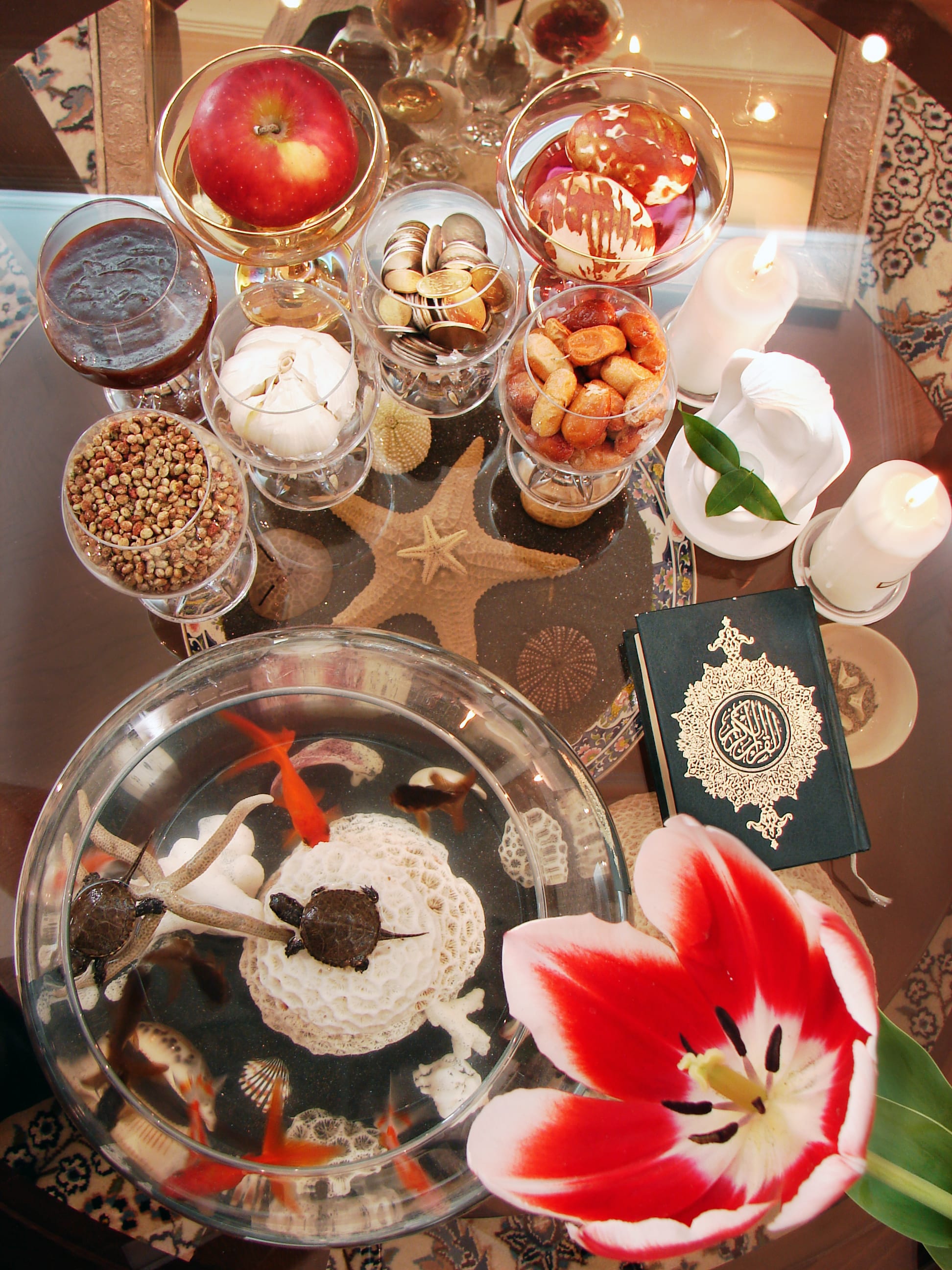
Nowruz, the Persian New Year at the spring equinox, is the most important celebration of the year and is on UNESCO's list of intangible cultural heritage as a tradition shared with several neighbouring countries. Before it arrives, homes are given a thorough spring clean. On the evening before the last Wednesday of the old year comes Chaharshanbe Suri, when people light bonfires and jump over them as a symbol of leaving the past behind. Families set out the haft-sin, a table of seven items whose names begin with the Persian letter sin — among them sprouted grains, garlic and apples, each carrying a wish for the year ahead — often with a mirror, candles, coins and a book of poetry or the Quran. The first days of the year are spent visiting relatives, starting with elders, and exchanging gifts. On the thirteenth day, Sizdah Bedar, families head outdoors for picnics, since staying indoors on that day is considered unlucky.
Yalda, the longest night of the year at the winter solstice, is also on UNESCO's list. Families gather at the homes of elders and stay up late eating red fruits such as pomegranates and watermelon and reading poetry, especially Hafez.
The Islamic lunar calendar brings a very different mood. During the month of Muharram, and above all on Tasua and Ashura, its ninth and tenth days, Shia Muslims mourn the death of Imam Hussein, grandson of the Prophet Muhammad, at Karbala. Black cloth is hung across streets and passageways, mourners dressed in black walk in processions, and gatherings feature rhythmic chest-beating and elegies. Food, known as nazri, is cooked and handed out free to neighbours and passers-by as a religious offering. Tasua and Ashura are public holidays. During Ramadan, eating, drinking and smoking in public during daylight hours are prohibited by law, visitors included.
A marriage begins with the aqd, the ceremony at which the marriage contract is formalised. It takes place before the sofreh aqd, a decorated cloth spread on the floor and laid with symbolic objects: a mirror and a pair of candelabra representing light and the couple's shared future, alongside bread, eggs, nuts, sweets, honey, coins and a copy of the Quran. The couple sit facing the mirror, and by tradition the first thing the groom sees in it is the reflection of his bride. A separate wedding celebration, the arusi, often follows.
Mourning follows set stages. After a death, relatives and friends gather at the grave on the seventh day, when sweets such as halva and dates are served, and again on the fortieth day, known as chehelom, when a meal is shared. A further gathering marks the first anniversary. Black is the colour of mourning.
Arts, crafts and music
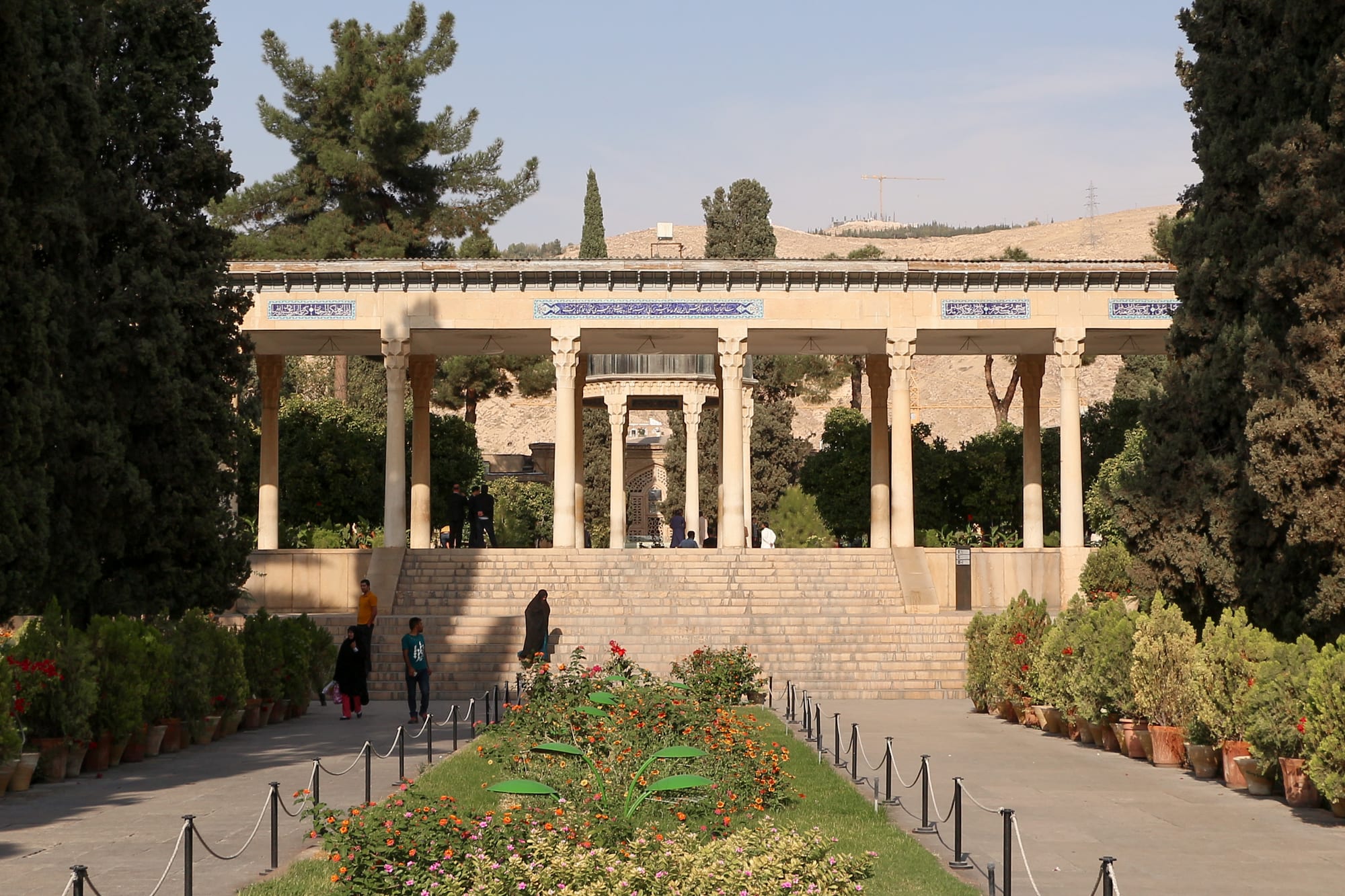
Poetry is the art Iranians hold closest. The works of the great classical poets are quoted in ordinary conversation, learned by heart and argued over, and their tombs draw steady streams of visitors. Storytelling has a performing tradition of its own: naqqali, in which a single narrator recites episodes from Persian epics with voice and gesture, is on UNESCO's list of heritage in need of urgent safeguarding.
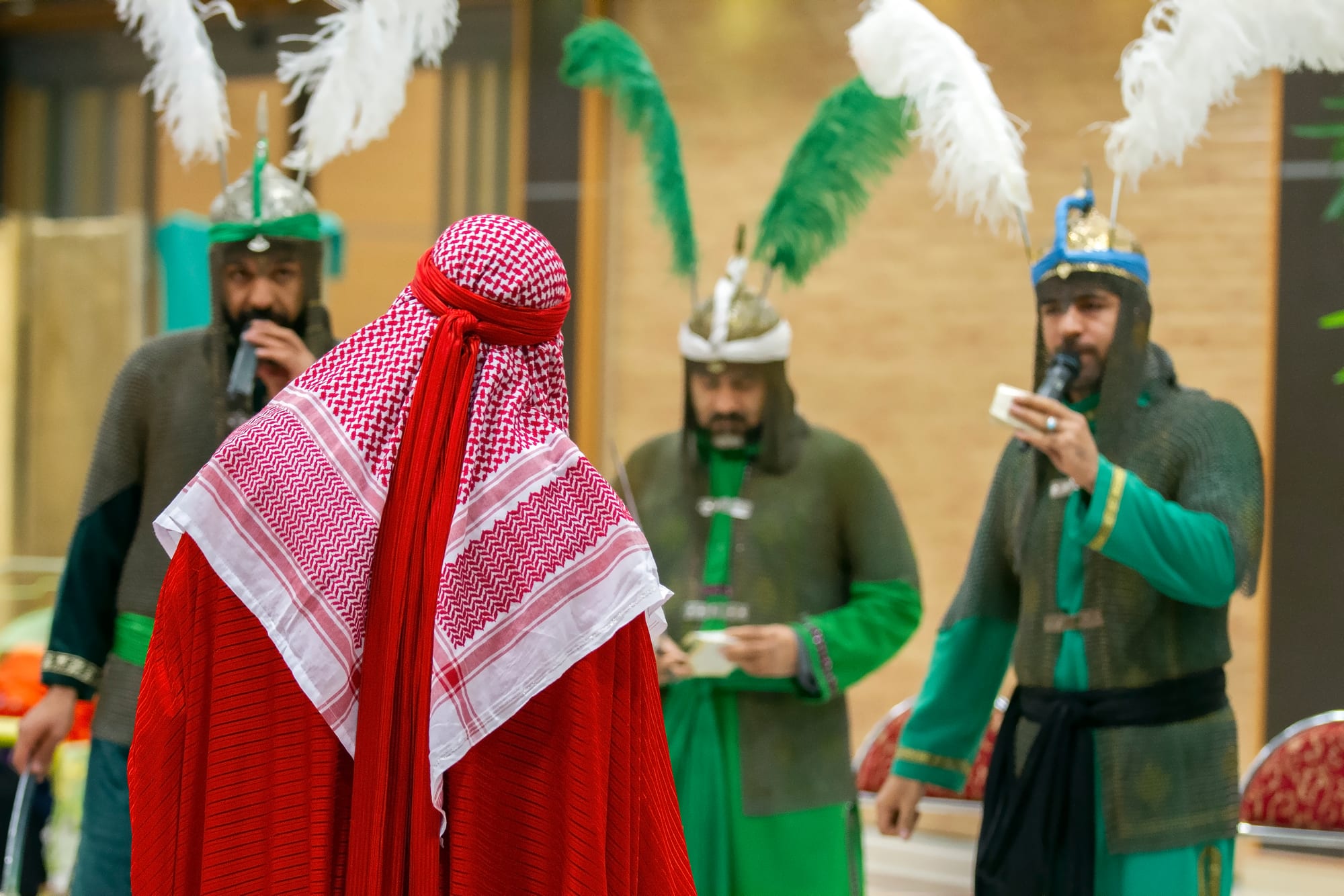
Ta'zieh, the ritual drama most closely linked to Muharram, is also on UNESCO's list. Its performances combine poetry, music, song and movement on bare stages, relying on symbolism and conventions that audiences know well. All performers are men, including those who play female roles, and most are amateurs who take part for spiritual rather than financial reward.
Classical Persian music is built on the radif, a large body of traditional melodies passed from master to student and recognised by UNESCO. The kamancheh and the oud are among the instruments whose making and playing are on the same list, as are the pahlevani and zoorkhaneh rituals of traditional athletic training and chogan, a horse-riding game accompanied by music and storytelling.
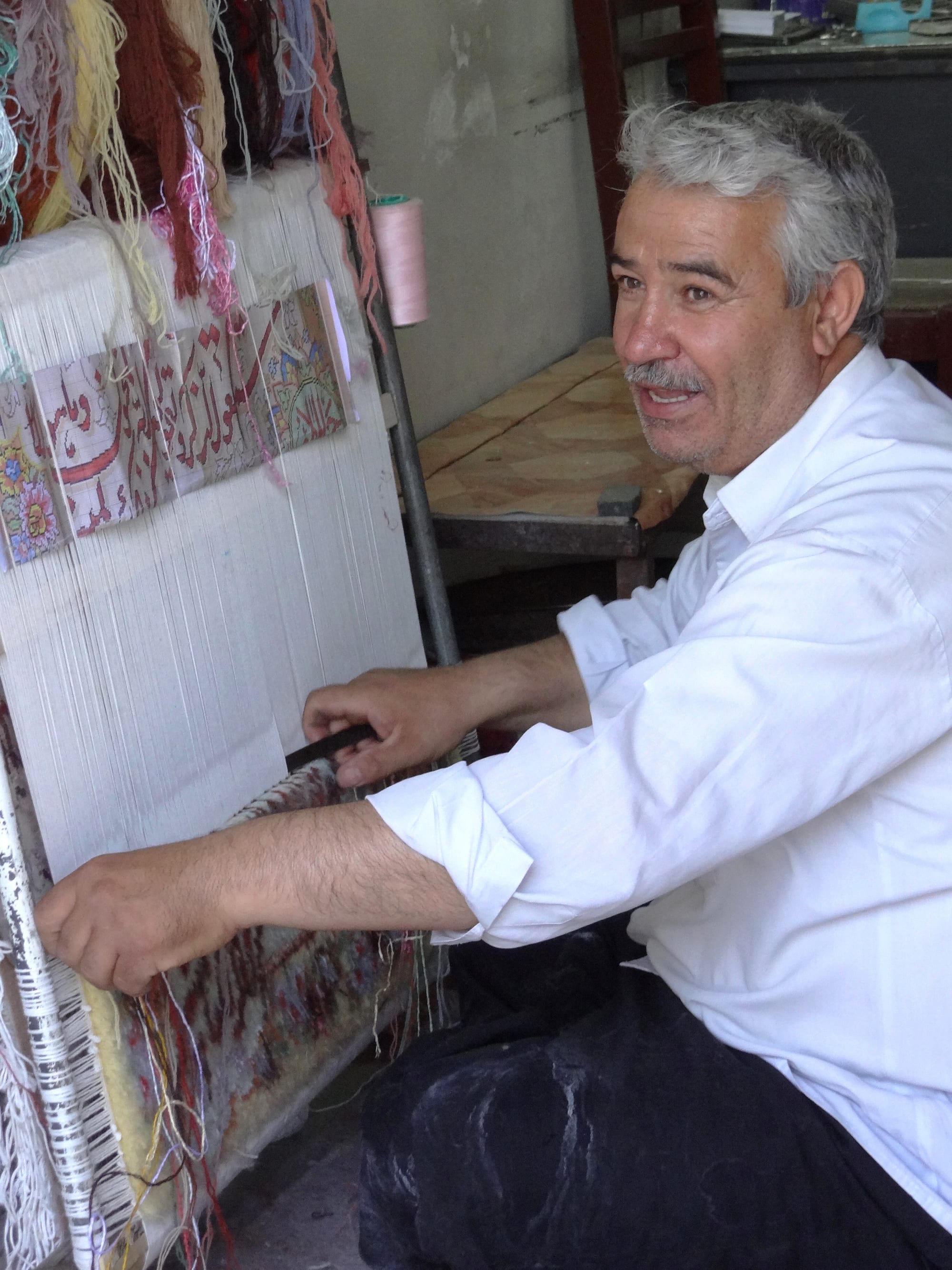
Carpet weaving remains the best-known craft, and the traditional skills of two weaving traditions, those of Kashan and of Fars, are on UNESCO's list. Many other arts are still taught and practised: miniature painting, manuscript illumination, calligraphy, mirror-work in architecture and the production of silk. Handcrafted textiles and jewellery often carry stories worth asking about.
Dos and don'ts for visitors
- Do check the latest government travel advice before any trip; Iran has been at war with the United States and Israel since February 2026, foreign governments advise against all travel, and dual nationals and journalists face a particular risk of arbitrary arrest and detention.
- Do follow the dress rules: by law, all women, including foreign visitors, must cover their hair in public, and loose clothing covering the arms and legs is expected; enforcement has varied, but the law still applies. Men should not wear shorts or sleeveless tops.
- Do decline an offer politely once or twice before accepting, and expect to insist when full or ready to leave.
- Do wait for a woman to offer her hand before shaking it; a hand on the heart and a slight nod is a respectful alternative.
- Do bring a small wrapped gift such as pastries or flowers when invited to a home, and never alcohol.
- Don't bring alcohol into the country, where it is illegal, and don't eat, drink or smoke in public during daylight hours in Ramadan.
- Don't use the thumbs-up sign, point with a finger, show the soles of the feet or show affection in public.
- Don't photograph security forces, government buildings, military sites or airports, stay away from demonstrations, ask before photographing people, and avoid criticising religion or religious figures.
What to take away
Iranian courtesy can seem elaborate at first, but beneath the ritual of offering and refusing lies a simple and generous intention — to honour the other person — and visitors who meet it with patience and good grace are rarely left wanting for kindness.