History · Iran
Iran: The Persian Plateau
One of the world's oldest civilisations — the Achaemenid empire, the Islamic conquest and a Persian literary golden age, the Shia turn under the Safavids, a 1953 coup, and the 1979 revolution that made it a theocracy
By Worldlore Editorial · 19 September 2026
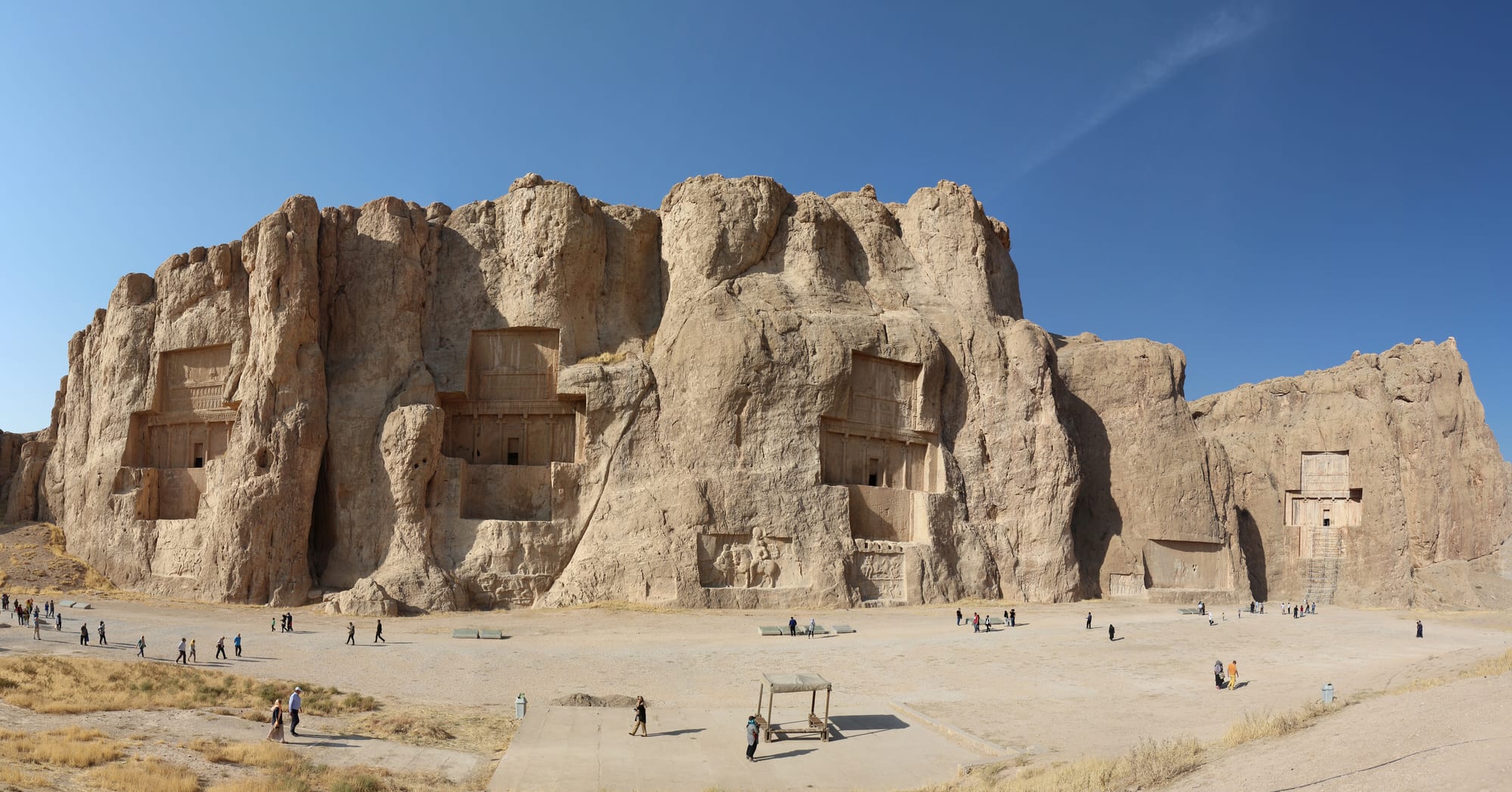
A civilisation with a long memory
Iran occupies the high, dry plateau between the Caspian Sea and the Persian Gulf, and it carries one of the world's longest continuous cultural traditions — a language, a poetry, and a sense of imperial and civilisational continuity stretching back 2,500 years. It has been, at different times, the seat of world empires, a province of the caliphate, the fountainhead of Persianate culture across half of Asia, and the demographic heart of Shia Islam. Since 1979 it has been a theocratic republic, a form of government it invented.
A short history
- c. 550 BCE
The Achaemenids
Cyrus the Great founds the first Persian world empire.
- 330 BCE
Alexander
Persepolis is burned; Greek, then Parthian and Sasanian rule follow.
- 633–651 CE
The Islamic conquest
The Sasanian empire falls to the Arabs.
- c. 900–1200
The Persian golden age
Ferdowsi, Avicenna, Khayyam; Persian becomes a prestige language.
- 1219–1258
Mongol invasions
Massive destruction; the Ilkhanate.
- 1501
The Safavids
Iran is converted to Twelver Shia Islam.
- 1925
The Pahlavis
Reza Khan founds a new dynasty and modernises hard.
- 1953
The coup
The CIA and MI6 overthrow Prime Minister Mossadegh.
- 1979
The Islamic Revolution
The monarchy falls; Khomeini establishes the Islamic Republic.
- 1980–1988
The Iran–Iraq War
Around a million dead; ends at the original border.
Empire and faith
Indo-Iranian peoples entered the plateau around 1000 BCE. Cyrus the Great built the Achaemenid Empire from about 550 BCE — the largest the world had yet seen, stretching from the Indus to the Aegean — and became known for administrative tolerance.
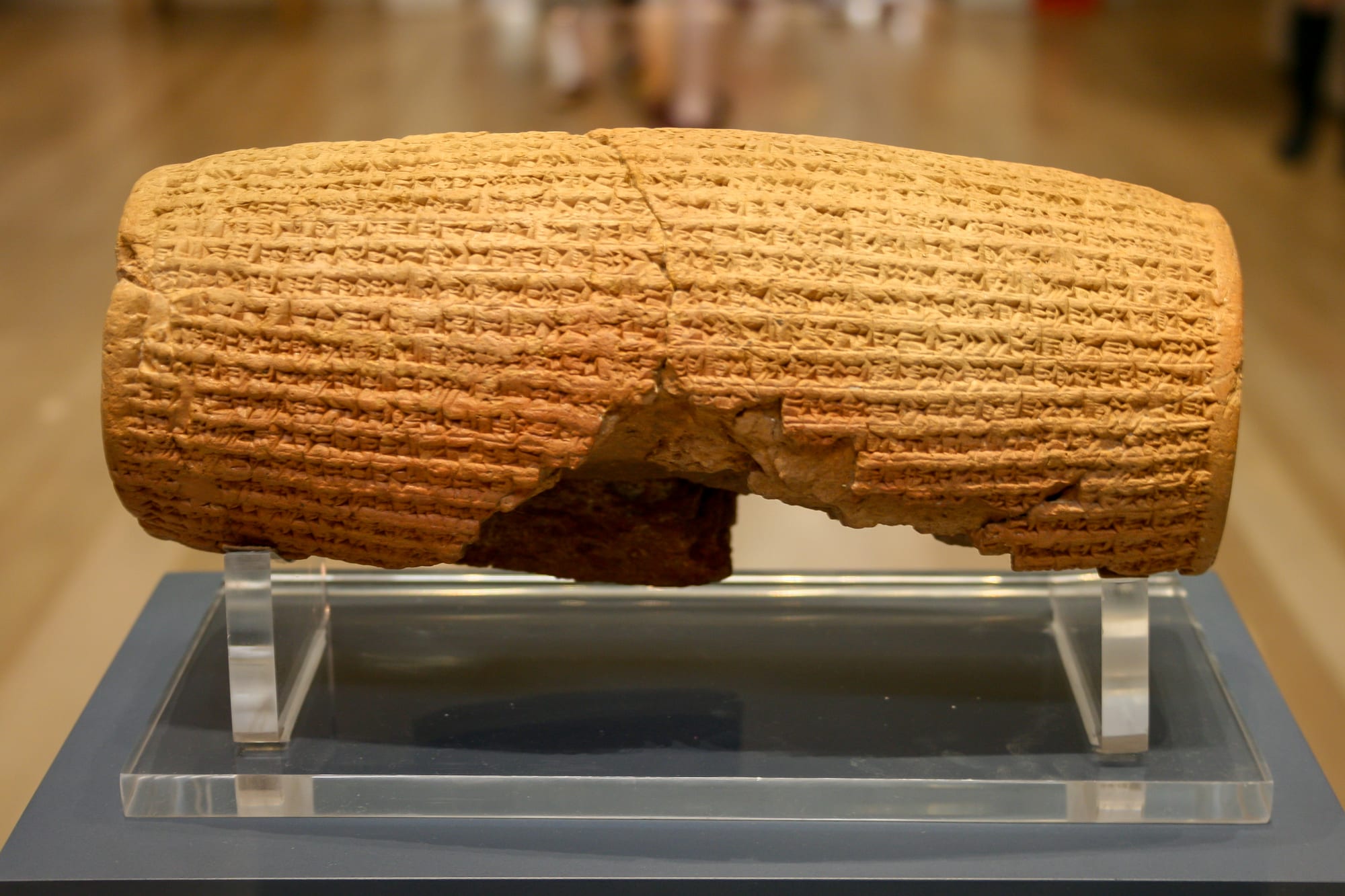
After Alexander came the Parthians, Rome's great eastern rival, and then the Sasanians (224–651 CE), a revived Persian empire with a Zoroastrian state church. The Arab conquest in the 7th century ended it, and Iran slowly became Muslim — but kept its language, reborn as New Persian, and its administrative and literary culture. The centuries around 900–1200 produced Ferdowsi's Shahnameh, the science of Avicenna and Al-Biruni, and the poetry of Khayyam, Rumi and Hafez, and made Persian the language of high culture from the Balkans to India.
Mongols, then the Shia turn
The Seljuk Turks, then the Mongols — Hulagu sacked Baghdad in 1258 — and then Timur swept across Iran, each leaving devastation. The decisive early-modern change came in 1501, when Shah Ismail founded the Safavid empire and forcibly converted Iran to Twelver Shia Islam, permanently distinguishing it from its Sunni Ottoman and Central Asian neighbours.
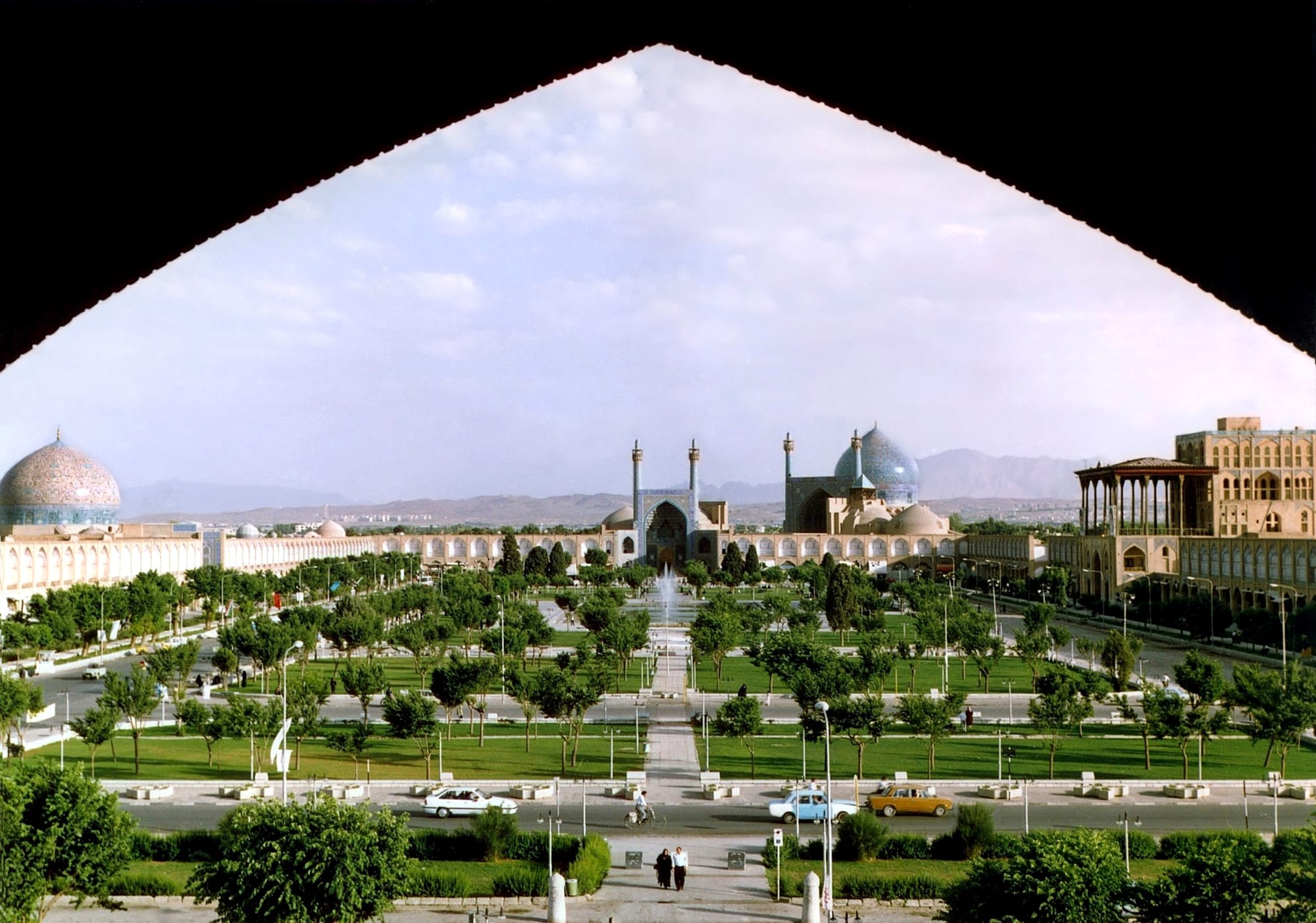
The Safavids peaked under Shah Abbas I, who rebuilt Isfahan as a showpiece capital. The dynasty collapsed when Afghans sacked Isfahan in 1722, and after the conquests of Nader Shah, the Qajar dynasty took over in 1789.
Decline, and foreign hands
The Qajar century was one of weakness. Iran lost the Caucasus to Russia, and by 1907 Britain and Russia had divided the country into spheres of influence. Oil was struck in 1908, and the Anglo-Persian Oil Company took control of it. A Constitutional Revolution in 1905–11 won a parliament, but it was undermined by foreign intervention.
In 1921 an army officer, Reza Khan, seized power, and in 1925 he founded the Pahlavi dynasty. Reza Shah modernised aggressively — army, railway, secular schools and courts, the unveiling of women, the suppression of the clergy — and had the country called "Iran" abroad. His pro-German tilt led Britain and the Soviet Union to invade in 1941 and replace him with his son, Mohammad Reza Pahlavi.
1953, and the Shah
After the war, the nationalist prime minister Mohammad Mossadegh nationalised the British-controlled oil company. Britain organised a boycott, and in 1953 the CIA and MI6 organised a coup that overthrew Mossadegh and restored the Shah's personal rule.
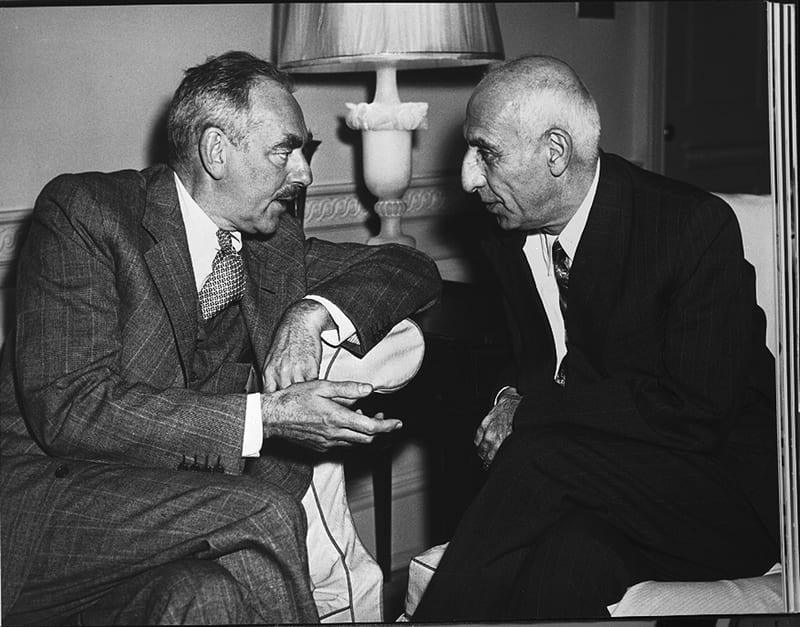
The Shah ruled for another quarter century on oil money, a US alliance, and the SAVAK secret police — with land reform and rapid growth on one side, and inequality, corruption, cultural dislocation and the repression of all opposition on the other. The exiled cleric Ayatollah Khomeini became the leading voice against him.
The Islamic Revolution, and the war
Through 1978 a broad coalition — Islamists, leftists, liberals, bazaar merchants — brought the country to a standstill with strikes and protests. The Shah fled in January 1979; Khomeini returned to enormous crowds; the monarchy fell on 11 February. A referendum created the Islamic Republic, with a Supreme Leader drawn from the clergy placed above the elected president and parliament. Khomeini's faction then crushed its former allies, and the 444-day US embassy hostage crisis severed relations with Washington.
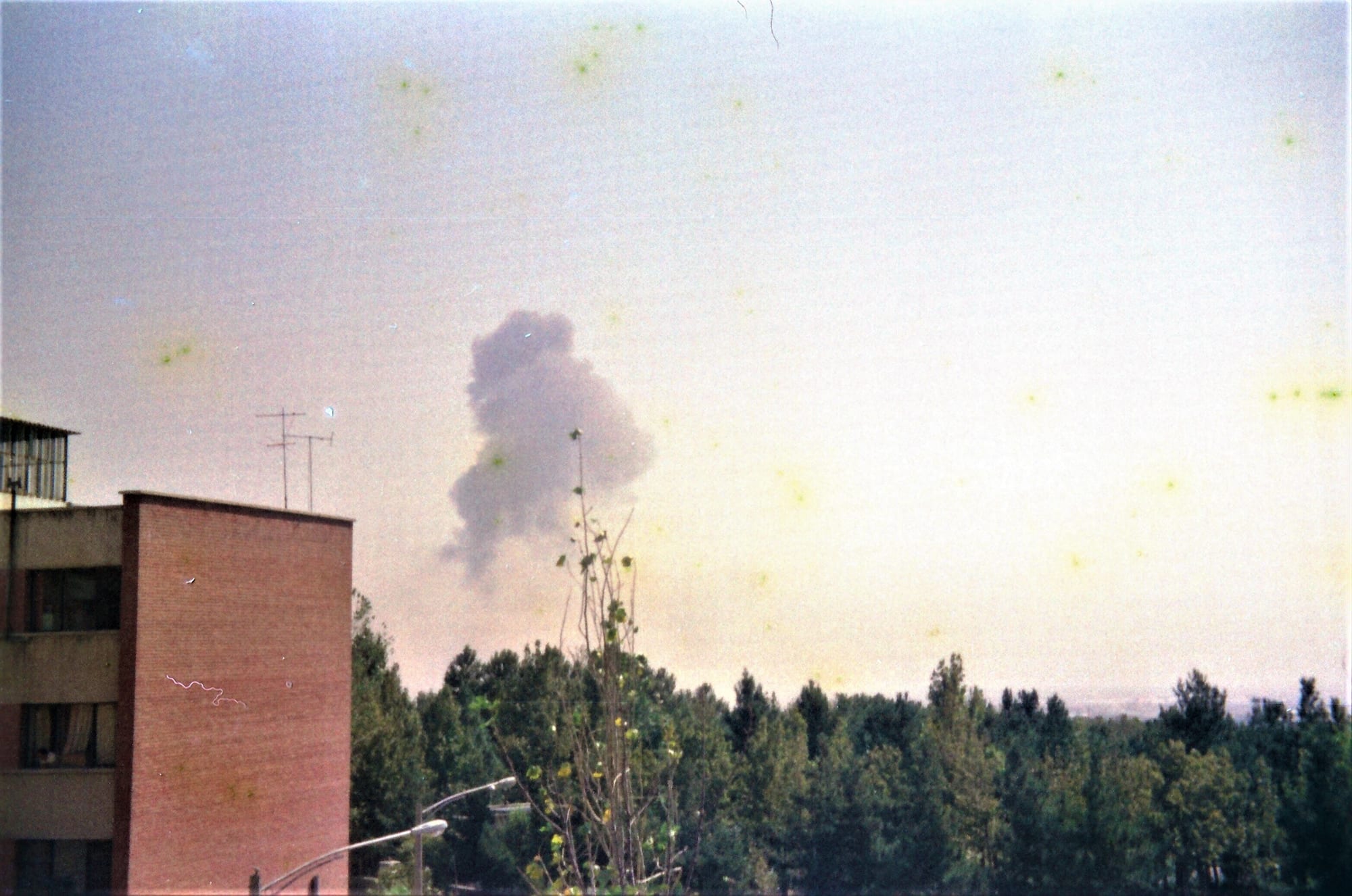
Saddam Hussein's Iraq invaded in 1980, hoping to exploit the revolutionary chaos. The war entrenched the Revolutionary Guards and a lasting siege mentality.
The Islamic Republic since
Reform movements — under President Khatami in the late 1990s, and the Green Movement protests of 2009 — have repeatedly been blocked or crushed by the hardline establishment. Iran's nuclear programme has brought heavy international sanctions, a 2015 deal that the United States abandoned in 2018, and, in 2025, direct exchanges of strikes with Israel and a US–Israeli bombing campaign against its nuclear sites. Waves of mass protest over the economy and repression — most recently the "Woman, Life, Freedom" uprising of 2022 — have met an aging leadership presiding over a young, disaffected population.
What Iran carries
Iran's rulers, whatever their ideology, have all drawn on the same deep well: a civilisation old enough that Persians can read poetry a thousand years old, and proud enough to have resisted being absorbed by the Arab, Turkic and Western worlds that surrounded and at times conquered it. The 1979 revolution fused that nationalism with Shia clericalism into a system with no precedent — and the tension between the theocracy and the society it governs is the central fact of Iran today.