History · Iceland
Iceland: The Island of the Sagas
Settled by Norse farmers in the 9th century, home to the oldest parliament and the medieval sagas — then six hard centuries under Norway and Denmark, independence in 1944, the Cod Wars, and a spectacular financial crash
By Worldlore Editorial · 10 September 2026
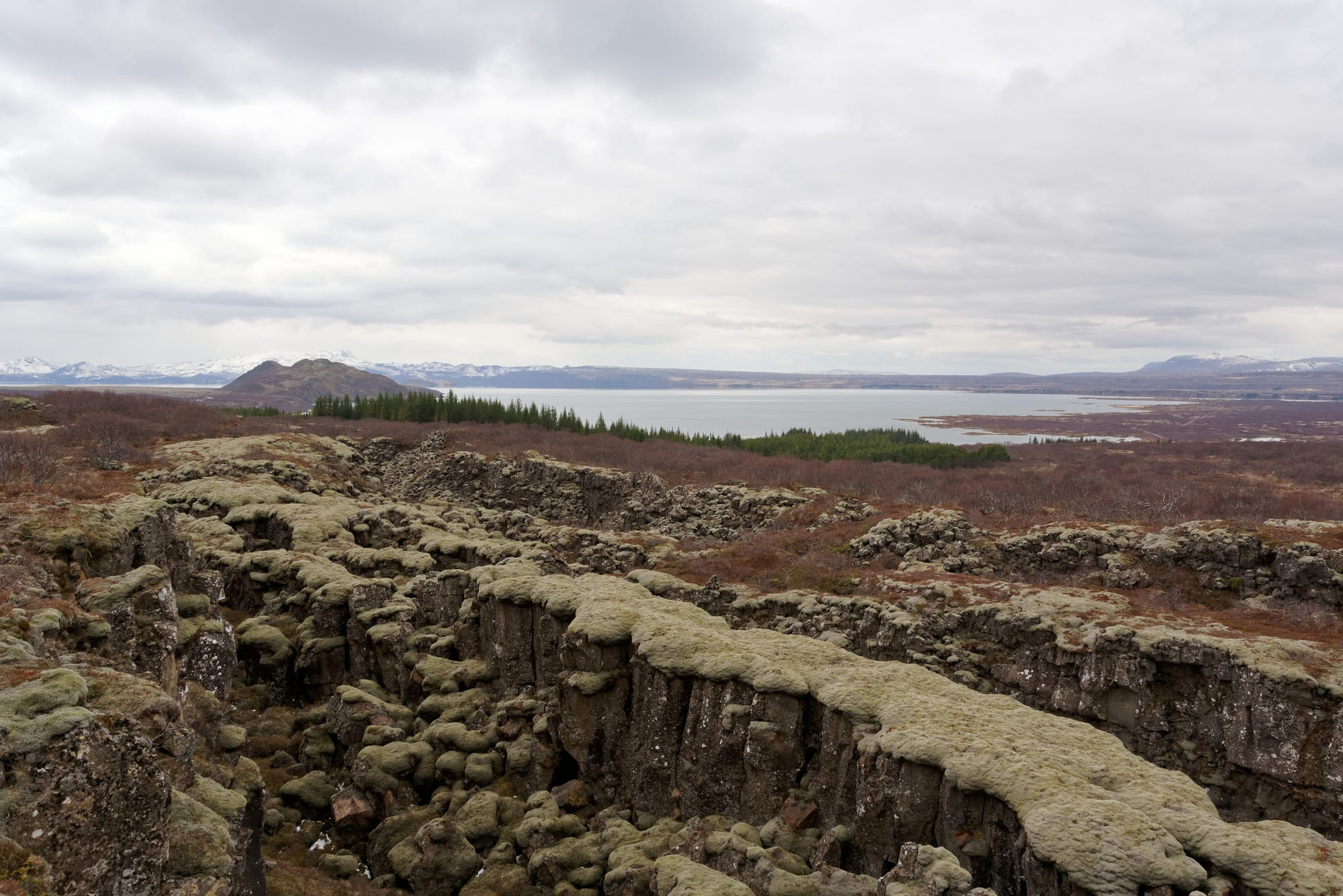
A small, remote, literate nation
Iceland is a volcanic island in the North Atlantic just below the Arctic Circle, with about 390,000 people, most of them around Reykjavík. It was one of the last large habitable places on Earth to be settled, and it did so within a single human lifespan in the late 9th century. Out of that settlement came two things Iceland is still known for: the Althing, often called the world's oldest parliament, and the sagas — a body of medieval prose literature with no real parallel anywhere.
A short history
- c. 870–930
The settlement
Norse farmers occupy the empty island.
- 930
The Althing
An assembly is founded at Þingvellir.
- 999/1000
Conversion
The Althing votes to adopt Christianity.
- 13th century
The sagas
Iceland's golden age of writing — and its civil war.
- 1262–1264
Submission to Norway
The Commonwealth ends.
- 1602–1787
The Danish monopoly
Trade is restricted to Danish merchants.
- 1783–1784
The Laki eruption
Famine kills a fifth of Icelanders.
- 1918
Sovereignty
Iceland becomes a kingdom in union with Denmark.
- 1944
The republic
Iceland declares full independence at Þingvellir.
- 2008
The crash
All three major banks collapse in a week.
The Commonwealth
Iceland was uninhabited, save perhaps a few Irish monks, when Norse settlers began arriving around 870 — from Norway and the Norse settlements of the British Isles, bringing enslaved Gaels with them. Within about sixty years the habitable land was claimed.
The society they built had no king and no government. The Althing, founded at Þingvellir in 930, was an annual assembly of chieftains and free men that made and declared law but had no power to enforce it — judgments were carried out, if at all, by the parties themselves. Around the year 1000 the Althing settled a brewing religious conflict by simply voting to accept Christianity.
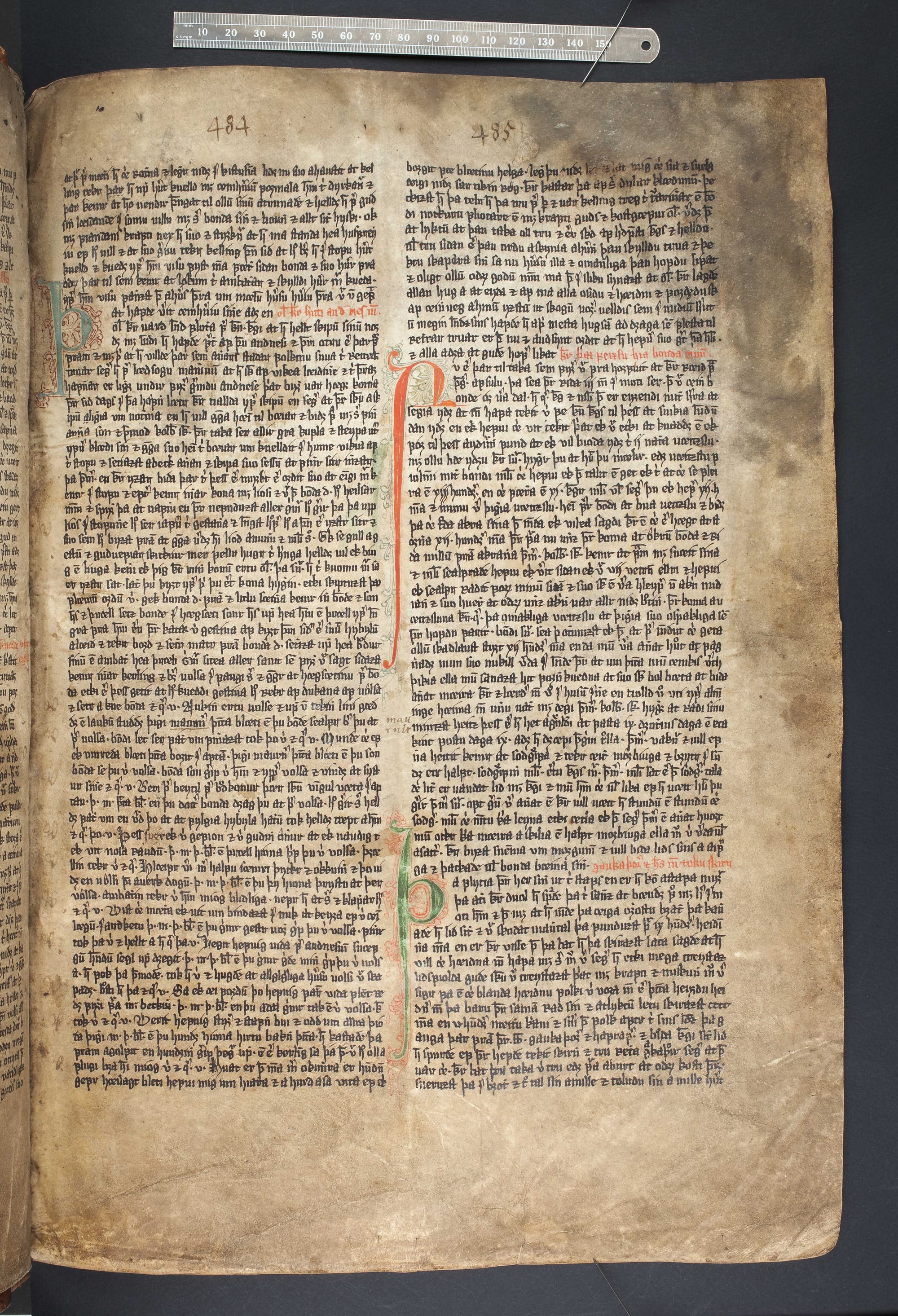
The 13th century was Iceland's literary golden age — and also the "Sturlung Era", when power concentrated in a few warring families and the Commonwealth tore itself apart.
Six centuries of subjection
Worn out by the feuding, the Icelandic chieftains submitted to the King of Norway in 1262–64. Iceland passed with Norway to the Danish crown and stayed Danish. The centuries that followed were hard: the Reformation was imposed from Copenhagen, a Danish trade monopoly from 1602 strangled the economy, Barbary corsairs abducted hundreds of Icelanders into slavery in 1627, and the Little Ice Age pressed on a society living at the edge of viability.
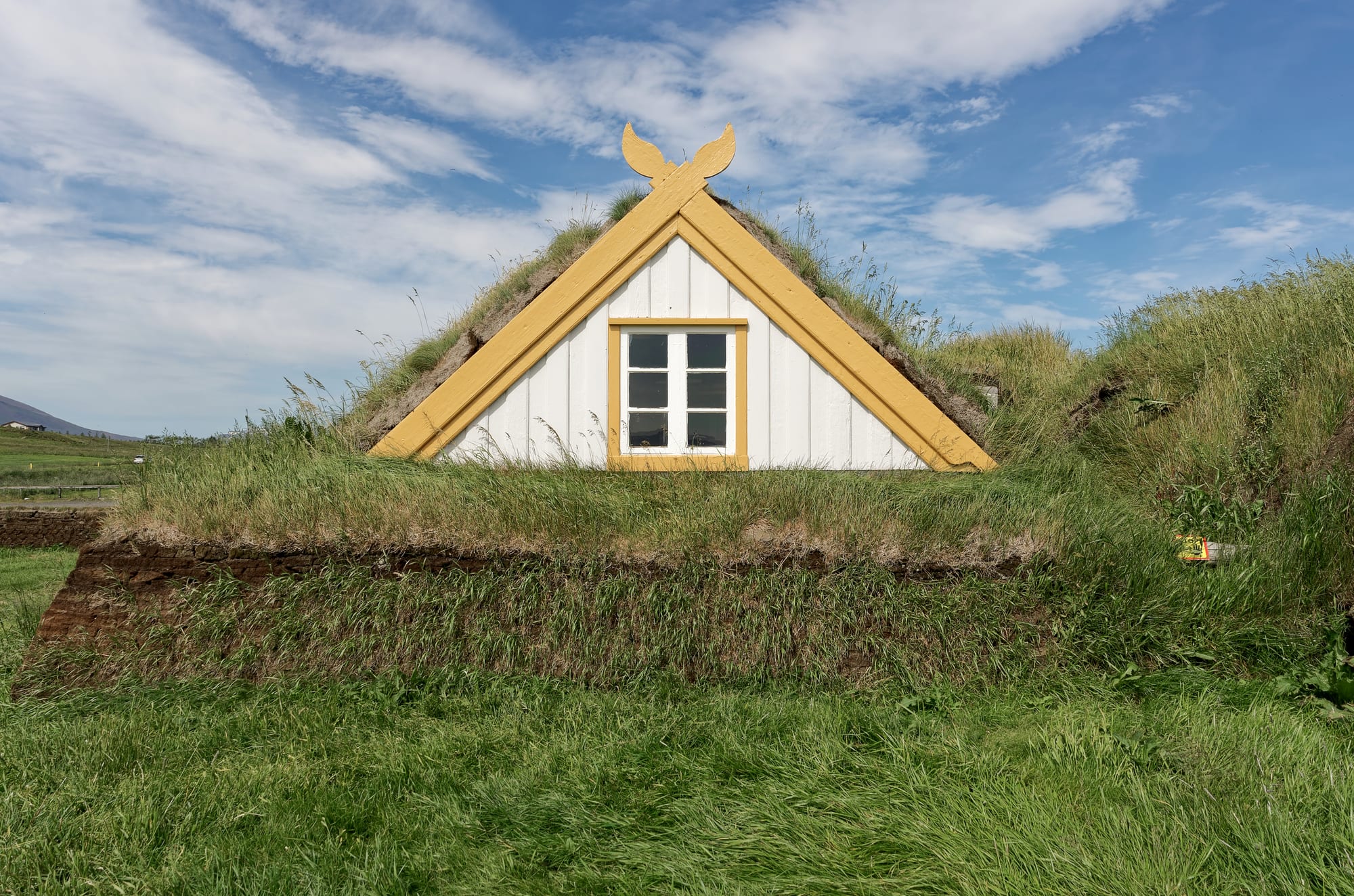
The worst blow was the Laki eruption of 1783–84: an eight-month fissure eruption whose fluorine and ash poisoned the livestock and brought famine that killed around a fifth of all Icelanders. Denmark briefly considered evacuating the island altogether.
Independence
A national movement grew in the 19th century under Jón Sigurðsson. The Althing, abolished in 1800, was revived in 1843; Iceland won a constitution and control of its finances in 1874, Home Rule in 1904, and, by the Act of Union of 1918, full sovereignty as a kingdom sharing the Danish monarch. When Germany occupied Denmark in 1940, the link was cut; Britain and then the United States occupied Iceland to keep Germany out, and the country prospered selling fish to wartime Britain. On 17 June 1944, at Þingvellir, Iceland declared a republic.
The Cod Wars, and the crash
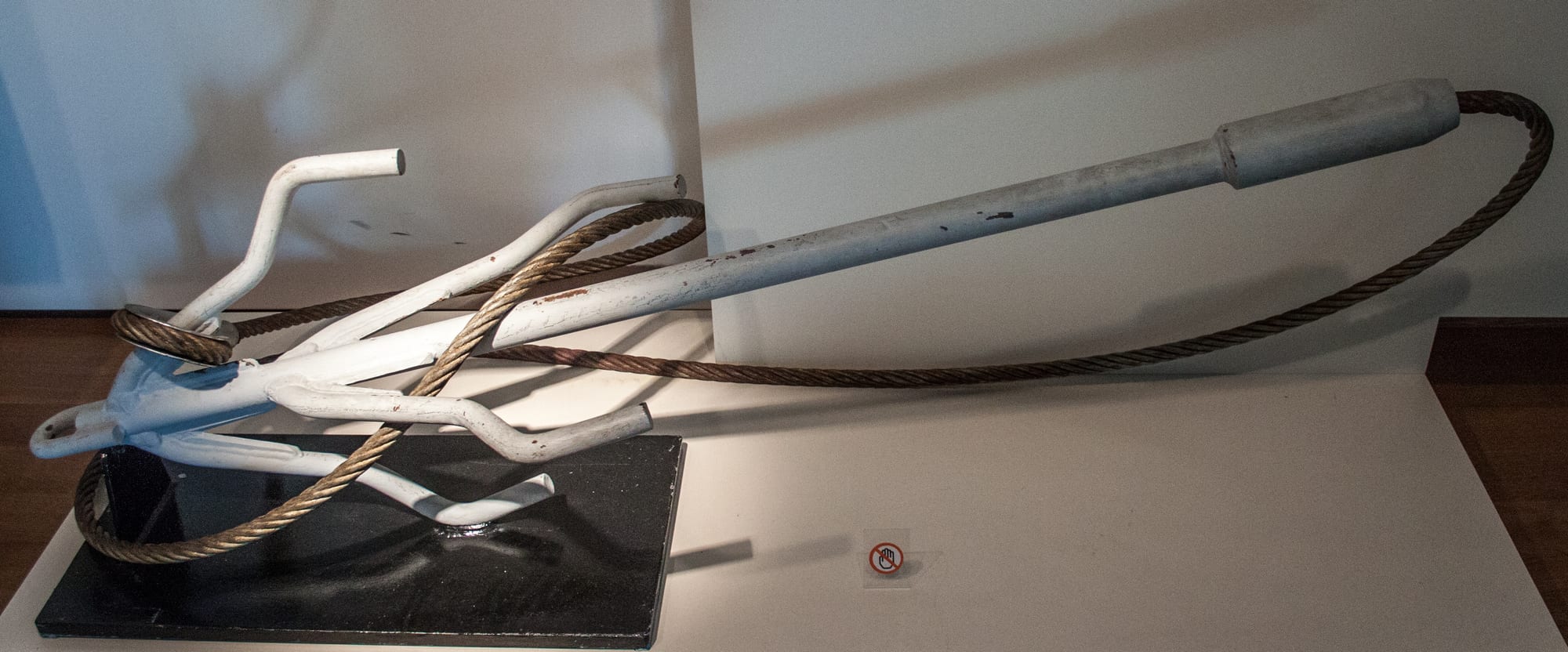
Iceland joined NATO in 1949 — to protests outside the Althing — and hosted a US base at Keflavík, but never built a military of its own. Between 1958 and 1976 it fought three "Cod Wars" with Britain, unilaterally extending its fishing limits to 12, then 50, then 200 nautical miles; Icelandic gunboats cut British trawl nets and ships were rammed.
Then finance. Iceland's three main banks, privatised in the early 2000s, expanded abroad until their assets were roughly ten times the country's economy. In October 2008 all three collapsed within a week — one of the largest banking failures ever relative to national size.
Recovery came fast, helped by a tourism boom that turned a few hundred thousand annual visitors into millions — an industry now central to the economy, alongside fishing and cheap geothermal power.
What Iceland carries
Iceland's founding institutions — an assembly with no ruler, and a literature written by farmers — still anchor its identity, and Icelanders can read the thousand-year-old sagas in something close to their own language. Between the Commonwealth and the republic lie six centuries of poverty and foreign rule that the small, modern, egalitarian country tends to skip past. The 2008 crash was a reminder of how exposed a place this size remains.