Daily Life · Iceland
Iceland: A Nation That Meets in the Water
A country small enough to be on first-name terms with itself, where the daily errand is a swim, the light swings from endless to almost none, and the sea still sets the pace of work
By Worldlore Editorial · 30 September 2026
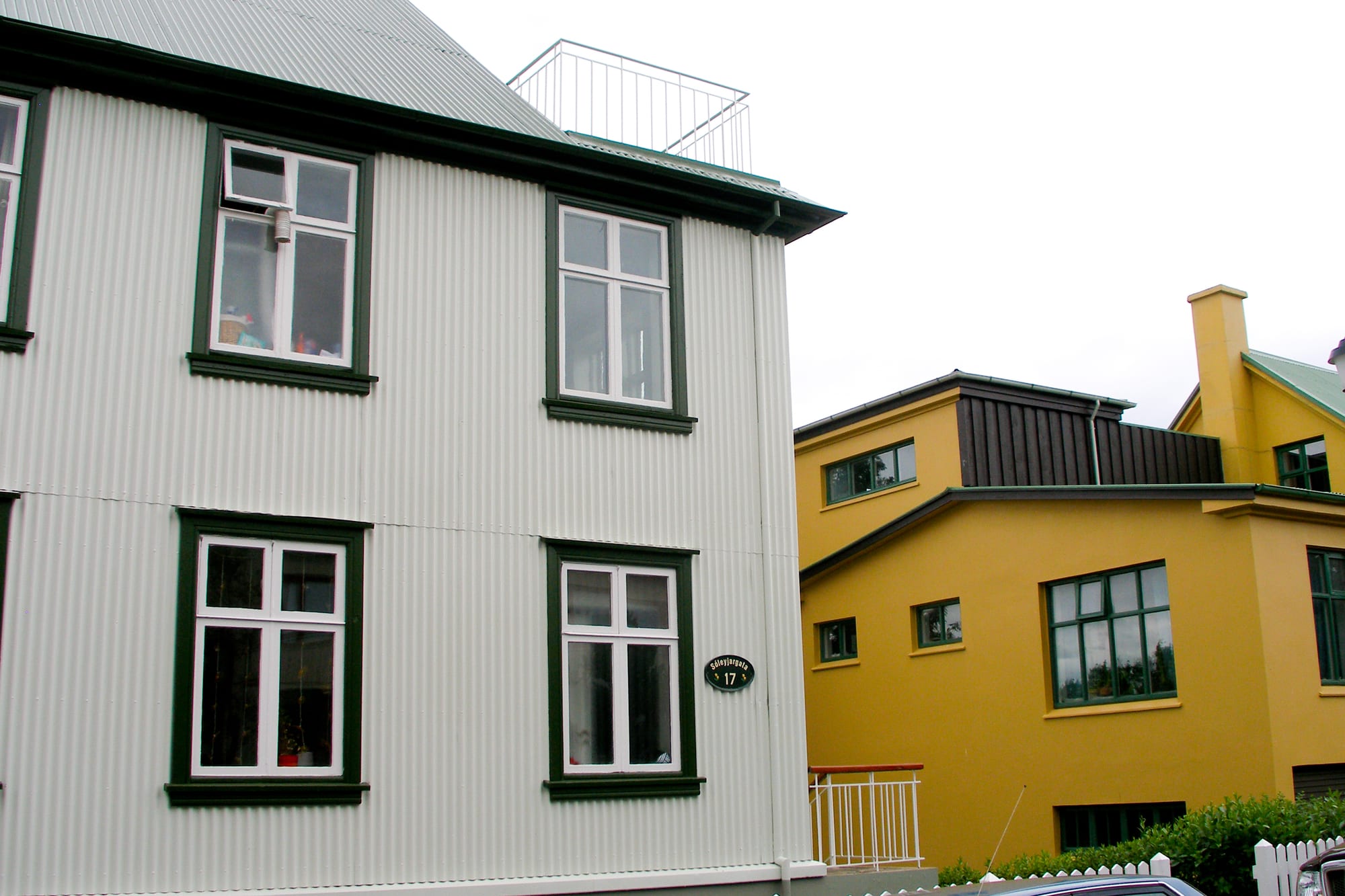
With a population of under 400,000 spread across an island the size of Kentucky, Iceland runs more like a large extended community than a conventional nation-state. People are addressed by their first name, even in official settings, because Icelandic surnames change with every generation. The weather and the light, not the clock, set much of the day's real rhythm, swinging from near-endless daylight in June to only a few hours of it in December. And for many people, somewhere in that rhythm, is a regular trip to the local pool.
Family and home life
Icelandic surnames are patronymic (or matronymic), built from a parent's first name plus -son or -dóttir, rather than a fixed family name passed down unchanged. Because that means many people share the same surname, Icelanders are addressed and listed by first name in the phone book, at school, at work and in official life generally. Households tend to be close and practical, and the high cost of housing and living shapes many family decisions.
Work, school and the rhythm of the day
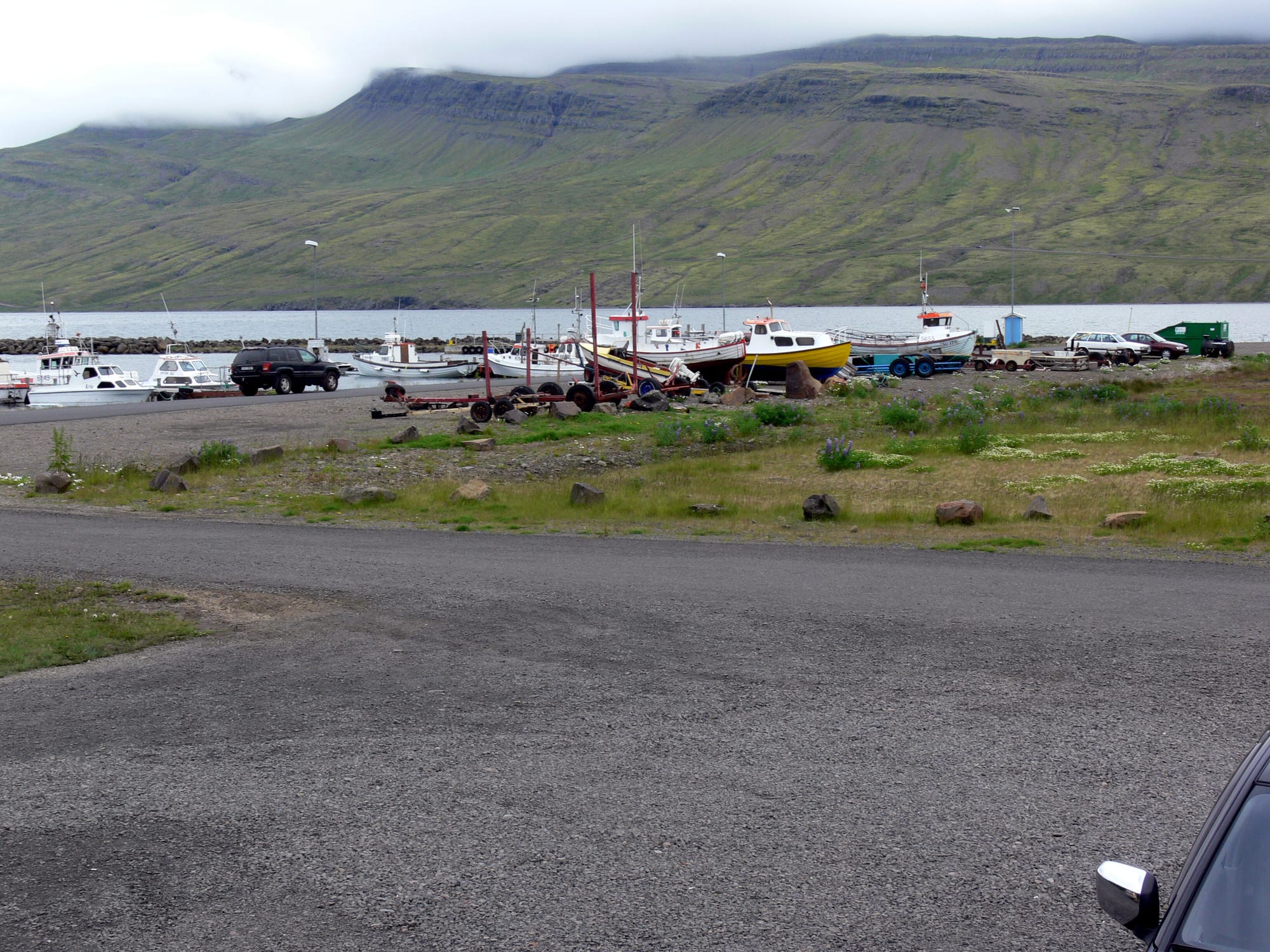
Fishing and fish processing remain a significant part of the economy outside the capital, alongside tourism, aluminium smelting and a growing tech sector, and coastal towns still organise much of their working life around the boats and the catch. The extreme swing in daylight hours shapes routines more than most countries: near round-the-clock light in midsummer makes long outdoor evenings normal, while the short, dark days of December push more of ordinary life indoors and under electric light. Nearly all heating and electricity comes from renewable geothermal and hydro power, and geothermal hot water heats most homes and, in Reykjavík, is piped under some streets and pavements to keep them free of ice in winter.
Community life and public spaces
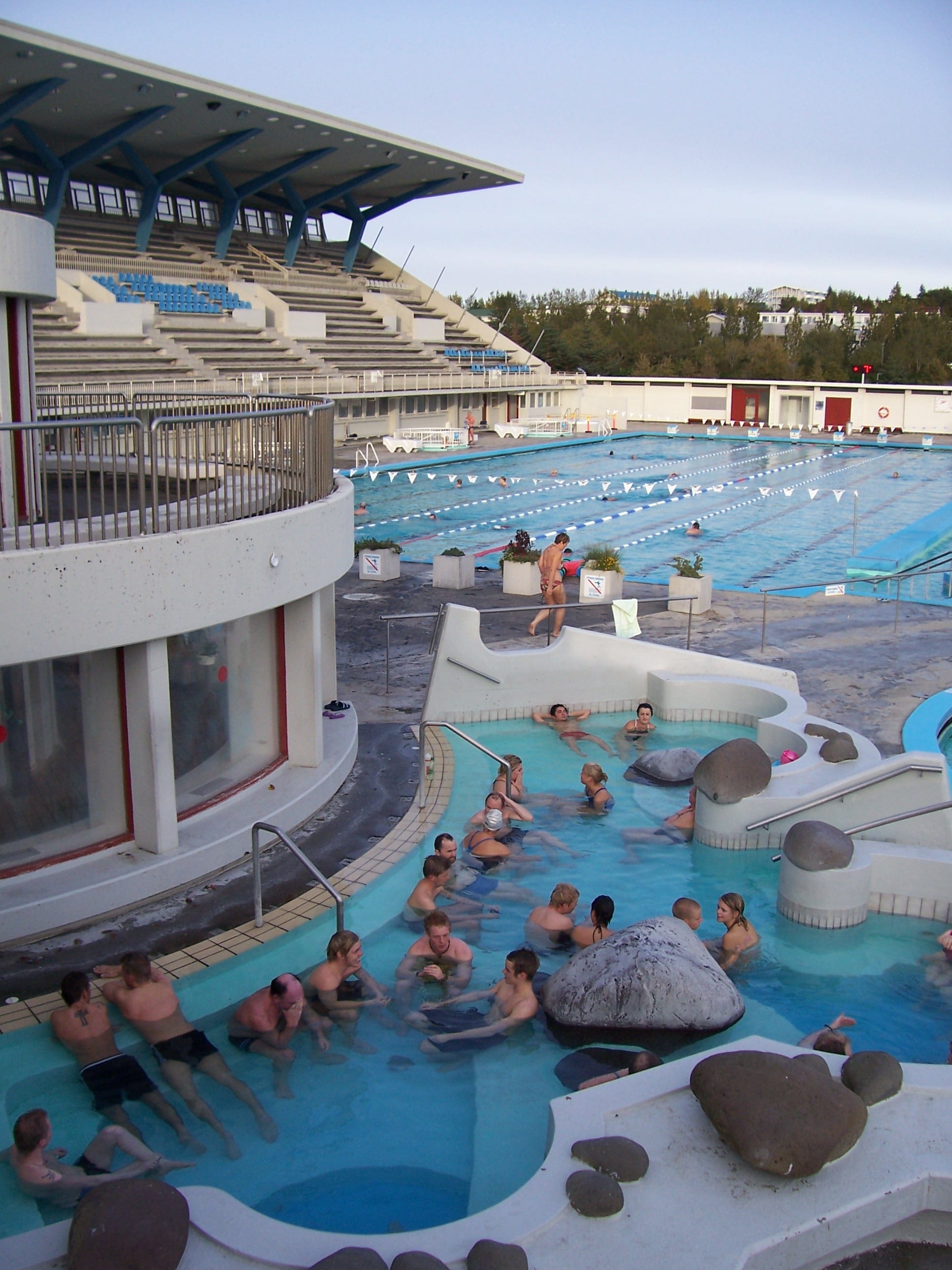
The geothermally heated swimming pool, not the pub or the church, is Iceland's real community hub: almost every town and city neighbourhood has one, usually with several hot pots alongside the lap pool, and people of every age go to swim laps, soak, and talk, many of them regularly. The small population means public life generally runs on personal acquaintance rather than anonymity.
Free time and weekends
Knitting the lopapeysa, Iceland's distinctive patterned wool sweater, remains a popular pastime. Reading is taken seriously nationwide: Iceland publishes more books per person than almost any other country, and the jólabókaflóð, or "Christmas book flood", when most of the year's new titles are released in the run-up to Christmas and exchanged as gifts on Christmas Eve, is a real, widely observed tradition rather than a marketing phrase. Weekends, when finances and weather allow, are often spent at a family or shared summer house away from town.
A visitor's ordinary day
Cards, including contactless, are used for almost everything, from parking to unattended petrol pumps, and carrying cash is rarely necessary. There is no train network, so a rental car or organised tours are the way to see anywhere beyond Reykjavík, and weather can change quickly enough that it is worth checking the daily forecast and road conditions before travelling. Prices for food, accommodation and activities are among the highest in Europe, so self-catering from a supermarket goes a long way. Days are long to plan around in June and short in December, and both affect how much can realistically be fitted in.
What to take away
An ordinary day in Iceland is shaped by scale as much as scenery: a population small enough to run on first names, a climate that swings between two extremes of light, and a simple, genuinely shared habit of meeting the neighbours in a hot pool rather than anywhere else.