History · Hungary
Hungary: The Magyar Kingdom in the Basin
A Uralic people who seized the Carpathian Basin in 895 — a medieval great power, cut in three by the Ottomans, ruled from Vienna, dismembered at Trianon, crushed in 1956, and today the EU's most defiant member
By Worldlore Editorial · 10 September 2026
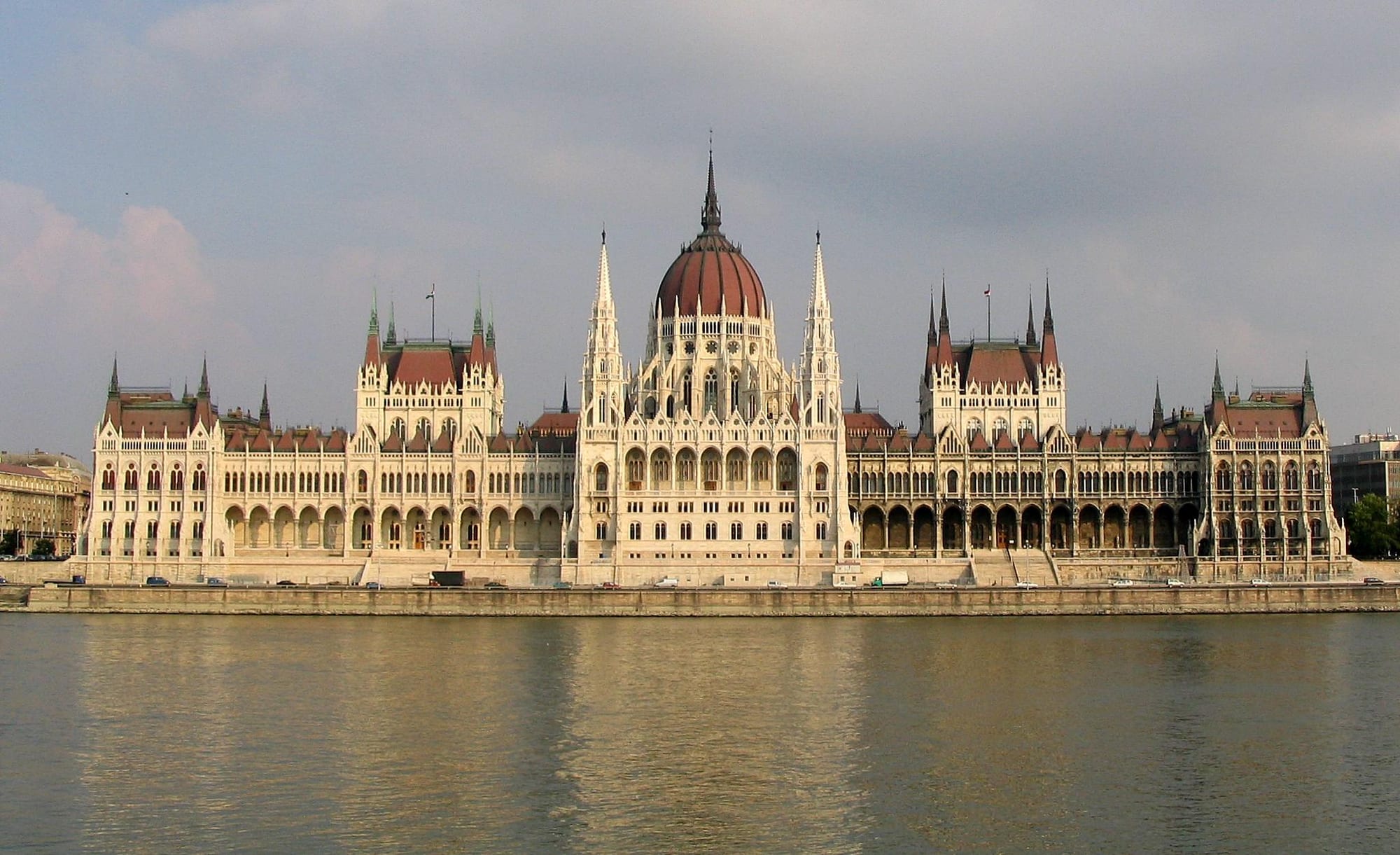
A people apart in the middle of Europe
The Hungarians — Magyars — speak a Uralic language with no close relatives among their neighbours, distantly connected to Finnish and Estonian. Their ancestors rode into the Carpathian Basin around 895 CE and never left. The kingdom they built was, for a few medieval centuries, a European great power; then it was cut into three by the Ottomans, absorbed by the Habsburgs, and, in 1920, stripped of two-thirds of its land. That last loss — the Treaty of Trianon — still defines Hungarian nationalism a century later.
A short history
- c. 895
The conquest
Seven Magyar tribes under Árpád occupy the Carpathian Basin.
- 1000/1001
The Christian kingdom
Stephen I is crowned with a papal crown.
- 1241–1242
Mongol invasion
Devastates the country; the Mongols then withdraw.
- 1458–1490
Matthias Corvinus
A Renaissance king and Hungary's medieval peak.
- 1526
Mohács
Ottoman victory; the kingdom splits three ways.
- 1686–1699
Habsburg reconquest
The Ottomans are driven out.
- 1867
The Compromise
Austria-Hungary is created.
- 1920
Trianon
Hungary loses two-thirds of its territory.
- 1944–1945
Occupation and Holocaust
Some 560,000 Hungarian Jews are murdered.
- 1956
Revolution
A national uprising is crushed by the Soviet Army.
- 1989
Transition
Hungary helps open the Iron Curtain.
Conquest and crown
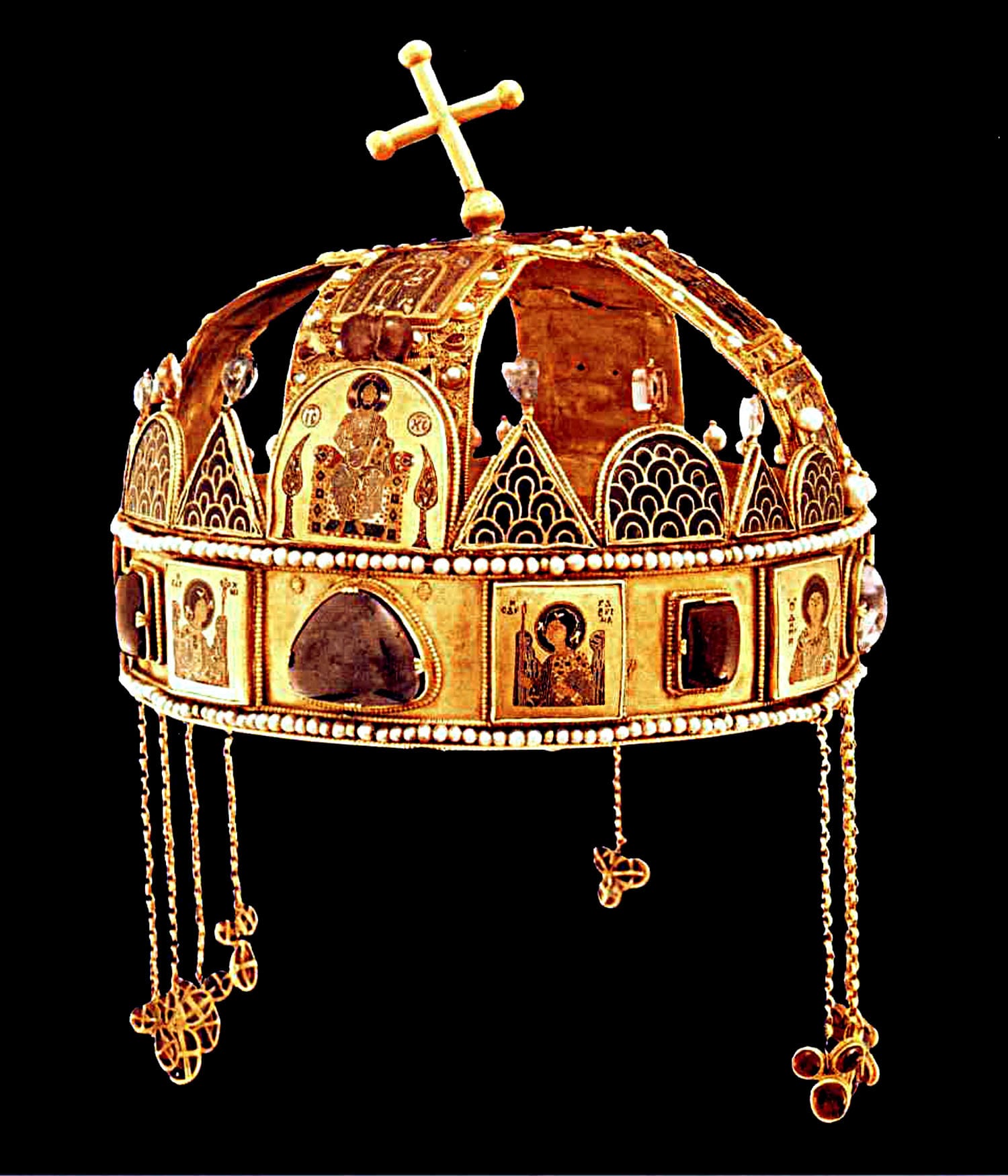
The land had been Roman Pannonia, then held by Huns, Avars and Slavs. Around 895 the Magyar tribes crossed the Carpathians and settled the basin, raiding across Europe until decisive defeats forced them to settle down. Grand Prince Géza and his son Stephen adopted Latin Christianity, and Stephen was crowned king around the year 1000 with a crown sent by the Pope. He built the state — counties, bishoprics — and was later made a saint; his "Holy Crown" became the legal embodiment of the nation itself.
The medieval kingdom
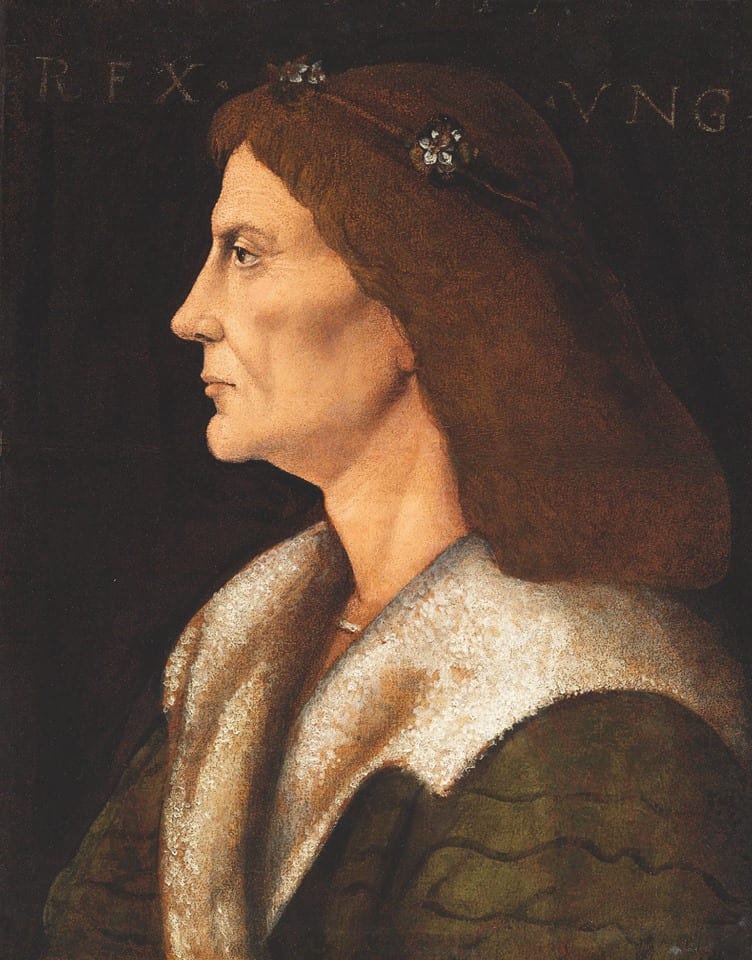
The Árpád dynasty ruled until 1301; a Mongol invasion in 1241 killed a large share of the population before the Mongols withdrew. Under later kings, and especially Matthias Corvinus, Hungary reached its medieval height.
Mohács and the three Hungaries
On 29 August 1526 an Ottoman army destroyed the Hungarian forces at Mohács, killing the king. Hungary split into three: a western and northern strip under the Habsburgs, who claimed the crown; the centre, including Buda, ruled directly by the Ottomans for about 150 years; and the Principality of Transylvania in the east, an autonomous Ottoman vassal that became a stronghold of Hungarian and Protestant culture.
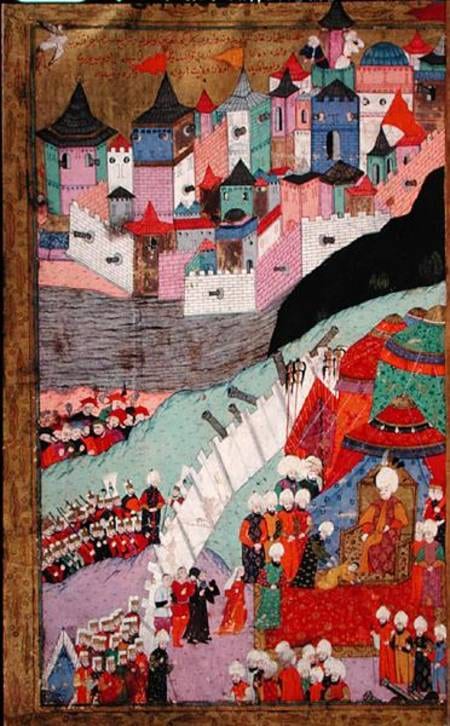
The Habsburgs and their allies drove the Ottomans out by the 1699 Treaty of Karlowitz, and Hungary was absorbed into the Habsburg Monarchy — where recurring revolts against Vienna's centralism culminated in Ferenc Rákóczi's war of independence (1703–11). The devastated regions were resettled with Germans, Serbs, Slovaks and Romanians, making the kingdom deeply multi-ethnic.
1848, and the Compromise
In 1848 Hungarian liberals won a constitution abolishing serfdom and establishing parliamentary government. When Vienna went back on it, war followed; Hungary declared full independence in 1849, and Austria could only defeat it by calling in a Russian army.
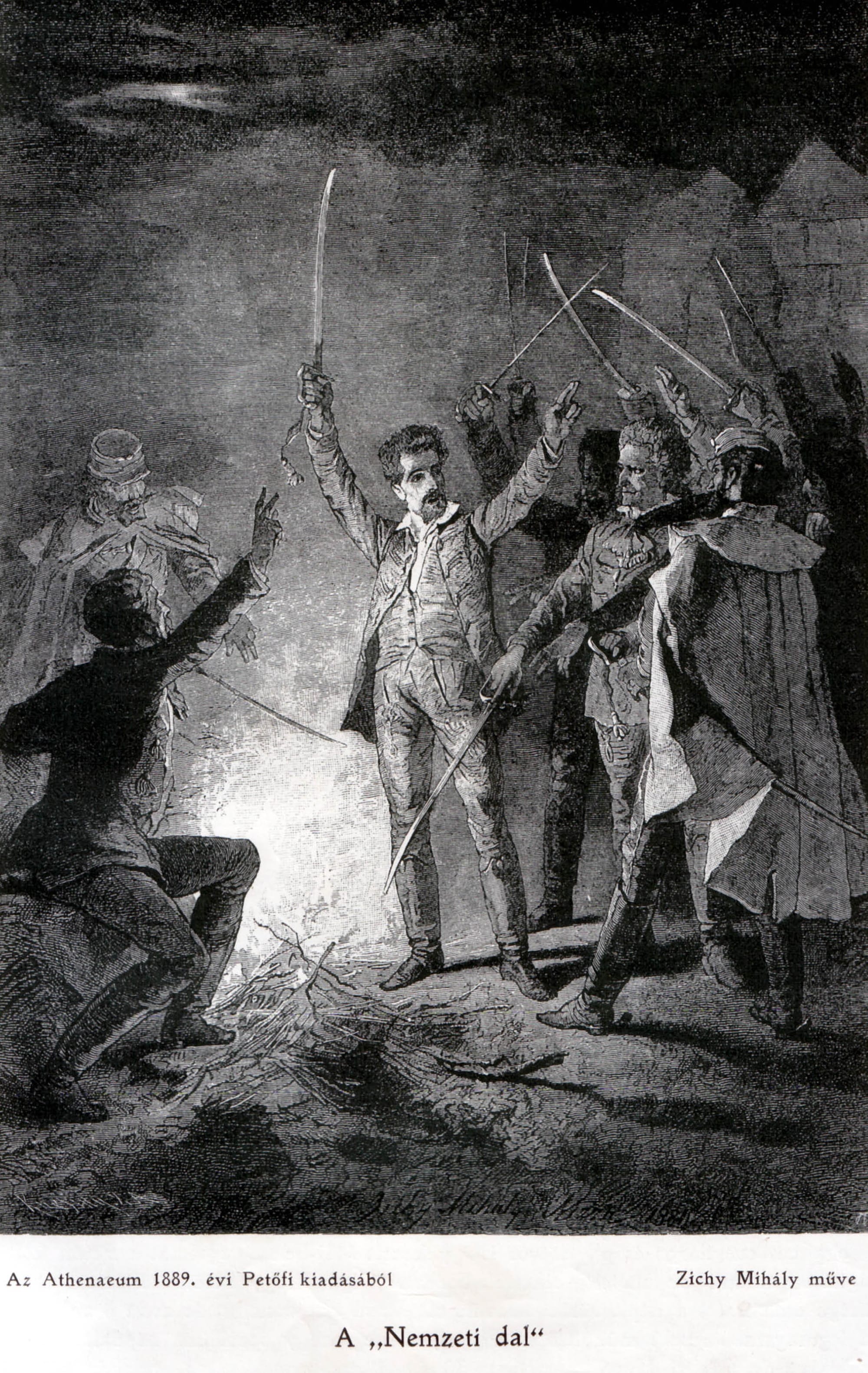
After Austria's later defeats, it settled with the Hungarian elite in the Compromise of 1867, creating Austria-Hungary — two states sharing a monarch, army and foreign policy. Fifty years of rapid growth followed, above all in Budapest, alongside heavy-handed "Magyarisation" of the kingdom's Slavic and Romanian majorities.
Trianon, Horthy, and the Holocaust
Austria-Hungary's defeat in the First World War dissolved it, and the 1920 Treaty of Trianon reduced Hungary to about a third of its former territory, leaving over three million ethnic Hungarians in Romania, Czechoslovakia and Yugoslavia. Trianon became the central grievance of the interwar regime of Admiral Miklós Horthy, regent of a kingdom with no king, which allied with Nazi Germany to recover the lost lands and joined the invasion of the Soviet Union.
When Horthy tried to leave the war, Germany occupied Hungary in March 1944, and in under two months the Hungarian authorities helped deport around 430,000 Jews, most to Auschwitz. The fascist Arrow Cross then seized power and murdered thousands more in Budapest. About 560,000 Hungarian Jews died in the Holocaust.
1956, and Goulash Communism
The Soviets installed a Stalinist regime under Mátyás Rákosi, with show trials and mass imprisonment. On 23 October 1956 a student march in Budapest became a national revolution; Imre Nagy formed a government and declared Hungary neutral and out of the Warsaw Pact.
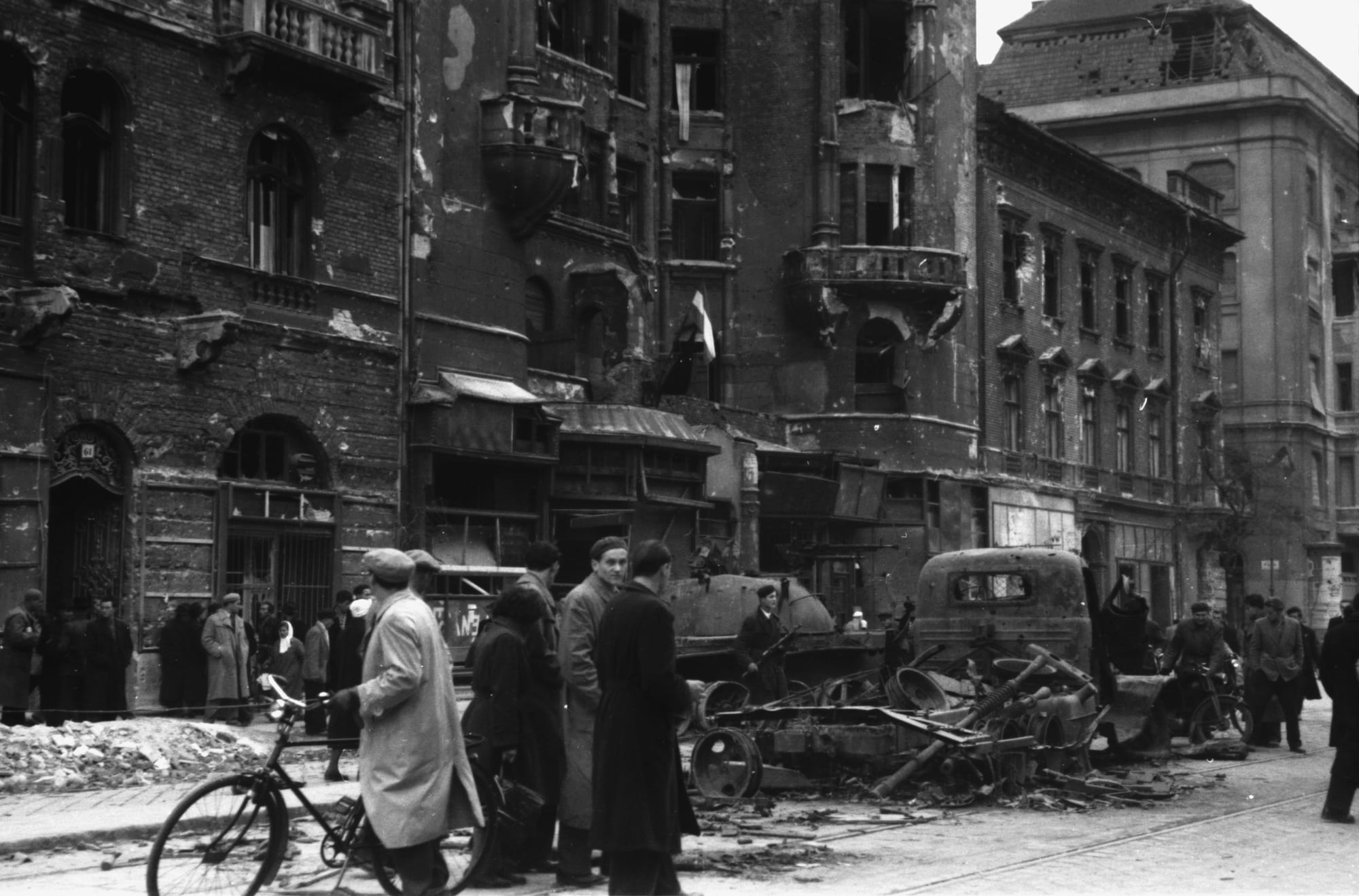
The Soviet-installed leader János Kádár, after early repression, offered a bargain: higher living standards and limited market reforms in exchange for political quiet — "goulash communism", the softest regime in the bloc. In 1989 Hungary led the exit from communism, reburying Imre Nagy before a vast crowd and opening its border with Austria, which let thousands of East Germans escape west.
Hungary now
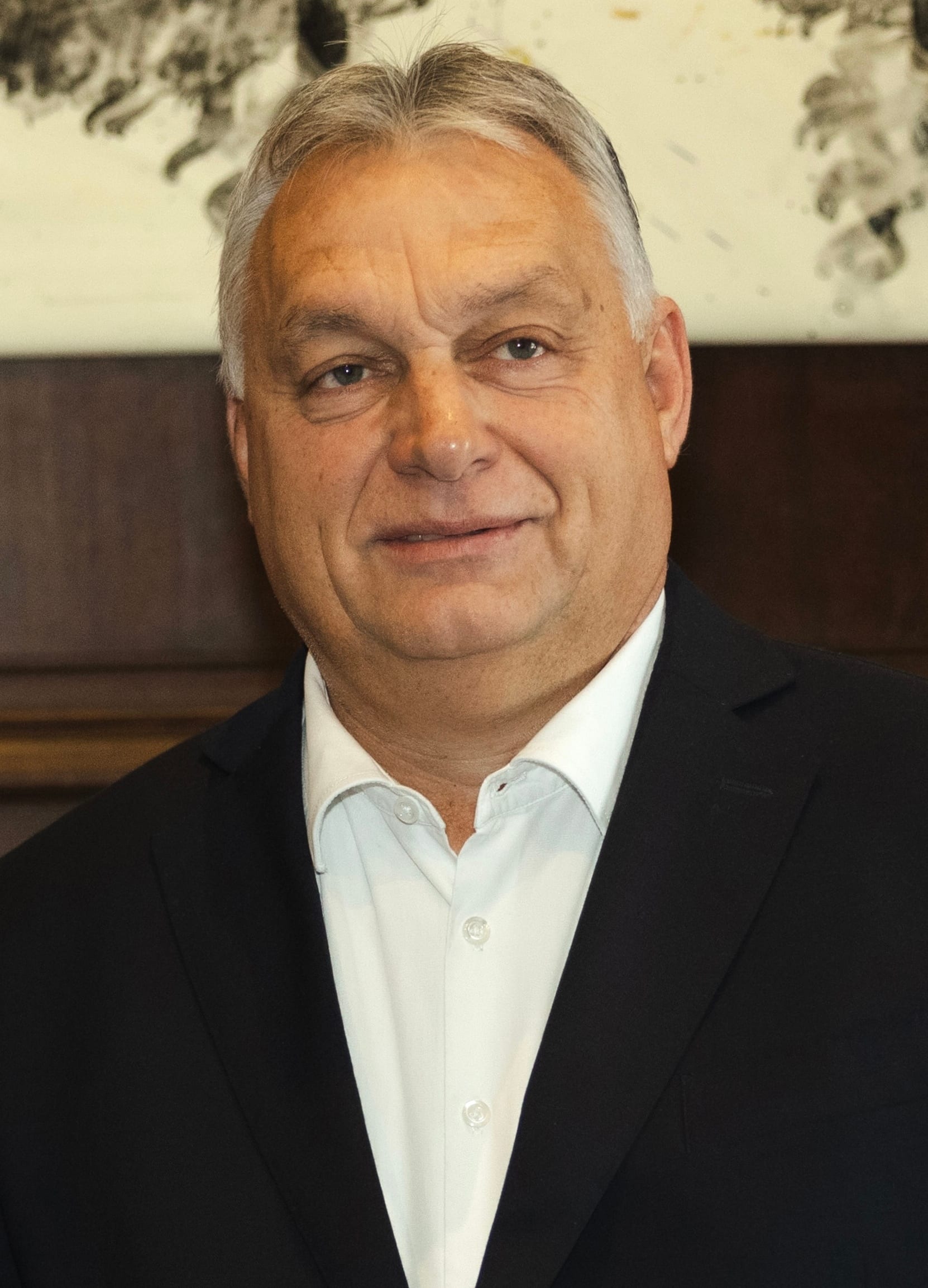
Hungary joined NATO in 1999 and the European Union in 2004. Since 2010 Viktor Orbán's Fidesz has governed continuously, rewriting the constitution, bringing the courts, media and universities under political control, building a border fence against migration in 2015, and clashing with Brussels over the rule of law while keeping unusually warm relations with Moscow — the defining fault line of Hungarian politics today.
What Hungary carries
Hungary's self-image, in one historian's phrase, is of "victory in defeat" — a small nation that has been invaded, partitioned and occupied again and again, and has each time held on to its language and its sense of itself. Trianon is the wound that will not close, and it is the emotional root of a nationalism that, a century on, still shapes how Hungary sees its neighbours and the European club it belongs to.