Culture & Customs · Hungary
Hungary: Masks, Embroidery and the Dance House
A language with no close neighbours, a firm handshake and a frank opinion, and folk traditions — from horned winter masks to fiddle-led dances — kept alive by people who choose to learn them
By Worldlore Editorial · 30 September 2026
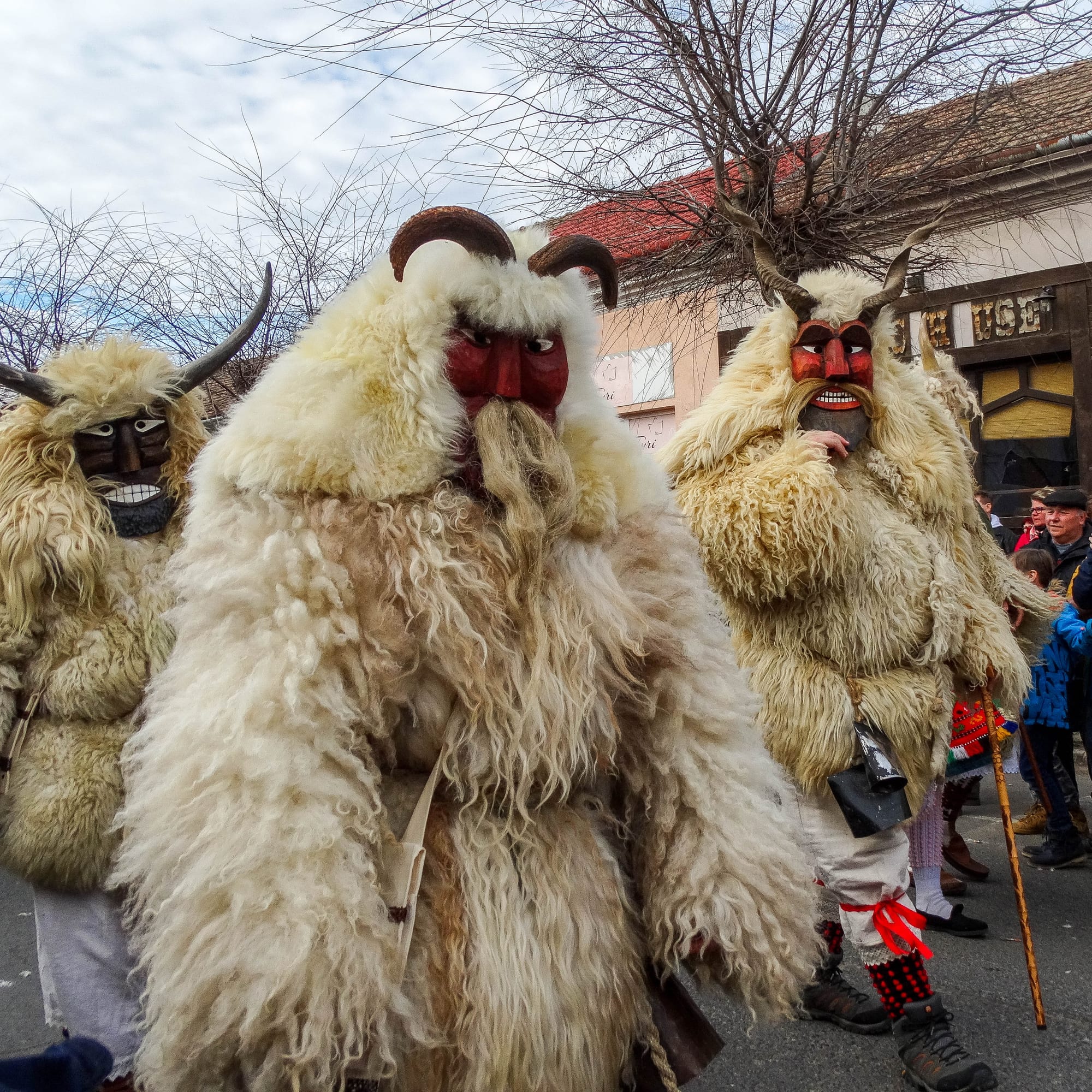
It is the end of carnival season, and a riverside town is overrun by monsters. Hundreds of figures in shaggy sheepskin cloaks and carved wooden masks — horned, grinning, painted red or black — arrive by rowing boat across the Danube and march through the streets, while a coffin standing for winter waits to be burned on a bonfire in the main square. The Busó carnival is the most exuberant expression of something that runs deep in Hungary: a fierce attachment to traditions that mark the country out from its neighbours, carried on today less out of obligation than by people who have chosen to learn them.
Faith, identity and values
Christianity and the Hungarian state are, in the national story, the same age: the kingdom's first king, Stephen, brought the country into Latin Christendom around the year 1000. Today religion is present but seldom discussed. In the 2022 census, as summarised by Cultural Atlas, around 30 per cent of people identified as Catholic — the great majority of them Roman Catholic, with a smaller Greek Catholic community — nearly 10 per cent as Calvinist (Reformed) and around 2 per cent as Lutheran. About one in six said they had no religion, and some 40 per cent chose not to answer. For many, faith is a private matter, not a subject for the office or the dinner table. Hungary also has one of the largest Jewish communities in Central Europe, and Budapest's Dohány Street Synagogue is the largest in Europe.
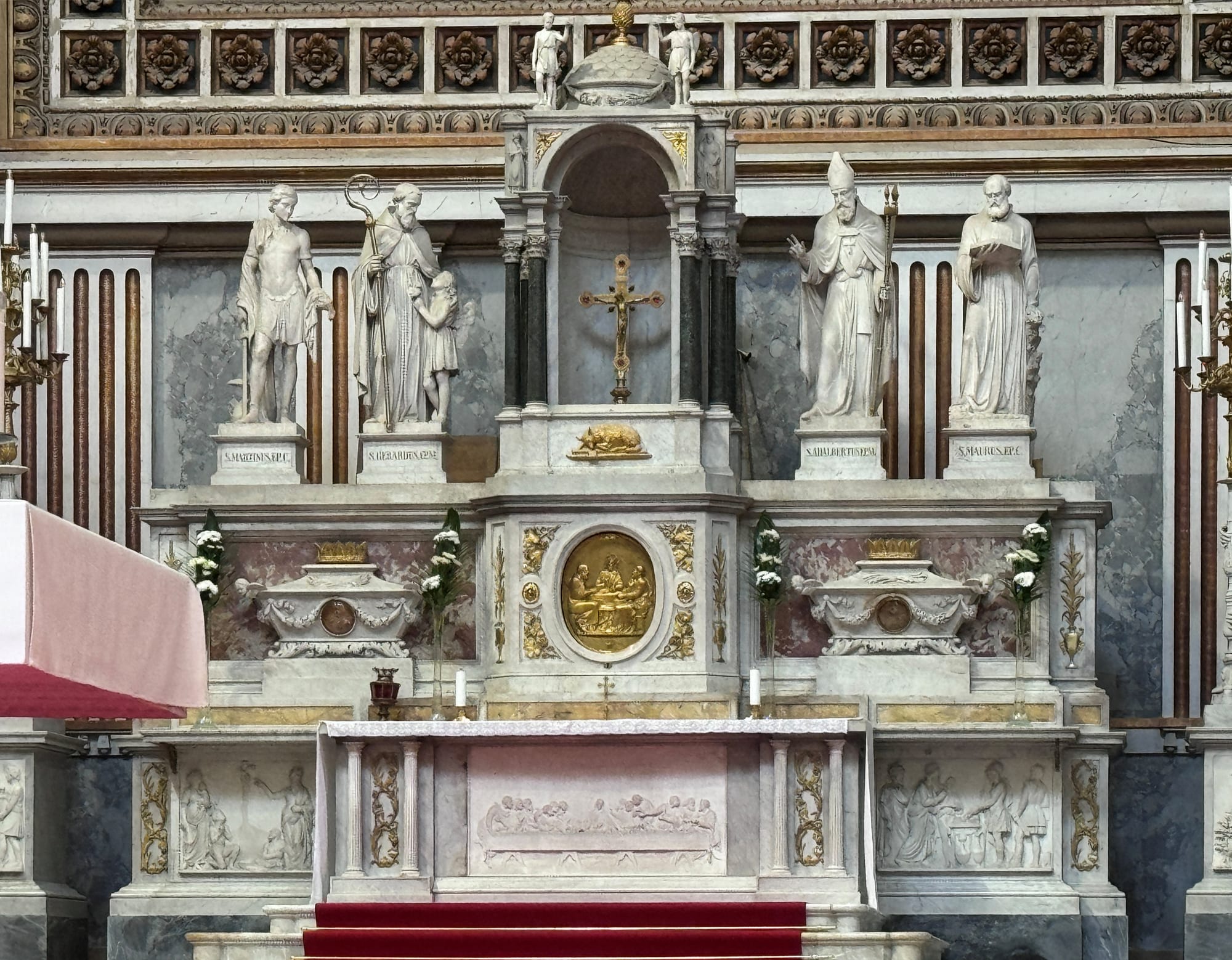
Language is at the heart of national identity. Hungarian, or Magyar, is a Uralic language, unrelated to the Slavic, Germanic and Romance tongues spoken all around it, and almost the entire population speaks it. That linguistic isolation feeds a strong sense of national pride, expressed in the idea of the Hungarikum — something distinctively and uniquely Hungarian, whether a food, a craft or a custom. Pride sits alongside a certain sombreness and nostalgia; Cultural Atlas notes a widespread tendency to look back on the loss of territory after the First World War as a turning point. Hungarians tend to rely on close family and a tight circle of friends rather than on institutions, and value resourcefulness, summed up in a popular saying: if the big gate is closed, there is always a little gate open.
Greetings and meeting people
A firm handshake with direct eye contact is the standard greeting. Among close friends and relatives, particularly between women, a light hug and a kiss on each cheek is usual; between men and women, the handshake generally waits for the woman to offer her hand. Eye contact matters beyond the first greeting too: a steady gaze is read as honesty, and avoiding it can suggest something is being hidden.
Names follow the Hungarian order, with the family name first and the given name second. First names are generally reserved for friends, family and younger people, and adults are addressed formally by title and surname until they suggest otherwise. An old courtesy survives in speech: younger people may greet an older woman with "kezét csókolom", literally "I kiss your hand" — though no hand is actually kissed.
Conversation is often more direct than visitors expect. Hungarians express opinions and disagreement freely, may ask personal questions early on, and will often answer "how are you?" honestly, including a frank list of the day's frustrations. Storytelling and humour carry much of the conversation, voices rise with enthusiasm, and people frequently talk over one another. Criticising someone in public, however, is avoided, especially in front of those of higher status. Rather than pointing with an outstretched finger, people often indicate direction with a quick flick of the finger or a movement of the head or eyes. Personal space is kept at around arm's length, a little more with strangers.
Hospitality and being a guest
Food and hosting are a genuine pleasure and a source of pride. Punctuality is valued: guests are expected on time for a dinner, or within about half an hour for a larger gathering. Most visits are arranged in advance, though close friends may drop in. Good-quality chocolates, flowers or a bottle of spirits are the usual gifts. Flowers are given in odd numbers — but never 13 — and, unlike in many cultures, gifts are opened as soon as they are received.
At the table, leaving food on the plate can suggest it was not enjoyed, and adding extra salt or seasoning at the table may offend the cook. Knife and fork laid parallel across the plate signal that the meal is finished. The host keeps glasses topped up, so leaving a little in the glass is the polite way to decline more. Speaking badly of the wine — particularly local wine — is best avoided.
Toasting has its own small ritual. With wine or pálinka, people raise their glasses, look one another in the eye, clink and say "egészségedre", "to your health". Beer is the exception: many Hungarians do not clink beer glasses at all.
Festivals and life's big moments
The year opens with carnival season. The best known of all its customs, the Busó festivities, is a six-day end-of-winter carnival in Mohács, usually in February and ending the day before Ash Wednesday, that began with the Šokci, a Croatian minority, and has become a symbol of belonging for people of every background. Masked busós in wooden masks and woolly cloaks, costume contests, crafts and a procession culminate in the burning of a coffin that represents winter. It was inscribed on UNESCO's Representative List of the Intangible Cultural Heritage of Humanity in 2009.
Easter brings one of the most distinctive customs of the year. On Easter Monday, men and boys go "sprinkling": after reciting a short rhyming verse, often cheeky, asking permission to water a flower so that it will not wither, they sprinkle women and girls — once with buckets of cold well water, today usually with a spritz of perfume or cologne. The women reward them with painted eggs, sweets or a glass of pálinka. The custom stands for fertility, renewal and good health.
Three national days recall turning points in the country's history. On 15 March, the anniversary of the revolution of 1848, many people wear a cockade in the colours of the national flag. On 20 August, Saint Stephen's Day honours the first king and the founding of the state with religious ceremonies, parades and fireworks, the grandest of them over the Danube in Budapest. On 23 October, the anniversary of the 1956 revolution is marked with official ceremonies and wreaths laid at memorials.
In autumn, on All Saints' Day, 1 November, and All Souls' Day the day after, families visit cemeteries to clean and decorate relatives' graves with flowers, often chrysanthemums, and light candles on them. By nightfall the cemeteries glow; an old belief held that the candlelight helped the souls of the dead to warm themselves and find their way. Winter brings Mikulás, Saint Nicholas, on 6 December: the night before, children clean their shoes or boots and put them in the window to be filled with chocolate, sweets, oranges and nuts, while a bundle of gold-painted birch twigs, delivered by the horned Krampusz, awaits anyone who has misbehaved. Christmas Eve is the heart of the holiday, when the tree is decorated — traditionally hung with szaloncukor, foil-wrapped fondant sweets — and presents are exchanged; the two days that follow belong to the wider family.
Traditional village weddings were long, communal affairs, and several of their customs survive. The best man once personally invited every guest, and the bride might be playfully "kidnapped" on the way to the groom's home. Plates may be smashed, on the principle that the more pieces, the happier the marriage. The highlight of the night is often the menyasszonytánc, the bride's dance, in which guests pay for a turn with the bride, tucking money into her dress or dropping it into her shoes. A separate dance, traditionally in a red and white dress, marks her new status as a married woman.
Arts, crafts and music
Hungary's folk traditions owe much of their vitality to the táncház, or dance house. Rather than watching folk dance on stage, participants learn it by observing and imitating experienced dancers and tradition bearers, always to live music, alongside singing and handicrafts, and anyone of any age or level can join in. The method is now used in schools and by professional ensembles, supports camps, workshops and clubs, and is celebrated at an annual national festival. UNESCO has recognised it as a model of good practice for passing on intangible heritage, as it has the Kodály concept, which built music education around the folk song.
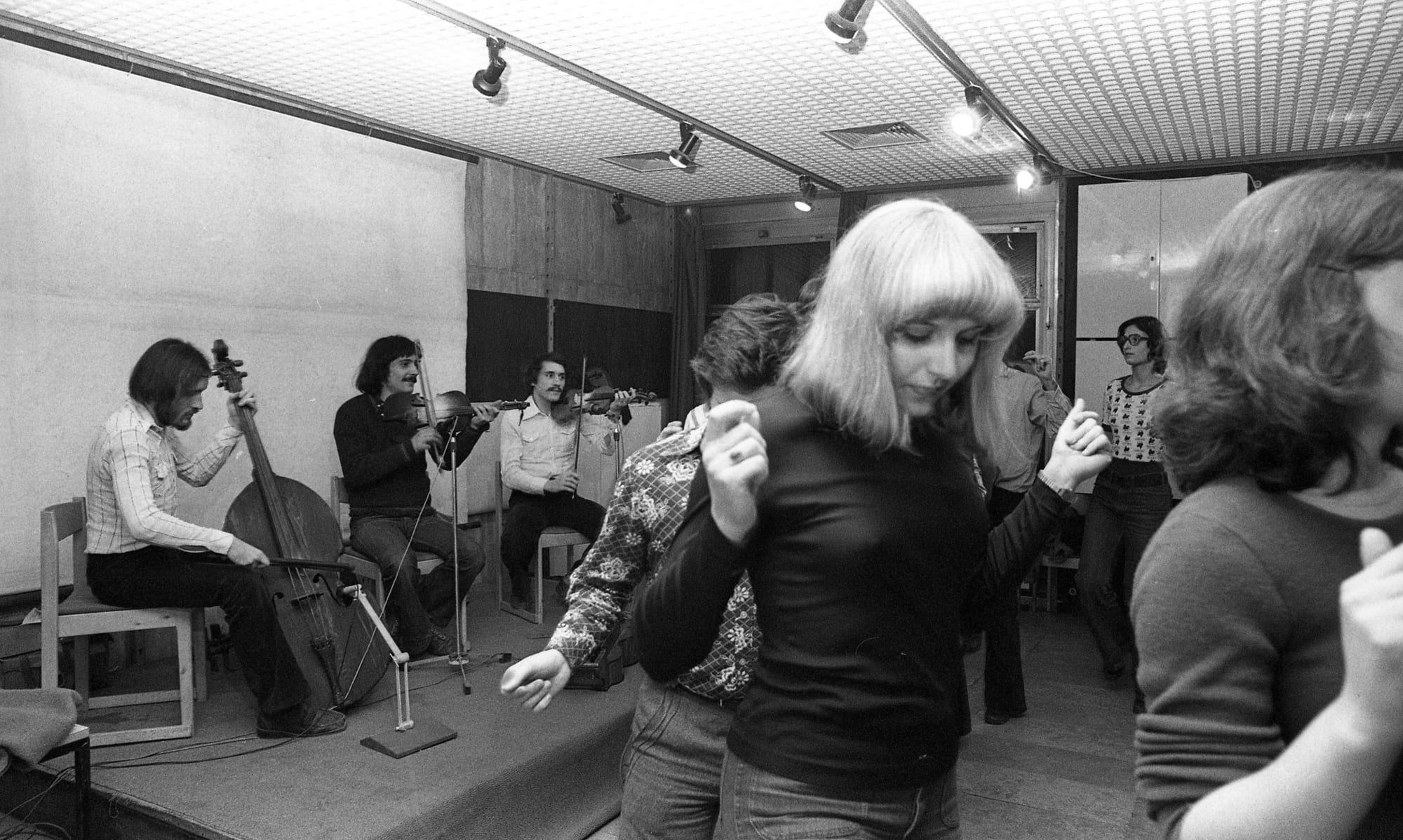
The music at a dance house usually comes from a string band, built around fiddle, viola and double bass and sometimes joined by the cimbalom, a struck string instrument. Such bands once played for village parties, family celebrations, agricultural events and holidays, and their musicians carried repertoires of thousands of melodies in their heads. The dance they most often accompany is the csárdás, danced by couples in circles, moving from a slow opening to a fast finish and improvising within well-known rules, at weddings and community events as well as on stage. Both traditions are on UNESCO's list.
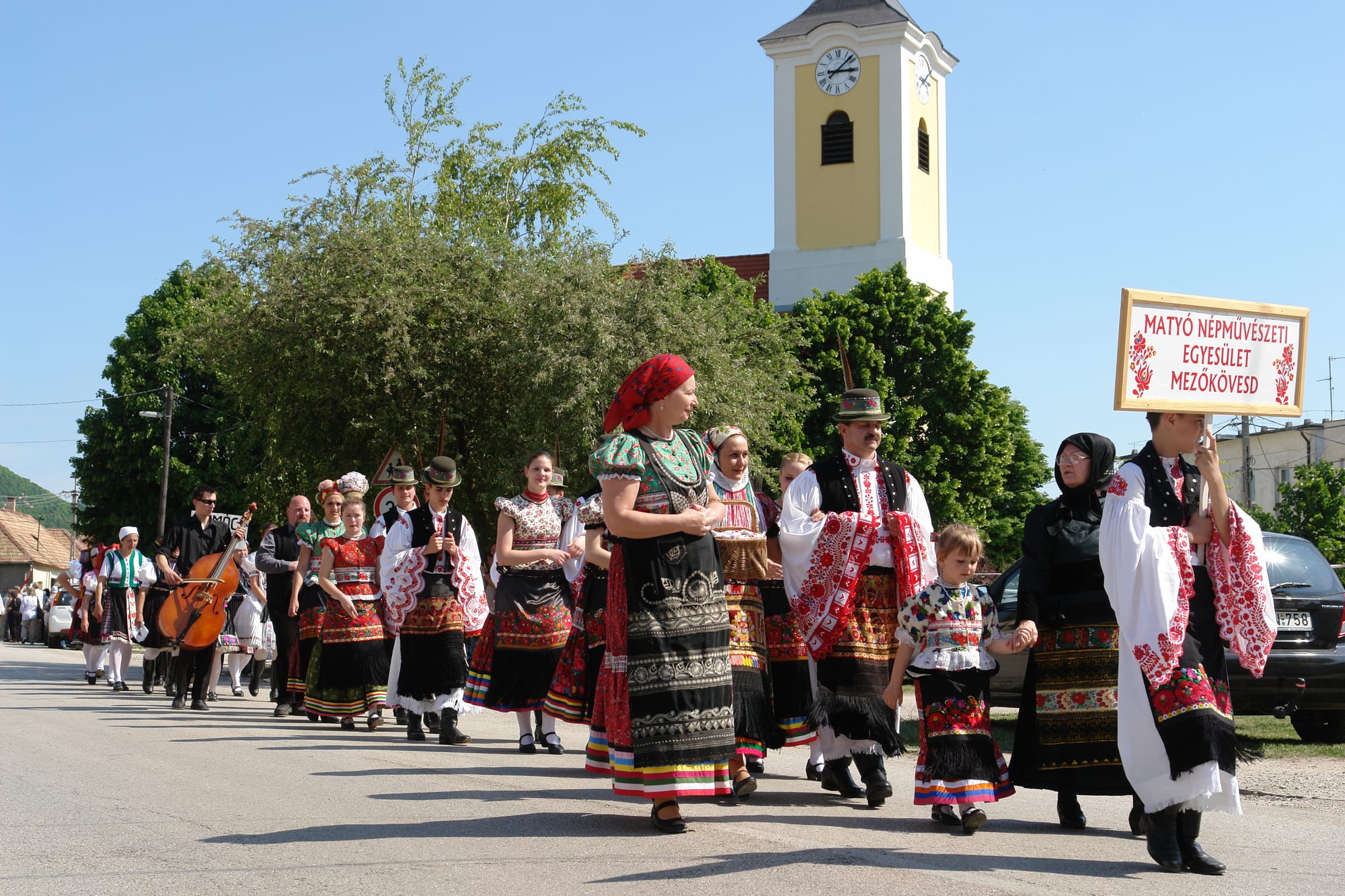
Crafts are just as prized. Matyó folk art, the embroidery of a Roman Catholic community in the north-east, covers clothing and household textiles in dense, brightly coloured flowers, roses above all, and is still taught in embroidery circles where anyone can learn from experienced masters. Kékfestés, or blue-dyeing — resist block printing and indigo dyeing of cloth — and the making of handmade glass are also on UNESCO's list, as are Lipizzan horse breeding and falconry.
Dos and don'ts for visitors
- Do arrive on time for a meal, bringing chocolates, a bottle or an odd number of flowers (but not 13).
- Do shake hands firmly and keep eye contact, and use title and surname until invited to use first names.
- Do look people in the eye and say "egészségedre" when clinking glasses of wine or pálinka.
- Don't be surprised if people decline to clink beer glasses; follow the lead of the table.
- Do finish what is on the plate, and leave a little in the glass if no more is wanted.
- Don't add salt or seasoning at the table, or criticise the host's wine.
- Don't criticise anyone in public; direct opinions are welcome, public embarrassment is not.
What to take away
Hungary can seem reserved at first and frank soon after, but its customs — the eye contact over a raised glass, the verse recited before a sprinkling, the dance learned step by step from an older partner — all speak of a people determined to keep their own ways alive, and glad to share them with anyone who shows an interest.