Food · Hungary
Hungary: Food and the National Dish
A paprika-red meat stew that began as herders' campfire cooking, in a country that treats its signature spice as a point of genuine national pride
By Worldlore Editorial · 16 September 2026
A cuisine defined by one red spice
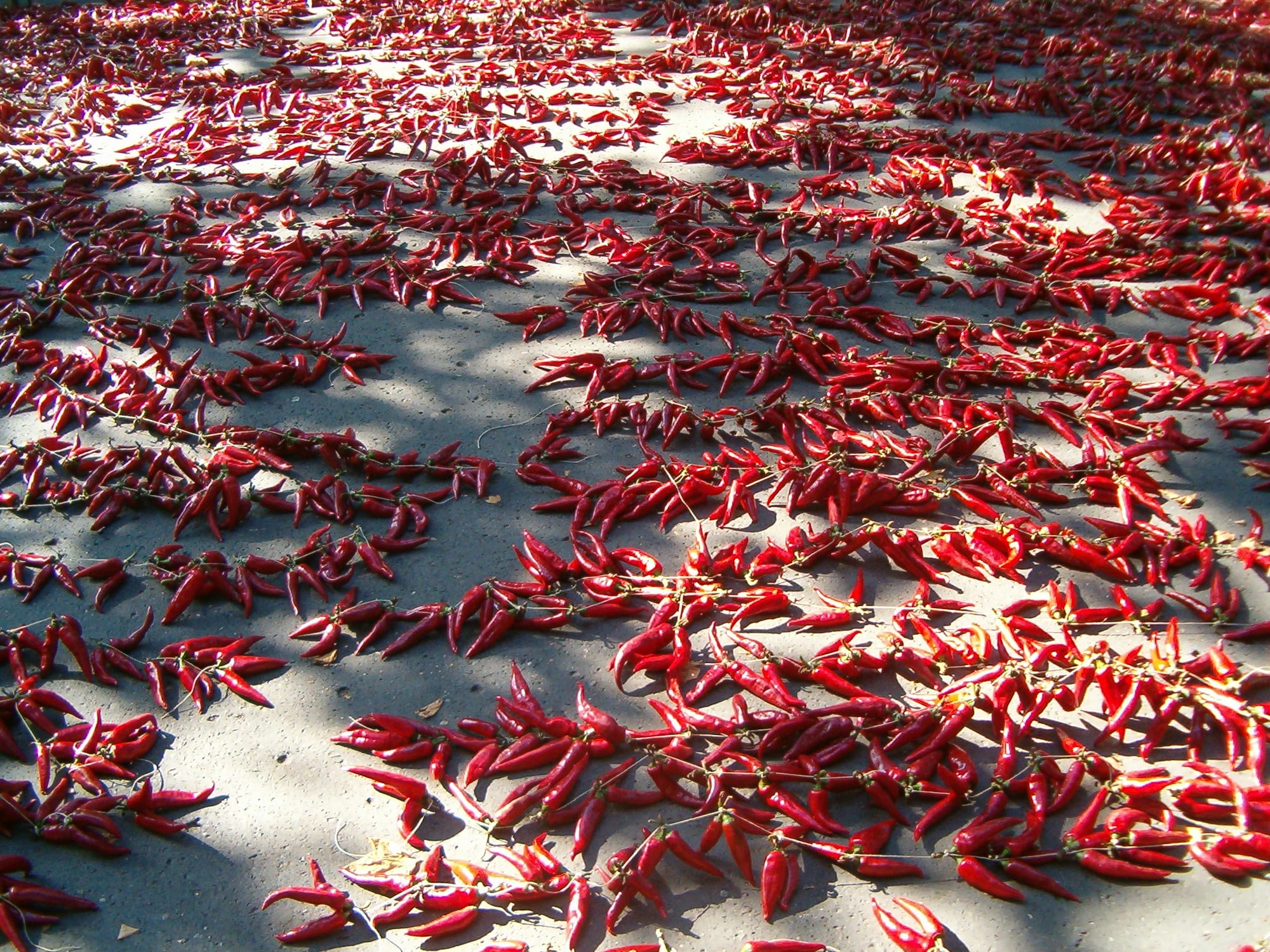
Hungarian food is inseparable from paprika, the ground pepper spice that gives so many of the country's dishes their colour and character. Hungary grows and processes much of its own paprika, most famously around the city of Szeged, and treats the spice with a level of pride and specificity, sweet versus hot, coarse versus fine, that few other countries apply to a single seasoning.
The national dish: gulyás
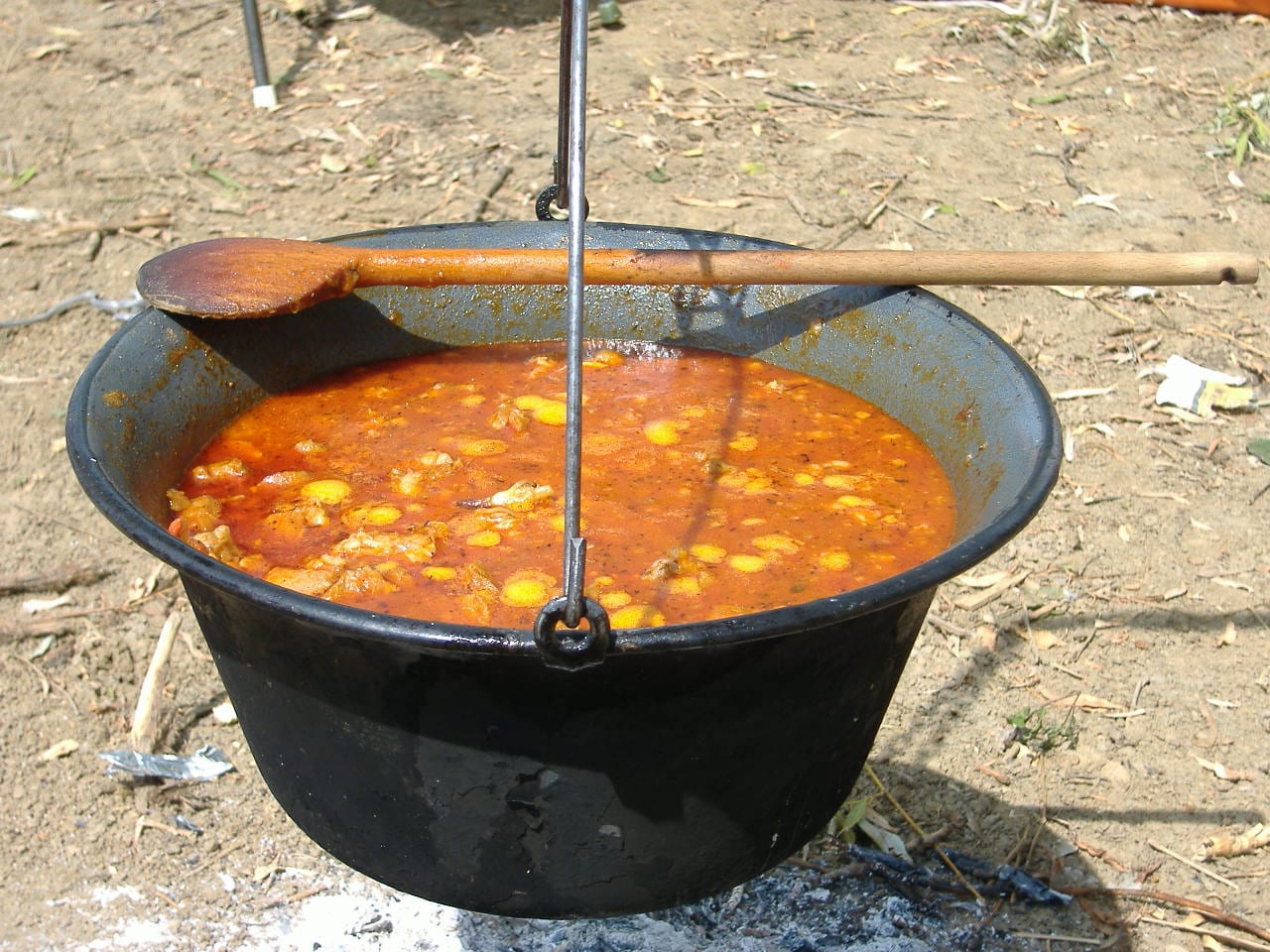
Gulyás, known in English as goulash, a hearty stew of beef, onion, paprika and vegetables, is Hungary's national dish, though its origins are humbler than the word's international reputation might suggest: it began as simple campfire cooking made by Hungarian cattle herders on the open plains. What's served internationally as "goulash" is often closer to pörkölt, a thicker Hungarian stew, while true Hungarian gulyás is traditionally more of a soup.
Paprika, sour cream and the everyday pantry
Beyond gulyás, paprika defines dishes like chicken paprikash and lecsó, a stewed pepper and tomato dish, while sour cream, added generously to many stews and sauces, softens paprika's heat into something richer. Pork, potatoes and a strong bread and pastry tradition round out the everyday Hungarian table.
History behind the spice
Paprika arrived in Hungary from the Americas via the Ottoman Empire, and by the 19th century had become so thoroughly adopted that it's now considered a defining national ingredient rather than an import. Gulyás itself carries a similar layered history, moving from herders' practical cooking on the Hungarian plains to a dish celebrated at festivals and served as a point of national identity.
Dishes to know
Five more to recognise across Hungary:
- Paprikás csirke (chicken paprikash) — chicken in a creamy
paprika-and-sour-cream sauce, usually served with dumplings.
- Lecsó — a stewed dish of peppers, tomatoes and onion, often with
sausage or egg added.
- Langos — deep-fried dough, commonly topped with sour cream and grated
cheese, a popular street food.
- Töltött káposzta — stuffed cabbage rolls filled with meat and rice.
- Dobos torte — a layered sponge cake with chocolate buttercream and a
caramel top, a well-known Hungarian dessert.
Drinks
Tokaji, a sweet wine from Hungary's Tokaj region, has a long international reputation and was reportedly a favourite of several European royal courts. Pálinka, a strong fruit brandy distilled from plums, apricots or other fruit, is Hungary's traditional spirit, and Hungarian beer and wine more broadly are widely drunk.
Eating as a traveller
Vegetarians will find lecsó, langos and a range of dumpling and pastry dishes manageable, though meat is central to most traditional main courses. Tap water is safe throughout the country. Trying gulyás at a countryside festival or cauldron event, if the chance comes up, is a genuine way to see the dish closer to its herders'-cooking origins than a restaurant bowl usually offers.
What to take from the table
Gulyás, red with paprika and simmered slowly, is the dish that best represents Hungarian food — and the paprika itself, grown and ground with real regional pride, is the ingredient that ties nearly everything else on the Hungarian table together.