Daily Life · Hungary
Hungary: A Day That Ends in Hot Water
A hot lunch still treated as the main meal, name days marked at the office, and a soak in a thermal bath that many Hungarians treat as ordinary as a walk in the park
By Worldlore Editorial · 30 September 2026
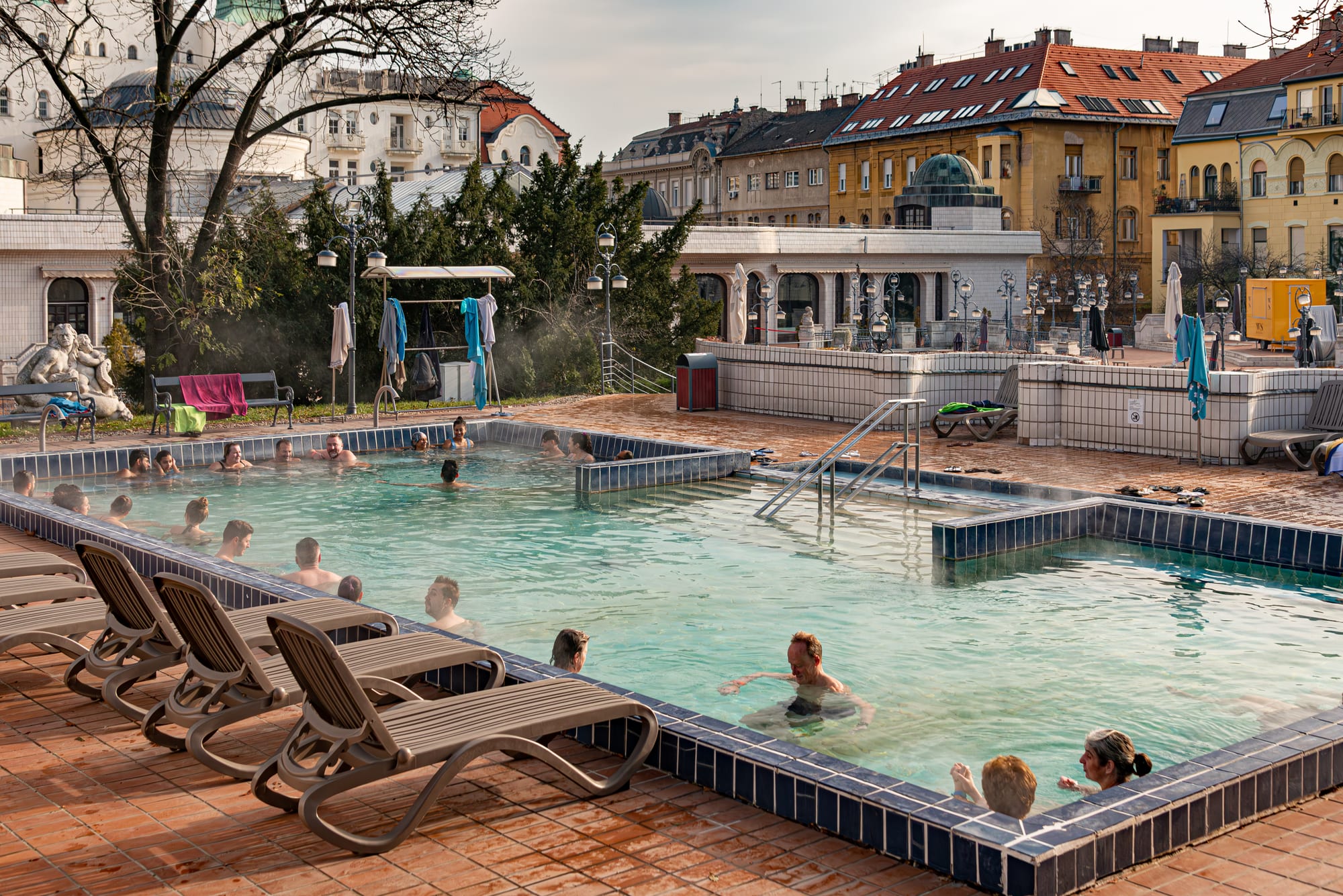
Hungary has an estimated 1,300 thermal springs, and a remarkable amount of ordinary life is arranged around them: after work, at the weekend, or simply to unwind, Hungarians of every age soak in hot mineral water the way people elsewhere might go for a walk or a coffee. Around that ritual, the rest of the day keeps a steady, home-centred rhythm — an early start, a proper hot lunch, and, for some, an evening that ends not in front of a television but in a warm pool.
Family and home life
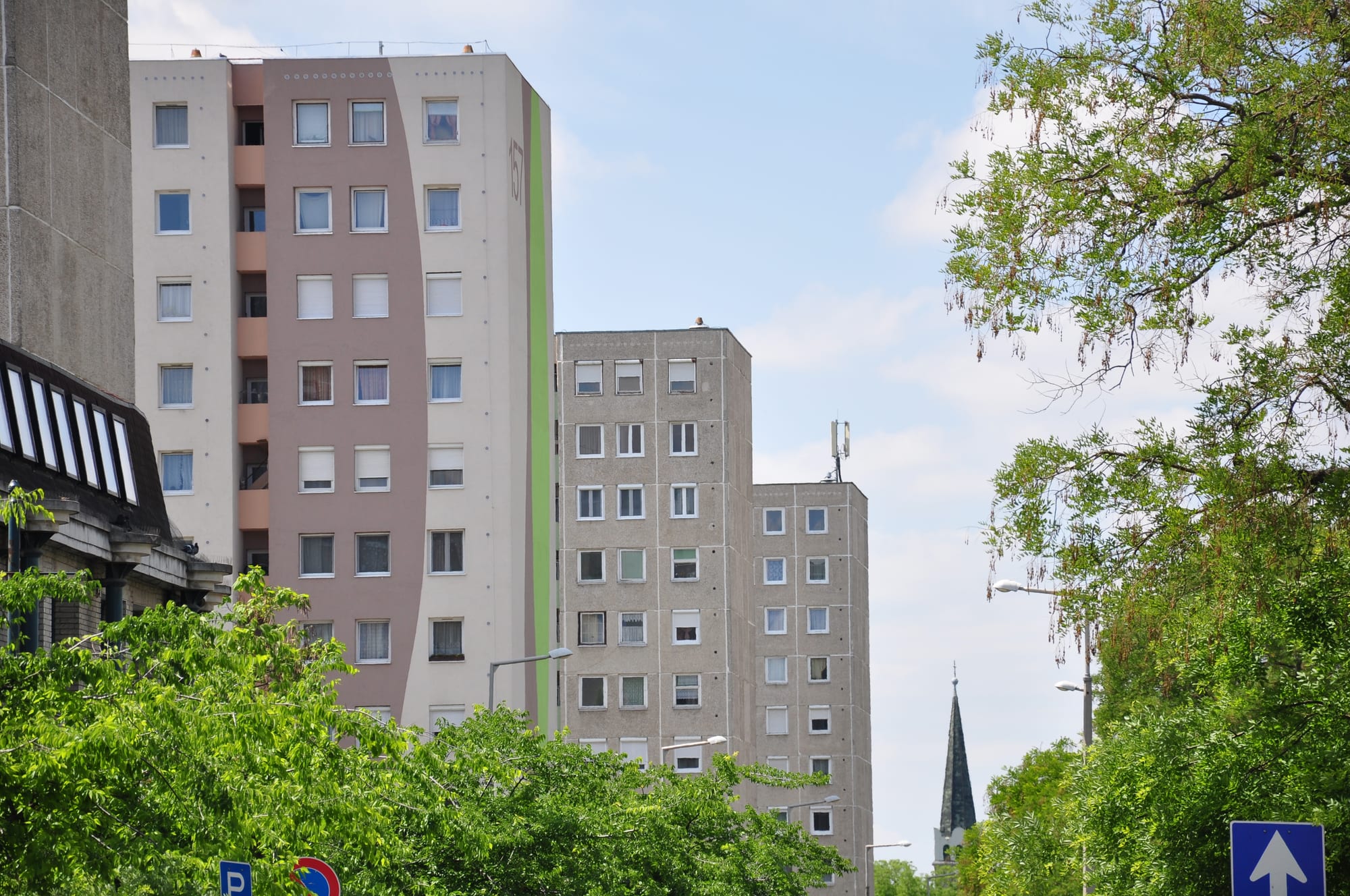
Most Hungarians today live in towns and cities, and a great many of them in apartment blocks, including large concrete "panel" estates built during the communist era and still home to around one in six Hungarians, many of them since renovated and repainted rather than replaced. Family life remains close-knit, with grandparents often living nearby and helping with childcare. One distinctly Hungarian custom threads through the calendar: a person's name day, tied to the saint's day their first name falls on, is marked with small gifts, flowers or a bottle of pálinka, and can be marked as widely as a birthday, since name days are printed in calendars and acknowledged at work and school as well as at home.
Work, school and the rhythm of the day
The standard working week is 40 hours over five days, with many office jobs starting around 8am and a short lunch break. School usually starts around 8am and, for younger pupils, finishes in the early afternoon. Despite the short official lunch break, lunch itself remains the main meal of the day for many households, traditionally a meal of several courses, often soup, a meat-based main course and dessert, though often just one course today, in contrast to a lighter evening meal. Where the working week doesn't allow for a long lunch at home, canteens at workplaces and schools fill the same role, a tradition that goes back generations.
Community life and public spaces
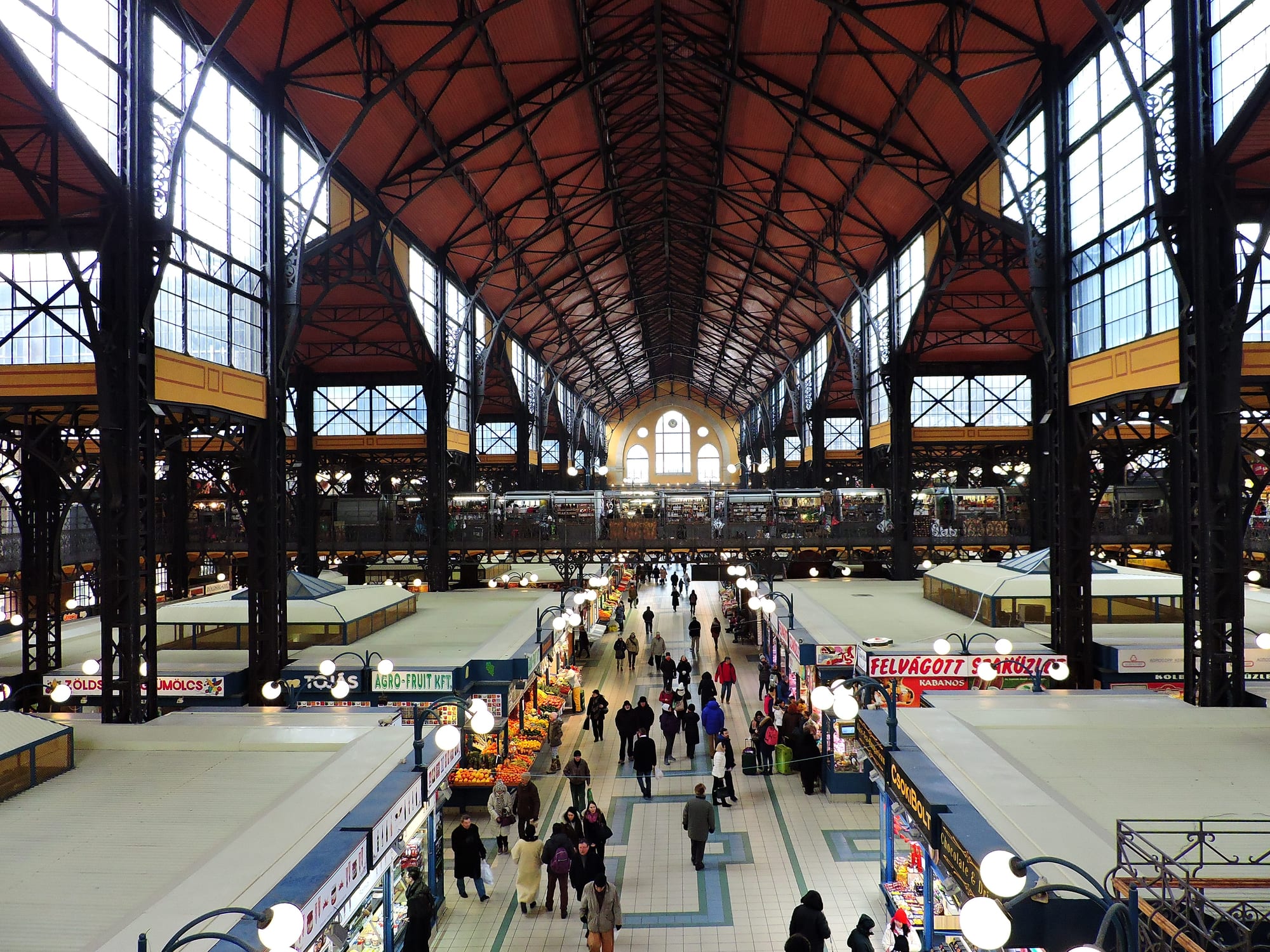
Market halls, some of them grand iron-framed buildings from the late nineteenth century such as Budapest's Great Market Hall of 1897, remain working markets rather than museum pieces, selling fresh produce, meat, cheese, paprika and prepared food under one roof in cities and larger towns across the country. Trams, buses and, in Budapest, an extensive metro carry most everyday journeys, while smaller towns rely more on regional buses and trains. Cafés, a long-standing fixture of Hungarian public life, remain a place to sit for an hour over a coffee, read, or meet friends, much as they have for over a century.
Free time and weekends
Weekends are for slowing down: a long family lunch, time at a bath, or, for those who can manage it, a trip to a cottage by Lake Balaton, Central Europe's largest lake and the country's favourite escape from the heat in summer. Wine remains a central part of social life, and gathering with friends or family at a village wine cellar, or simply over a bottle at home, is a common way to spend an evening. Chess, a long-standing and popular Hungarian pastime, turns up at café tables and even in the bath pools.
A visitor's ordinary day
Card payment is now widespread, though it is worth carrying some forint in cash for market halls, small bakeries and rural buses. Prices are quoted in forint with several zeros, which takes a little getting used to. Public transport in Budapest and other cities is frequent and cheap, and trams and the metro are the easiest way to get around without a car. A visit to one of the thermal baths is worth treating as a normal afternoon activity rather than a special occasion, much as locals do, and lunch, not dinner, is when many traditional restaurants serve their fullest menu.
What to take away
An ordinary day in Hungary runs on a hot lunch, a market hall and, for a great many people, the simple, unremarkable habit of ending it warm, in water that has been rising from the ground for centuries.