History · Hong Kong
Hong Kong: The Borrowed Place
A fishing coast taken by Britain in the Opium Wars, built into a global port and financial centre, returned to China in 1997 under "one country, two systems" — and remade again since 2020
By Worldlore Editorial · 10 September 2026
A place assembled from three transactions
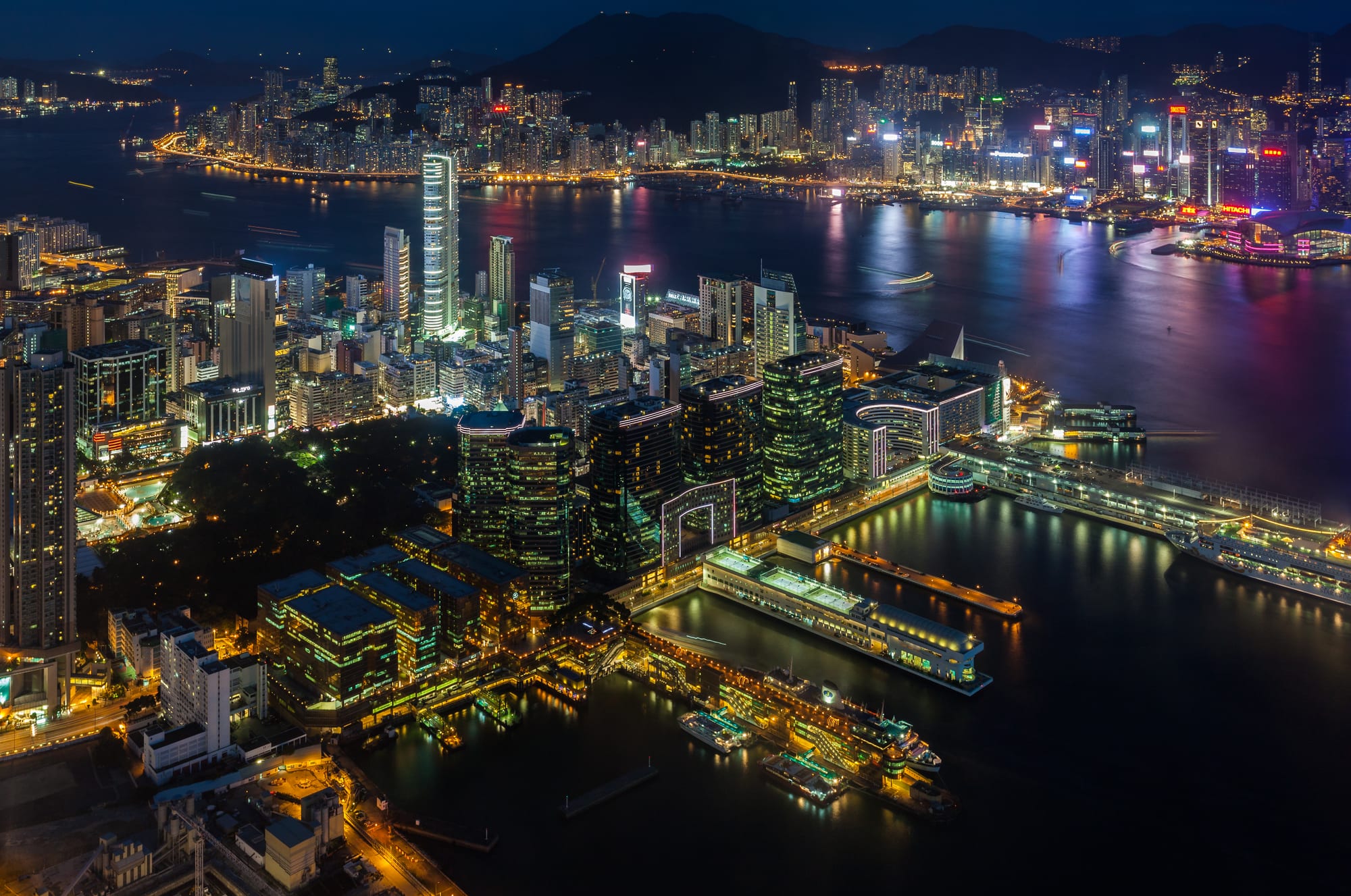
Hong Kong is a small, mountainous territory on the South China coast — Hong Kong Island, the Kowloon peninsula, the much larger New Territories, and hundreds of islands — with about 7.5 million people packed into a fraction of its land. Its modern existence began with three unequal treaties forced on China after the Opium Wars, and its whole trajectory has been set by a countdown: the 99-year lease on the New Territories, signed in 1898, that expired in 1997.
A short history
- to 1841
The Qing coast
Fishing, salt and pearl villages of Guangdong province.
- 1842
Hong Kong Island
Ceded to Britain by the Treaty of Nanking.
- 1860
Kowloon
Ceded after the Second Opium War.
- 1898
The New Territories
Leased to Britain for 99 years.
- 1941–1945
Japanese occupation
Three years and eight months; the population collapses.
- 1949 onward
The refugee boom
China's upheavals drive migration and industry.
- 1984
Joint Declaration
Britain and China agree on the 1997 handover.
- 1997
Handover
Hong Kong returns to China under "one country, two systems".
- 2019
The protests
Mass demonstrations against an extradition bill.
- 2020
National Security Law
Beijing imposes it directly; the political landscape is remade.
The Opium Wars
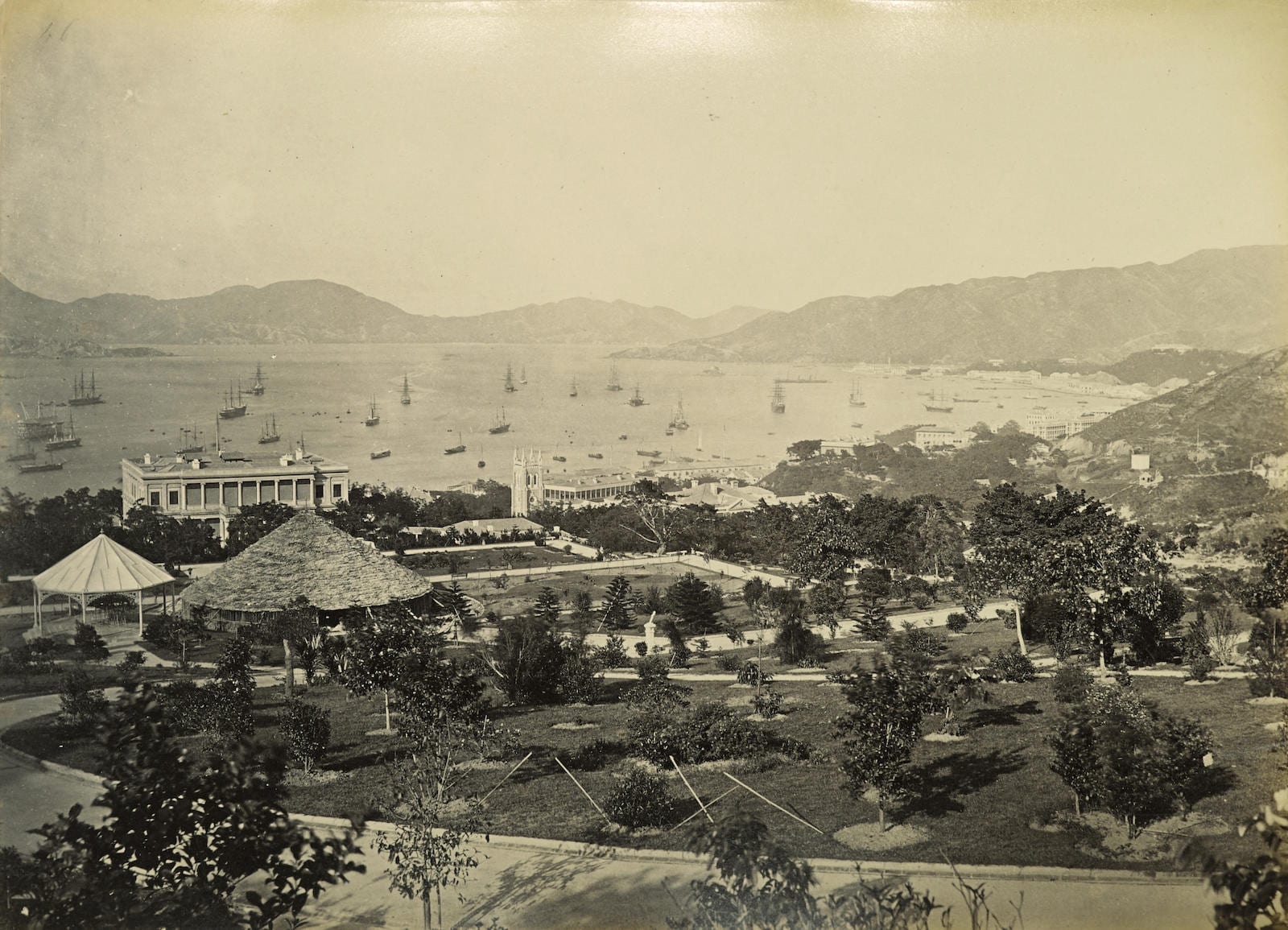
The area was part of Guangdong province for two millennia — sparsely peopled by Cantonese, Hakka and boat-dwelling Tanka communities. Britain, running a huge illegal opium trade into China to pay for its tea imports, went to war when the Qing tried to stop it. The First Opium War brought the cession of Hong Kong Island in 1842; the Second brought Kowloon in 1860; and in 1898 Britain leased the New Territories for 99 years. That lease is why all of Hong Kong reverted in 1997 — the island alone was not viable without the hinterland.
Occupation and reinvention
Japan captured Hong Kong on Christmas Day 1941 and held it for nearly four years, a brutal occupation that cut the population from about 1.6 million to 600,000. Britain returned in 1945.
The Communist victory in China and the Korean War embargo then killed Hong Kong's role as a China-trade entrepôt — but a flood of refugees, capital and industrialists from Shanghai and Guangdong turned it into a manufacturing centre for textiles, plastics and electronics.
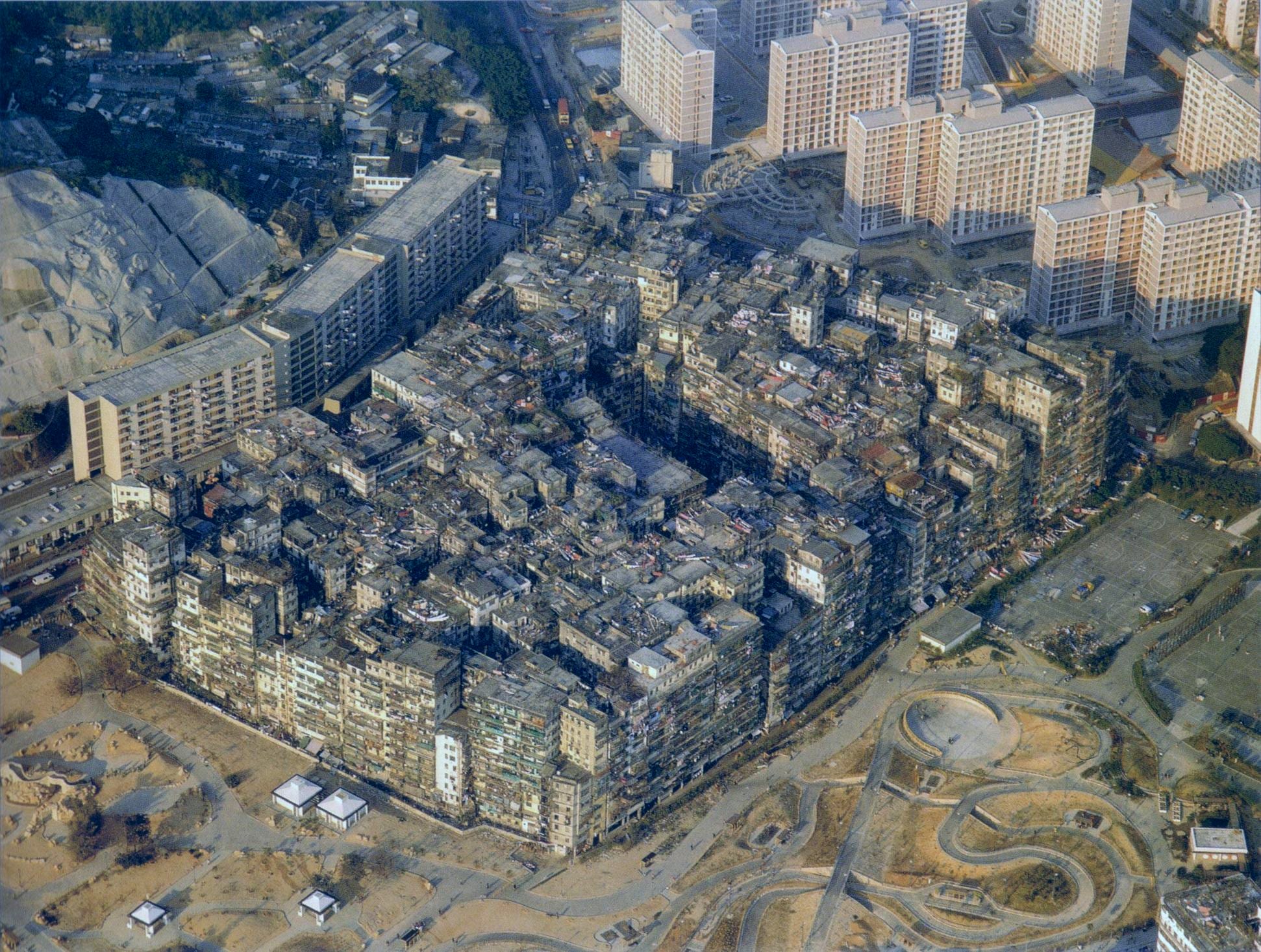
Leftist riots inspired by the Cultural Revolution in 1967 killed around 50 people and shocked the colonial government into decades of reform — labour law, mass public housing, free education, and, in 1974, an anti-corruption commission that transformed a famously corrupt police force.
By the 1980s Hong Kong was one of the "Four Asian Tigers", moving from factories — which relocated across the border into Shenzhen after Deng Xiaoping's reforms — into finance and services.
Handover, and after
The Sino-British Joint Declaration of 1984 set the terms: Hong Kong would return to China on 1 July 1997 as a Special Administrative Region under "one country, two systems", keeping its capitalism, common law and freedoms, and "a high degree of autonomy", for 50 years. The 1989 Tiananmen crackdown frightened Hong Kongers — a million marched — and triggered an emigration wave.
Under Chinese rule, the promised progress toward electing the government by universal suffrage stalled, and mass protests recurred: against an anti-subversion law in 2003, the 79-day "Umbrella Movement" of 2014, and, above all, the 2019 protests against a bill allowing extradition to the mainland — the largest in Hong Kong's history.
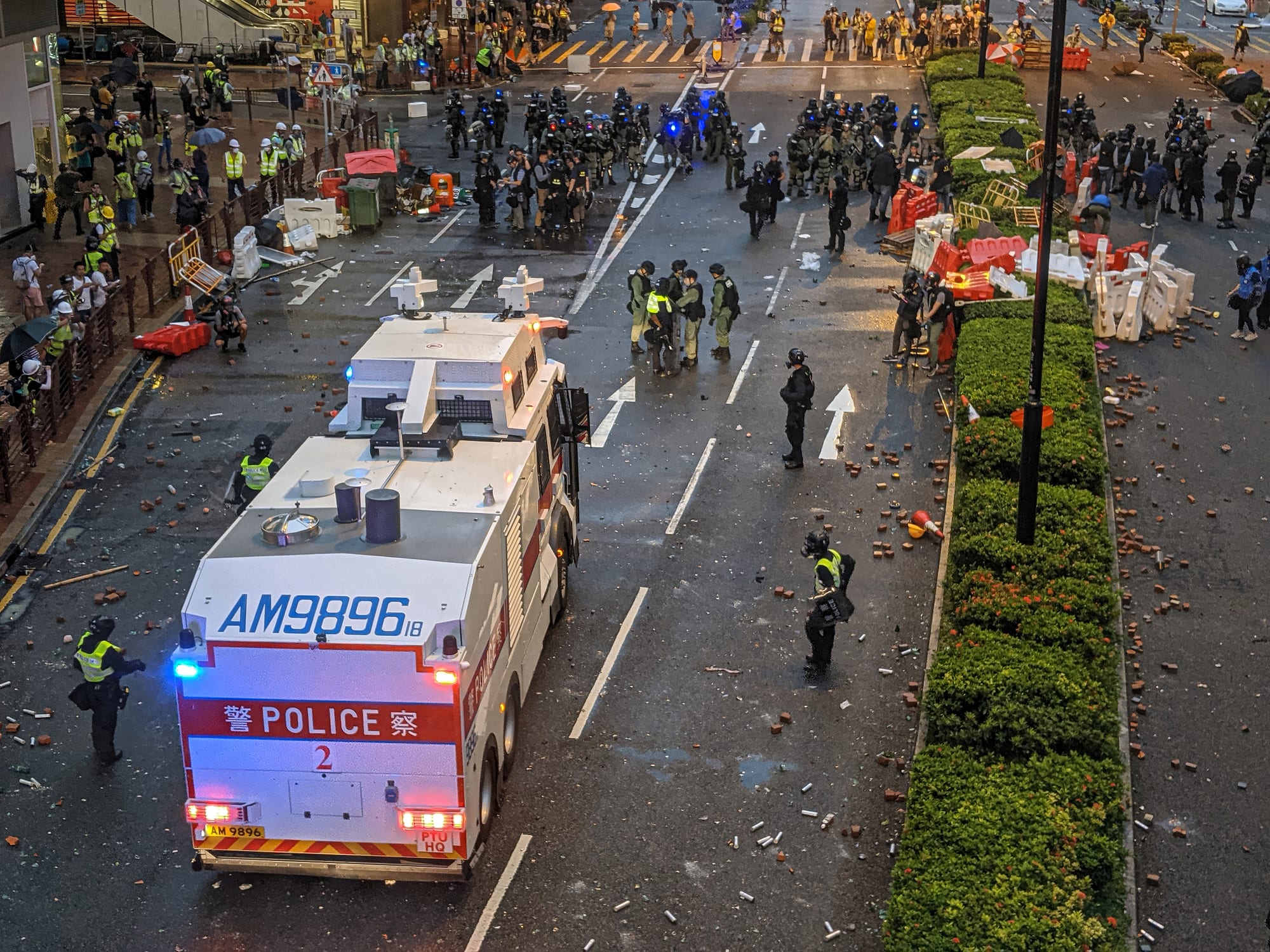
The 2020 National Security Law criminalised secession, subversion and "collusion with foreign forces" in broad terms. Since then most prominent pro-democracy figures have been jailed or have left, independent newspapers have closed, the legislature has been restricted to vetted "patriots", and civil-society groups have disbanded. A further security law passed in 2024, and well over 100,000 people have emigrated.
What Hong Kong carries
Hong Kong was, in a phrase from a 1960s book, "a borrowed place living on borrowed time" — a colony created by force whose lease had an end date. It used that time to become one of the freest and richest cities in Asia. The bet of 1984 was that its distinct system could survive inside China until 2047. The years since 2020 have been about how much of it does.