Food · Hong Kong
Hong Kong: Food and the National Dish
Small steamed and fried plates ordered by the cartload, glossy roast meats hanging in shop windows, and a Cantonese food culture sharpened by a century under British rule
By Worldlore Editorial · 16 September 2026
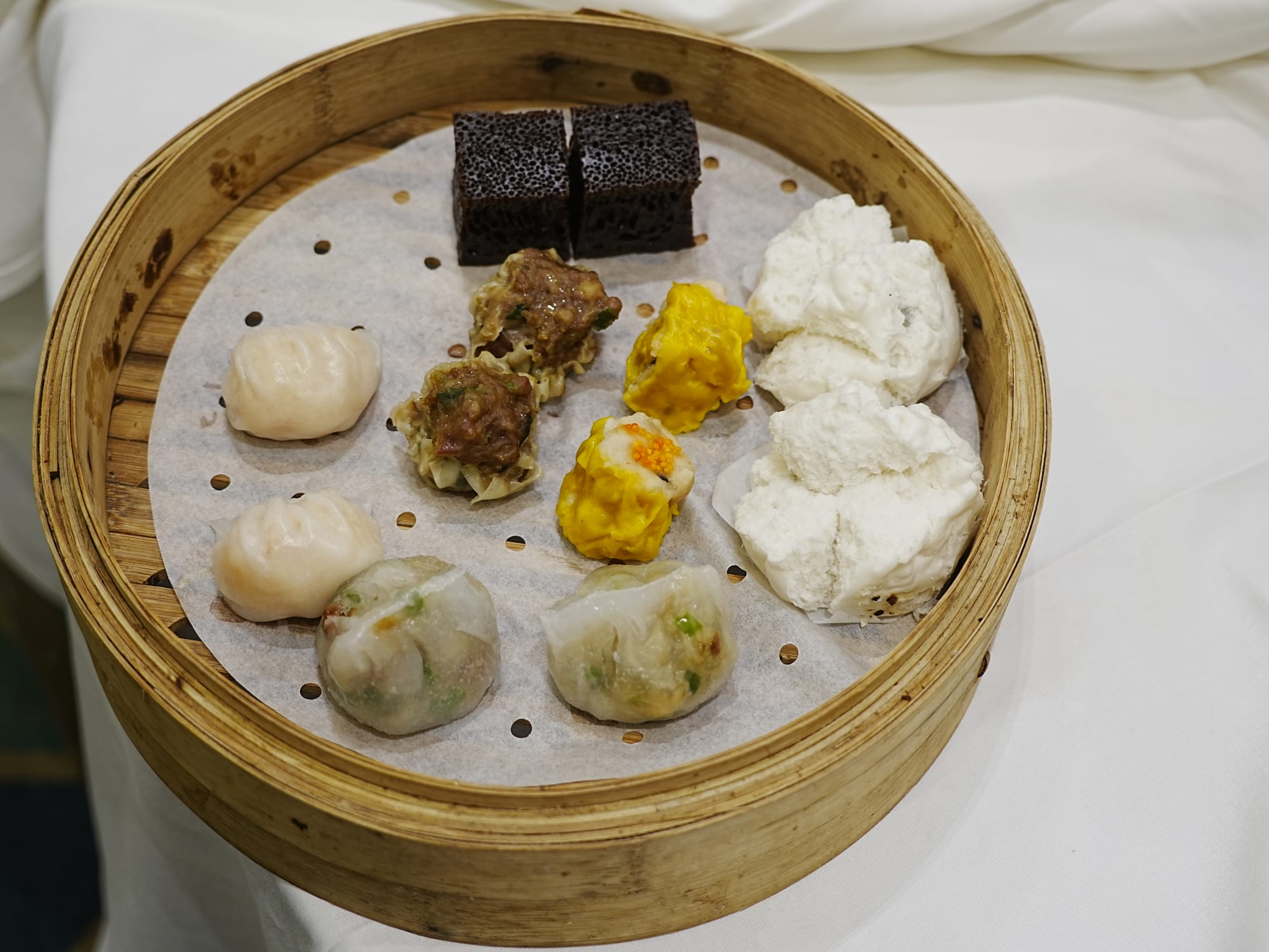
Cantonese cooking sharpened by a global port city
Hong Kong's food is built on Cantonese cuisine's core techniques — quick cooking, fresh ingredients, and a restrained hand with spice that lets flavour come from the ingredients themselves — but sharpened by more than a century as a global trading port and British colony, which brought Western ingredients and habits into a genuinely Cantonese kitchen rather than replacing it.
The signature tradition: dim sum
Dim sum, a wide range of small steamed, fried and baked dishes ordered in multiple rounds and shared at the table, is Hong Kong's most internationally recognised food tradition. Traditionally eaten at yum cha, a leisurely tea-drinking session that can stretch for hours, classics like har gow (shrimp dumplings), siu mai (pork dumplings) and char siu bao (barbecue pork buns) are ordered from a menu or, in older teahouses, straight off a passing cart.
Roast meats, rice and the everyday pantry
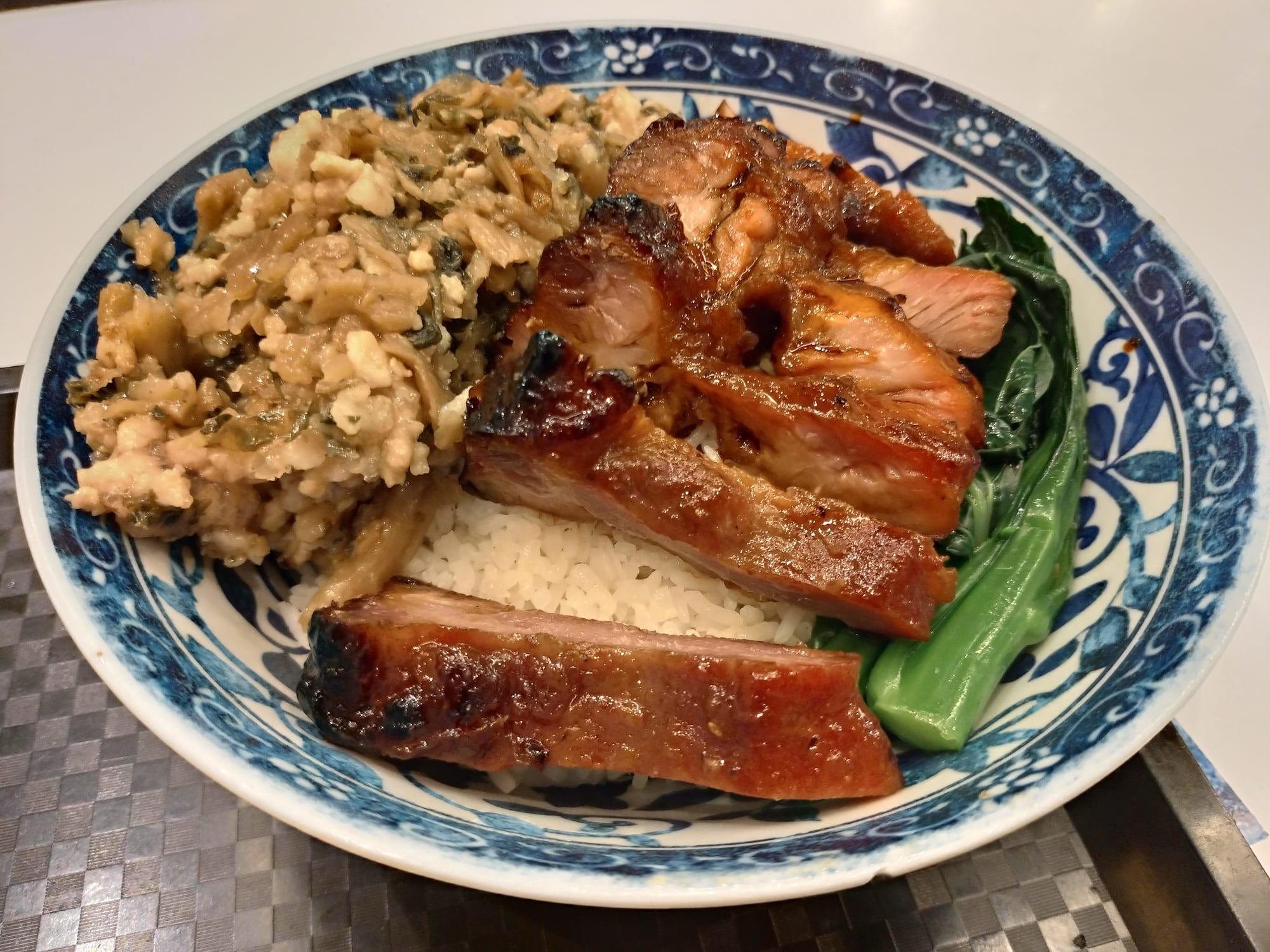
Char siu, barbecue pork glazed and roasted until deeply caramelised, and other siu mei roast meats, hung in shop windows across the city, are some of Hong Kong's most everyday and recognisable food. Rice and noodles form the base for most meals, and soy sauce, ginger and garlic, rather than heavy spice, do most of the flavouring work across Cantonese cooking generally.
History behind the table
Hong Kong's food reflects more than 150 years as a British colony before its 1997 handover, a history that brought Western dishes, ingredients and dining habits into direct, everyday contact with Cantonese cooking. That mixing produced the cha chaan teng, a distinctly Hong Kong diner serving both Cantonese dishes and East-West hybrid food like Hong Kong-style milk tea, borrowed from British tea culture but made in a way found nowhere else.
Dishes to know
Five more to recognise across Hong Kong:
- Har gow — steamed shrimp dumplings with a thin, translucent wrapper, a
dim sum classic.
- Siu mai — open-topped steamed pork and shrimp dumplings, another dim
sum staple.
- Wonton noodles — thin egg noodles served with shrimp-and-pork wontons
in a light broth.
- Hong Kong-style milk tea — black tea brewed strong and mixed with
evaporated or condensed milk, a signature cha chaan teng drink.
- Pineapple bun — a sweet, crumb-topped bun with no actual pineapple in
it, named for its crosshatched golden top.
Drinks
Hong Kong-style milk tea, strong black tea blended with evaporated milk, is the city's signature drink and a genuine daily habit at cha chaan tengs across Hong Kong. Yuenyeung, a mix of coffee and milk tea, is another distinctly Hong Kong invention, and Chinese tea remains central to the dim sum tradition itself.
Eating as a traveller
Vegetarians will find tofu, vegetable and noodle dishes available, though most traditional Cantonese cooking, including dim sum, leans heavily on meat and seafood. Tap water is generally safe, though most locals still prefer boiled or bottled water. Going for yum cha on a weekend morning, when teahouses are busiest and most traditional, is the fullest way to experience Hong Kong's dim sum culture.
What to take from the table
Dim sum, ordered round after round and shared unhurried over tea, is the tradition that best represents Hong Kong food — and a cha chaan teng breakfast of milk tea and a pineapple bun shows just how naturally East and West sit together on the city's everyday table.