Daily Life · Hong Kong
Hong Kong: A City That Eats Out Every Day
Flats too small to cook properly in, a working week among the longest of any city on Earth, and a day carried along by the MTR, the wet market and the neighbourhood tea restaurant
By Worldlore Editorial · 30 September 2026
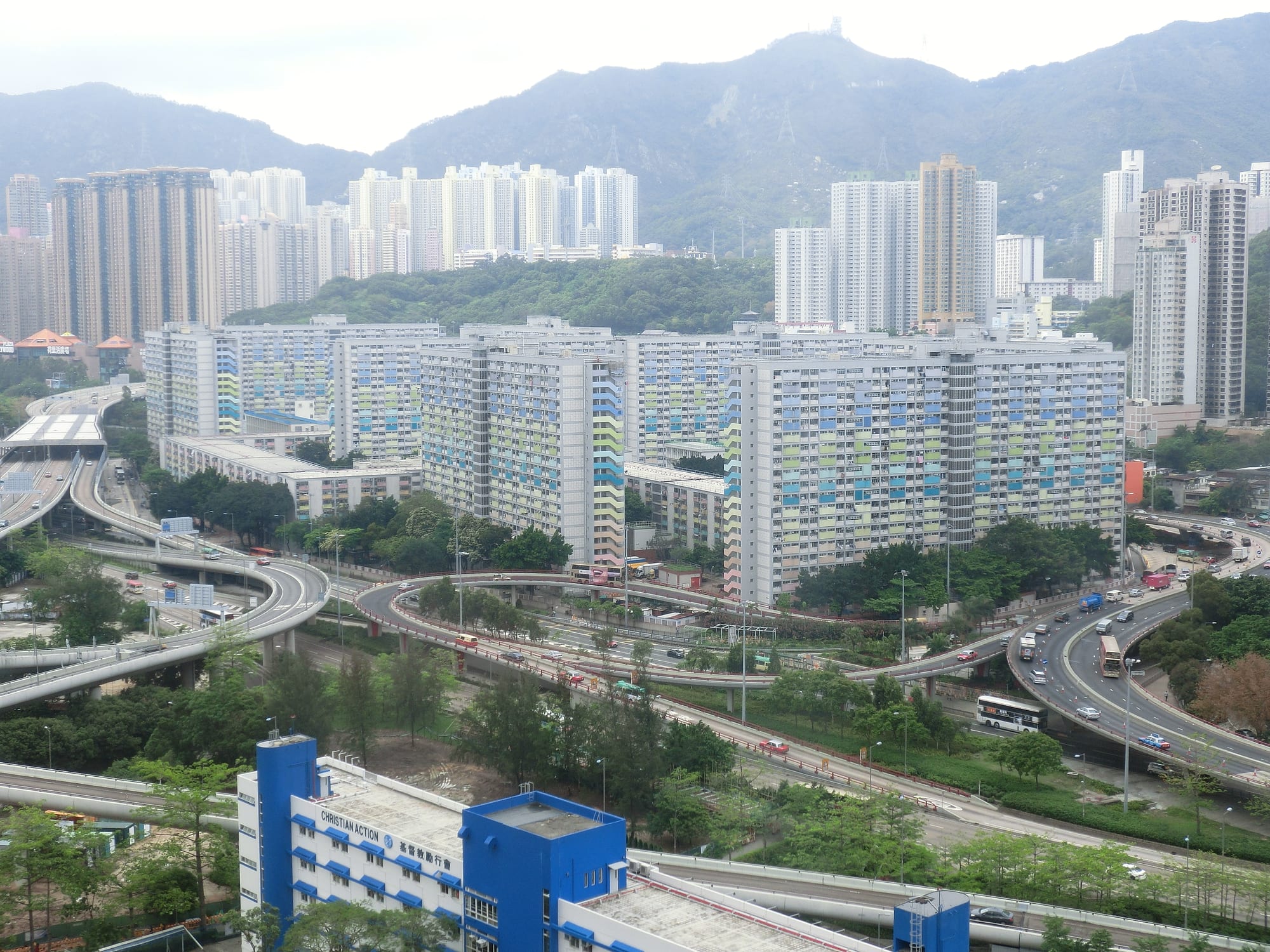
Hong Kong packs about 7.5 million people into one of the most densely populated territories in the world, and that density sets the terms for almost everything else about an ordinary day. Flats are small, so life spills outward into markets, restaurants and the street; the working week is long, so time is scarce and spent efficiently; and the MTR, the city's metro, moves millions of people through it all with a punctuality residents take for granted. It is a fast, hard-working city, and also, in its own way, a sociable one, since so much of daily life happens outside the home.
Family and home life
Living space in Hong Kong is genuinely scarce: homes are among the smallest of any wealthy city, with a median household floor area of about 430 square feet, and more than 200,000 residents live in "subdivided flats", single units split into several smaller ones, some under 100 square feet for an entire household. Families adapt around this: multiple generations often share close quarters, and nearly half of all residents live in government-subsidised public housing, large estates of high-rise towers built specifically to house low- and middle-income households at controlled rents.
Work, school and the rhythm of the day
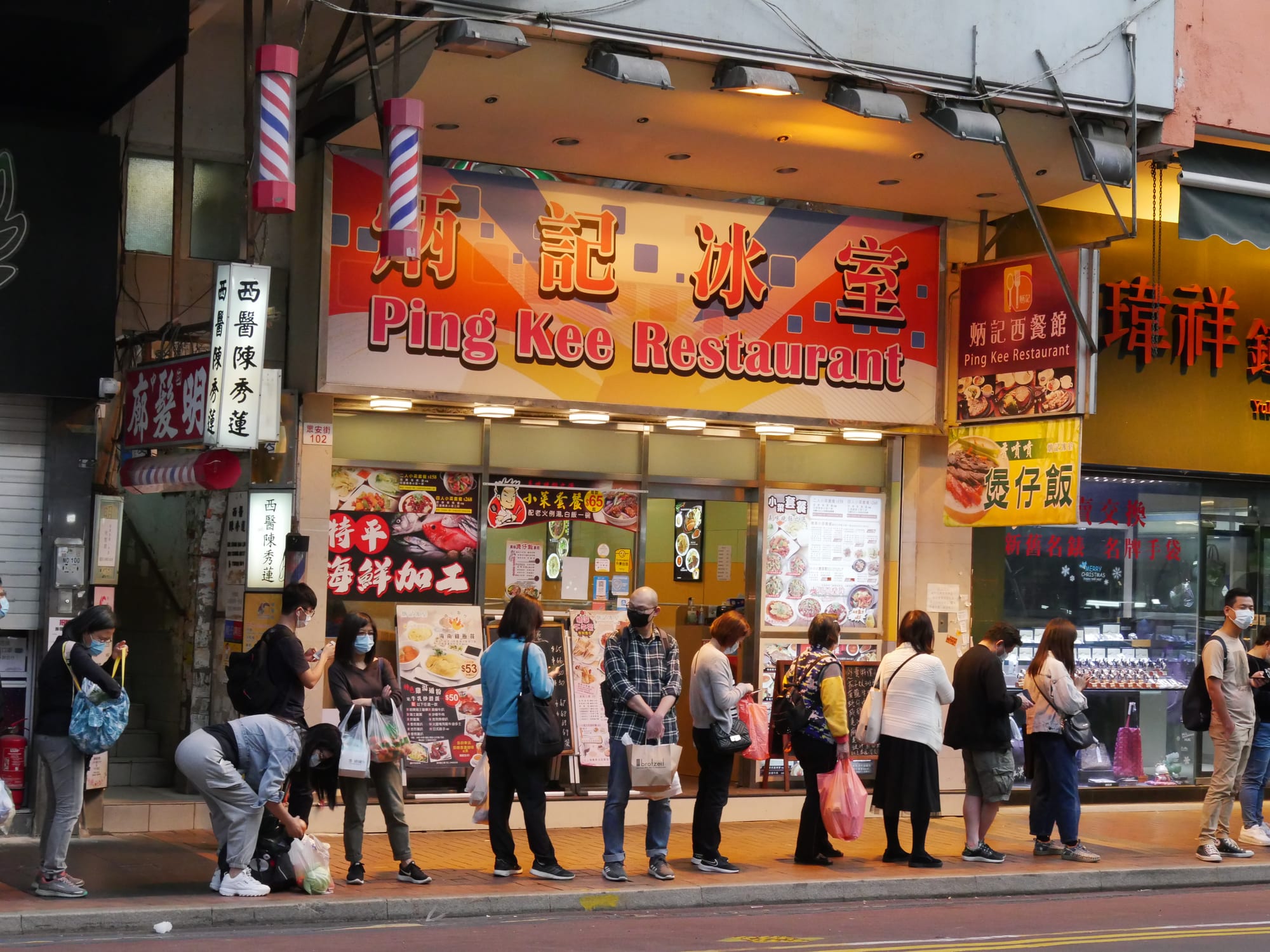
Hong Kong keeps one of the longest average working weeks of any major city: a widely cited 2021 international study ranked it the most overworked city in its index, with nearly 30 percent of full-time employees working more than 48 hours a week, and separate local research has found a fifth of employees working an average of 55 hours. School days are similarly demanding, with a long academic day followed by after-school tutoring common for many pupils. With so little free time and famously small kitchens, eating out is routine rather than a treat: cha chaan teng, unpretentious tea restaurants serving a mix of Cantonese and Western dishes, do the job a home kitchen would elsewhere, and queueing outside a popular one at meal times is completely normal.
Community life and public spaces
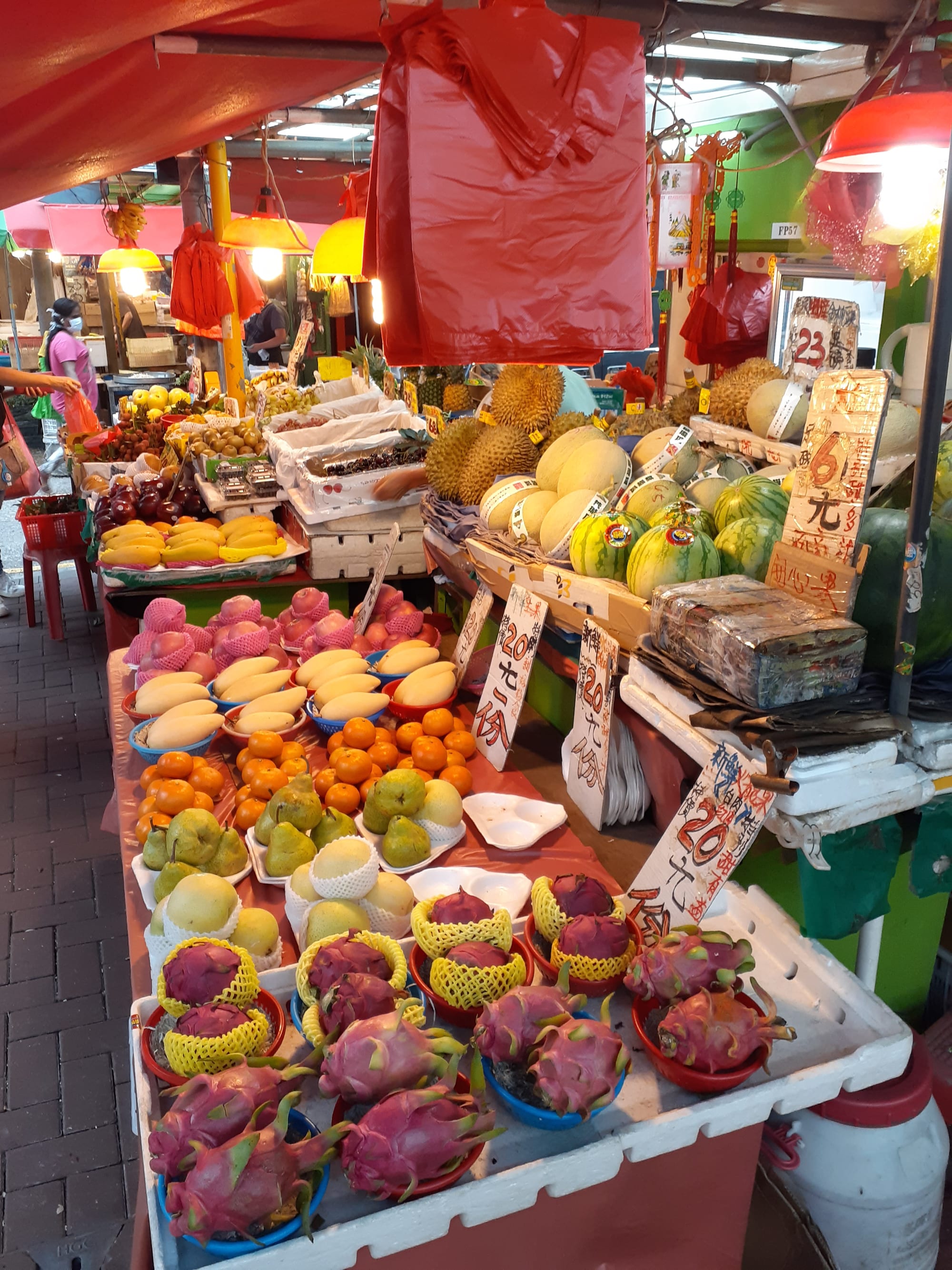
The MTR, paid for with a tap-and-go Octopus card, is the backbone of everyday movement, fast, frequent and used for nearly every kind of trip; the same Octopus card also pays for buses, convenience stores and many small shops. Wet markets, open-air or covered stalls selling fresh produce, meat and fish, remain a genuine daily errand for many households despite the spread of supermarkets, and small shops selling a narrow specialty each still line many streets rather than being consolidated into malls. Cha chaan teng and small noodle shops double as informal community hubs, the kind of place where the same regulars turn up at the same tables.
Free time and weekends
Nearly two-fifths of Hong Kong's land is protected as country parks and special areas, and weekend hiking is a genuinely mainstream pastime rather than a niche one, helped by how quickly a trail can be reached from even the densest neighbourhoods by MTR or bus. Ferries to outlying islands such as Lamma and Cheung Chau are a popular way to spend a slower day away from the towers. Horse racing draws large, enthusiastic crowds, notably on Wednesday race nights at Happy Valley, and mahjong remains a common way for family and friends to spend an evening together at home.
A visitor's ordinary day
An Octopus card, sold at any MTR station, covers transport and a great many small purchases and is worth getting on arrival. The MTR is fast, cheap and easy to navigate, and taxis are metered and reliable, though harder to find at peak times. Restaurants and shops keep long hours throughout the week, and queueing, whether for a cha chaan teng table or a bus, is standard practice rather than a sign anything is unusual. During the May-to-November typhoon season, watch for the Hong Kong Observatory's signal numbers: at Signal 8, offices, schools and financial markets close and many bus and ferry services stop, sometimes at short notice.
What to take away
An ordinary day in Hong Kong is shaped less by any single custom than by density itself: tiny homes, long working hours and a genuine talent for building an efficient, sociable life in the space left over, on the street, on the MTR and at the corner cha chaan teng.