Food · Honduras
Honduras: Food and the National Dish
A folded flour tortilla stuffed with beans, cheese and cream, eaten everywhere from street carts to breakfast tables, in a country whose coffee quietly rivals its more famous neighbours'
By Worldlore Editorial · 16 September 2026
A Central American table with two coasts
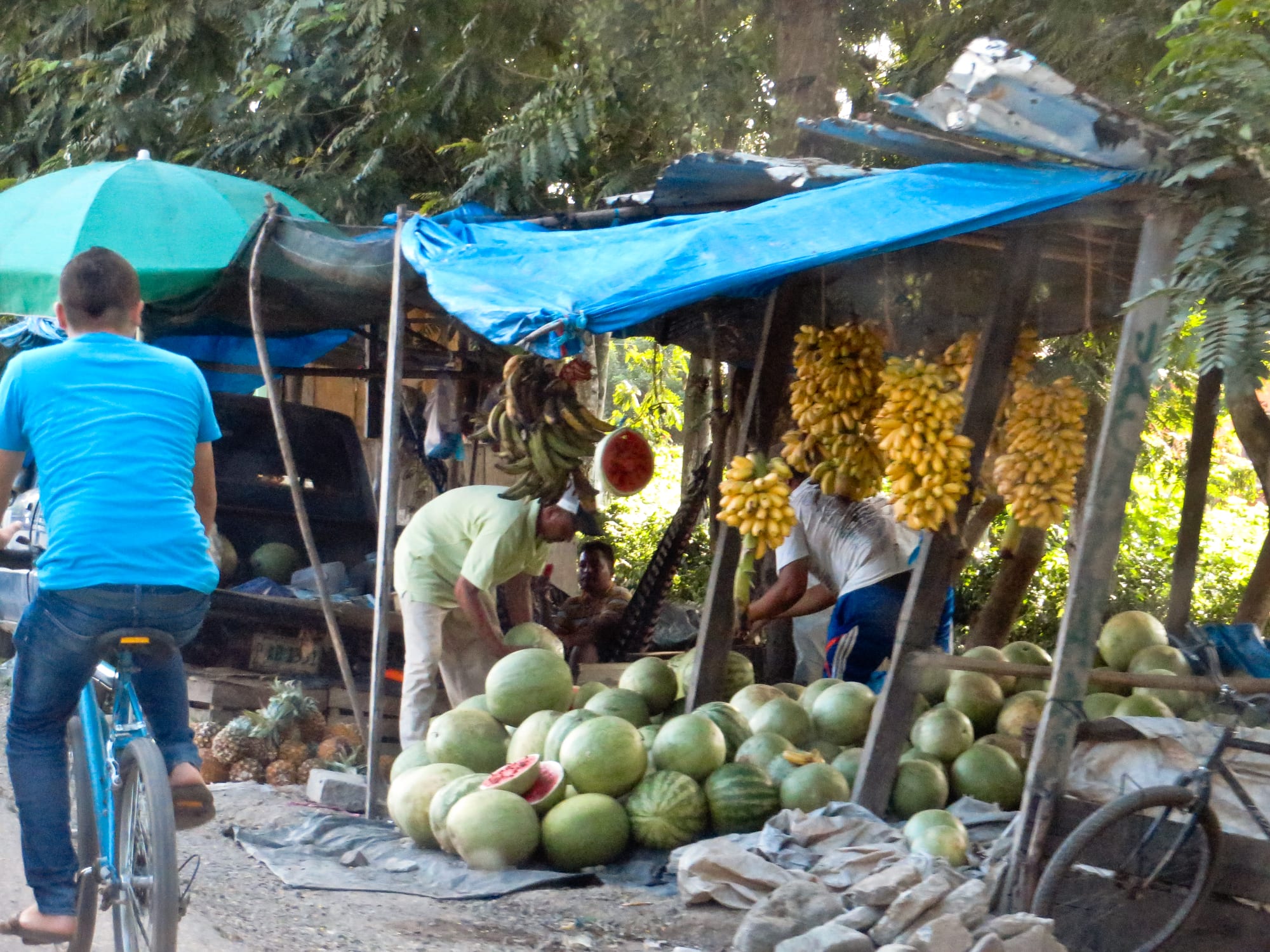
Honduras sits between the Pacific and the Caribbean, and its food splits accordingly: a Spanish-influenced interior built on corn, beans and rice, and a Garifuna and Caribbean-influenced north coast built on coconut, plantain and seafood. Both traditions share a base of corn tortillas, beans and simple, unfussy everyday cooking.
The national dish: baleadas
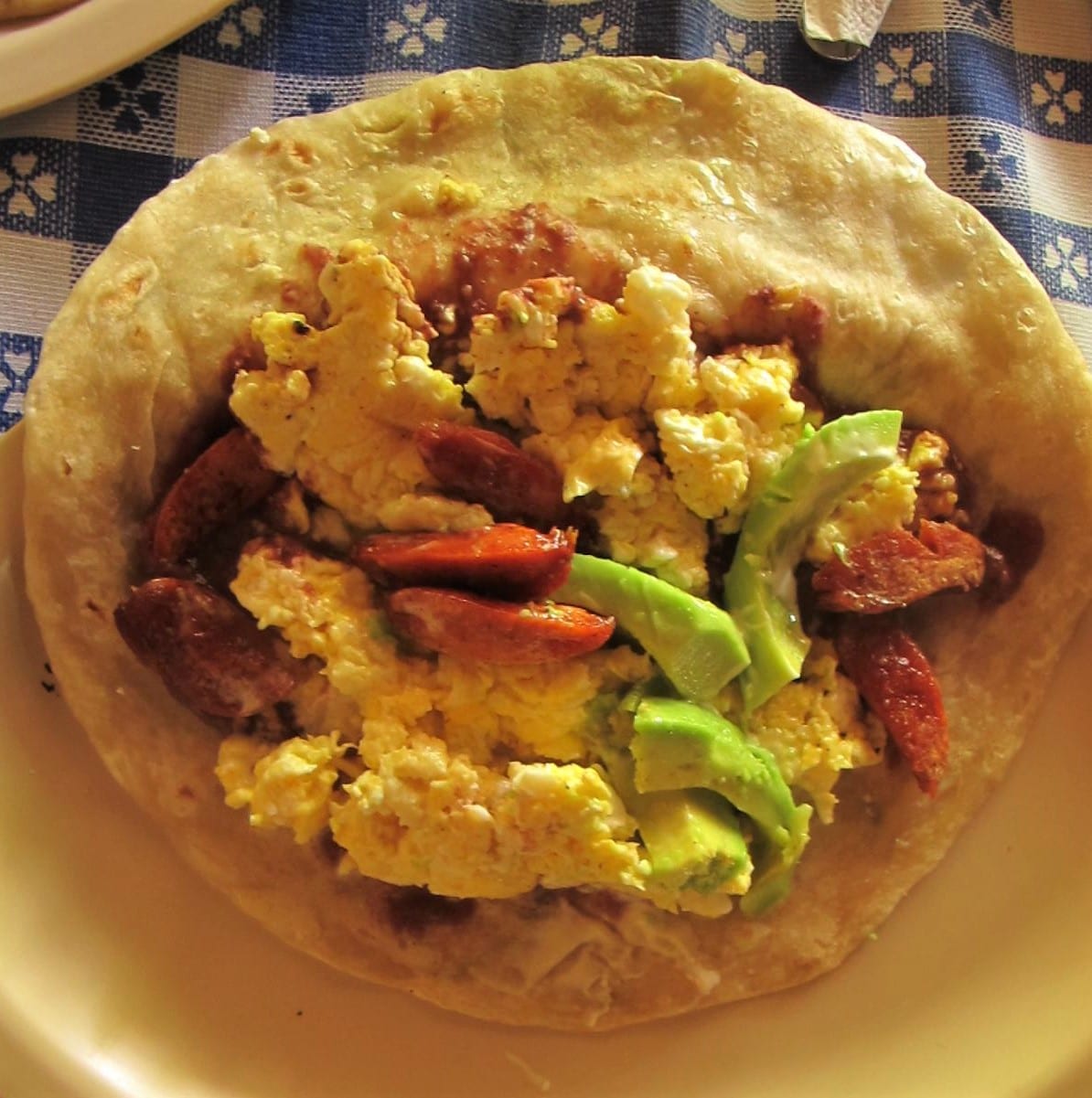
A baleada, a thick flour tortilla folded over refried beans, crumbled cheese and mantequilla (a Honduran soured cream), is Honduras's national dish and its most iconic everyday food. Originally a simple street snack, often credited to street vendors in the northern coastal city of La Ceiba, the baleada has grown into something eaten at any time of day across the entire country, sometimes topped with egg, avocado or shredded meat for a heartier version.
Corn, beans and two distinct coastal pantries
Corn tortillas, red or black beans, rice and cheese anchor everyday cooking across most of Honduras, while the Garifuna communities of the north coast bring a genuinely distinct food tradition built on coconut milk, plantain, cassava and fresh seafood. Coffee, grown across Honduras's mountainous interior, has become one of the country's most significant crops, on par with or exceeding several of its better-known Central American neighbours in export volume.
History behind the plate
Honduras's food reflects a layered history: Indigenous Lenca and Maya agricultural traditions (Copán, in western Honduras, was once a major Maya city) underpin the corn-and-bean foundation, Spanish colonial rule added rice, beef and dairy, and the Garifuna people, descended from West African and Indigenous Caribbean ancestry and settled along Honduras's north coast since the 18th century, brought an entirely separate coconut-and-seafood culinary tradition that remains distinct today.
Dishes to know
Five more to recognise across Honduras:
- Sopa de caracol — a conch soup made with coconut milk, popular along
the Caribbean coast.
- Tajadas — fried plantain chips, served as a side with meat or as a
snack on their own.
- Pastelitos — small fried pastries filled with meat, potato or cheese.
- Montucas — Honduran-style corn tamales made with fresh, sweet corn
rather than dried masa.
- Casamiento — a mix of rice and beans cooked together, similar to
dishes found across Central America under other names.
Drinks
Coffee, grown across Honduras's highlands, is a genuine daily habit and a major national export. Horchata, made with rice, seeds and cinnamon depending on the region, and licuados, fresh fruit blended with milk or water, are common non-alcoholic options, and Honduran rum and beer are both widely drunk.
Eating as a traveller
Vegetarians will find bean-based baleadas, tajadas and rice dishes manageable, though meat and seafood are common in most traditional cooking. Tap water is not reliably safe outside major hotels; stick to bottled or boiled water. Trying a baleada from a street cart, rather than a restaurant, is the most authentic way to experience Honduras's national dish.
What to take from the table
A baleada, simple and endlessly adaptable, is the dish that best represents Honduran food — and a bowl of sopa de caracol on the Caribbean coast shows just how different the country's food can look from one coastline to the other.