Daily Life · Honduras
Honduras: A Country Kept Running From Abroad
Grandparents raising grandchildren while parents work in the United States, a lempira economy underwritten by money wired home, and a day still built around the comedor, the market stall and the rapidito bus
By Worldlore Editorial · 30 September 2026
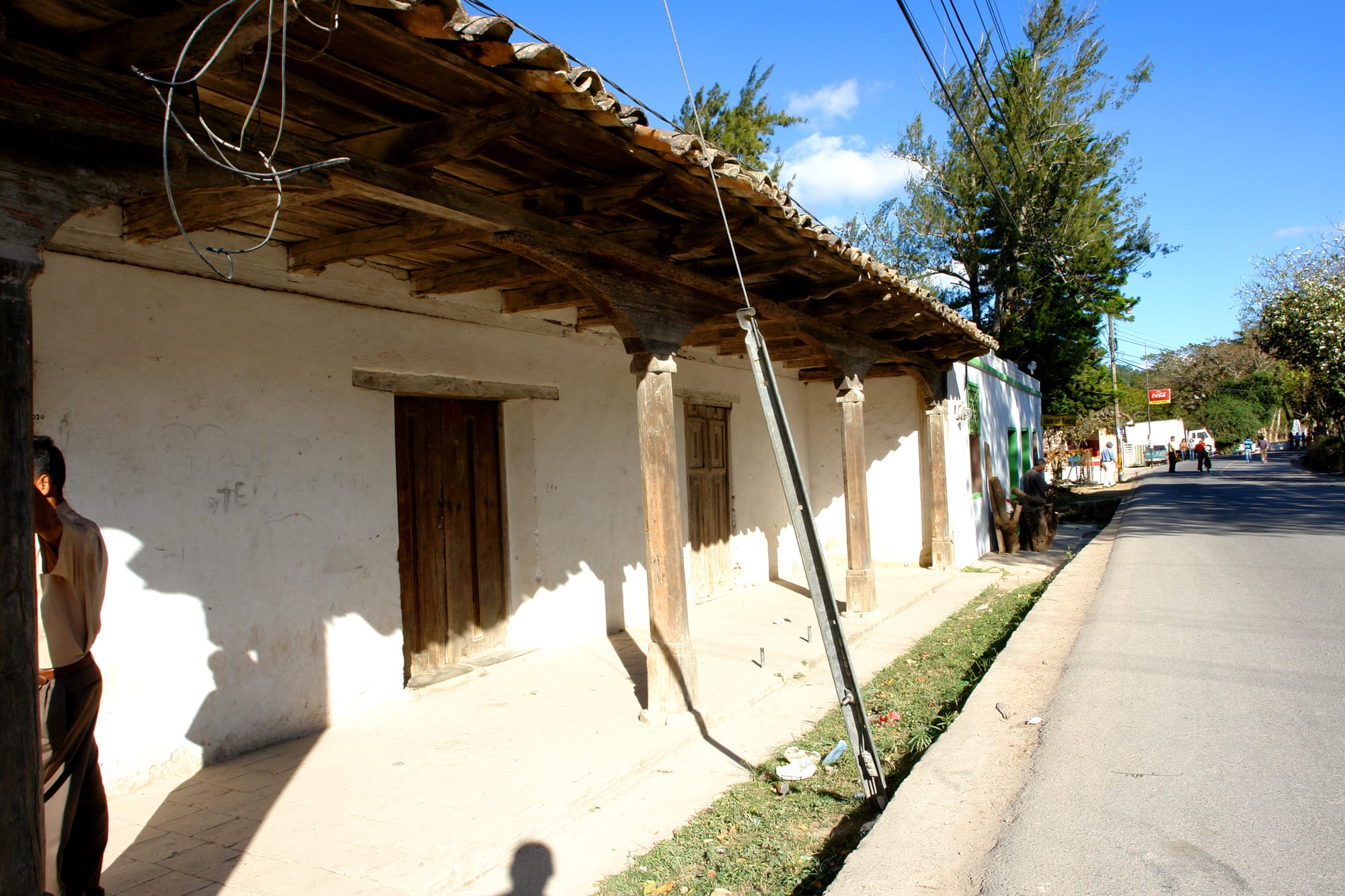
An ordinary day in Honduras is shadowed by an extraordinary fact: for a large share of households, someone who should be part of it is working abroad instead. Money sent home from the United States pays for food, school supplies and doctors' visits in towns and villages across the country, and grandparents, aunts and older siblings routinely fill in for parents who cannot be there. Around that absence, daily life still keeps its familiar shape — the comedor lunch, the open-air market, the crowded rapidito minibus — carried on by the people who stayed.
Family and home life
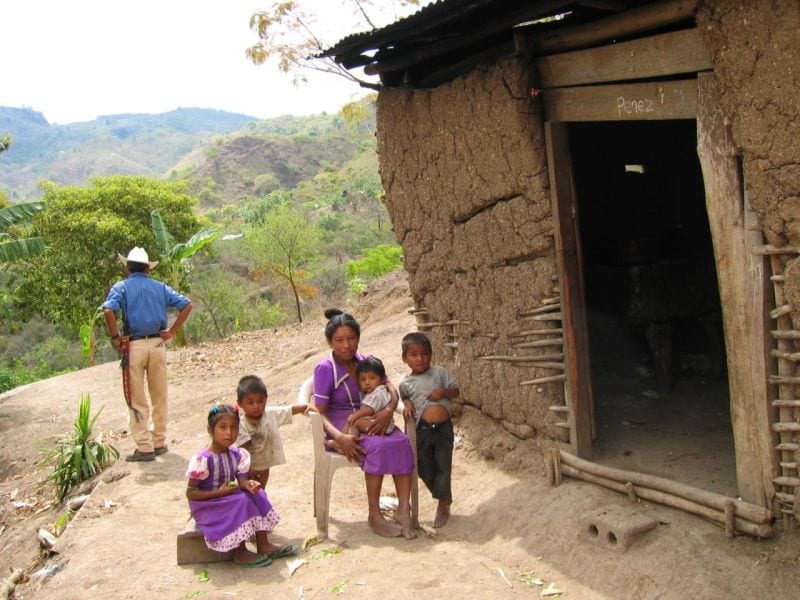
Honduran households are traditionally large and close-knit, and it remains common, especially outside the cities, for grandparents, parents and children to share a home or live within easy reach of one another. Migration has reshaped that pattern rather than replaced it: with so many adults working in the United States, many children are raised day to day by grandparents or other relatives, kept in contact with absent parents by phone and video call rather than daily presence. Money sent home, rather than a parent's own labour, is often what pays a household's everyday costs, with remittance-receiving families spending much of that money on food, healthcare and household bills.
Work, school and the rhythm of the day
Honduran labour law sets a daytime working day of up to eight hours and a 44-hour week, paid as 48, which can be spread over up to six days, though many salaried jobs keep a five-day pattern. School usually starts early in the morning, so many pupils are out of the door soon after dawn. Away from salaried offices, a great deal of everyday work is informal: market stalls, roadside food stands, small comedores and motorbike-taxi runs, all keeping far longer and less fixed hours than any office job. For the many households receiving remittances, that money is not a bonus but a core part of the family budget, often covering costs that a local wage alone could not.
Community life and public spaces
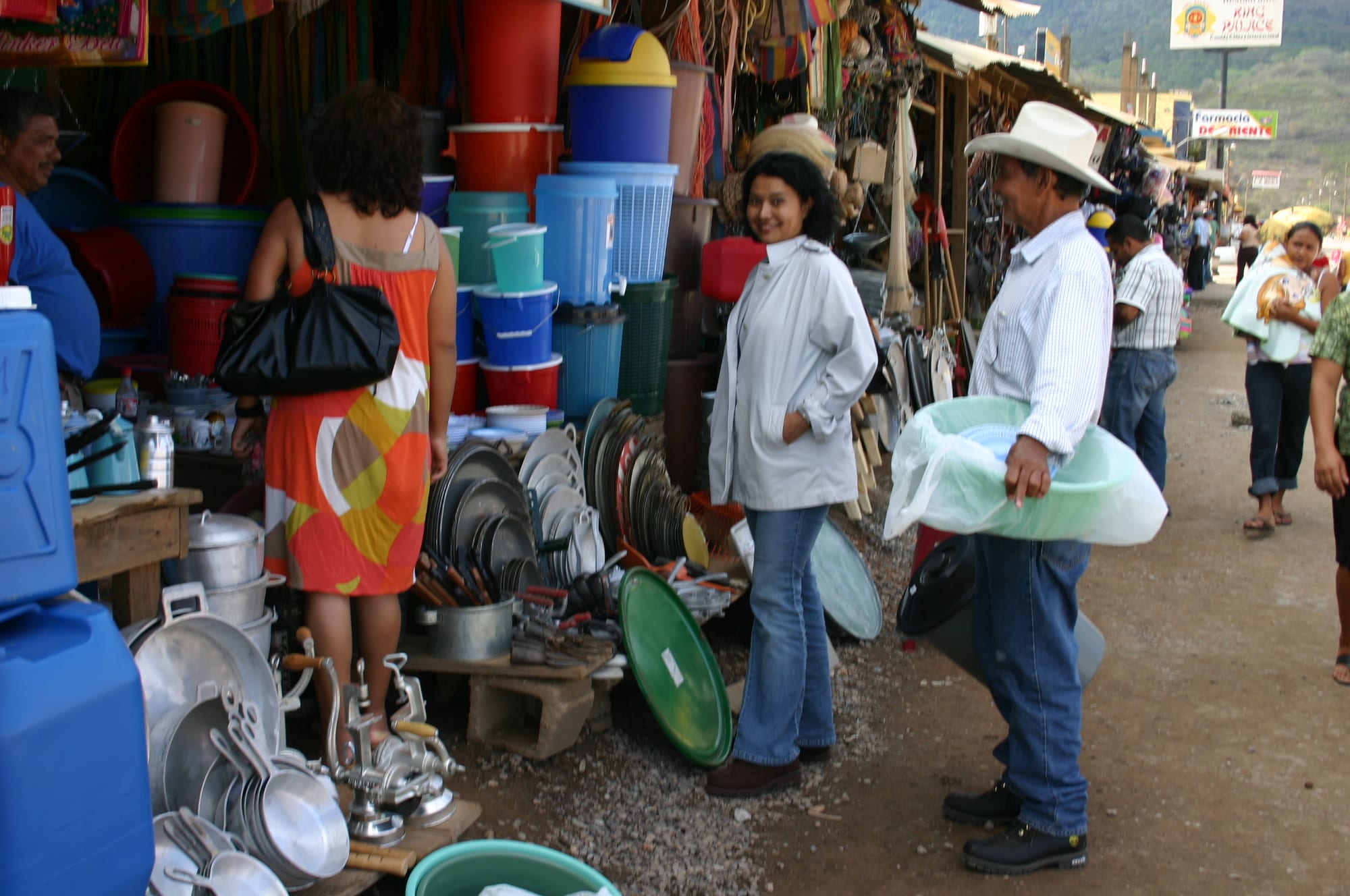
The market remains the everyday anchor of public life, whether that is a handful of stalls under tarpaulins in a small town or a sprawling covered market in a larger one, selling fruit, vegetables, meat and household goods side by side. Getting around, in turn, runs on buses, including the rapidito, the fast and often crowded urban minibus of Tegucigalpa, and on intercity coaches for longer journeys. Comedores — small, family-run lunch counters — do the same job for food that the rapidito does for transport: cheap, informal, and part of the daily routine rather than an occasion.
Free time and weekends
Sunday is the main day off for most people, and for many families it is spent much the same way in cities and small towns alike: church in the morning, then a long, unhurried family lunch. Football draws consistent attention at every level, from amateur neighbourhood clubs to the national team, and is a near-universal talking point. Local patron-saint festivals, or ferias, punctuate the calendar in towns across the country, bringing out food stalls, music and fairground rides for a few days at a time.
A visitor's ordinary day
Honduras runs mostly on cash outside hotels, larger shops and restaurants in the bigger towns, so carrying lempiras is essential, particularly for markets, comedores and rapiditos. Local buses and minibuses are often crowded and run to no published timetable, so patience is normal rather than a sign something has gone wrong. Shops and market stalls are generally open by mid-morning and stay open into the evening, and Sunday mornings, when much of the country is at church, are the quietest time to be out and about.
What to take away
An ordinary day in Honduras is held together as much by people who are not physically in the country as by those who are — a rhythm of comedores, markets and rapiditos carried on, in a great many households, on money earned somewhere else.