History · Guinea
Guinea: The Country That Said No
The water tower of West Africa and the world's richest store of bauxite — an Islamic highland state, the one colony to reject de Gaulle's offer in 1958, and decades of dictatorship since
By Worldlore Editorial · 19 September 2026
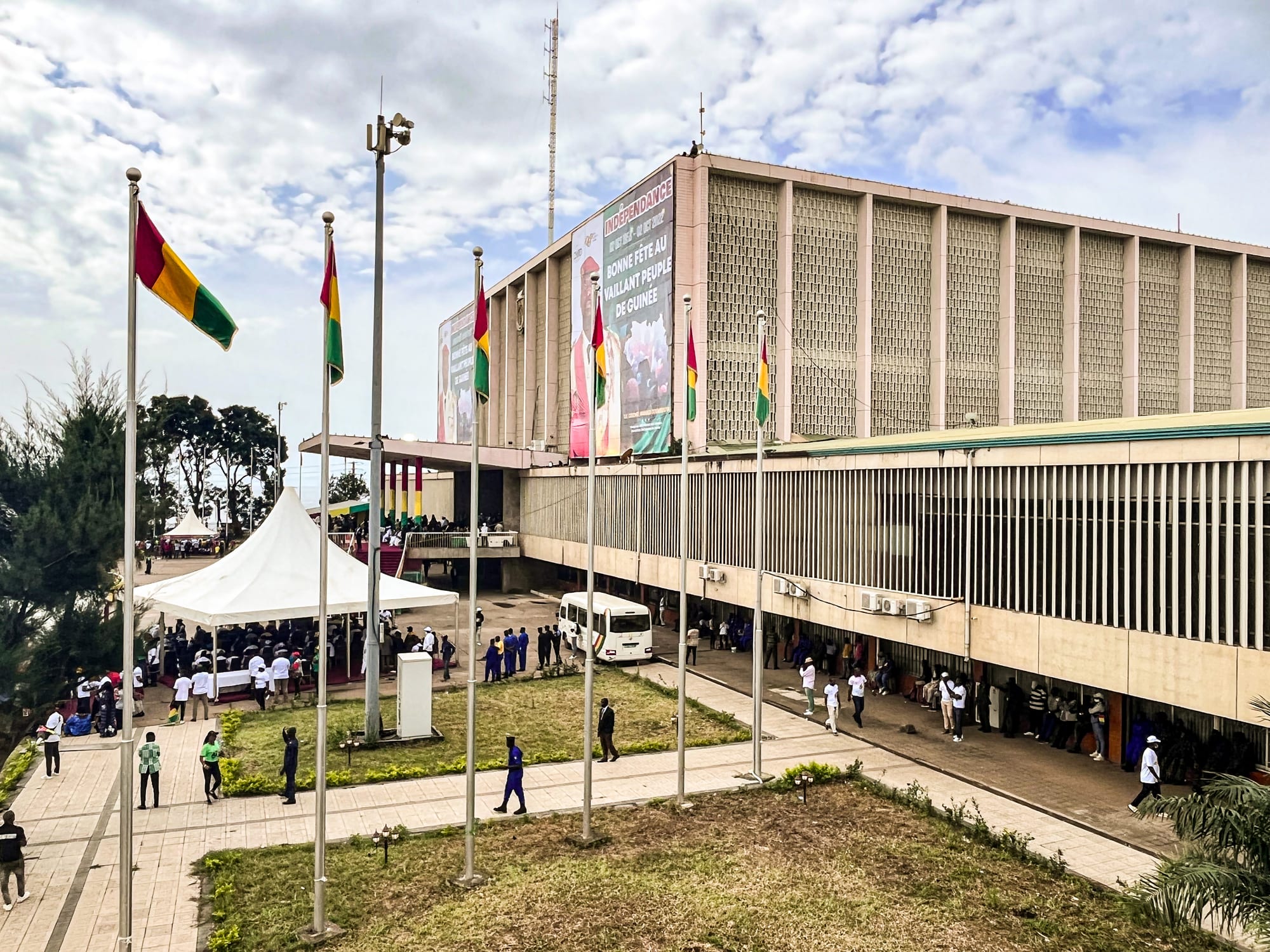
Rich ground, poor country
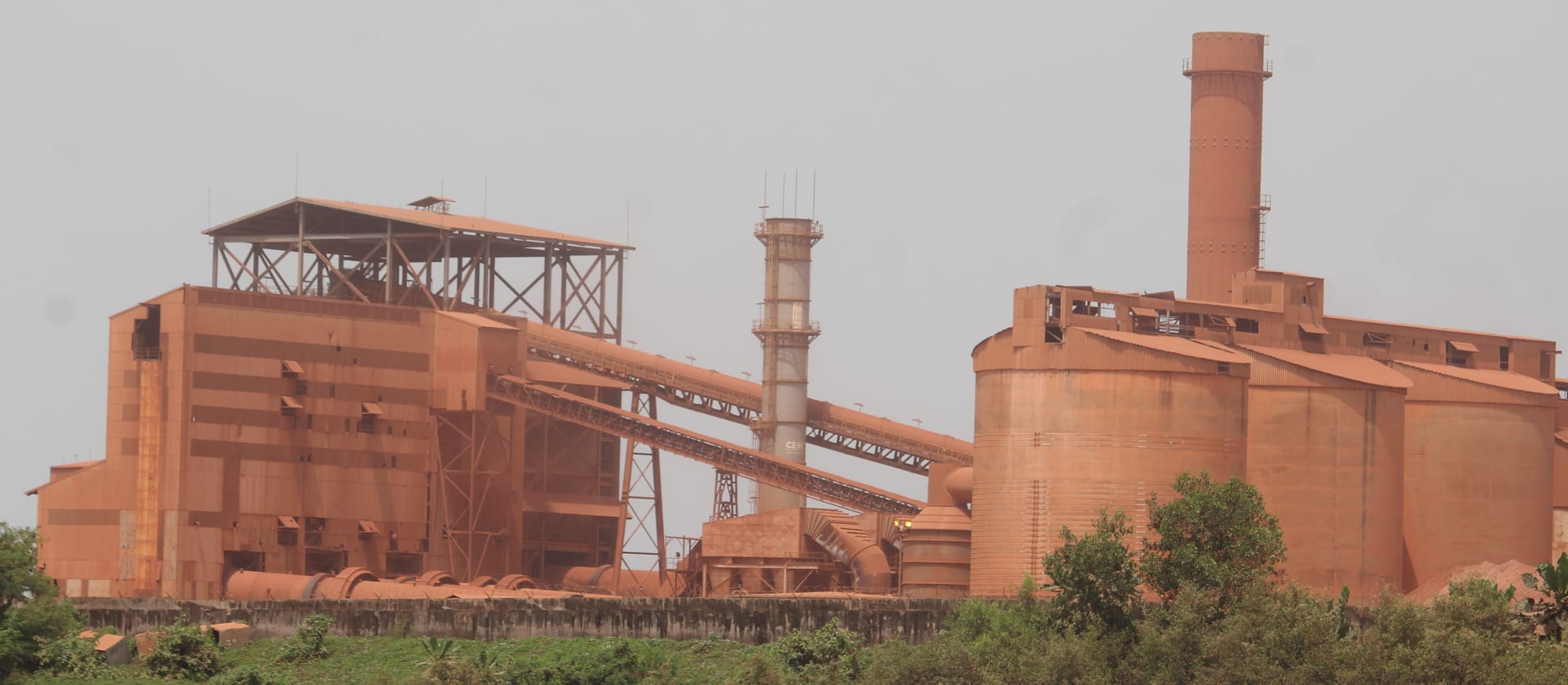
Guinea, on the Atlantic coast of West Africa, holds by far the world's largest reserves of bauxite, the ore of aluminium — roughly a quarter of the global total — along with vast high-grade iron ore, gold and diamonds. It is also one of the poorest countries on Earth. The gap between that wealth and that poverty is the recurring theme of its modern history, together with a single dramatic choice: in 1958 Guinea was the only French African territory to vote for immediate independence, and it paid for that vote for a generation.
A short history
- 13th–15th centuries
Mali
Upper Guinea is a core region of the Mali Empire.
- c. 1725
Futa Jallon
A Fulani jihad founds an Islamic state on the highlands.
- 1870s–1898
Samori Touré
The Wassoulou empire resists French expansion.
- 1898
French conquest
Samori is captured; French Guinea is consolidated.
- 1958
The "No"
Guinea alone rejects de Gaulle's French Community and takes independence.
- 1958–1984
Sékou Touré
A one-party state; Camp Boiro; a huge exile diaspora.
- 1984
Conté's coup
The army takes power after Sékou Touré's death.
- 2009
Stadium massacre
Soldiers kill and rape pro-democracy demonstrators.
- 2021
Another coup
Colonel Doumbouya overthrows President Condé.
Empires and resistance
Upper Guinea, the Mandinka heartland, was a core region of the Mali Empire. On the highlands, a Fulani-led jihad founded the Imamate of Futa Jallon around 1725 — one of West Africa's earliest Islamic states, a confederation of provinces under an almami, with Quranic schools and a slave-based plantation economy.
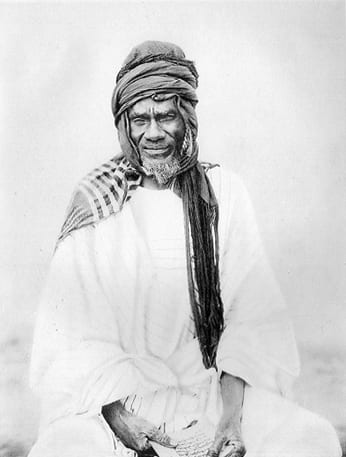
France established coastal posts from the 1880s, broke Futa Jallon in 1896 and captured Samori in 1898, and made French Guinea part of French West Africa. Bananas and coffee were the colonial crops; bauxite mining began in the 1950s.
The "No" of 1958
In September 1958 de Gaulle offered France's African colonies a referendum: vote "yes" to join a new French Community, with autonomy under French leadership, or "no" for immediate independence — with all French aid, personnel and investment withdrawn at once. Guinea, led by the trade unionist Ahmed Sékou Touré, was the only territory to vote "no", by 95 per cent. Touré's phrase was that Guinea preferred freedom in poverty to riches in slavery.
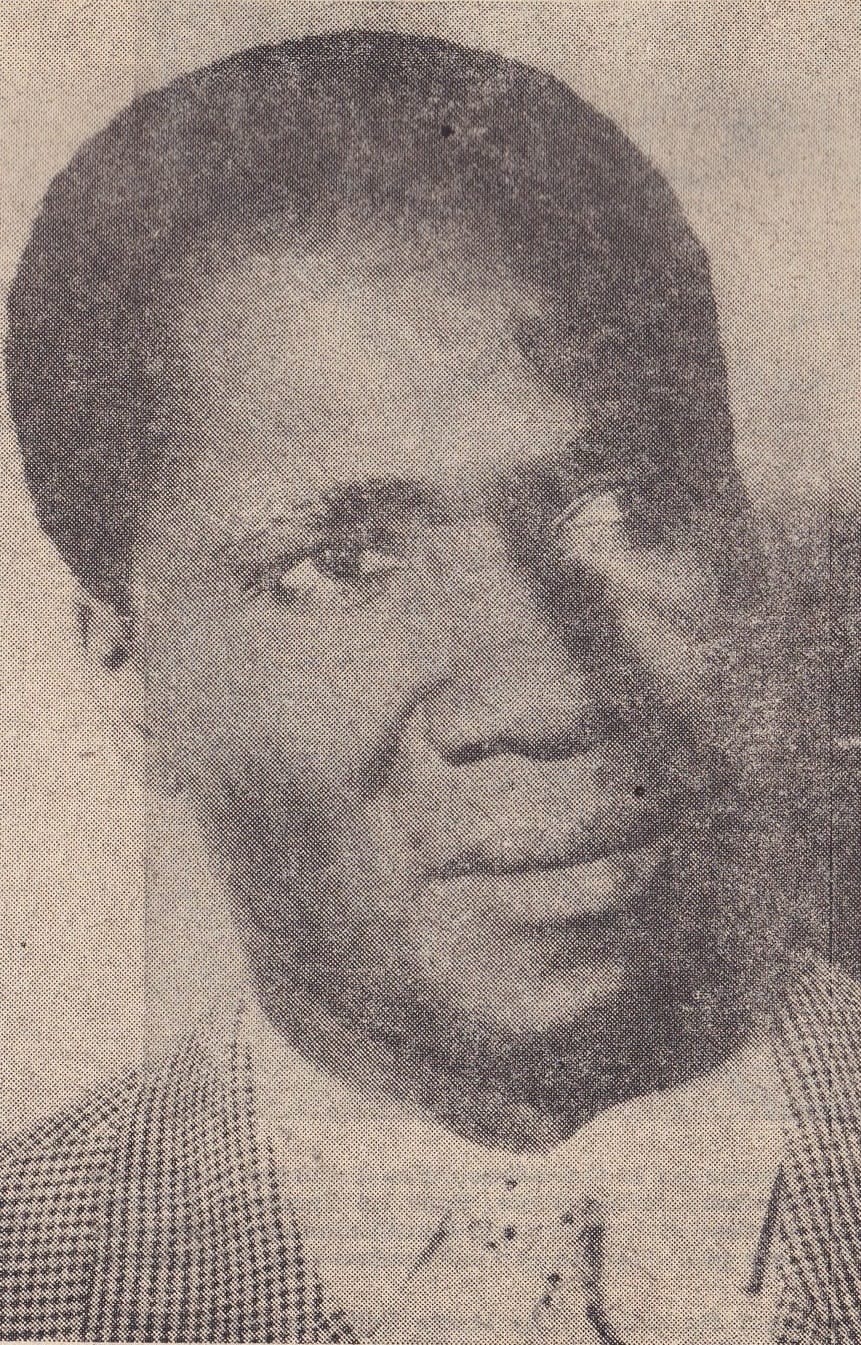
France left abruptly and vindictively. Guinea became independent on 2 October 1958, isolated and broke, and turned to the Soviet bloc and pan-Africanism for support.
Sékou Touré's state
Touré ruled for 26 years as a one-party socialist state that grew steadily more paranoid. A series of alleged conspiracies — the "permanent plot" — justified waves of mass arrests. Camp Boiro, a detention centre in Conakry, held thousands who were tortured or starved to death; estimates of those killed run into the tens of thousands, and one to two million Guineans fled into exile, forming a diaspora that still shapes the country. The economy stagnated under central planning despite the bauxite in the ground.
Conté, and the coups
Days after Sékou Touré died in 1984, the army seized power under Lansana Conté, who ruled for 24 years — introducing multiparty elections in name, rigging them in practice, and presiding over deepening corruption while Guinea absorbed hundreds of thousands of refugees from the wars in Liberia and Sierra Leone.
Hours after Conté's death in 2008, Captain Moussa Dadis Camara took over. On 28 September 2009 his soldiers massacred demonstrators in a Conakry stadium, killing at least 156 people and raping more than a hundred women. A civilian, Alpha Condé, then won Guinea's first competitive election in 2010 — but forced through a new constitution in 2020 to take a third term, and in September 2021 special forces under Colonel Mamady Doumbouya overthrew him. The junta still rules.
What Guinea carries
Guinea's 1958 "no" made it a symbol of uncompromised independence, and it remains a point of national pride — but the cost, an abrupt French withdrawal and an isolation that helped entrench Sékou Touré's dictatorship, shaped everything after. Sixty-five years on, the country still sits on some of the richest mineral ground in the world, still very poor, and still governed by soldiers.