Food · Guinea
Guinea: Food and the National Dish
Rice cooked rich with tomato, oil and meat in a country whose highlands, coast and forest each grow food a different way
By Worldlore Editorial · 16 September 2026
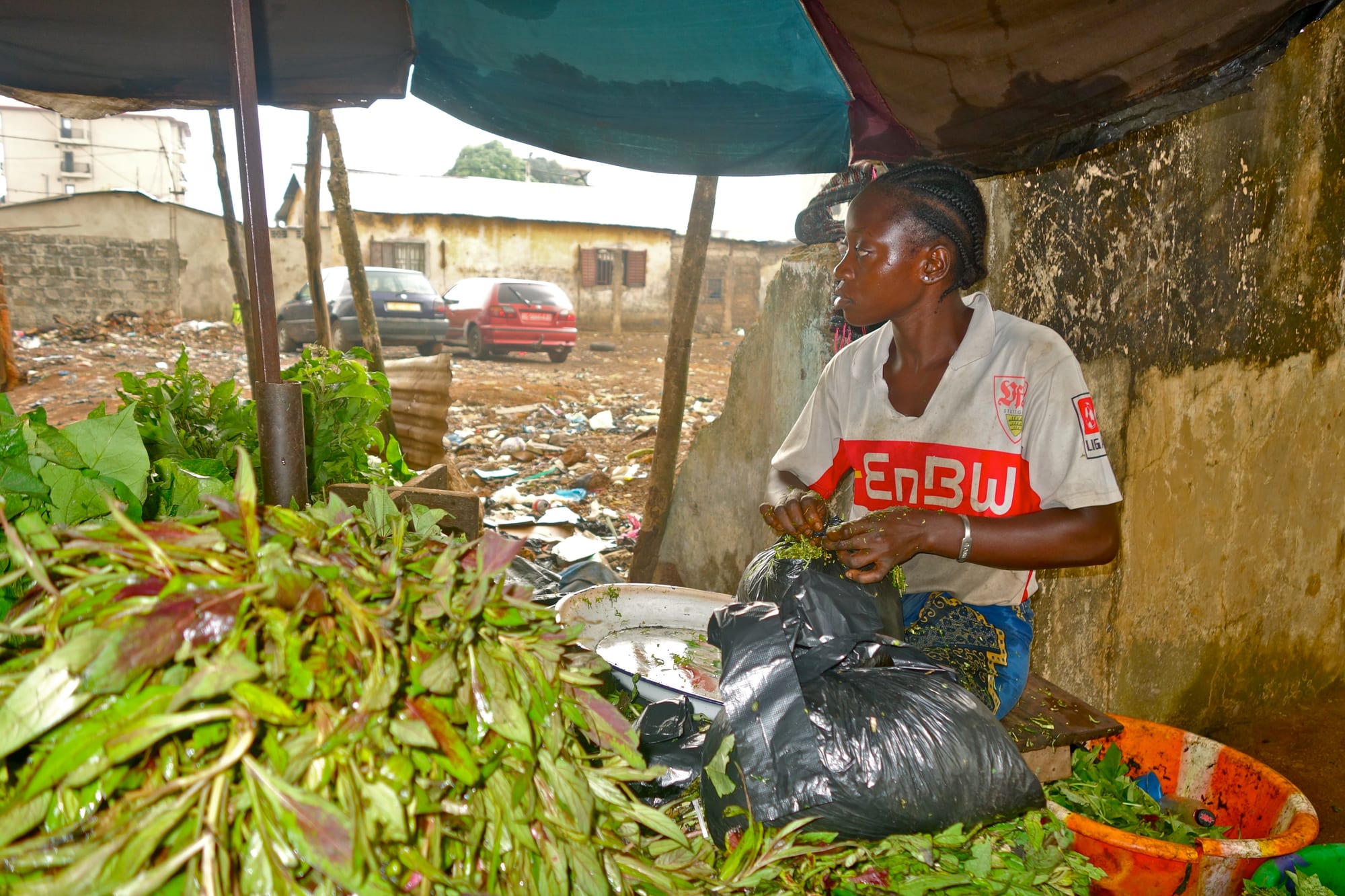
Three regions, three ways of growing food
Guinea's geography splits sharply into a coastal lowland, the cooler Fouta Djallon highlands, and a forested southeast, and each region grows and cooks differently as a result: rice paddies along the coast, Fulani pastoral and dairy traditions in the highlands, and cassava, palm oil and forest ingredients further south and east. Rice ties nearly all of it together as the country's most consistent staple.
The signature dish: riz gras
Riz gras, literally "fatty rice," rice cooked in a rich sauce of tomato, oil, onion and meat or fish until it takes on the sauce's colour and flavour, is widely considered Guinea's most representative dish. Related to rice dishes found across the wider region, riz gras in Guinea reflects the country's own strong rice-growing tradition, long referred to as one of West Africa's rice baskets.
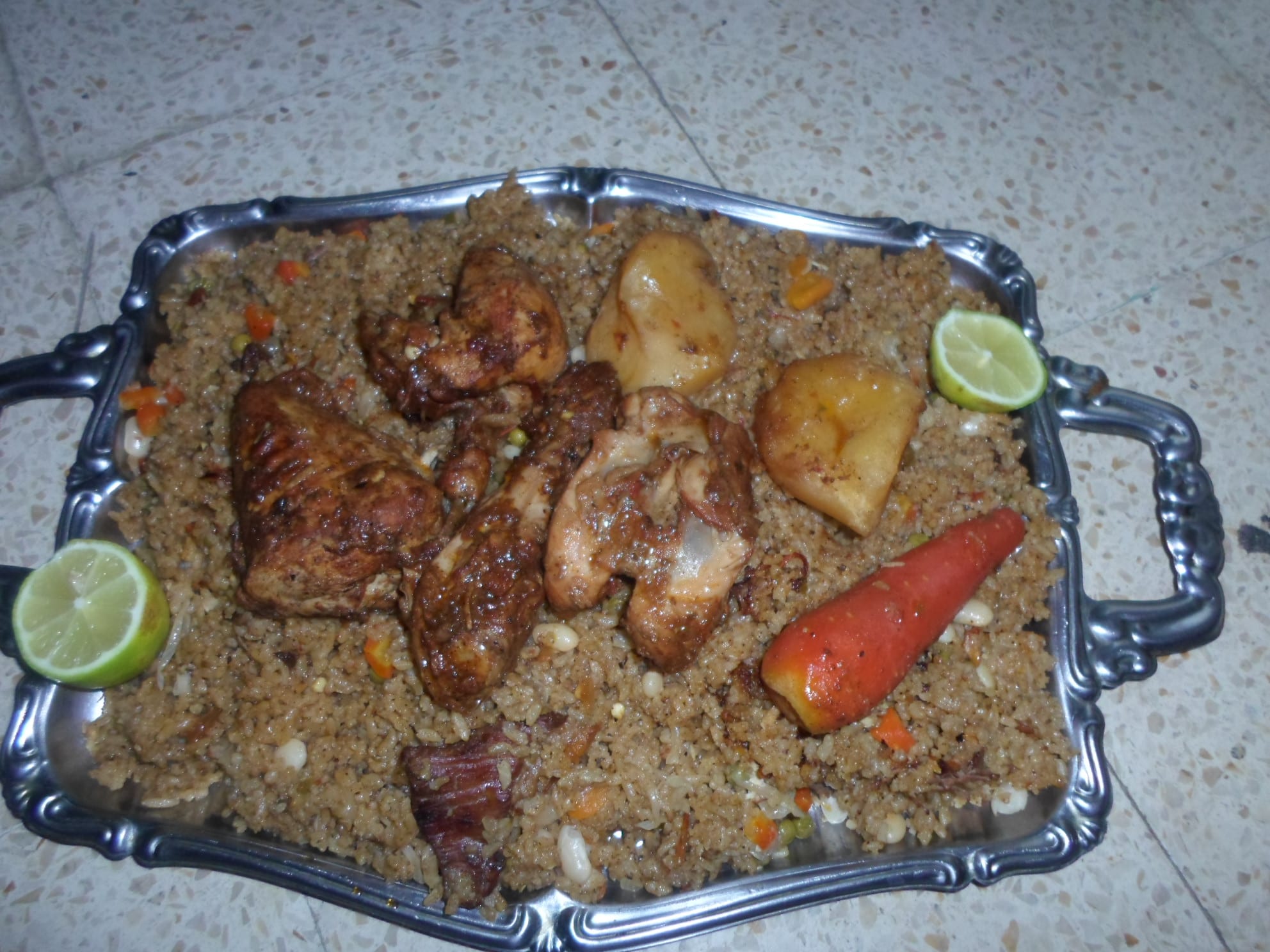
Rice, fonio and the everyday pantry
Rice remains the most widely eaten staple nationally, but fonio, an ancient, tiny-grained cereal cultivated in West Africa for thousands of years, holds a particular place in Guinean and Fouta Djallon cooking and has seen renewed international interest as a gluten-free grain. Cassava, palm oil, peanuts and fresh or smoked fish round out the pantry, alongside dairy from Fulani cattle herding in the highlands.
History and region on the plate
Guinea's food traditions reflect its three main ethnic regions directly: the Fulani-dominated Fouta Djallon, historically organised around an Islamic theocratic state and pastoral cattle herding; the coastal Susu, whose rice-and-fish cooking anchors much of the country's everyday diet; and the Malinke and forest peoples of Haute-Guinée and the southeast, whose cooking draws more on cassava and forest ingredients. French colonial rule added administrative and some culinary influence, but Guinea's food remains rooted firmly in these older regional traditions.
Dishes to know
Five more to recognise across Guinea:
- Fonio — an ancient, tiny-grained cereal, traditionally important in
the Fouta Djallon highlands and increasingly recognised internationally.
- Sauce feuille — a stew of pounded leaves, typically cassava or potato
leaves, cooked with palm oil and meat or fish.
- Sauce arachide — a peanut-based sauce served over rice with meat or
fish.
- Poisson braisé — grilled or braised fish, especially common along the
coast.
- Akara — deep-fried bean fritters, a popular street food and snack.
Drinks
Ginger juice, ginger root blended with water, sugar and sometimes mint or pineapple, is a widely loved traditional Guinean drink. Palm wine, tapped from palm trees, remains a traditional drink in rural areas, and Guinea's own coffee-growing tradition, though smaller than its neighbours', supplies much of the coffee drunk domestically.
Eating as a traveller
Vegetarians will find rice, sauce arachide and cassava-based dishes manageable, though fish and meat are common in most traditional cooking. Tap water is not reliably safe outside major hotels; stick to bottled or boiled water. Visiting a market in Conakry or in the Fouta Djallon highlands offers a genuine look at how differently Guinea's regions grow and prepare food.
What to take from the table
Riz gras, rich with tomato and oil, is the dish that best represents everyday Guinean cooking — but fonio, older than any dish built on rice, is the ingredient that best shows how deep the country's food traditions actually run.