Culture & Customs · Guinea-Bissau
Guinea-Bissau: Shrines, Masks and the Comb Cloth
Three faiths that often overlap, a shared creole spoken across more than twenty peoples, and a woven cloth that follows a person from birth to the grave
By Worldlore Editorial · 30 September 2026
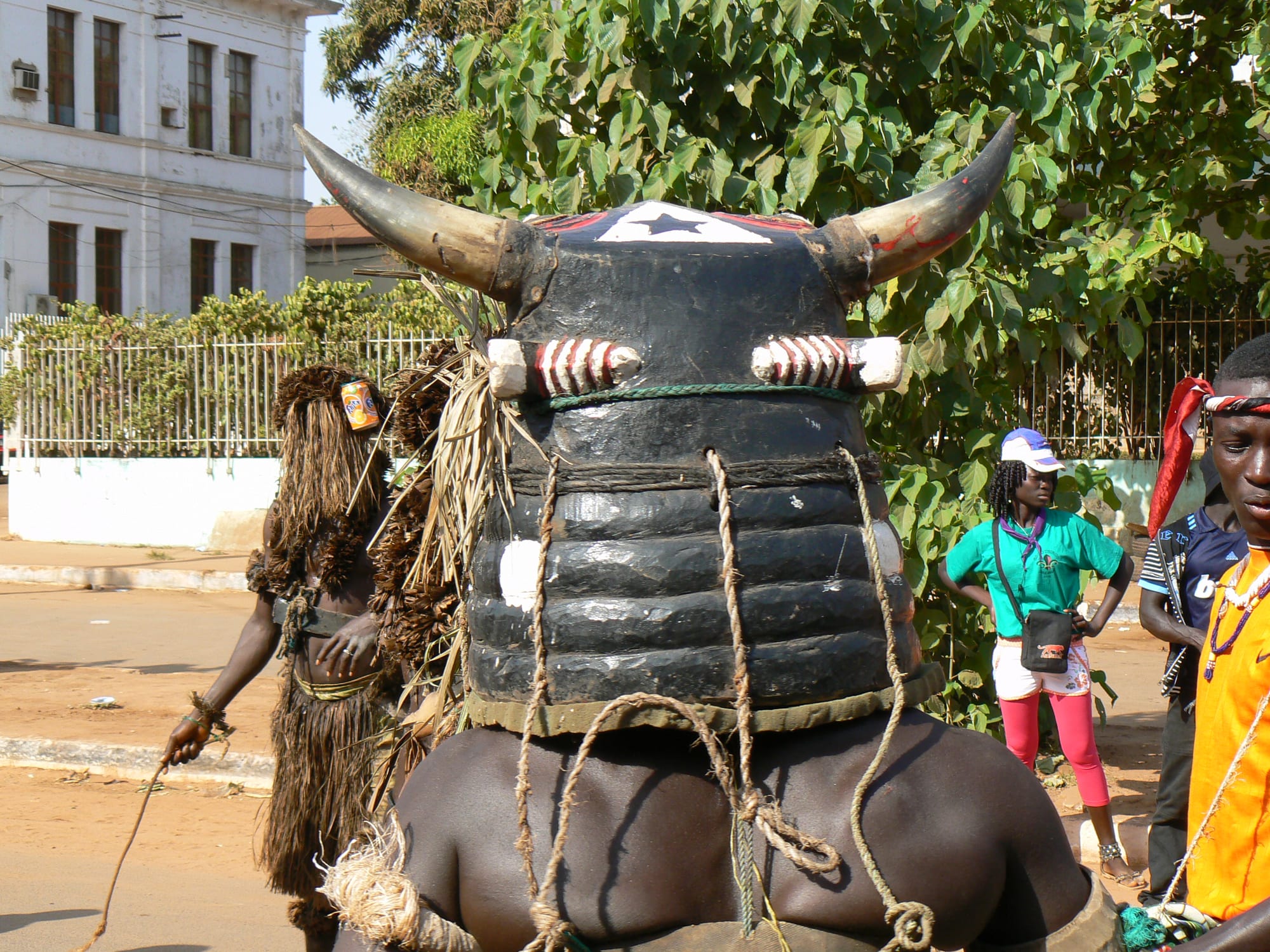
The drums start before the masks appear. Then, over the heads of the crowd, come a pair of real horns set on a heavy carved head, the performer beneath it bent low and moving with the weight and menace of a bull. Ropes trail from the mask, and those around the dancer keep a careful distance. On the islands off the coast, a mask like this has a serious purpose: it marks a young man's place in a long ladder of initiation. At carnival it comes to town, one display among many from the country's different peoples, each bringing its own drums, costumes and dances. The scene says a good deal about Guinea-Bissau. It is a small country holding a large number of distinct traditions, and for many people the old ways and the new sit side by side without much sense of contradiction.
Faith, identity and values
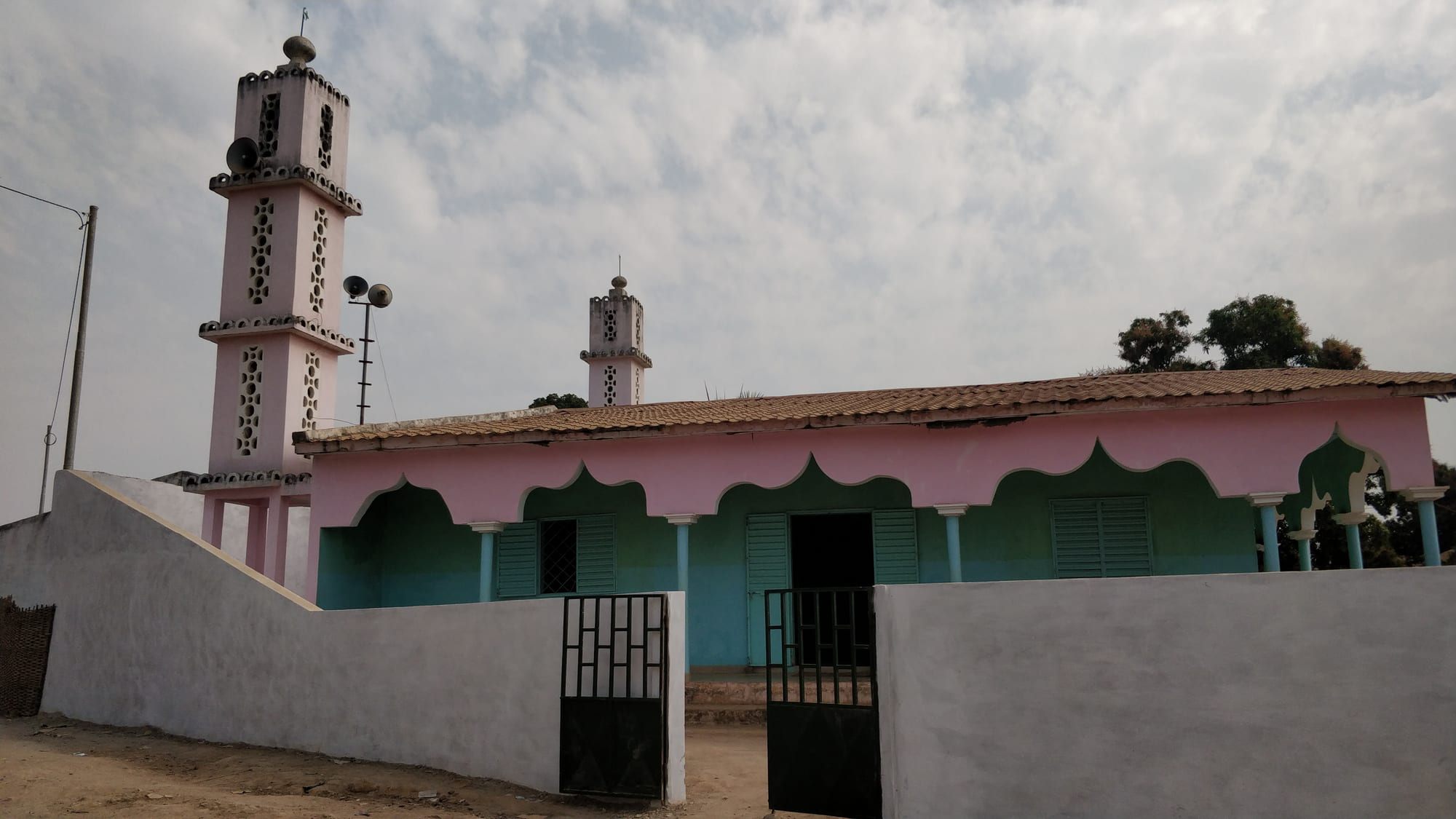
Guinea-Bissau has three main religious traditions, and in daily life they often overlap. According to Pew-Templeton estimates cited by the United States government, about 46 per cent of the population is Muslim, around 31 per cent follows Indigenous religious practices and about 19 per cent is Christian. Islam is associated above all with the Fula and Mandinka peoples, and most Muslims are Sunni. Christians, more than half of them Roman Catholic, are drawn mainly from the Pepel, Manjaco and Balanta peoples, and Protestant churches, many with Brazilian links, have spread across the country. The same report notes that large numbers of Muslims and Christians also hold Indigenous beliefs, so a single family may attend mosque or church and still honour the ancestors.
Ancestral religion is less a separate creed than a way of relating to the dead and to the spirits of a place. Among the coastal peoples, ancestor spirits are believed to hold real power over their living descendants, and they are recognised at household shrines where offerings are made from time to time. Villages may also keep many shrines to guardian spirits that protect the community, and these receive food, drink and animal sacrifices at public ceremonies. Some shrines have a reputation that reaches well beyond their own village and ethnic group, and people living abroad have been known to send money home so that ceremonies can be held on their behalf.
The constitution separates religion and state, and religious leaders have described relations between faiths as largely respectful and tolerant. Tensions, where they occur, tend to arise when newcomers are seen to disregard local custom. The wider lesson for visitors is that shrines, sacred groves and ritual objects are part of a living religion, not curiosities.
Kinship is the other great organising force. Many communities are organised into clans or lineages that share rights to land and obligations to one another. Across all these differences, a sense of shared national identity is carried above all by Kriol, the Portuguese-based creole that grew up along this coast over centuries and became closely bound up with the struggle for independence.
Greetings and meeting people
Language shapes almost every encounter. Guinea-Bissau has around twenty languages, and many people speak one of them at home, especially in rural areas. Portuguese is the official language and the language of government and higher education, but only a minority speak it fluently. Kriol is the real common tongue, used in markets, offices, music and conversation between people of different backgrounds. A visitor who has learned even a few phrases of Kriol will find that the effort is noticed and appreciated, and it is the language most likely to open a conversation.
Age and standing matter. In many communities, adulthood is not simply a matter of years but something reached through initiation, and initiation in turn shapes who may speak, decide and take part in particular rites. Among the Bijagó of the islands, young men pass through a series of age grades, each with its own responsibilities and ceremonies, before full admission to adult society; among the Balanta, initiation rites mark the passage to mature manhood and have been changing in recent decades. Deference towards older people and those holding traditional authority follows naturally from this, and it is sensible for visitors to greet the most senior person present first and to let them lead.
Social attitudes are generally conservative. British and Canadian government travel advice notes that same-sex relationships are not illegal but that they are not socially accepted, and public displays of affection are best avoided in general. Modest clothing is the safer choice, especially in villages and in predominantly Muslim areas.
Hospitality and being a guest
Hospitality in Guinea-Bissau is bound up with the big occasions of life as much as with everyday visits. Funerals above all are occasions of lavish hospitality: a bereaved family is expected to feed a large number of guests well, and in wealthier households the slaughter of cattle is part of honouring the dead. Palm wine and rum are often served at these life-cycle ceremonies in many communities, though alcohol should never be assumed in Muslim households, where it is best neither offered nor requested.
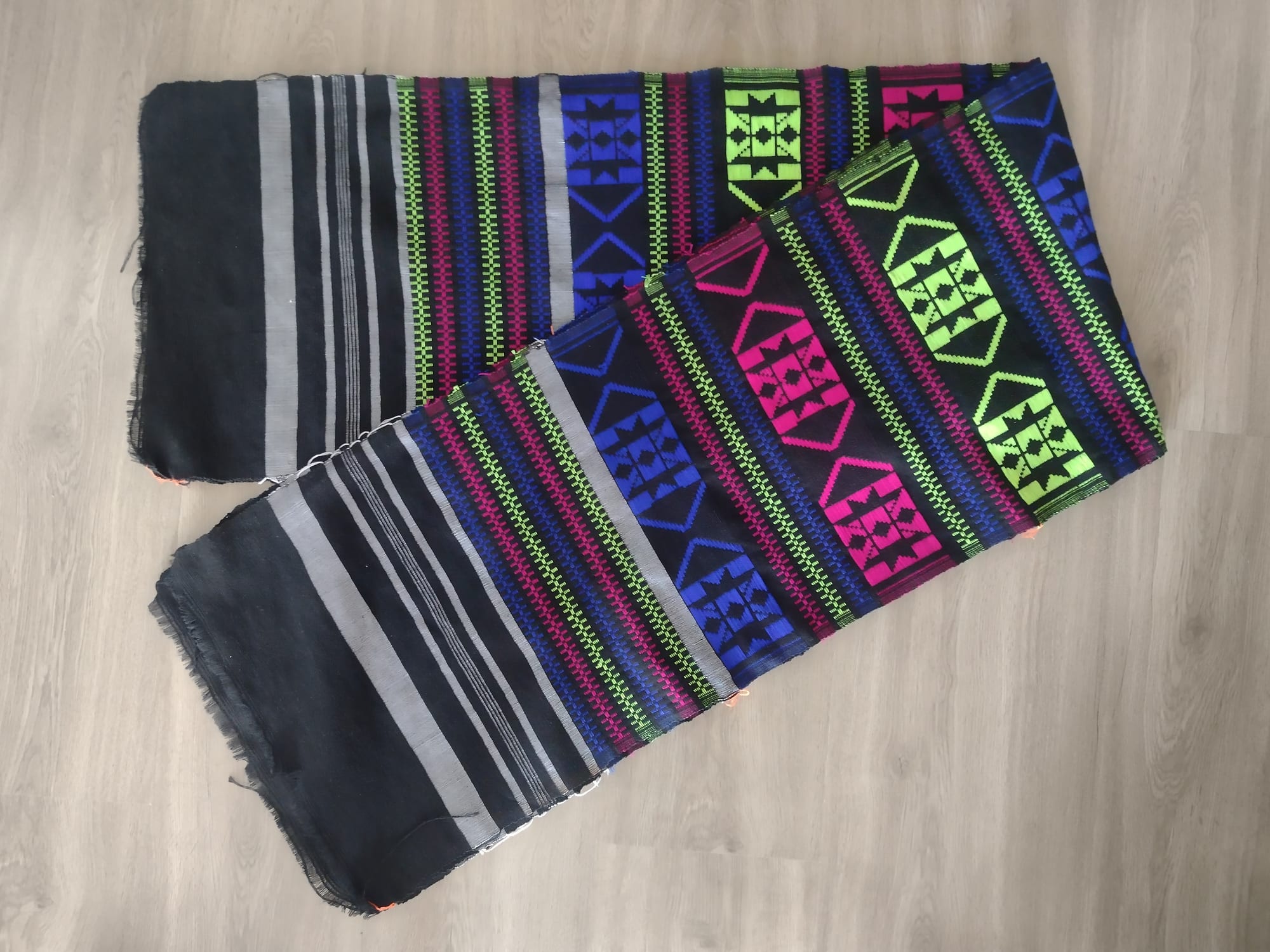
Cloth plays an unusual role in giving and receiving. Among the Manjaco and Papel in particular, a length of handwoven cloth is one of the most meaningful gifts there is, and to offer it is to bestow honour. Its value is social as well as material: the number of fine cloths a family can show at a ceremony is a measure of its standing. Visitors are not expected to take part in these exchanges, but it helps to understand that when cloth changes hands at a ceremony, something weightier than a present is being given.
Practical courtesy also matters. Guinea-Bissau is largely a cash economy, with few cash machines outside the capital and little use of cards, so it is wise to carry enough money for the day. Invitations to ceremonies are worth accepting when they come, but it is polite to follow the lead of the hosts on where to sit, when to eat and whether photographs are welcome.
Festivals and life's big moments
Carnival, held each year in the days before Lent, usually in February, is the country's great shared celebration. For several days, groups from across the country and from the islands bring their music, costumes and masks to the streets of the capital. Many of the masks are made from brightly painted papier-mâché, and neighbourhoods and districts spend months preparing large masks and floats that are paraded and judged in competition. Alongside these sit masks and dances drawn from older ritual life, including the bull and sea-creature masks of the Bijagó, which make carnival a rare chance to see many of the country's traditions in one place.
Independence Day on 24 September is the main national holiday, while the great feasts of Islam and Christianity are marked by their own communities.
The rites of passage that matter most are often private. Initiation, known in Kriol as fanado, is among the most important ceremonies in a person's life, marking the move into adulthood, and much of what happens during it is not shared with outsiders. Among the Bijagó, whose islands were added to UNESCO's World Heritage List in 2025 for their coastal and marine ecosystems, the listed area also takes in sacred sites, and traditional practices continue to shape how the archipelago is used and protected.
Marriage customs vary between peoples. In many rural communities, among the Fula and Mandinka and the coastal groups, marriages are still arranged between families, with a brideprice or a period of service by the groom, while elsewhere couples increasingly choose one another. Polygamy is practised in some communities.
Death brings the most elaborate and costly ceremonies of all. Funerals and the later rites that enshrine a person as an ancestor can involve large gatherings, animal sacrifices and generous hospitality. Among the Papel and Manjaco, handwoven cloth is central: it may be laid beside the body before burial or used to wrap it, and it appears again at the mourning ceremonies known in Kriol as toka-tchur. Mourning in Guinea-Bissau is not only grief but also a public act of respect, one that binds the dead to their descendants.
Arts, crafts and music
The best-known sculpture comes from the Bijagó islands, where carvers make masks for the age-grade system that governs young men's lives. One of the most striking is the bull mask, or dugn'be, carved from wood with real horns and glass eyes. It is worn by young men in the cabaro grade, a stage lasting about ten years, who imitate the wild strength of an untamed bull, crawling and mimicking its aggression while attendants hold a rope threaded through the mask's nostrils. The rope echoes the island custom of keeping a bull on a lead until it is tamed, and the performance marks the wearer's status as powerful but not yet fully admitted to adulthood. Island carvers also make pieces for sale to visitors, which are a better souvenir than anything taken from a ritual context.
The great textile tradition is panu di pinti, "comb cloth", woven in long narrow strips on looms and then sewn together into larger pieces. It is made above all by Manjaco weavers, though other communities now weave it too. The cloth follows a person through life, appearing at weddings, initiations, the installation of traditional leaders and funerals, and it remains a powerful symbol of honour, wealth and identity.
Music binds the country together. Gumbe, the country's most popular dance rhythm, blends traditions from many peoples and is sung in Kriol, and it became the sound of the independence era through bands such as Super Mama Djombo. The band supported the ruling party while also mocking its perceived nepotism and corruption, and lost official favour after the 1980 coup. The group broke up in 1986, but its music is still widely known. Drums, meanwhile, remain the heartbeat of public celebration, setting the pace for the masked groups that parade through the streets at carnival.
Dos and don'ts for visitors
- Do check the latest government travel advice before going; the army took power in November 2025, and photographing the military or government buildings should be avoided.
- Do learn a few words of Kriol; it is the language most people share, and the effort is appreciated.
- Do greet the most senior person present first and follow the hosts' lead at any gathering or ceremony.
- Do dress modestly, especially in villages and predominantly Muslim areas, and respect Ramadan where it is observed.
- Do carry cash and a form of ID; cards are rarely accepted and police may ask to see documents.
- Don't enter sacred groves, shrines or restricted island sites without clear permission from local people.
- Don't photograph masked performers, shrines or ceremonies without asking first.
- Don't expect public affection to be accepted; attitudes are conservative, particularly towards same-sex couples.
- Don't touch or buy ritual objects from ceremonies; carvings made for sale are the respectful alternative.
What to take away
Guinea-Bissau's culture rewards patience: behind the carnival masks and the bright woven cloth lie shrines, ancestors and rites of passage that still give shape to people's lives, and visitors who treat them with the respect they deserve will find a warm and remarkably varied country.