Attractions & Natural Wonders · Guinea-Bissau
Guinea-Bissau: Seven Attractions and Natural Wonders
A maze of low green islands where hippos swim in the sea, a slave-trade fort on a jungle river, a ghost colonial capital, and a carnival unlike any other in West Africa
By Worldlore Editorial · 10 September 2026
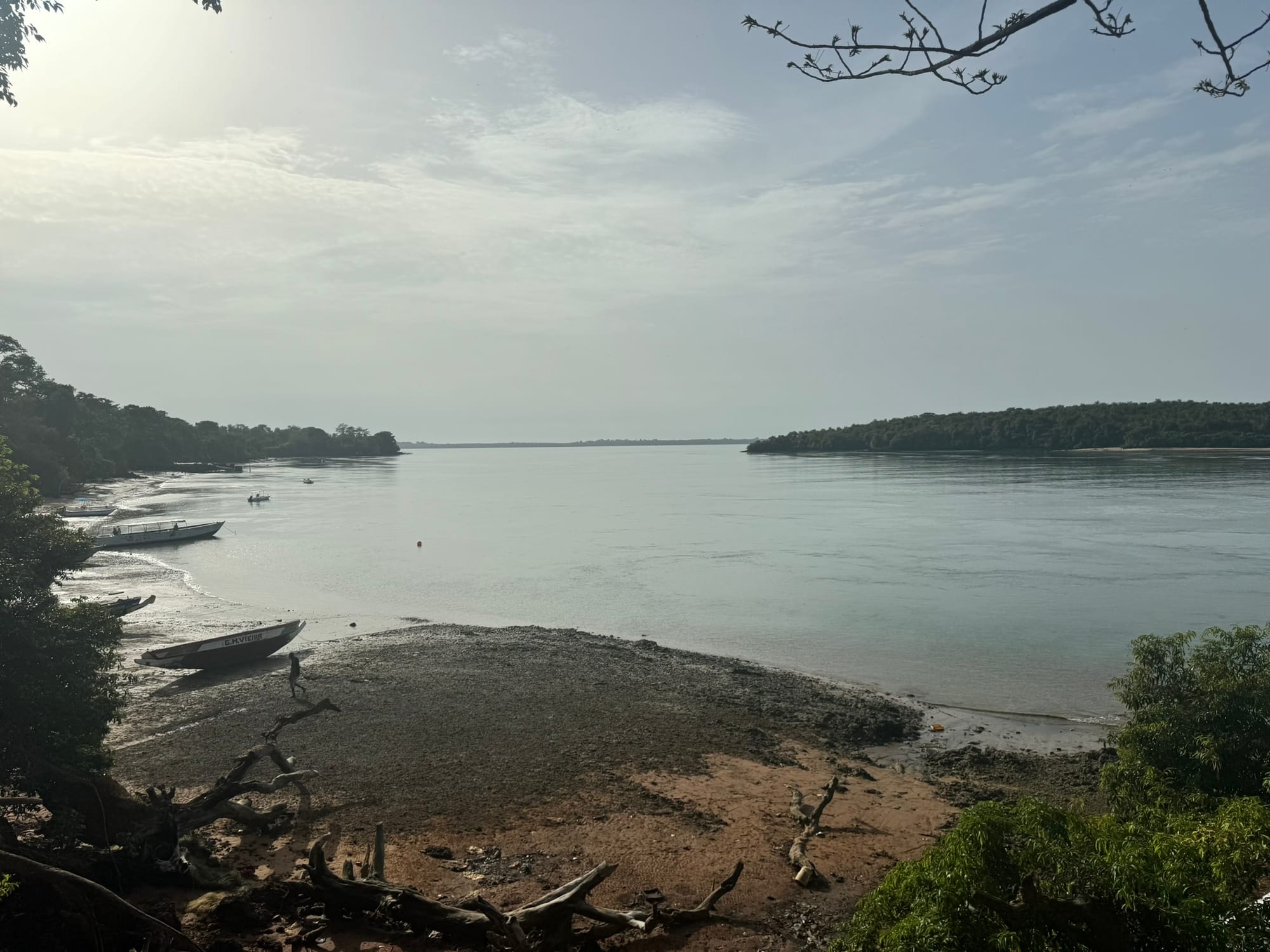
A small country of rivers and islands
Guinea-Bissau, on the West African coast between Senegal and Guinea, is one of the continent's smallest and least-visited countries — about 2.2 million people, a former Portuguese colony independent since 1974. Its coast is a drowned maze of mangrove estuaries and the Bijagós Archipelago; inland is low savanna and palm forest. Tourism barely exists outside a handful of island lodges, mostly French- run, focused on fishing and birdlife. Portuguese is official, Kriol is the lingua franca.
The seven below are almost all coastal or riverine. The dry season (November to May) is the practical travel window; the rains from June to October make roads and river travel difficult.
1. The Bijagós Archipelago
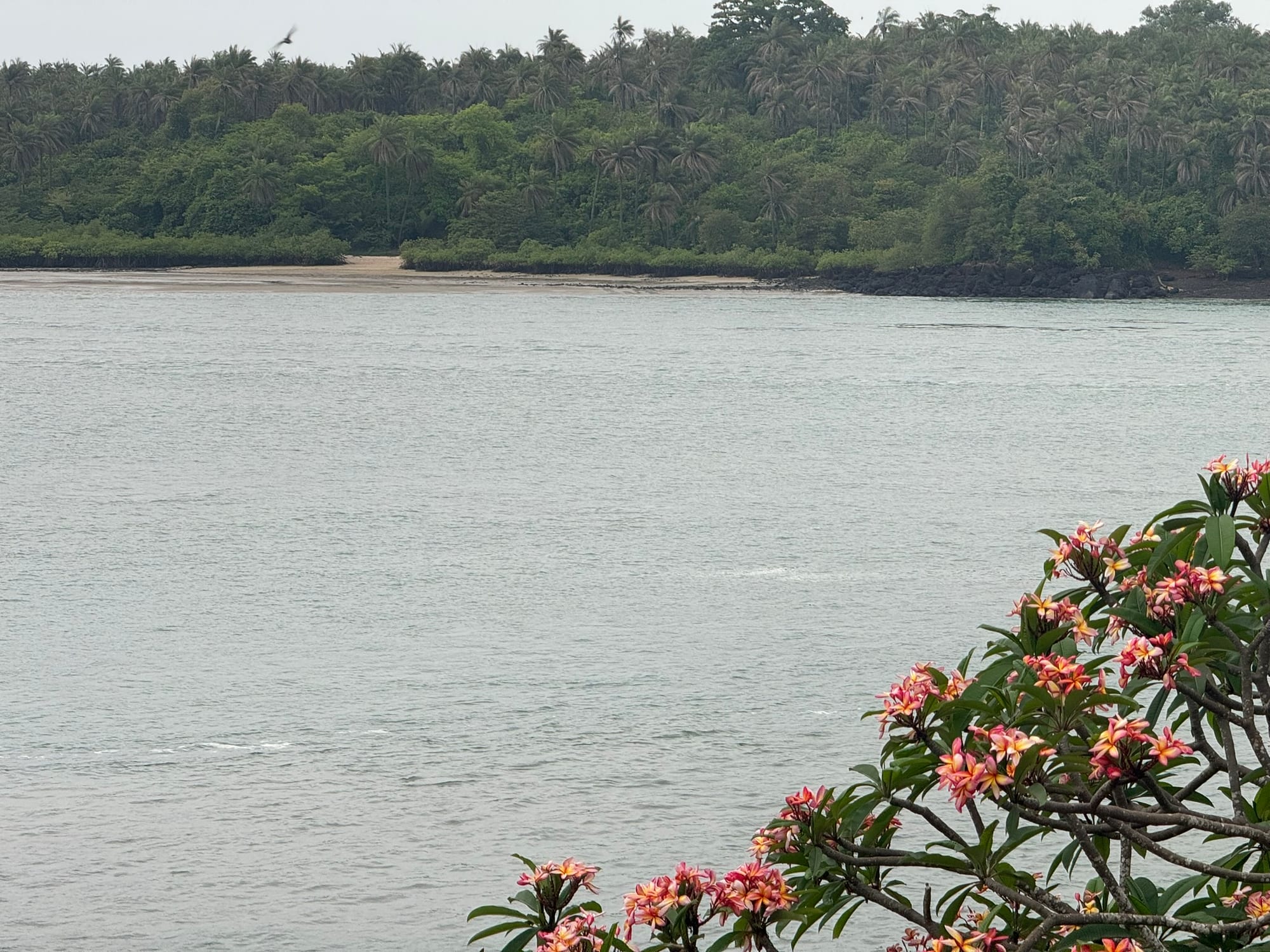
The Bijagós are 88 islands and sandbars, only about 20 permanently inhabited, home to the Bijagó people, whose matriarchal society, animist religion, and elaborate initiation rites have kept much of the outside world at bay. The islands are ringed by mangrove, beach, and shifting sandbanks, and the marine life — from tarpon and barracuda for anglers to nesting green turtles — is exceptional. Bubaque is the main hub, with the ferry from Bissau and most of the lodges.
Getting around is by pirogue, and tides govern every schedule.
2. Orango National Park
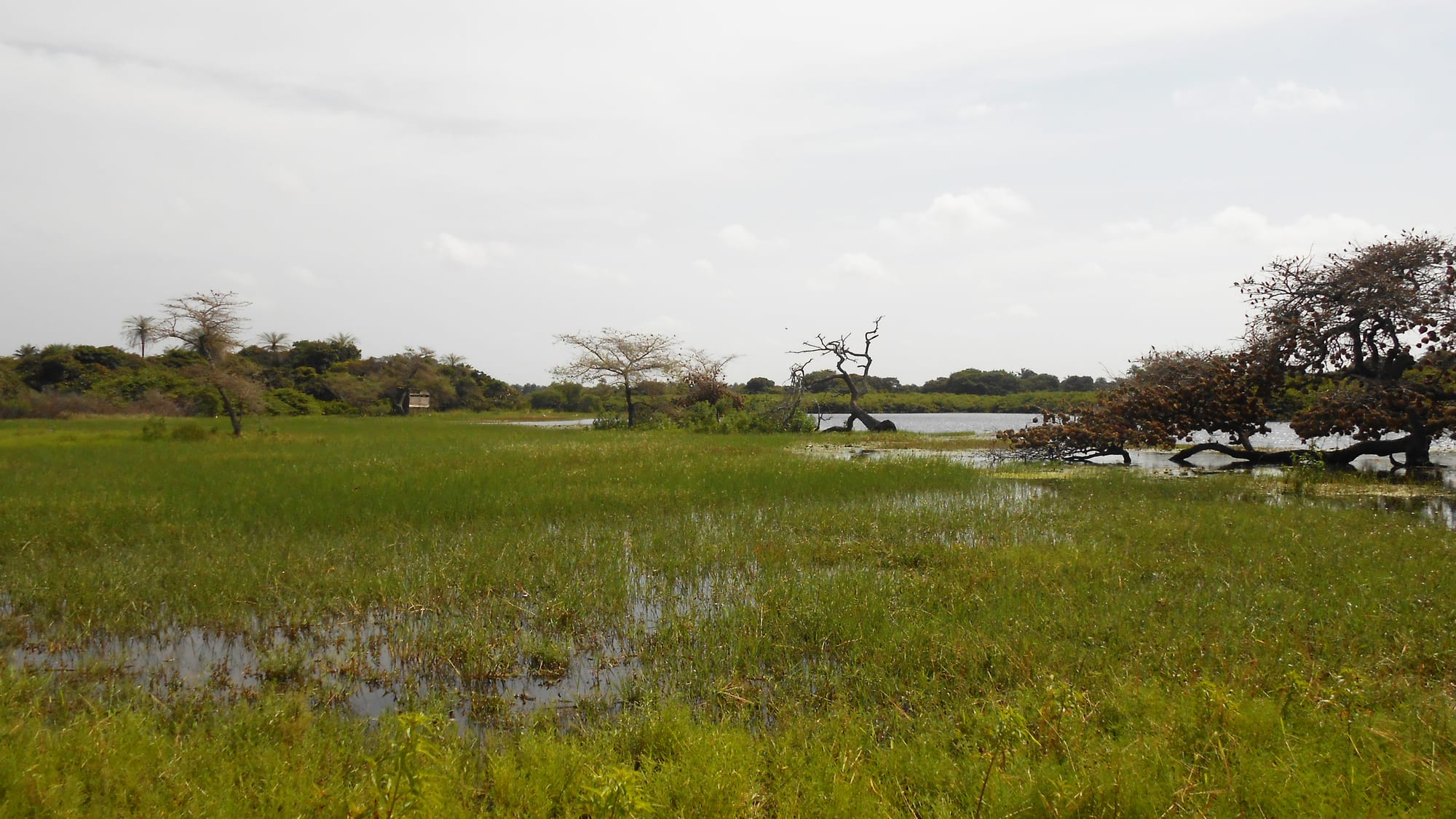
Orango, in the southern Bijagós, is famous for its saltwater hippopotamuses — a population that moves between fresh pools, mangrove, and the sea itself, one of the few places in the world hippos are seen in salt water. The park also protects crocodiles, manatees, dolphins, and sea turtles, and Orango is the traditional burial island of Bijagó queens.
Sightings need patience, a guide, and luck; visits run from a lodge on the island.
3. Bissau
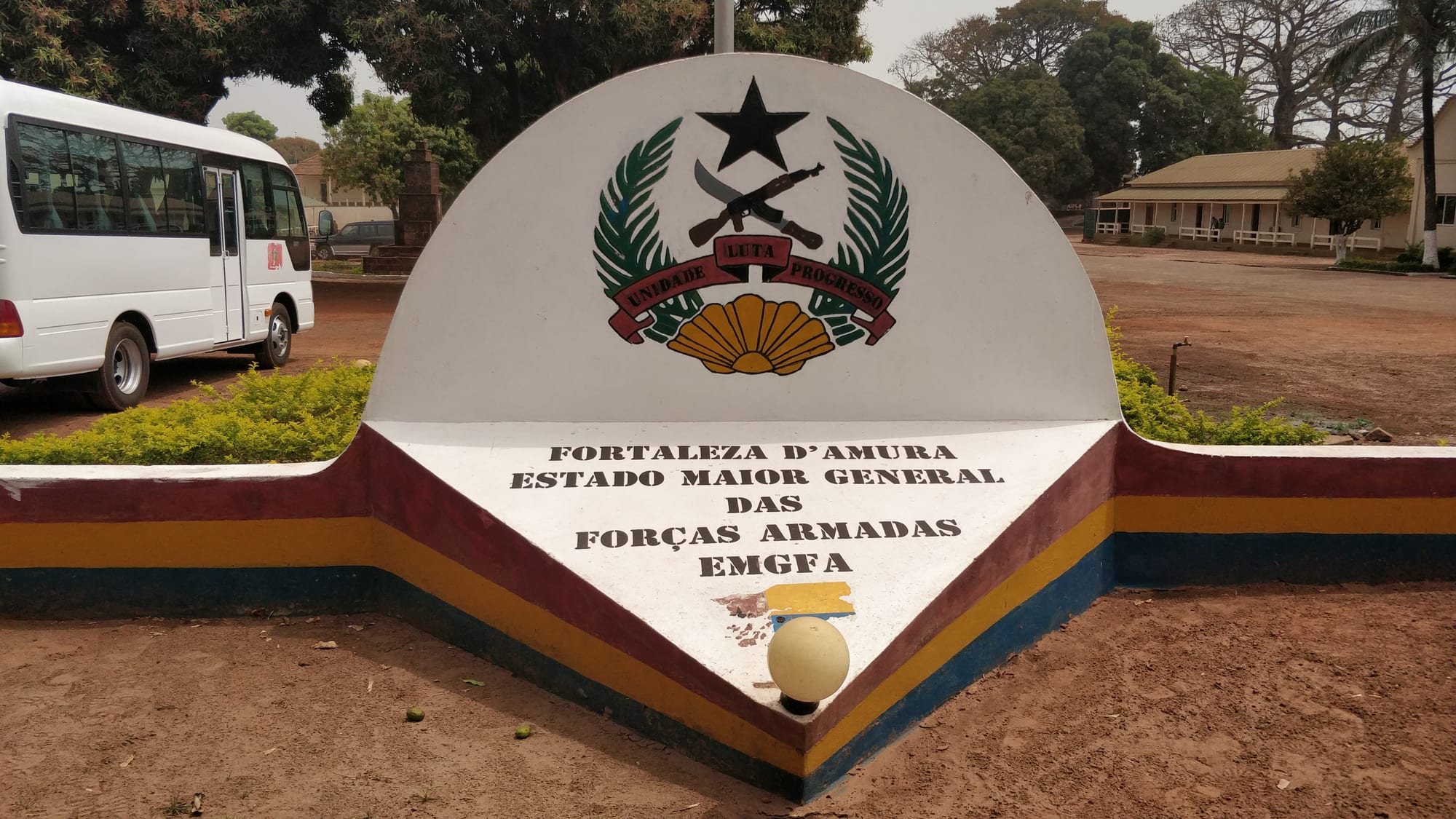
The capital is a low-slung, humid port city where crumbling Portuguese buildings in the old Bissau Velho quarter sit among mango trees and unpaved streets. The 18th-century Fortaleza de São José de Amura, still a military site, holds the mausoleum of Amílcar Cabral, the independence leader assassinated in 1973. The central market, the Pidjiguiti dock memorial (to a 1959 dockworkers' massacre), and a couple of small museums fill a day.
It has the country's only international airport and the ferry pier for the islands.
4. Bolama
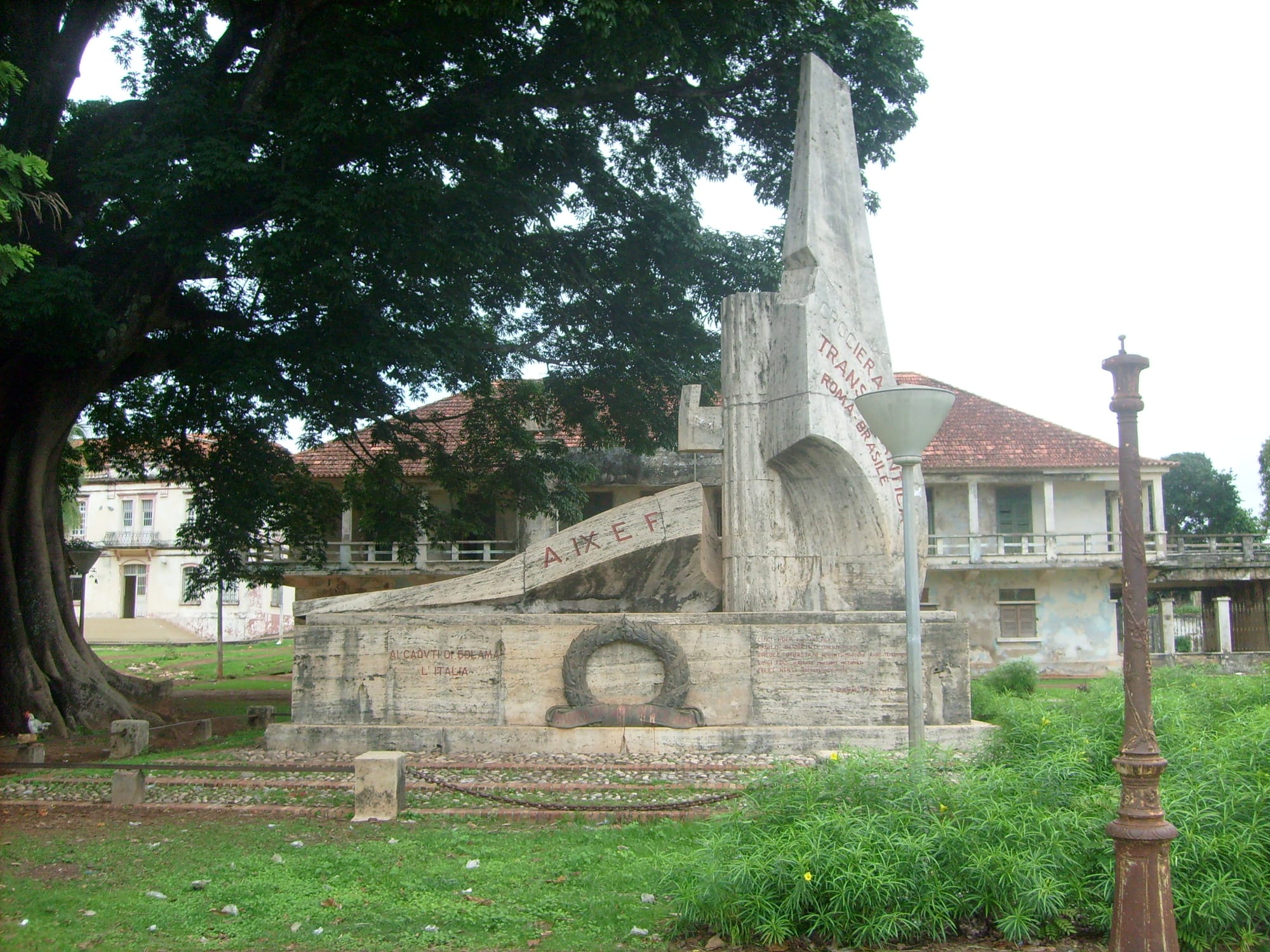
Bolama, on an island just south of Bissau, was the colonial capital until the Portuguese moved it to Bissau in 1941. Left behind, it is now a haunting half-ruin — grand government buildings, a hospital, an Art Deco cinema, and a statue donated by the United States (which once arbitrated a border dispute here), all being reclaimed by vegetation. It is on UNESCO's tentative list.
It is a rough boat trip from Bissau and sees very few visitors.
5. Cacheu and the northern rivers
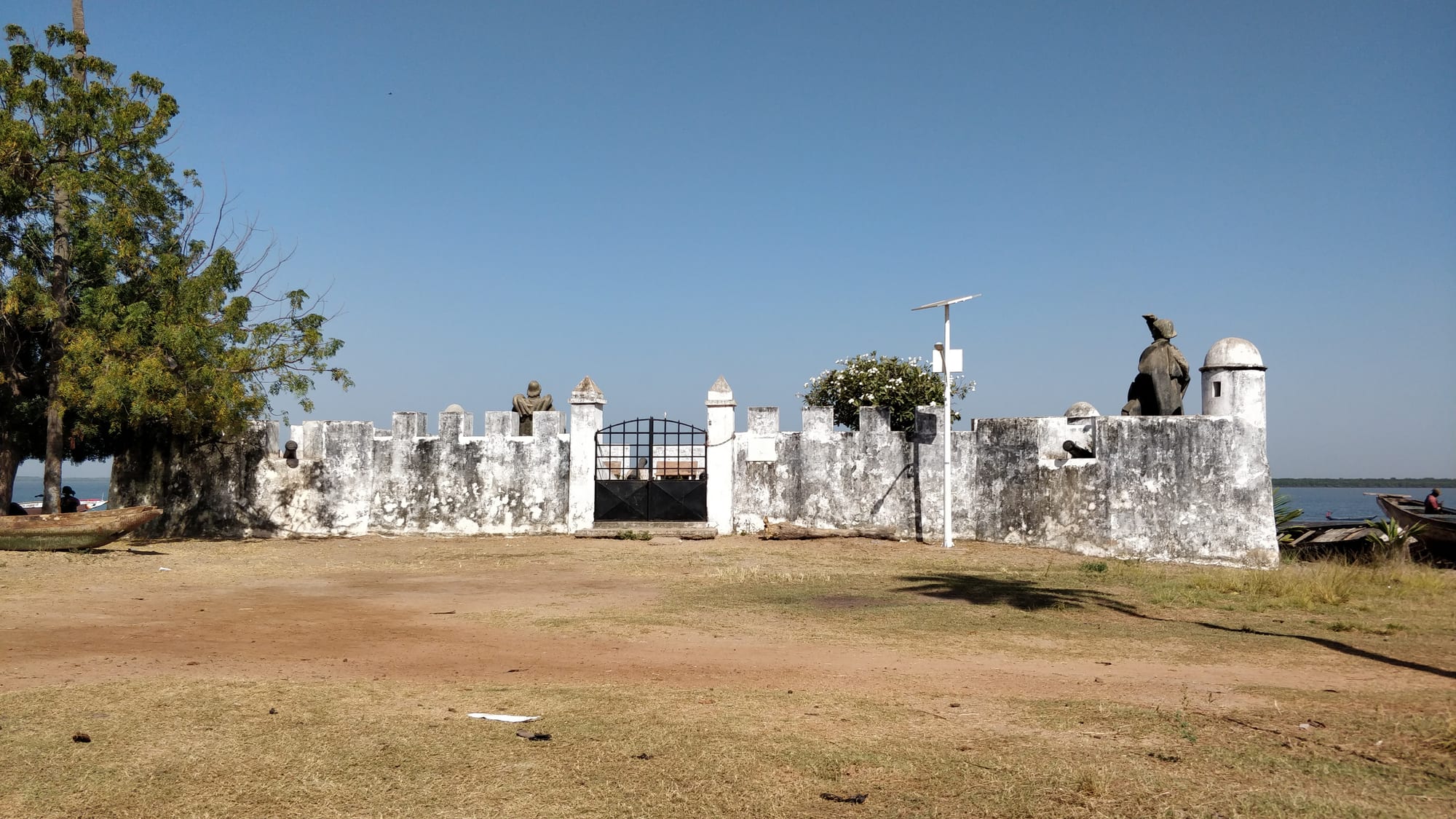
Cacheu, in the northwest, was founded by the Portuguese in the 1580s and became a major departure point for enslaved people shipped to the Americas. Its small, much-eroded riverside fort still has its cannon and a modest exhibition; the town around it is quiet and poor. The surrounding Cacheu River Mangroves Natural Park is the largest protected mangrove area in West Africa, thick with birds and manatees.
Access is by a slow road from Bissau, sometimes combined with a river boat.
6. Varela
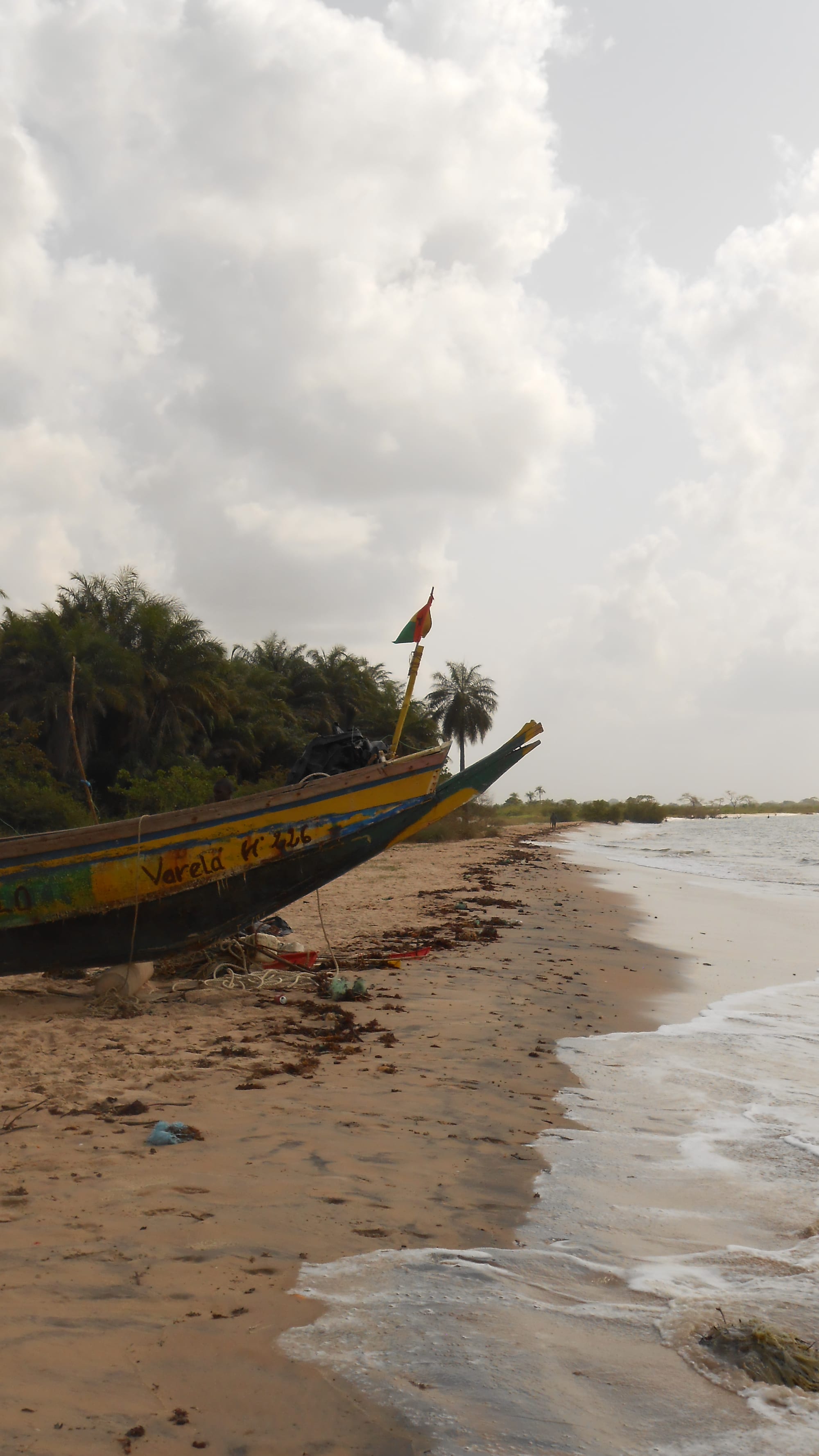
Varela, at the northwestern tip of the country near the Casamance border, has a long, wild, almost deserted beach and a few simple guesthouses at the end of a notoriously bad 50-kilometre track from São Domingos. For travellers who make the effort, it is the mainland's slice of coast — palm trees, fishing pirogues, and almost nobody.
The road is often impassable in the rains; a 4x4 is essential the rest of the year.
7. The Bissau Carnival
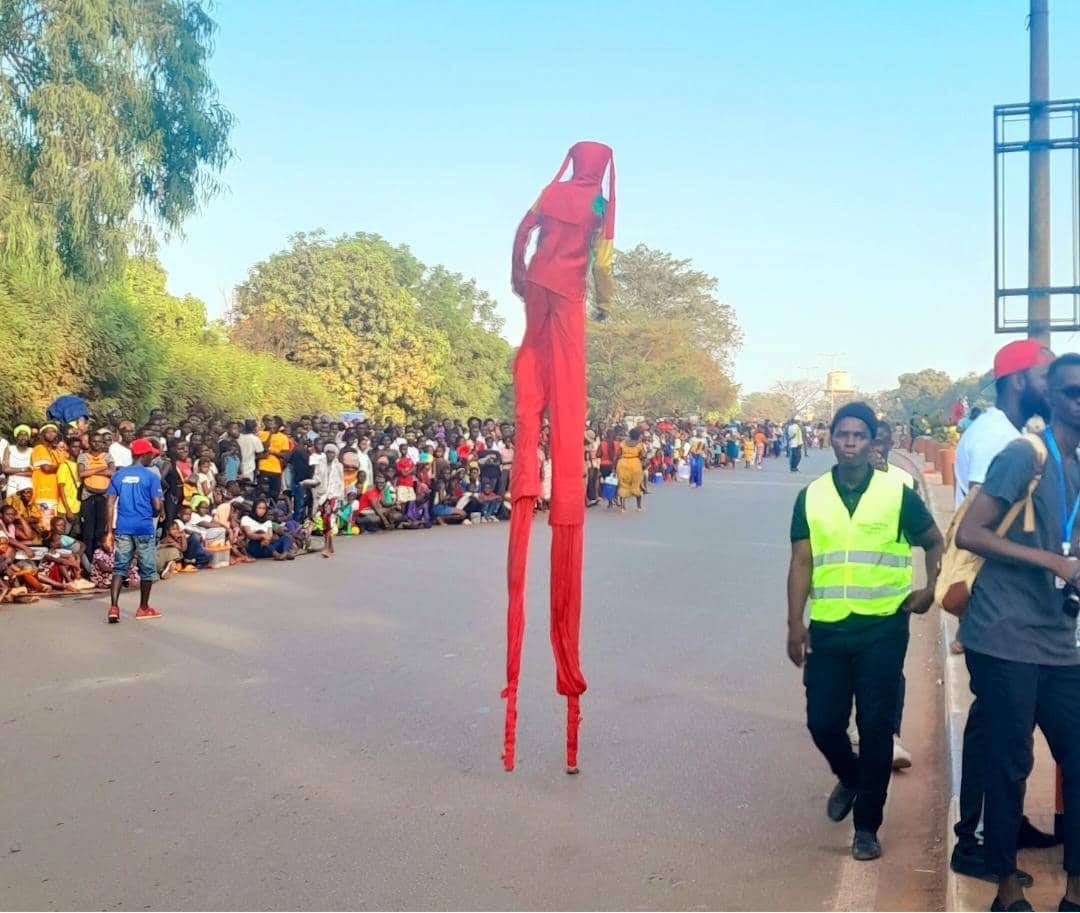
Held over the days before Lent, the Carnaval de Bissau is the country's biggest event — neighbourhood and regional groups parade in vast handmade masks and costumes drawing on Bijagó cow and shark headdresses, satirical papier-mâché figures, and drumming, competing over several days in the capital. It is far more rooted in indigenous ritual than the imported Catholic festival it grew from.
Dates shift with the church calendar (February or March); it is the one time of year Bissau fills with visitors.
Before you go: a practical note
Guinea-Bissau has had repeated coups and attempted coups, most recently in the 2020s, and remains politically unstable and a known transit point for international drug trafficking. There is little tourist infrastructure, medical care is very limited, and roads are poor. Most governments advise a high degree of caution. Almost all visitors travel with a specialist operator or a pre-booked island lodge that arranges transfers; independent overland travel is difficult and best researched carefully and close to departure.
Even so, a trip is usually a week or more, centred on a Bijagós lodge for fishing and wildlife, with a day in Bissau at each end.