History · Guatemala
Guatemala: The Maya Heartland
The core of the ancient Maya world — Spanish conquest, a coffee economy built on seized land and forced labour, a CIA coup in 1954, and a 36-year war that the UN called genocide
By Worldlore Editorial · 19 September 2026
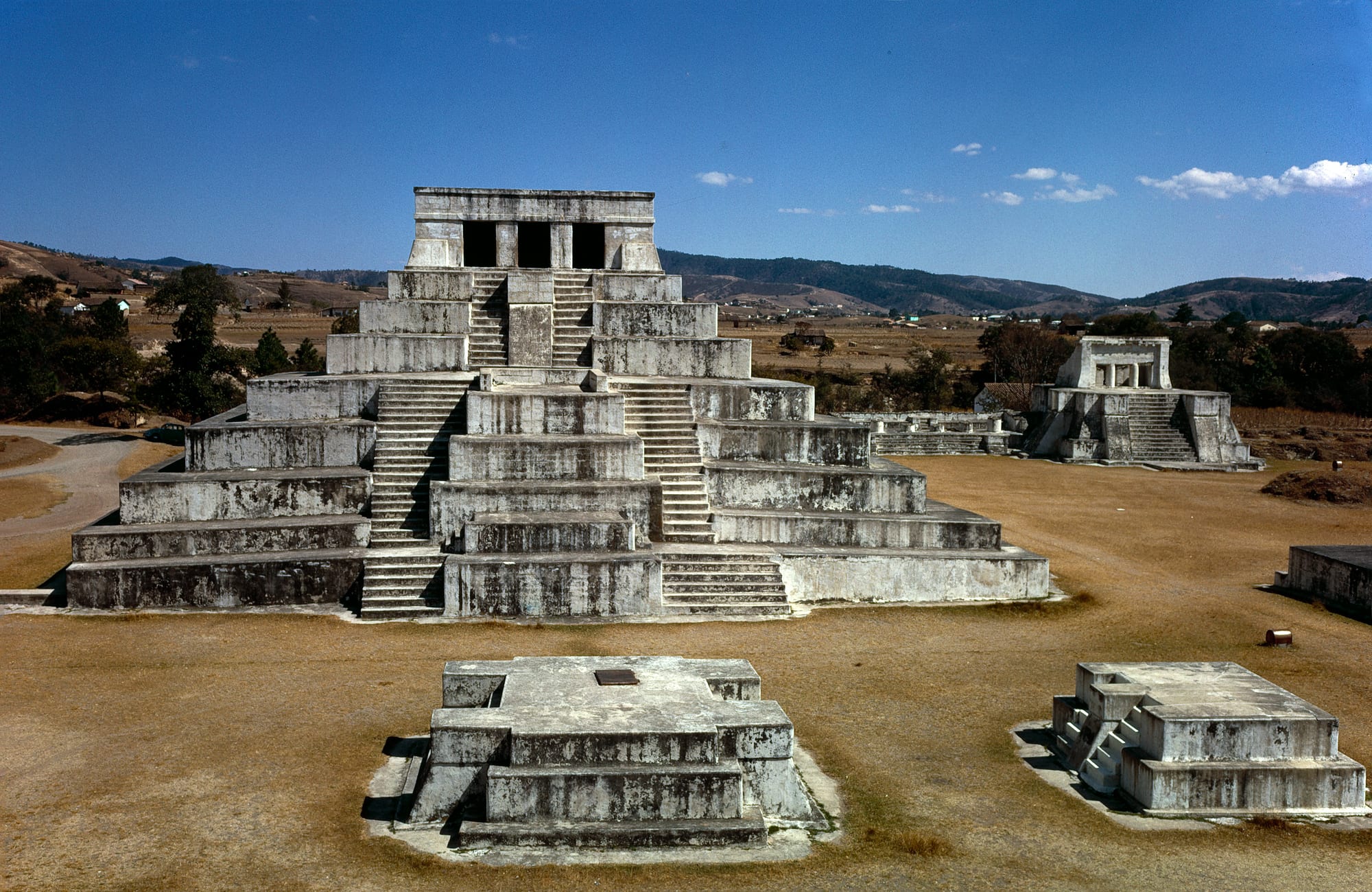
A country with the deepest Indigenous roots in the region
Guatemala has the largest Indigenous population, as a share, of any country in Central America — more than 40 per cent Maya, speaking over twenty Mayan languages, alongside a Ladino (mestizo) majority. It was the heartland of ancient Maya civilisation and the administrative centre of Spain's Central American empire, and its modern history has turned, again and again, on the same question: who controls the land, and who works it. That question ran through the coffee economy, the 1954 coup, and a civil war that ended in what a United Nations commission called acts of genocide.
A short history
- c. 300 BCE–900 CE
The Maya
El Mirador, then Tikal and other city-states, rise and fall.
- 1524
Spanish invasion
Pedro de Alvarado conquers the highland kingdoms.
- 1697
The last holdout
The Itzá Maya of Petén are finally subdued.
- 1821
Independence
Central America breaks from Spain.
- 1871
Liberal Revolution
Coffee, land seizures and forced Maya labour.
- 1944–1954
The democratic spring
Reformist governments under Arévalo and Árbenz.
- 1954
The coup
A CIA operation overthrows Árbenz.
- 1960–1996
Civil war
Some 200,000 killed; the army devastates the Maya highlands.
- 1996
Peace accords
The government and the URNG guerrillas sign.
The Maya
Guatemala's Petén lowlands held some of the largest cities of the ancient Americas — El Mirador in the Preclassic period, and then Tikal, a Classic-era superpower that fought long wars with Calakmul to the north. The Classic Maya built in stone, tracked the heavens, and wrote a full hieroglyphic script, before the southern lowland cities were abandoned around 800–900 CE amid drought and war.
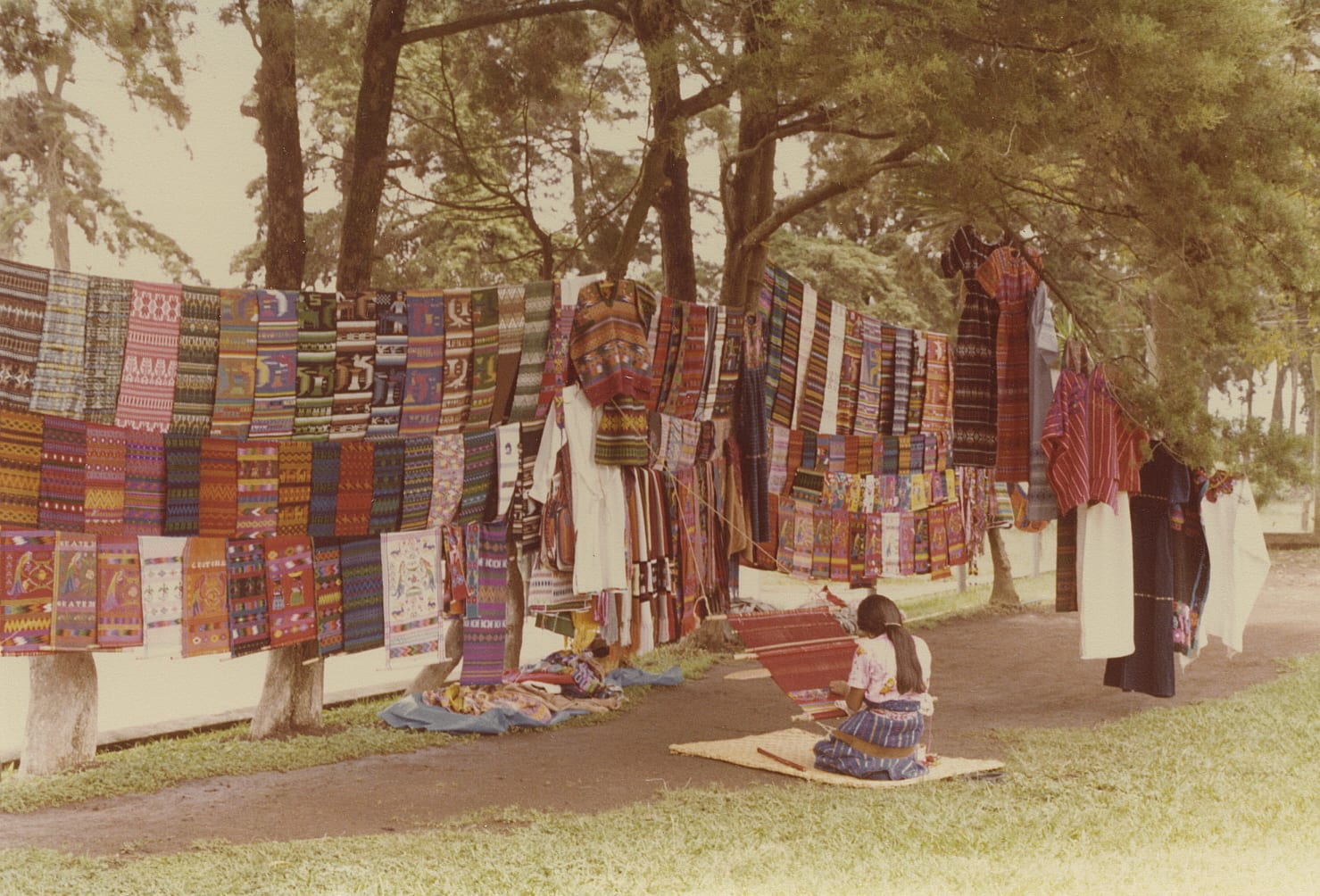
Maya civilisation did not end. In the highlands, the K'iche', Kaqchikel and Mam kingdoms were still powerful at the time of European contact, and the K'iche' creation epic, the Popol Vuh, was written down in the 16th century.
Conquest and colony
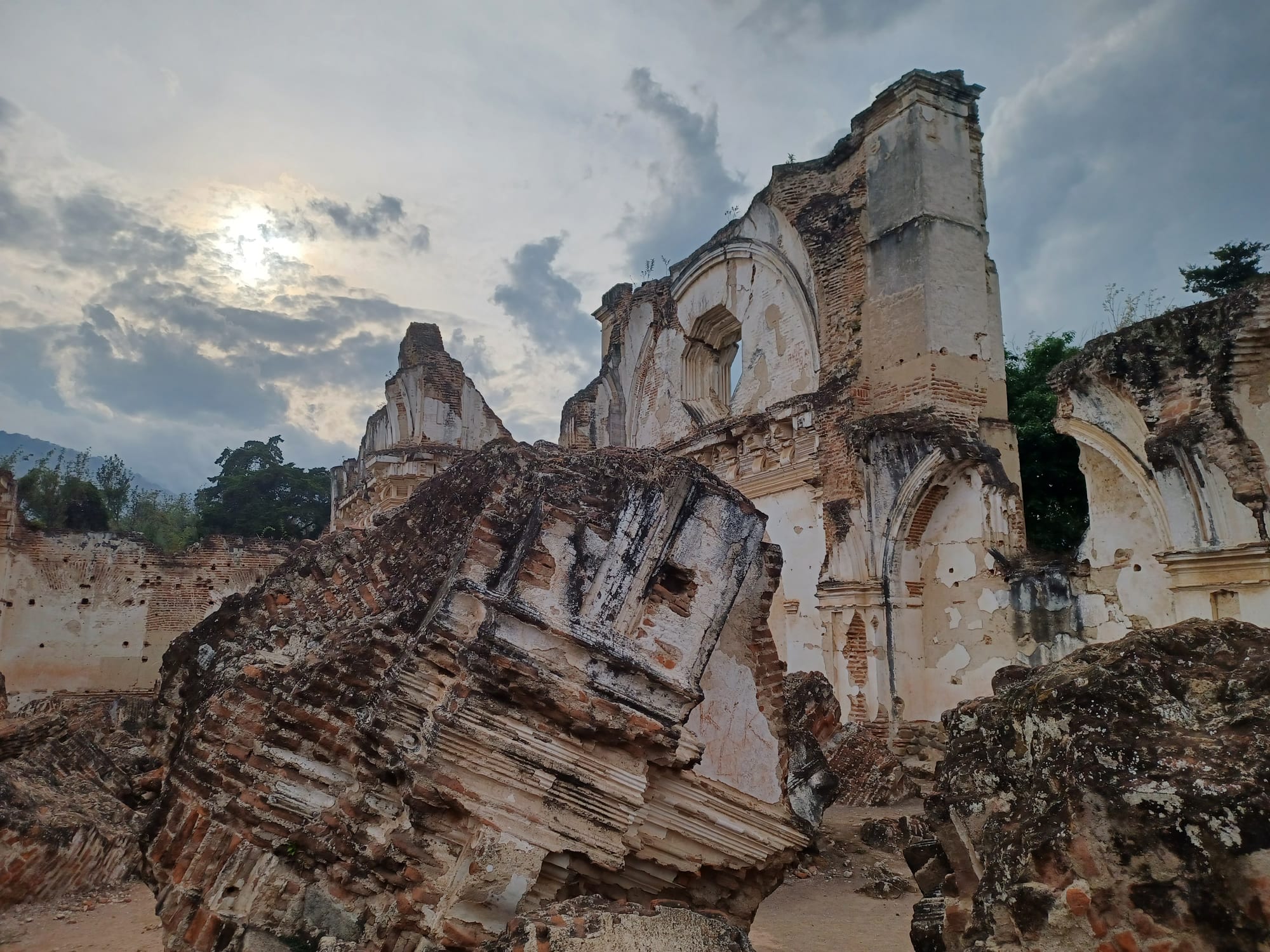
Pedro de Alvarado invaded from Mexico in 1524, playing the highland kingdoms against each other. Conquest was slow, and the last independent Maya state, the Itzá of Lake Petén, held out until 1697. Guatemala became the seat of a Captaincy General governing most of Central America, ruled from Santiago de los Caballeros — today's Antigua — until earthquakes destroyed it in 1773 and the capital moved.
Coffee, land and labour
Central America broke from Spain in 1821, briefly formed a federation, and split apart. After the Liberal Revolution of 1871, the Guatemalan state pushed coffee as an export crop — which meant taking land and compelling labour. Indigenous communal lands were privatised and handed to coffee planters, and forced-labour laws made Maya work the estates. A small Ladino elite sat atop a Maya peasant majority, an order that hardened under the dictatorships of the early 20th century.
By then the United Fruit Company was the largest landowner in the country, and controlled the railways, the main Caribbean port and the electricity supply — the original "banana republic".
The spring, and the coup
A revolution in 1944 overthrew the dictator Jorge Ubico and opened a decade of democracy under Juan José Arévalo and then Jacobo Árbenz — a labour code, social security, and, in 1952, an agrarian reform that expropriated uncultivated large estates, including idle United Fruit land, for redistribution to peasants.
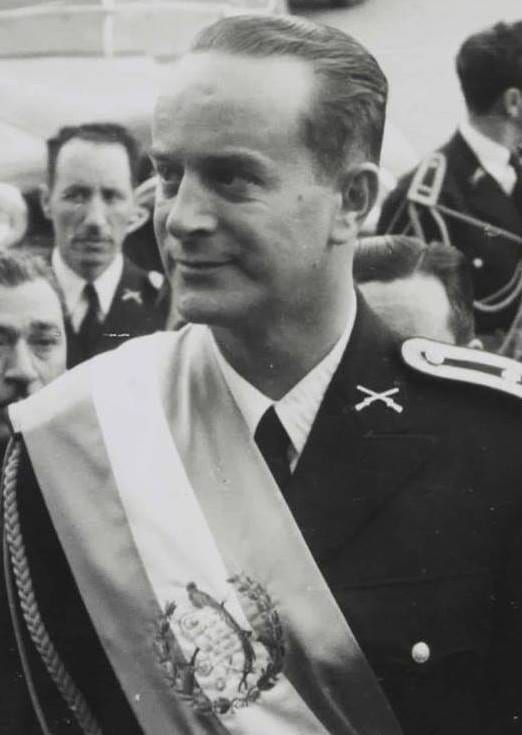
In June 1954 a CIA operation — a small mercenary force, air raids and a propaganda campaign — forced Árbenz to resign. The land reform was reversed, parties and unions were banned, and illiterate citizens, most of them Maya, were stripped of the vote. A succession of military-dominated governments followed. The coup became a model for later US interventions.
The civil war
An armed insurgency began with a failed officers' revolt in 1960 and ground on for 36 years. It reached its worst in the early 1980s, when the army — under General Efraín Ríos Montt above all — waged a scorched-earth campaign across the Maya highlands, destroying hundreds of villages and massacring their inhabitants.
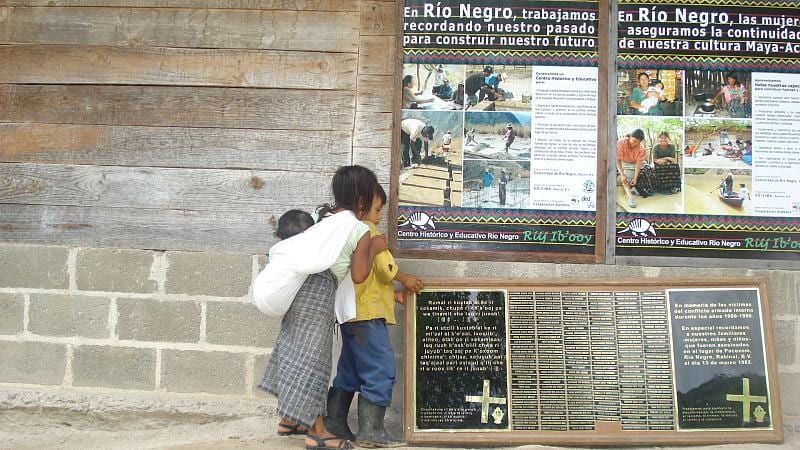
The 1999 Commission for Historical Clarification concluded that the state had committed "acts of genocide" against Maya groups. Peace accords between the government and the URNG guerrilla alliance were signed on 29 December 1996.
After the war
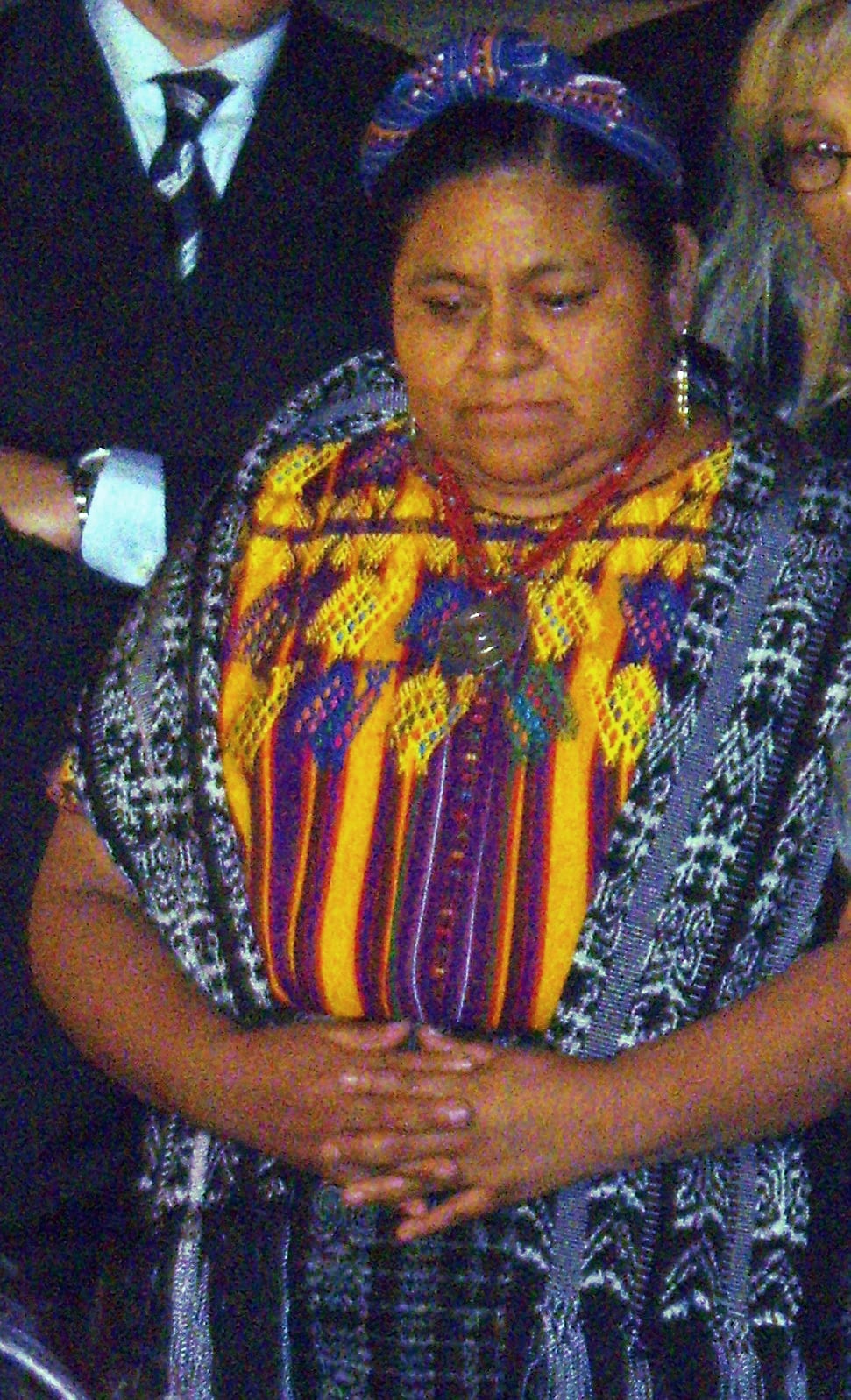
Post-war Guatemala has been a fragile democracy marked by extreme inequality, one of the world's most unequal land distributions, high violence, and deep-rooted corruption. A UN-backed anti-impunity body helped jail a sitting president in 2015 before being expelled in 2019; Ríos Montt was convicted of genocide in 2013, though the verdict was quickly annulled. Mass emigration to the United States now sends home remittances worth around a fifth of the economy. In 2023 the anti-corruption reformer Bernardo Arévalo — son of the 1945 president — won the presidency, and survived a months-long establishment effort to stop him taking office.
What Guatemala carries
Guatemala's history is unusually direct about its central conflict. The ancient Maya built one of the world's great civilisations here; the colony and then the coffee state dispossessed their descendants and forced them to labour; the one serious attempt to redistribute land, in the 1950s, was ended by a foreign coup; and the war that followed fell hardest on the Maya highlands. The unfinished business is the same as it was in 1871.