Food · Guatemala
Guatemala: Food and the National Dish
A rich stew thickened with roasted seeds and chillies, corn treated as something closer to sacred than staple, and a Maya food tradition still very much alive
By Worldlore Editorial · 16 September 2026
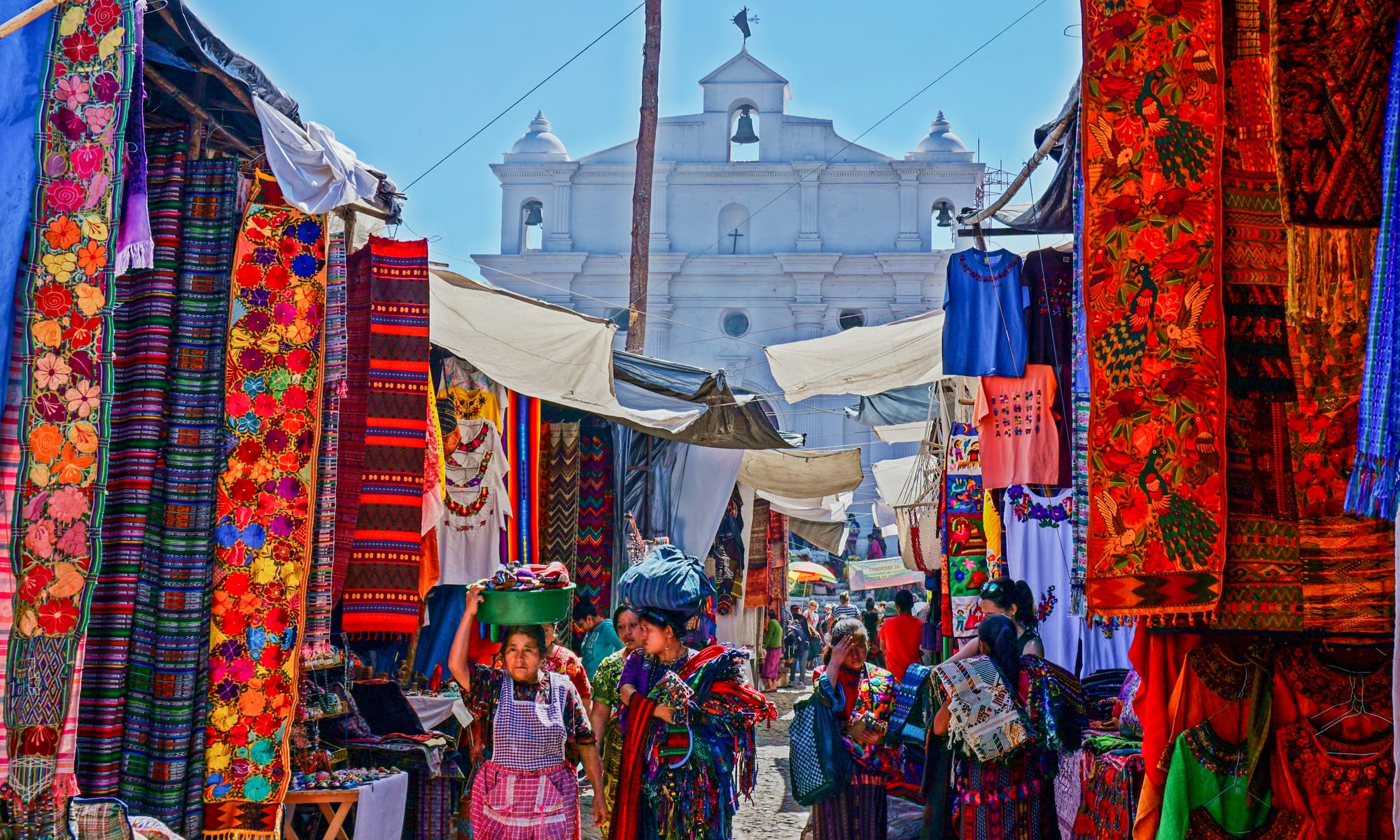
A living Maya food tradition
Guatemala's food carries a direct line back to Maya civilisation, still visible today in the country's large Indigenous Maya population and in staples like corn, beans and squash that have anchored the diet here for thousands of years. Spanish colonial influence added its own layer from the 16th century onward, but never displaced that older foundation.
The national dish: pepián
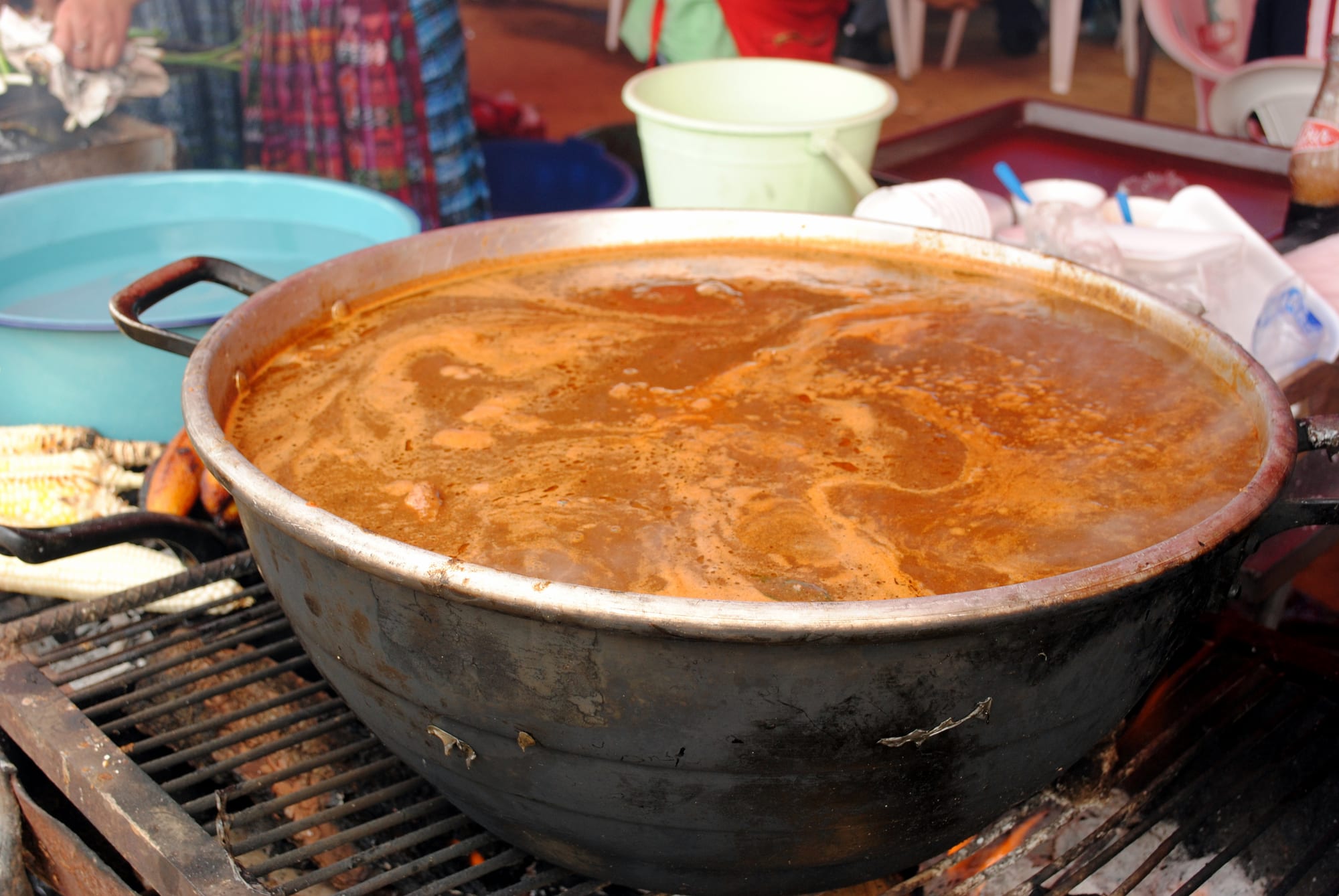
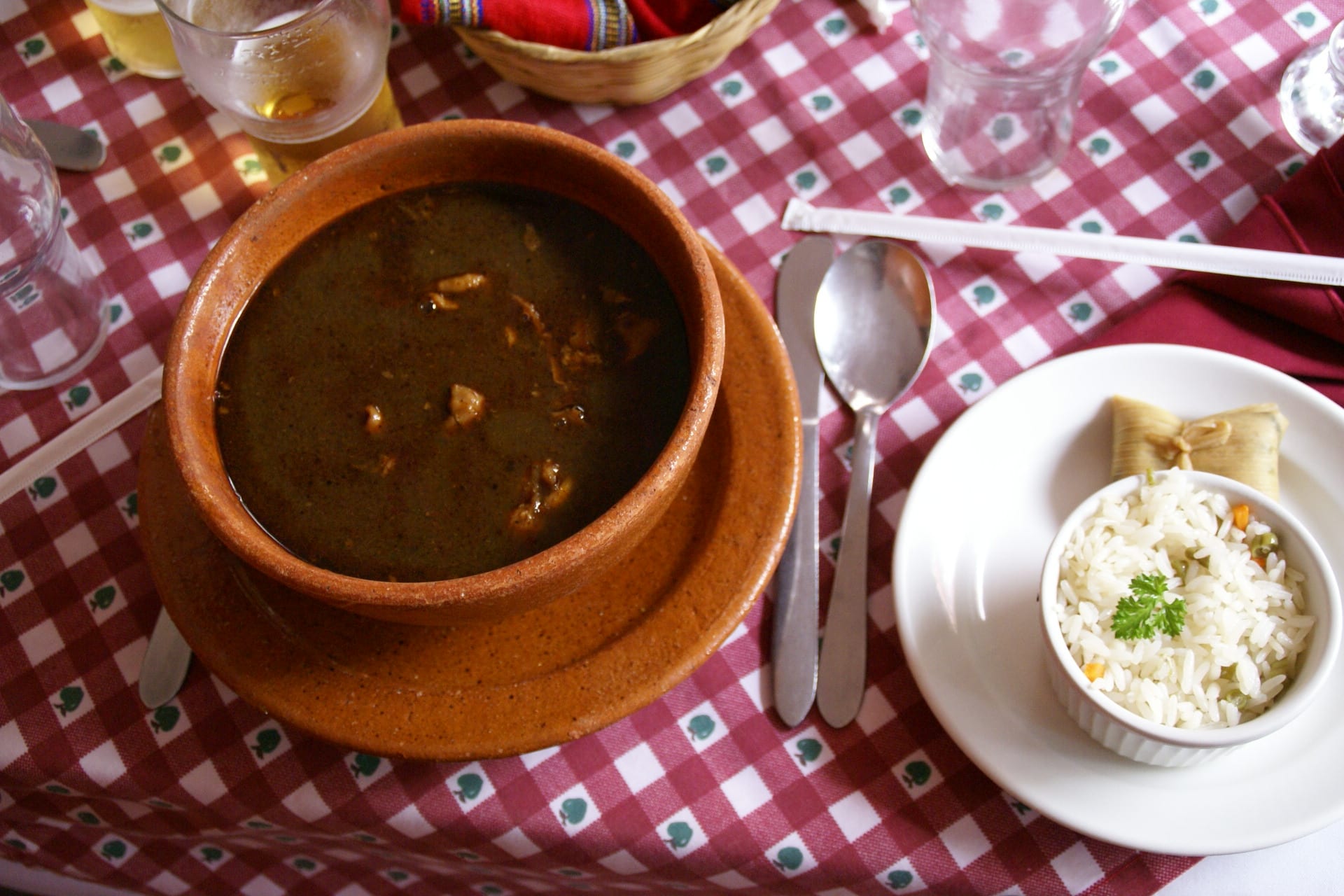
Pepián, a rich, spiced stew of meat (commonly chicken) in a sauce thickened and flavoured with toasted, ground seeds, chillies and tomatoes, was formally declared Guatemala's national dish by the country's Ministry of Culture in 2007. Its base of roasted pumpkin and sesame seeds gives the sauce a distinctive depth and slight nuttiness, and the dish traces its roots directly to Maya cooking techniques.
Corn, beans and the Maya pantry
Corn holds a cultural weight in Guatemala that goes beyond ordinary staple food, tied directly to Maya creation stories in which humans are said to have been formed from corn. Tortillas, tamales and a wide range of corn-based dishes remain daily food across the country, alongside beans, squash and a substantial variety of native chilli peppers that give Guatemalan cooking much of its character.
History behind the plate
Guatemala's food reflects a genuinely living Maya heritage rather than a historical footnote — a significant share of the population identifies as Maya today, and traditional markets like Chichicastenango's remain central to how food, produce and culture are exchanged. Spanish colonial rule introduced pork, beef, wheat and dairy, blending with the older Maya corn-and-bean foundation rather than replacing it outright.
Dishes to know
Five more to recognise across Guatemala:
- Tamales — corn dough filled with meat or vegetables, wrapped in
banana leaf or corn husk and steamed, eaten especially at holidays.
- Chiles rellenos — stuffed peppers, typically filled with meat and
vegetables and coated in egg batter.
- Kak'ik — a spiced turkey soup from the Cobán region, with its own
Maya origins distinct from pepián.
- Rellenitos — sweet plantain dumplings filled with black beans, a
popular dessert.
- Chuchitos — a smaller, firmer relative of the tamale, often served
with tomato sauce and cheese.
Drinks
Guatemalan coffee, grown in the country's volcanic highlands, is internationally respected and central to daily life. Atol, a warm, thick corn-based drink, and horchata made from rice or seeds depending on the region, are traditional non-alcoholic options with roots in the same corn-centred food culture as the rest of Guatemalan cooking.
Eating as a traveller
Vegetarians will find beans, corn dishes and vegetable-filled tamales manageable, though meat is central to most traditional main dishes. Tap water is not reliably safe outside major hotels; stick to bottled or boiled water. Visiting a traditional market such as Chichicastenango's is a genuine way to see Guatemala's Maya food culture in daily practice.
What to take from the table
Pepián, rich with roasted seeds and chillies, is the dish that carries Guatemala's official national-dish title — but corn, in tortillas, tamales and atol alike, is the ingredient that actually underpins nearly everything else on the Guatemalan table.